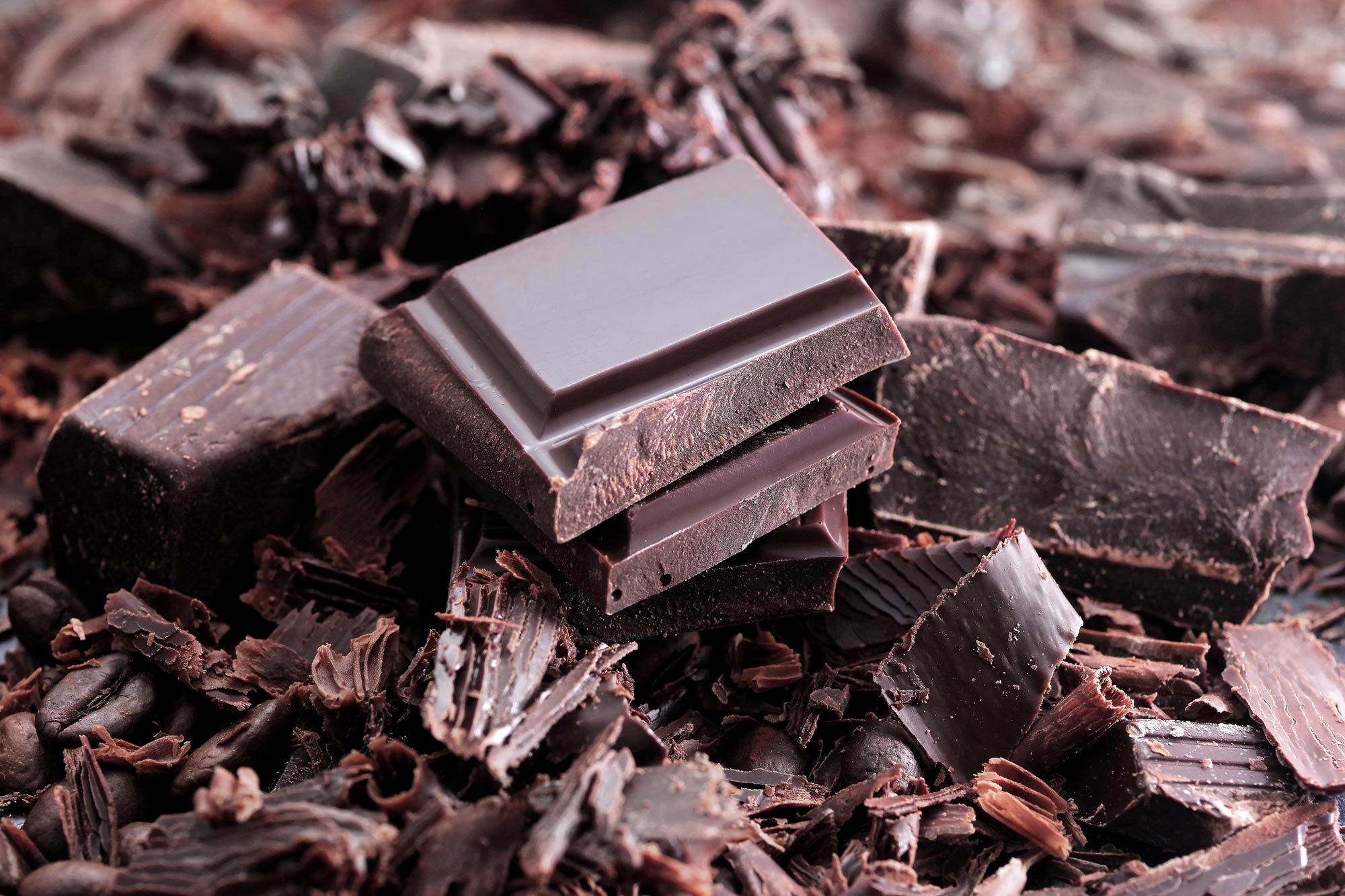
Aging chocolate is the intentional process of resting high-quality dark chocolate in a temperature- and humidity-controlled environment to allow its flavor profile to mellow, harmonize, and develop complexity. Much like fine wine or artisanal cheese, dark chocolate with high cocoa solids undergoes chemical transformations over months or years that reduce bitterness and enhance aromatic depth.
While most consumers view chocolate as a perishable treat with a fixed shelf life, connoisseurs and craft chocolate makers have long recognized that the transition from "fresh" to "mature" can elevate a bar from aggressive and acidic to smooth and nuanced. In 2026, the practice of aging chocolate has moved beyond the laboratories of high-end chocolatiers into the homes of dedicated enthusiasts. This guide explores the science, methodology, and practical requirements for successfully aging chocolate to achieve peak sensory quality.
The Science of Chocolate Maturation
To understand why chocolate benefits from aging, one must look at its chemical composition. Chocolate is a complex matrix of cocoa solids, cocoa butter, sugar, and volatile aromatic compounds. When chocolate is first manufactured—particularly "bean-to-bar" varieties—it often retains "high notes" that can be perceived as overly acidic, sharp, or even astringent.
Polyphenol Transformation
The primary drivers of flavor change during aging are the polyphenols, specifically tannins. In fresh chocolate, tannins are highly reactive and contribute to a dry, puckering sensation on the palate. Over time, these molecules undergo polymerization. As they bind together into larger chains, they become less reactive with the proteins in human saliva, which significantly reduces the perception of bitterness and astringency. This process results in a "rounder" mouthfeel.
Flavor Integration and Volatile Migration
Freshly tempered chocolate often tastes like a collection of individual notes—acidity here, nuttiness there, and sweetness on the finish. Aging allows for the integration of these flavors. Volatile compounds, which are responsible for the floral, fruity, and spicy aromas, slowly migrate through the fat phase (cocoa butter). As the chocolate rests, the aggressive "vinegary" notes often associated with fermentation (acetic acid) dissipate, allowing more subtle, secondary aromas like tobacco, leather, or dried fruit to emerge.
Physical Stability and Crystallization
While the tempering process sets the cocoa butter into a stable Form V (Beta) crystal structure, the fat phase remains somewhat dynamic. Over months of resting, the crystal lattice can become even more uniform. This contributes to a cleaner "snap" when the chocolate is broken and a more consistent melt-rate when it hits the tongue.
Which Chocolates are Suitable for Aging?
Not all chocolate is a candidate for the aging cellar. The chemical requirements for successful maturation are specific, and choosing the wrong product can lead to rancidity rather than refinement.
The Dark Chocolate Standard
Aging is almost exclusively reserved for dark chocolate with a cocoa content of 70% or higher. The absence of milk solids is the most critical factor. Milk fats and proteins are highly susceptible to oxidation and can develop "off" flavors (rancidity) within a year, even in ideal conditions. Therefore, milk chocolate and white chocolate should generally be consumed within 6 to 12 months of production and are not considered candidates for long-term aging.
Single-Origin and Craft Varieties
The best candidates for aging are single-origin bars produced using traditional methods. These bars contain a higher concentration of the unique "terroir" flavors of the specific cacao variety (such as Criollo or Trinitario). Mass-market chocolates often contain high levels of vanillin, soy lecithin, and stabilizers that mask the natural evolution of the cacao, making the benefits of aging negligible.
Ingredients to Avoid
If you intend to age a bar for more than six months, avoid chocolates containing:
- Dairy: Including anhydrous milk fat or milk powder.
- Inclusions: Nuts, dried fruits, or biscuit pieces. These contain moisture or oils that will spoil long before the chocolate matures.
- Fillings: Ganaches, caramels, or fondants are perishable and will degrade rapidly.
Ideal Conditions for Aging Chocolate
Chocolate is highly sensitive to its environment. If the conditions are not strictly maintained, the chocolate will suffer from "bloom"—the migration of fat or sugar to the surface—which ruins the texture and appearance.
1. Temperature Control
The ideal temperature for aging chocolate is between 12°C and 18°C (54°F to 64°F). This is slightly warmer than a standard refrigerator but cooler than average room temperature. Temperatures above 21°C (70°F) risk softening the cocoa butter, leading to fat bloom. Conversely, standard refrigeration is too cold; when the chocolate is removed, moisture from the air will condense on the surface, causing sugar bloom.
2. Humidity Management
Humidity must be kept low and stable, ideally between 45% and 55% relative humidity. If the environment is too humid (above 60%), moisture will dissolve the sugar on the chocolate's surface. When that moisture evaporates, it leaves behind a white, gritty crust known as sugar bloom. This is irreversible and destroys the smooth mouthfeel of the chocolate.
3. Light and Oxygen Exposure
UV light accelerates the oxidation of fats. Chocolate should be stored in total darkness. Furthermore, while the chocolate needs to "breathe" slightly during the very early stages of resting (usually handled by the manufacturer), long-term aging requires protection from oxygen. However, the most significant threat is odor. Cocoa butter is a highly efficient absorbent of surrounding scents. If you store chocolate near spices, coffee, or cleaning chemicals, it will eventually taste like them.
A Comparison: Fresh vs. Aged Dark Chocolate
| Characteristic | Fresh Chocolate (0-3 Months) | Aged Chocolate (18-24 Months) |
|---|---|---|
| Acidity | Sharp, bright, often vinegary. | Mellow, integrated, wine-like. |
| Astringency | High; causes a dry sensation. | Low; smooth and creamy. |
| Aroma | Intense primary notes (fruit/citrus). | Developed secondary notes (earth/oak). |
| Texture | Firm, standard snap. | Dense, very clean snap. |
| Melt | Rapid, sometimes uneven. | Slow, luxurious, and coating. |
Step-by-Step Guide to Aging Chocolate at Home
If you have acquired high-quality dark chocolate bars and wish to age them yourself, follow this systematic approach to ensure the best results.
Step 1: Procurement and Inspection
Purchase bars from a reputable craft maker. Ensure the bars are currently in temper (shiny surface, no white streaks). Check the "manufactured on" date. Most craft chocolate is already rested for 30 days before sale, which is the minimum time required for the chocolate to stabilize after tempering.
Step 2: Primary Packaging
If the chocolate is in its original foil and paper, it is often sufficient. However, for long-term aging (over 12 months), many enthusiasts prefer to double-wrap the bars. Use unscented, food-grade aluminum foil, followed by a heavy-duty airtight freezer bag. Ensure you squeeze out as much air as possible before sealing. This creates a barrier against both oxidation and external odors.
Step 3: Selecting the Storage Location
A dedicated wine cellar or a "cool pantry" is ideal. If you do not have a climate-controlled cellar, an electronic "chocolate humidor" or a small wine fridge set to its highest temperature setting (around 16°C) works well. Avoid basements that are damp or kitchens that fluctuate in temperature due to cooking.
Step 4: Labeling and Documentation
Aging is a longitudinal experiment. Label each bar with:
- Brand and Origin
- Cocoa Percentage
- Date of Purchase/Manufacture
- Date the aging process began
- Projected "tasting dates" (e.g., 6 months, 12 months, 24 months)
Step 5: The Waiting Period
Patience is the most difficult part of the process. Most experts agree that the most significant improvements occur between 6 and 18 months. Beyond 24 months, some bars may begin to lose their vibrant aromatic character, though high-percentage bars (85%+) have been known to age gracefully for up to 5 years.
Common Challenges and Troubleshooting
Even with careful planning, environmental factors can interfere with the aging process.
- Fat Bloom: If the chocolate develops a dusty white appearance but remains smooth to the touch, it has likely been exposed to heat. While safe to eat, the flavor may be slightly muted. You can "reset" the bar by re-tempering it, though this resets the aging clock.
- Sugar Bloom: If the surface is rough or "sparkly" and feels gritty on the tongue, it has been exposed to high humidity. This chocolate is best used for baking rather than continued aging.
- The "Cardboard" Taste: This is a sign of oxidation or the chocolate absorbing the scent of its packaging. Ensure you are using high-quality, food-safe foil and that the seals are airtight.
- Rancidity: If the chocolate smells like old oil or wet cardboard, the fats have oxidized. This is rare in high-quality dark chocolate but can happen if stored in direct sunlight or if the cocoa butter was of poor quality initially.
Commercial Aging Trends in 2026
In 2026, the industry has seen a rise in "Vintage Dated" chocolate bars. Similar to the wine industry, manufacturers like To’ak and Valrhona have experimented with aging chocolate in specific environments, such as ex-bourbon or cognac casks. This "cask-aging" adds an extra layer of flavor through the physical absorption of wood esters and spirit residues.
Furthermore, "Cellar-Aged" labels are becoming a premium marker. Some manufacturers now hold back portions of their best harvests to age them in-house under laboratory conditions before releasing them two or three years later at a significant price premium. For the consumer, this offers a guaranteed "peak" experience without the risk of home-storage errors.
Frequently Asked Questions
Does chocolate actually expire?
Chocolate does not have a hard expiration date in the way dairy does, but it does have a "best by" date. For dark chocolate, this is usually 2 years. However, when stored in ideal, airtight, and cool conditions, dark chocolate can remain safe and delicious for 5 years or more. The "expiration" is typically a decline in flavor quality rather than a safety risk.
Can I age mass-produced grocery store chocolate?
It is not recommended. Most grocery store chocolate contains additives like vanillin (artificial vanilla) and high levels of emulsifiers. These ingredients are designed to keep the flavor consistent from the day it is made, which prevents the natural "evolution" of the cacao. Furthermore, the lower quality of fats used in mass-market bars makes them more prone to developing off-flavors over time.
How do I taste aged chocolate correctly?
To appreciate the changes, perform a side-by-side tasting if possible. Use a "fresh" bar of the same brand and origin alongside your aged bar. Allow the chocolate to come to room temperature (about 21°C/70°F) for at least two hours before tasting. This ensures the cocoa butter melts correctly on the tongue, releasing the full spectrum of matured volatiles.
Is there a limit to how long chocolate can age?
Yes. Unlike honey, which can last indefinitely, chocolate eventually hits a plateau. After 3 to 5 years, even the best-stored dark chocolate may begin to lose its "brightness" and become somewhat flat or overly earthy. The goal is to catch the chocolate when the tannins have softened but the original floral or fruity character of the bean is still present.
Practical Recommendation
If you are new to aging chocolate, start with a "vertical" experiment. Purchase three bars of a high-quality 70-75% single-origin dark chocolate (ensure they are from the same batch). Eat one immediately and record your tasting notes in detail, focusing on acidity, bitterness, and specific aromas. Store the other two in a cool, dark, airtight container. Open the second bar at 12 months and the third at 24 months. This controlled comparison is the most effective way to train your palate to recognize the nuances of maturation.