Securing affordable life insurance in New York requires understanding the state’s unique regulatory environment, which heavily influences policy pricing, underwriting standards, and consumer protections. Because New York operates under stricter financial oversight than many other states, residents must navigate specific carrier requirements and policy types—primarily term life insurance—to find the most cost-effective protection for their financial obligations.
The Regulatory Landscape of New York Life Insurance
New York is widely recognized for having some of the most stringent insurance regulations in the United States. The New York State Department of Financial Services (DFS) oversees all life insurance companies operating within the state, ensuring that premiums are fair and that companies maintain adequate reserves to meet future claims.
While this regulatory environment provides significant consumer protection, it also impacts the availability and cost of certain products. Some national carriers choose not to offer specific policy riders or complex universal life products in New York because of the compliance burden. However, for the average consumer, this means that any policy approved for sale in New York has passed rigorous scrutiny. When looking for "affordable" coverage, the primary objective is to balance the state’s high regulatory floor with the efficiency of modern, simplified underwriting processes.
Determining Your Insurance Needs
Before researching specific quotes, you must establish the financial objective of the policy. In the insurance industry, "affordable" is a relative term—a premium that seems high may be a bargain if the death benefit adequately covers your family’s actual financial liabilities.
Calculating the Coverage Gap
To avoid over-insuring (which wastes money) or under-insuring (which leaves dependents vulnerable), consider the following formula:
- Immediate Expenses: Funeral costs, final medical bills, and probate fees.
- Debt Obligations: Remaining mortgage balances, private student loans, and high-interest consumer debt.
- Income Replacement: Multiply the portion of your annual salary that your family relies on by the number of years they will need that support.
- Future Goals: College tuition funds for children or surviving spouse retirement contributions.
Subtract your current liquid assets and existing life insurance (like group coverage through an employer) from this total. The remainder represents the coverage gap you need to fill with a private policy.
Choosing the Right Policy Type for Affordability
For most individuals, term life insurance is the most affordable option. Unlike "permanent" life insurance (such as whole or universal life), which includes a cash value investment component and higher premiums, term life is pure protection.
Term Life Insurance
You select a term—typically 10, 20, or 30 years—during which the premium remains level. If you pass away during this time, the death benefit is paid to your beneficiaries. This is highly recommended for families during their "accumulation years," such as when raising children or paying off a mortgage, because it offers the highest death benefit for the lowest monthly cost.
Permanent Life Insurance
While rarely the "affordable" choice, permanent life insurance does not expire. It is generally intended for high-net-worth estate planning, covering permanent dependents, or tax-advantaged wealth transfer. In New York, the costs associated with these policies are significantly higher due to the mandatory cash value accumulation requirements enforced by the DFS.
The Underwriting Process: How Health Impacts Price
In 2026, life insurance carriers in New York utilize sophisticated algorithms to assess risk. Your health and lifestyle profile is the single largest variable in determining your premium tier.
Standard Factors Affecting Premiums
- Age: The younger you are when you apply, the lower your annual premium will be for the duration of the policy.
- Health History: Chronic conditions, family history of disease, and recent hospitalizations are scrutinized.
- Lifestyle: Tobacco use is the most significant factor in price spikes; non-smokers almost always qualify for significantly better rates.
- Occupation and Hobbies: High-risk jobs or extreme sports can increase rates or lead to policy exclusions.
The Rise of Accelerated Underwriting
Many companies now offer "accelerated underwriting." This process uses public data, pharmacy records, and digital health analytics to approve policies without a physical medical exam. If you are in good health, this can be both faster and more affordable, as it reduces the administrative costs insurers pass on to consumers.
Comparative Pricing Strategies
When searching for affordable insurance, do not settle for the first quote. Premium rates for the exact same coverage amount can vary by hundreds of dollars per year between two reputable companies.
| Policy Type | Cost Efficiency | Best For | Complexity |
|---|---|---|---|
| Level Term | High | Income replacement, mortgages | Low |
| Annual Renewable | Moderate | Short-term bridge needs | Very Low |
| Universal Life | Low | Long-term estate planning | High |
| Whole Life | Very Low | Permanent needs/Tax planning | Moderate |
Tips for Lowering Your Premium
- Annual Payments: Most insurers offer a discount if you pay your premium in one lump sum annually rather than in 12 monthly installments.
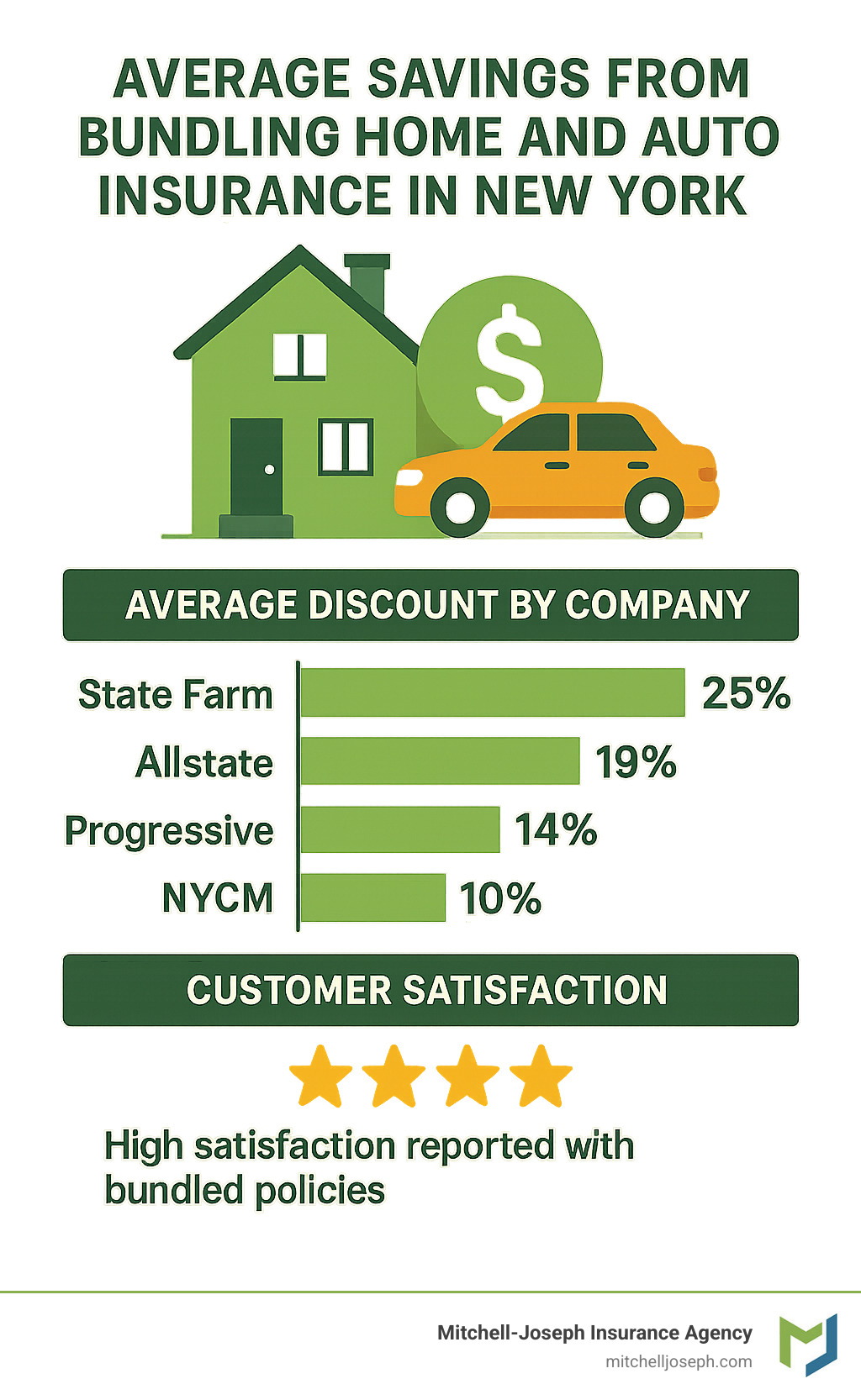
- Bundle Sparingly: While some companies offer discounts for bundling with auto or home insurance, ensure the life policy remains competitive on its own merits.
- The "Ladder" Strategy: Instead of one massive policy, some financial planners suggest buying two smaller policies with different term lengths (e.g., a 10-year term to cover the remaining mortgage and a 20-year term to cover the children until they finish college). This can be cheaper than one large, long-duration policy.
Common Mistakes to Avoid
- Relying Solely on Employer Coverage: Group life insurance is often insufficient (usually 1x or 2x your salary) and is not portable. If you lose your job, you lose your coverage.
- Waiting Too Long: Life insurance rates never go down. Delaying the purchase by five years—even if your health remains stable—will result in a higher premium due to your age bracket.
- Non-Disclosure: Never omit medical history on an application. If an insurer discovers a material misrepresentation during the contestability period (usually the first two years), they can deny the death benefit entirely.
- Miscalculating the Term: If you buy a 20-year term policy to cover a 30-year mortgage, you will be left without coverage for the final decade of your loan payments.
Resolving Ambiguity: New York Specifics
New York law contains provisions that differentiate it from other states, such as the "Free Look" period, which allows you to cancel a policy within a certain timeframe (usually 10 to 30 days) and receive a full refund of premiums paid if you decide the policy is not right for you. Always confirm this period with your chosen carrier, as it is a critical safety valve for consumers.
Furthermore, because New York regulates the "cost of insurance" (COI) charges within policies, you may find that certain national insurance calculators provide inaccurate estimates for New York residents. Use platforms that explicitly account for New York-specific pricing models.
Frequently Asked Questions
Is life insurance more expensive in New York than in other states?
It can be. Because New York regulations require insurers to maintain higher capital reserves and follow stricter consumer protection laws, the operational costs for insurers can be higher. These costs are sometimes reflected in premiums. However, this also ensures that the life insurance industry in New York is exceptionally stable and reliable.
Can I get life insurance in New York without a medical exam?
Yes. Many carriers now offer "no-exam" or "fluidless" term life insurance. These products are ideal for healthy individuals looking for a quick, simplified application process. However, if you have complex health issues, a traditional application requiring an exam may actually be more cost-effective, as it allows the insurer to get a clearer picture of your health rather than assuming a higher risk profile.
What happens if I move out of New York after buying my policy?
Your life insurance policy is a contract between you and the insurance carrier. If you move to another state, your policy remains active and the terms, including your premium, generally stay the same. You should simply notify the company of your new address so they can update their records and ensure you remain in compliance with your new state's legal requirements.
Are life insurance benefits taxable in New York?
In most cases, the death benefit paid to a beneficiary is income tax-free at the federal level. New York generally follows federal tax treatment for life insurance proceeds. However, the proceeds are considered part of your estate and may be subject to estate taxes if your total assets exceed certain thresholds. Consult a tax professional regarding your specific estate planning needs.
How do I verify if a life insurance company is licensed in New York?
You should always verify the company’s license status via the New York State Department of Financial Services (DFS) portal. Only purchase insurance from companies authorized to conduct business in the state; this ensures you are protected by the New York Life and Health Insurance Guaranty Corporation in the unlikely event of an insurer's insolvency.
Recommendation for Next Steps
To secure the most affordable coverage, follow this sequence:
- Define your goal: Use a calculator to determine exactly how much coverage you need.
- Gather health data: Have your medical records and prescription history ready to provide accurate, truthful information.
- Get multiple quotes: Compare at least three different carriers using an independent insurance broker or a reputable online comparison tool that specializes in New York markets.
- Apply during a period of stability: If you are planning a lifestyle change (such as quitting smoking or losing weight), aim to apply after these changes have been sustained for at least 12 months, as this significantly impacts your "rate class."
By prioritizing term life insurance and conducting a thorough comparison of licensed providers, you can effectively protect your family’s financial future without overpaying.