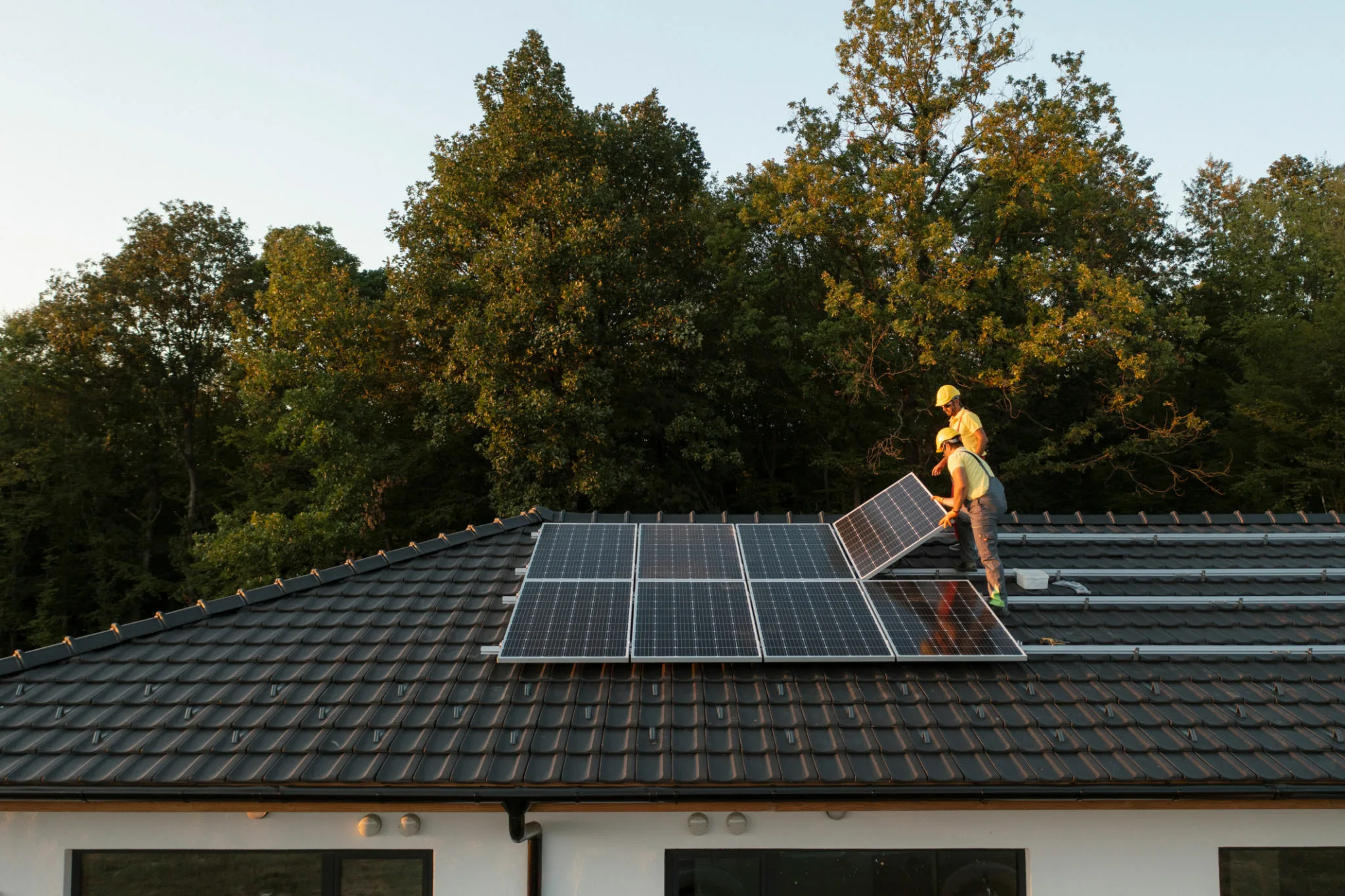
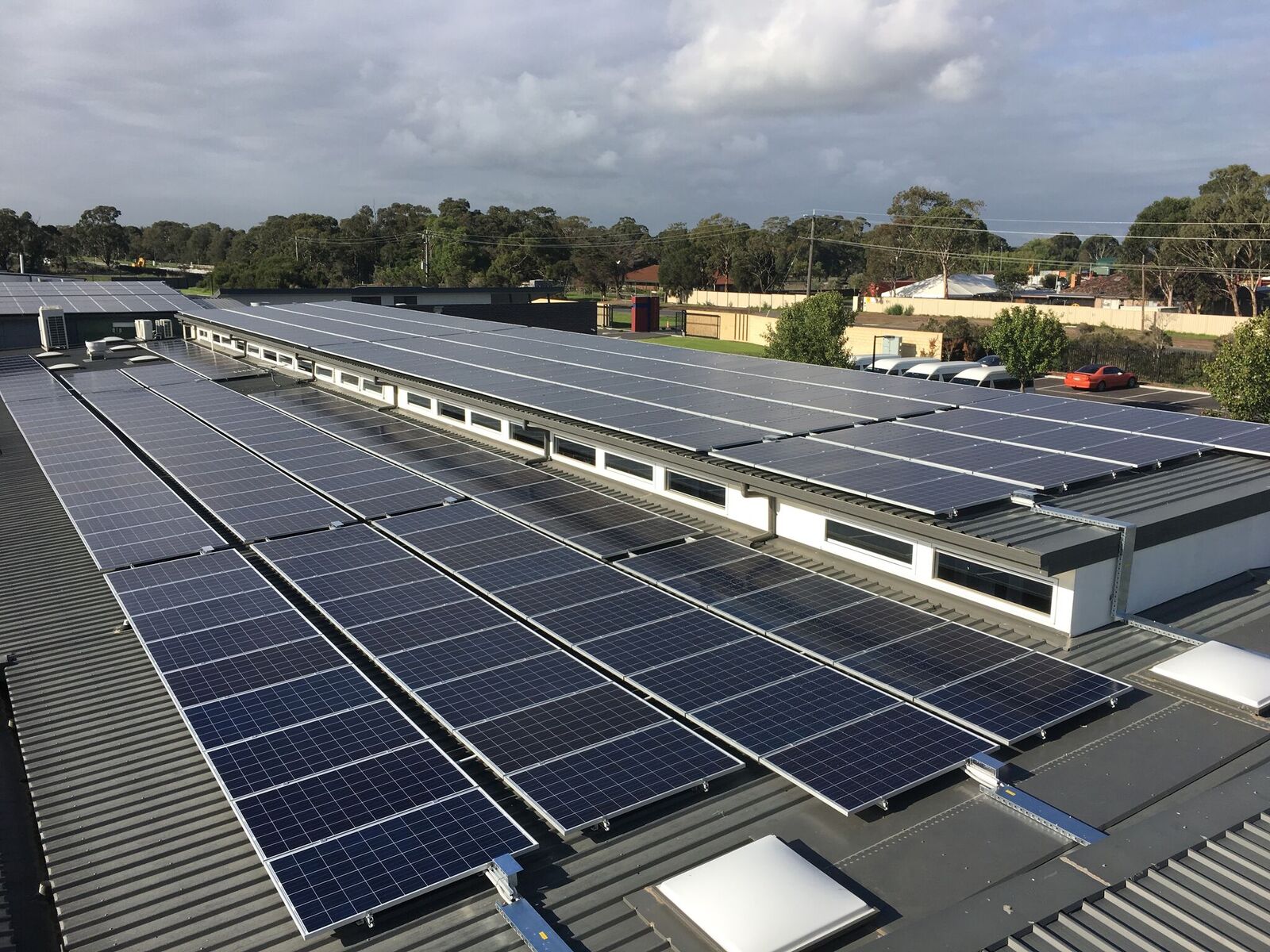
Navigating the market for residential renewable energy requires balancing upfront costs with long-term savings. Affordable companies that install solar panels typically offer competitive pricing through tiered equipment options, streamlined installation processes, and transparent financing arrangements, allowing homeowners to reduce electricity bills without overpaying for proprietary hardware.
Transitioning a home to clean energy involves a complex matrix of equipment selection, structural engineering assessments, financial planning, and regulatory compliance. For homeowners looking to minimize their capital outlay, finding an affordable contractor is only the first step. Understanding the true mechanics of solar pricing, distinguishing between national and regional installers, navigating financing models, and recognizing hidden costs are essential to ensuring that a low-cost quote does not turn into a long-term financial burden.
Understanding Solar Panel Pricing and Affordability
When evaluating what makes a solar company "affordable," it is crucial to look past the sticker price and examine how quotes are structured. Solar pricing is typically measured in dollars per watt ($\text{W}$). As of recent industry benchmarks, average residential solar installation costs range between $$2.80$ and $$3.20$ per watt before incentives, meaning a standard 8-kilowatt ($\text{kW}$) system can cost anywhere from $$22,400$ to $$25,600$ gross. Affordable companies generally price their installations below these market averages by optimizing their supply chains and operational overhead.
However, low upfront pricing can sometimes indicate trade-offs in equipment quality, customer service, or warranty coverage. To assess true affordability, homeowners must evaluate the balance between capital expenditure ($\text{CapEx}$) and the levelized cost of energy ($\text{LCOE}$). A slightly higher upfront investment in high-efficiency panels may yield a lower overall cost per kilowatt-hour produced over a 25-year lifespan compared to cheaper, lower-tier panels that degrade faster.
Key Cost Drivers in Residential Solar Installations
Several distinct variables dictate the final price quoted by solar installers:
- System Size and Energy Offset: Larger systems require more panels, racking, and inverter capacity. Affordable installers will perform an accurate load calculation based on past utility bills rather than oversizing the system.
- Hardware Tier: Monocrystalline panels, microinverters, and string inverters vary significantly in price. Budget-friendly companies often partner with reliable Tier-1 manufacturers that offer strong performance warranties without the marketing markup of luxury brands.
- Roof Complexity and Angle: Steep roofs, multiple facets, tile roofing materials, or complex electrical upgrades (such as main panel upgrades) increase labor time and material costs.
- Permitting and Interconnection Fees: Local authority having jurisdiction ($\text{AHJ}$) fees and utility interconnection application costs are passed through to the consumer. Efficient installers handle this process swiftly to minimize labor overhead.
National Installers vs. Regional and Local Contractors
The residential solar market is divided between large national corporations and smaller regional or local installation companies. Each business model has distinct implications for affordability, customer service, and project timelines.
| Feature / Metric | National Solar Installers | Local & Regional Installers |
|---|---|---|
| Pricing & Economies of Scale | Often competitive due to bulk buying; prone to corporate administrative fees | Frequently lower overhead costs; flexible pricing and direct discounts |
| Financing Options | Broad range of proprietary loans, leases, and PPAs | Partnerships with local credit unions and regional green-energy banks |
| Customer Service & Accountability | Standardized support queues; turnover can lead to communication gaps | Personalized attention; direct access to local management and founders |
| Local Code & Utility Knowledge | Centralized permitting teams learning regional quirks remotely | Deep, native understanding of local AHJs and utility interconnection rules |
National installers benefit from economies of scale. They can negotiate bulk rates on photovoltaic ($\text{PV}$) modules and mounting hardware, passing some of those savings onto consumers. They also frequently offer proprietary software and standardized maintenance apps. However, their centralized corporate structures can result in higher administrative overhead and rigid sales tactics.
Conversely, local and regional contractors often operate with leaner margins. Because their reputation is tied directly to their immediate geographic community, they may provide more personalized customer support and faster response times for post-installation maintenance. Furthermore, local installers possess intimate knowledge of regional utility net-billing or net-metering tariffs, ensuring that systems are optimized for local regulatory frameworks.
Financing Options: Buying vs. Leasing
Affordability is heavily influenced by how a solar system is financed. Choosing the right financial vehicle determines whether a homeowner captures the full value of tax incentives and equity generation.
Solar Loans and Cash Purchases
Purchasing a solar system—either outright via cash or through a secured solar loan—grants the homeowner full ownership of the asset.
- Cash Purchase: Offers the fastest return on investment ($\text{ROI}$) because there are no loan origination fees, dealer fees, or interest payments. The buyer captures 100% of available tax credits and incentives.
- Solar Loans: Available through dedicated solar lenders, home equity lines of credit ($\text{HELOC}$), or unsecured bank loans. While interest rates apply, monthly loan payments are frequently designed to be lower than or equal to the historical monthly electricity bill, resulting in immediate cash-flow neutrality or savings.
Third-Party Ownership: Leases and Power Purchase Agreements (PPAs)
For homeowners with little to no tax liability (who cannot directly utilize tax credits) or those who wish to avoid debt, solar leases and Power Purchase Agreements ($\text{PPAs}$) offer a zero-down pathway to solar energy.
- Solar Lease: The homeowner pays a fixed monthly fee to "rent" the equipment installed on their roof, regardless of how much energy the system generates.
- PPA: The homeowner agrees to purchase the electricity generated by the panels at a predetermined rate per kilowatt-hour ($\text{kWh}$). This rate typically includes an annual escalator of 1% to 3%.
Important Financial Consideration: While third-party ownership models lower the barrier to entry, they generally reduce the long-term financial savings compared to purchasing. Furthermore, leased systems can occasionally complicate home sales if prospective buyers are unwilling to assume the lease transfer.
Available Incentives and Tax Credits
Affordability is not determined solely by the contractor's invoice; government incentives play a critical role in reducing the net capital requirement.
The Federal Residential Clean Energy Credit
In the United States, the federal government provides the Residential Clean Energy Credit (under Section 25D of the Internal Revenue Code). This incentive allows homeowners to claim a tax credit for a percentage of the total installation cost of a solar electric system.
- The credit applies to both equipment and labor, including necessary site preparation and permitting fees.
- It functions as a dollar-for-dollar reduction in federal income tax liability. If the credit exceeds the homeowner's tax liability for the year, the remaining balance can be carried forward to subsequent tax years.
- Homeowners must own the system (either via cash or a loan) to qualify; leased systems and PPAs do not qualify the homeowner for the credit, though the third-party owner may factor the credit into their lease pricing structures.
State and Utility-Specific Programs
Beyond federal provisions, many state governments offer solar renewable energy certificates ($\text{SRECs}$), state tax credits, or property tax exemptions for the added value solar brings to a home. Additionally, municipal utilities and investor-owned electric companies often offer rebates for installing battery storage or smart-inverter technology. Affordable installation companies routinely assist clients in identifying and applying for these localized incentives.
Step-by-Step Guide to Evaluating and Hiring an Affordable Installer
Finding a reliable, cost-effective contractor requires a systematic vetting process. Homeowners should avoid signing contracts with the first door-to-door salesperson or online ad they encounter.
- Audit Energy Consumption: Review the past 12 months of electric utility bills to determine baseline consumption in kilowatt-hours ($\text{kWh}$). This prevents contractors from oversizing the system.
- Solicit Multiple Bids: Obtain at least three detailed, apples-to-apples quotes from a mix of national and local installers. Ensure each quote specifies the exact panel wattage, inverter model, structural mounting system, and warranty terms.
- Verify Licensing and Insurance: Check state contractor databases to ensure the company holds a valid electrical or general contractor license, alongside active general liability and workers' compensation insurance.
- Examine Credentials and Certifications: Look for installers with certifications from the Interstate Renewable Energy Council ($\text{IREC}$) or validation from the North American Board of Certified Energy Practitioners ($\text{NABCEP}$).
- Scrutinize Warranties: A truly affordable company stands behind its work. Look for a triple warranty structure covering:
- Equipment: Typically 25 years for panels and 10 to 25 years for inverters.
- Workmanship: At least 10 to 25 years covering roof leaks and installation defects.
- Performance: Guaranteeing that the panels will produce a specified percentage of their rated output (usually 80% to 85%) after 25 years.
- Review the Contract Fine Print: Read the contract for hidden clauses, such as automatic price escalators, steep cancellation fees, or liens placed on the property without clear disclosure.
Common Pitfalls to Avoid When Pursuing Cheap Solar
While the pursuit of affordability is financially sound, falling into common traps can negate potential savings.
- Chasing the Lowest Bid Blindly: An extremely low quote often signifies cut-rate equipment, inexperienced subcontracted labor, or excluded fees (such as permitting or electrical panel upgrades) that will be billed later as costly change orders.
- Ignoring Solar Degradation Rates: Inexpensive generic panels often feature high annual degradation rates, meaning their energy output drops rapidly year over year. Investing slightly more in high-durability panels protects long-term value.
- Overlooking Interconnection Delays: Some unorganized or overloaded low-cost installers fail to submit utility interconnection paperwork in a timely manner, leaving homeowners with an installed system that cannot legally be turned on for months.
- Failing to Plan for Roof Replacement: If a roof has fewer than 10 years of useful life remaining, installing solar panels is counterproductive. Removing and reinstalling panels to perform a roof replacement later can cost thousands of dollars, completely erasing initial installation savings.
Frequently Asked Questions
What is the average cost of a residential solar panel installation?
The average cost typically ranges from $$15,000$ to $$25,000$ before applying the federal tax credit and local incentives. Final pricing depends heavily on geographic location, system size measured in kilowatts, roof configuration, and whether battery storage is included.
Do cheap solar companies use lower-quality equipment?
Not necessarily, but due diligence is required. Many affordable installers keep costs down through efficient operations, lower marketing overhead, and direct manufacturer partnerships rather than by purchasing substandard hardware. Homeowners should always verify the specific brand and tier ranking of the panels and inverters specified in their contract.
Can I install solar panels myself to save money?
DIY solar installation is technically possible and eliminates contractor labor costs, but it is strongly discouraged for most homeowners. Utility interconnection applications, structural engineering requirements, high-voltage electrical wiring, and strict building code compliance make professional installation safer and legally necessary in most jurisdictions to secure permits and grid connection.
How do solar leases affect the affordability of a system?
Solar leases offer zero upfront costs and predictable monthly payments, making them accessible. However, they generally yield lower long-term financial savings compared to purchasing a system, because the leasing company captures the federal tax credit and the home's equity increase from the system is often diminished.
What happens to my solar panels if my roof needs repairs?
If a roof requires structural repairs or replacement, the solar panels must be temporarily uninstalled and reinstalled. Professional installers often charge significant service fees for this procedure. This is why inspecting and, if necessary, replacing an aging roof prior to scheduling a solar installation is a critical step.
Conclusion and Next Actions
Achieving energy independence and lowering utility bills through solar power does not require overspending. By gathering multiple transparent bids, verifying contractor credentials, understanding local incentive structures, and focusing on long-term performance rather than just initial capital outlays, homeowners can successfully secure high-value renewable energy systems. The immediate next action for any interested property owner is to pull past utility bills, calculate annual energy usage, and reach out to at least three reputable local and regional contractors for comprehensive, apples-to-apples project proposals.