Los Angeles is home to some of the most historic and prosperous Black neighborhoods in the United States. Clustered predominantly in the hills and elevated enclaves of South Los Angeles and the Westside edge—such as View Park-Windsor Hills, Baldwin Hills, Ladera Heights, and Leimert Park—these communities combine architectural distinction, strong household wealth, deep cultural heritage, and central geographic access.
The History and Evolution of Black Wealth in Los Angeles
The development of affluent Black neighborhoods in Los Angeles is rooted in a resilient history of overcoming housing discrimination, racially restrictive covenants, and municipal redlining during the early-to-mid 20th century. Prior to the late 1940s, legal covenants prohibited African Americans, Asian Americans, and Hispanic residents from purchasing homes across vast swathes of Los Angeles County. Black professionals—including doctors, lawyers, entertainers, business executives, and civil servants—were largely restricted to specific corridors such as Central Avenue.
Following the landmark 1948 U.S. Supreme Court ruling in Shelley v. Kraemer, which rendered racially restrictive covenants judicially unenforceable, Black families began purchasing homes in previously segregated neighborhoods directly west and southwest of downtown Los Angeles. Areas like West Adams, Leimert Park, and eventually the scenic hillsides of View Park and Baldwin Hills experienced rapid demographical transitions throughout the 1950s and 1960s.
Rather than experiencing economic decline during these demographic shifts, these hill enclaves maintained high owner-occupancy rates and exceptional property upkeep. By the late 1960s and 1970s, the contiguous area encompassing View Park, Windsor Hills, Baldwin Hills, and Ladera Heights earned the moniker "the Black Beverly Hills." Today, these neighborhoods represent generations of accumulated home equity, cultural preservation, and civic engagement, standing as durable hubs of upper-middle-class and high-net-worth Black residency.
Top Affluent Black Neighborhoods in Los Angeles
View Park-Windsor Hills: The Historic Heart of Executive Luxury
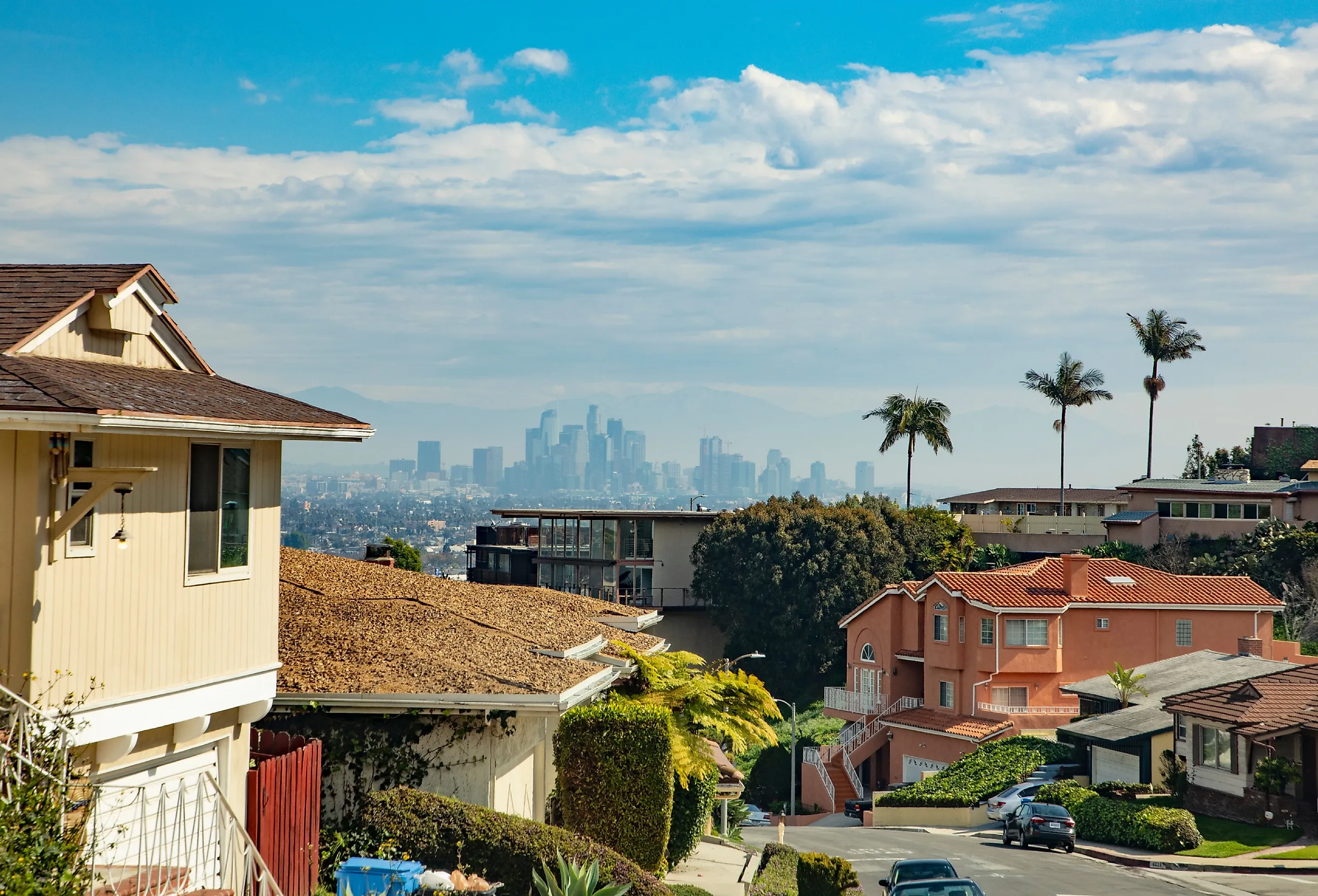
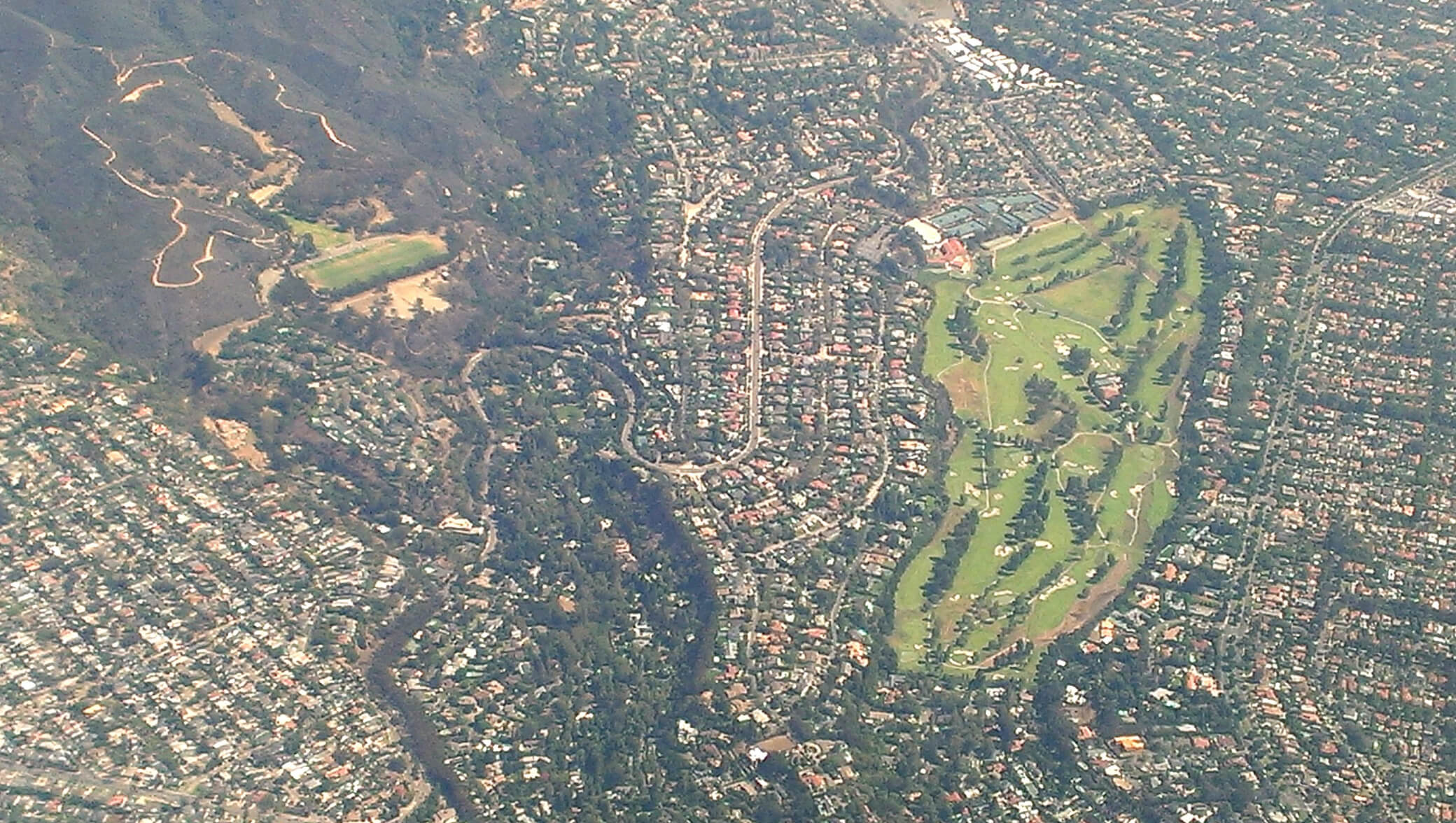
Situated on rolling hills overlooking the Los Angeles Basin, View Park-Windsor Hills is an unincorporated community in Los Angeles County that remains one of the wealthiest predominantly Black communities in the United States. Recognized on the National Register of Historic Places in 2016, the neighborhood boasts wide, tree-lined streets, meticulously preserved landscaping, and panoramic views of Downtown Los Angeles, the Hollywood Hills, and the Pacific Ocean.
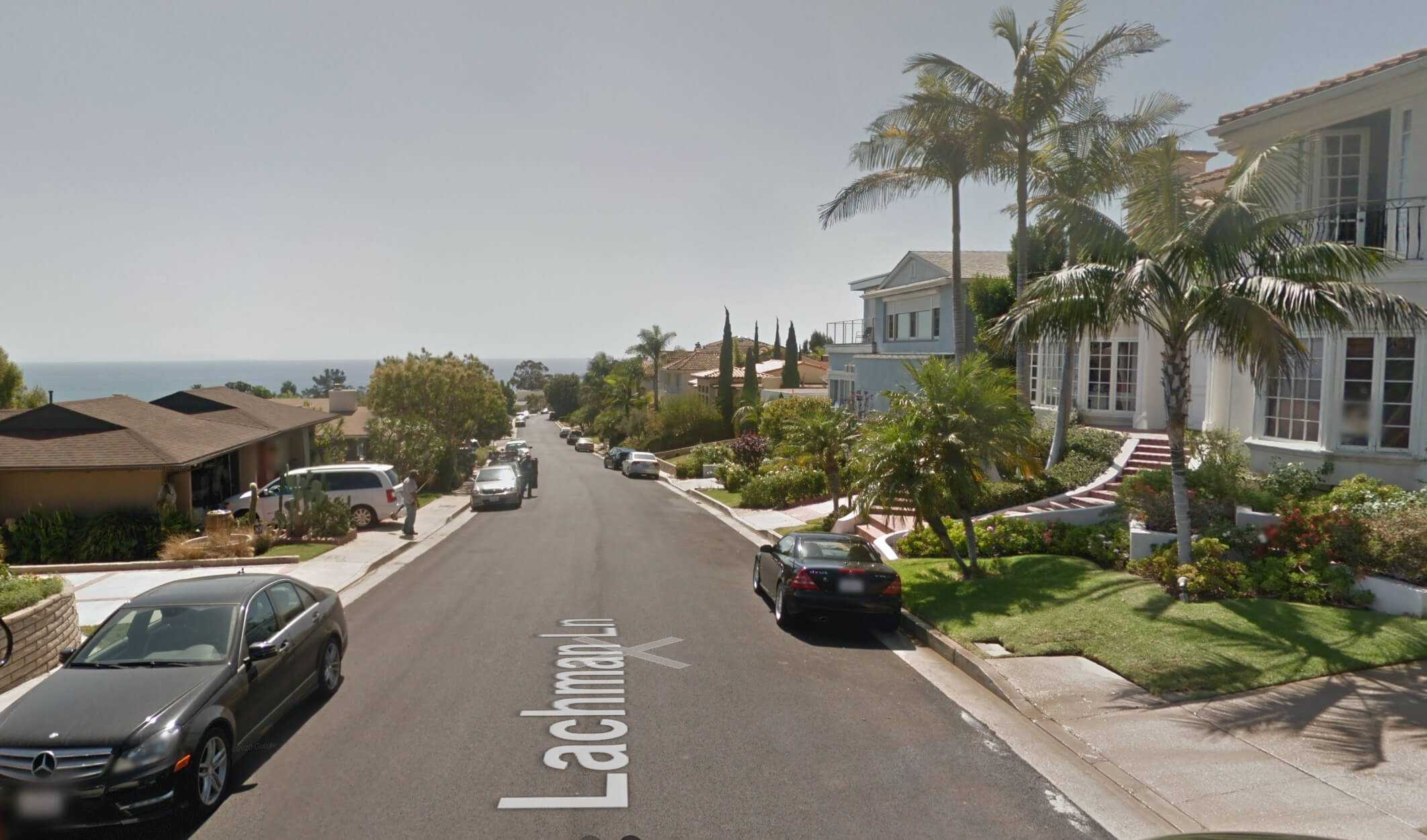
Architecturally, View Park-Windsor Hills features an exceptional collection of homes constructed primarily between the 1920s and 1950s. Dominant architectural styles include Spanish Colonial Revival, Mediterranean Revival, Tudor Revival, and custom Mid-Century Modern designs. Many residences span 3,000 to over 5,000 square feet, sited on generous hillside lots.
- Community Character: Quiet, residential, highly civic-minded with active homeowner associations.
- Location Benefits: Centrally located near Stocker Street and Crenshaw Boulevard, offering quick access to Culver City, Downtown LA, and Los Angeles International Airport (LAX).
- Housing Profile: Primarily single-family detached estates with high median household incomes well above the Los Angeles County average.
Baldwin Hills & Baldwin Hills Estates: Hillside Views and Mid-Century Masterpieces
Often grouped alongside View Park, Baldwin Hills lies within the city limits of Los Angeles, situated directly south of Exposition Boulevard and rising into the Baldwin Hills mountain range. Known colloquially as "The Donas" (due to street names such as Dona Fola and Dona Alisa in certain sub-tracts) or the "Don Felipe" area, Baldwin Hills Estates offers elevated living with striking city and mountain vistas.
The neighborhood was developed substantially during the post-WWII housing boom of the 1950s and 1960s. As a result, it houses some of the city's finest custom Mid-Century Modern architecture, featuring post-and-beam construction, floor-to-ceiling glass walls, open floor plans, and expansive outdoor entertaining spaces.
- Community Character: Secluded, scenic, and prestigious. The neighborhood sits adjacent to Kenneth Hahn State Recreation Area and the Baldwin Hills Scenic Overlook, providing residents direct access to hundreds of acres of urban parkland, hiking trails, and outdoor recreation.
- Location Benefits: Proximity to La Cienega Boulevard allows efficient commuting to Culver City's tech hub, Beverly Hills, and the Westside.
- Housing Profile: Custom hillside single-family residences, mid-century modern properties, and executive luxury homes.
Ladera Heights: Suburban Elegance and Spacious Estates
Ladera Heights is an unincorporated community situated directly west of View Park-Windsor Hills, bordering Culver City to the north and west, and Westchester to the south. Divided into Upper Ladera and Lower Ladera, the neighborhood was built predominantly in the late 1940s through the 1960s as a master-planned suburban retreat for affluent buyers.
Ladera Heights is characterized by wide, underground-utility streets (eliminating overhead power lines), large ranch-style and mid-century modern homes, and sprawling lot sizes often exceeding 10,000 square feet. It has long attracted prominent Black athletes, entertainment executives, political leaders, and medical professionals.
- Community Character: Suburban, tranquil, and private. The neighborhood features low density, immaculate lawn maintenance, and very low commercial intrusion.
- Location Benefits: Immediate proximity to Silicon Beach hubs (Playa Vista, Culver City), Westfield Culver City, and LAX.
- Housing Profile: Mid-century ranch estates, split-level architectural homes, and extensive modern remodels.
Leimert Park: Historic Architecture and Cultural Capital
While Leimert Park exhibits a broader mix of income levels than the exclusive hillside estates of View Park or Ladera Heights, its master-planned historic core includes substantial upper-middle-class tracts and highly prized real estate. Designed in the 1920s by the renowned Olmsted Brothers landscape architecture firm, Leimert Park features Spanish Colonial Revival homes, historic streetscapes, and Spanish-style commercial plazas.
Leimert Park serves as the recognized cultural heart of Black Los Angeles, hosting community arts institutions, independent bookstores, jazz venues, and annual cultural festivals. Over recent years, significant capital investment and the opening of the Metro K Line (Crenshaw/LAX Transit Project) have accelerated home values, attracting affluent Black creative professionals and buyers seeking historic charm.
- Community Character: Vibrant, culturally rich, walkable, and arts-focused.
- Location Benefits: Direct access to the Metro K Line, connecting residents directly to the regional transit network, Exposition Park, and LAX.
- Housing Profile: 1920s and 1930s Spanish Revival homes, character bungalows, and historic duplexes.
Morningside Park & Upper Inglewood: Modern Investment and Suburban Growth
Inglewood has undergone a massive economic transformation over the past decade, driven by mega-developments like SoFi Stadium, the Intuit Dome, and the Hollywood Park master plan. Within Inglewood, neighborhoods such as Morningside Park, Carlton Square, and the neighborhood pocket bordering Ladera Heights have historically maintained strong Black middle- and upper-class homeownership rates.
Morningside Park features attractive 1930s to 1950s traditional and Spanish homes on manicured streets. As commercial investment has poured into Inglewood, home values in these residential pockets have appreciated significantly, cementing their position as affluent hubs within the South Los Angeles corridor.
- Community Character: Up-and-coming commercial synergy paired with established residential stability.
- Location Benefits: Walking distance or short transit rides to major sports, entertainment, and commercial centers.
- Housing Profile: Traditional single-family residences, Spanish-style homes, and gated suburban enclaves.
Neighborhood Comparison: Key Metrics and Features
The table below outlines the core characteristics, primary architectural styles, and geographic context of Los Angeles’ premier affluent Black neighborhoods.
| Neighborhood | Governance Status | Primary Architectural Styles | Key Community Highlights | Geographic Proximity |
|---|---|---|---|---|
| View Park-Windsor Hills | Unincorporated LA County | Spanish Colonial Revival, Tudor, Mid-Century Modern | National Historic Register district; rolling hills; dramatic downtown views | 10 mins to Culver City; 15 mins to Downtown LA |
| Baldwin Hills Estates | City of Los Angeles | Mid-Century Modern, Post-and-Beam, Contemporary | Proximity to Kenneth Hahn Recreation Area; hillside topography | Bordered by La Cienega; adjacent to Culver City |
| Ladera Heights | Unincorporated LA County | Mid-Century Ranch, Custom Split-Level | Underground utilities; broad streets; expansive suburban lots | Adjacent to Culver City and Playa Vista / Silicon Beach |
| Leimert Park | City of Los Angeles | Spanish Colonial Revival, Craftsmans, Storybook | Cultural epicenter; Olmsted Brothers master plan; Metro K Line access | South of Exposition Blvd; easy access to USC/Expo Park |
| Morningside Park (Inglewood) | City of Inglewood | Spanish Revival, Traditional, Mid-Century Ranch | Close to SoFi Stadium & Intuit Dome; high commercial revitalization | East Inglewood; quick access to LAX and I-405 |
Factors Driving Housing Demand and Property Values
Real estate values across these historic enclaves remain robust, driven by structural advantages that appeal to high-net-worth buyers and long-term equity investors.
1. Central Geographic Location
Unlike suburban wealthy enclaves located in Calabasas or the far reaches of the San Fernando Valley, neighborhoods like View Park, Baldwin Hills, and Ladera Heights occupy central geography within Los Angeles County. Residents enjoy reasonable commute times to major employment nodes:
- Silicon Beach (Playa Vista, Marina del Rey): 15–20 minutes west via Jefferson or Centinela Boulevards.
- Culver City Entertainment Hub (Sony, Apple TV+, Amazon MGM Studios): 10–15 minutes west.
- Downtown Los Angeles (Financial District, Arts District): 20–30 minutes northeast.
- Century City and Beverly Hills: 20–25 minutes north along La Cienega Boulevard.
2. Architectural Integrity and Lot Sizes
The housing stock in these enclaves is virtually impossible to replicate under modern zoning and construction costs. Neighborhoods built across hillside topographies offer lot sizes ranging from 7,000 to over 15,000 square feet, complete with original hardscaping, plaster walls, hardwood floors, and custom architectural features. The historic designations in neighborhoods like View Park help preserve these aesthetics by establishing guidelines for exterior alterations, preventing insensitive teardowns and maintaining neighborhood character.
- Key Drivers of Regional Equity Growth
- Central Geography: Short Commutes to Silicon Beach & DTLA
- Architectural Value: Historic Designations & Custom Estates
- Infrastructure Links: Metro K-Line & LAX Proximity
- Parkland Access: Kenneth Hahn & Baldwin Hills Scenic Parks
3. Transit Infrastructure and Commercial Revitalization
The completion of the Metro K Line (Crenshaw/LAX) marked a transformative infrastructural upgrade for the Crenshaw Corridor and adjacent residential zones. By connecting the Metro E Line (Exposition) directly to the C Line (Green) and providing seamless transfers to LAX, residents in Leimert Park, View Park, and Inglewood possess direct public rapid transit access—a rare asset in Los Angeles real estate that enhances long-term property valuations.
Purchasing Property in LA’s Historic Enclaves
Prospective homebuyers evaluating property in these historic, affluent neighborhoods should consider several practical and regulatory factors during their property search.
Understanding Historic Overlay Regulations
If purchasing within a designated historic area—such as the View Park National Register Historic District or historic zones within Leimert Park—homeowners may encounter guidelines governing exterior renovations.
- National Register Districts (View Park): National Register listing provides prestige and tax benefit opportunities (such as potential eligibility for the Mills Act in select circumstances), but generally does not restrict interior remodeling unless federal tax credits are used.
- City of Los Angeles HPOZs (Historic Preservation Overlay Zones): Properties within city-designated HPOZs require municipal approval for exterior alterations visible from the public right-of-way to ensure historical fidelity.
Managing Unincorporated County vs. City Services
Jurisdiction matters for municipal services, property taxes, and building permits:
- Unincorporated LA County (View Park-Windsor Hills, Ladera Heights): Building permits and public safety are handled by the Los Angeles County Department of Public Works and the Los Angeles County Sheriff’s Department (alongside California Highway Patrol), rather than the City of Los Angeles (LAPD).
- City of Los Angeles (Baldwin Hills, Leimert Park): Permitting goes through the Los Angeles Department of Building and Safety (LADBS), with public safety provided by LAPD.
Geotechnical and Hillside Due Diligence
For properties located in Baldwin Hills Estates and upper View Park, purchasing hillside real estate requires specialized inspections. Buyers should hire qualified structural engineers and geotechnical specialists to assess:
- Foundation integrity, caissons, and retaining wall stability.
- Drainage systems and hillside erosion mitigation.
- Brush clearance regulations mandated by local fire departments for properties adjacent to open parklands.
Frequently Asked Questions
What neighborhood is known as the "Black Beverly Hills"?
The term "Black Beverly Hills" historically refers to the contiguous hillside neighborhoods of View Park-Windsor Hills and Baldwin Hills, along with neighboring Ladera Heights. These enclaves earned the title due to their high concentration of wealthy Black executives, doctors, attorneys, and entertainers, combined with high home values, expansive hillside architecture, and panoramic city views.
Are View Park and Windsor Hills independent cities?
No. View Park-Windsor Hills is an unincorporated community within Los Angeles County. Municipal services are provided by Los Angeles County agencies rather than the City of Los Angeles.
How close are these neighborhoods to major Los Angeles tech hubs?
Neighborhoods like Ladera Heights and Baldwin Hills sit within 5 to 7 miles of Silicon Beach tech hubs in Playa Vista, Culver City, and El Segundo. Commute times typically range between 15 and 25 minutes depending on traffic conditions and specific routes taken.
Can homeowners in View Park get Mills Act tax abatement?
Because View Park is an unincorporated County neighborhood on the National Register of Historic Places, tax abatement programs depend on Los Angeles County’s specific implementation of the Mills Act program. Property owners must verify current county program guidelines and property eligibility requirements directly with the Los Angeles County Department of Regional Planning.
What public park facilities serve the Baldwin Hills and View Park communities?
Residents have direct access to the Kenneth Hahn State Recreation Area, which spans over 400 acres of parkland featuring walking trails, fishing lakes, and sports fields. Additionally, the Baldwin Hills Scenic Overlook provides famous outdoor stairways and panoramic views of the entire Los Angeles basin.
Next Steps for Buyers and Property Owners
Navigating real estate transactions in historic hillside enclaves requires targeted market expertise and strategic planning.
- Engage a Local Market Specialist: Partner with a real estate agent who specializes in South Los Angeles historic properties and unincorporated LA County transactions. Local expertise is essential for navigating off-market listings and understanding localized neighborhood micro-markets.
- Review Zoning and Permitting Histories: Prior to submitting an offer, pull official building permits to verify that past home expansions or architectural additions were fully permitted, particularly for mid-century modern homes with extensive structural modifications.
- Conduct Comprehensive Inspections: In addition to standard home inspections, schedule specialized inspections for sewer mainlines, chimney integrity on older Spanish homes, and geotechnical foundation assessments on hillside parcels.
- Explore Neighborhood Associations: Connect with local community groups, such as the United Homeowners Association (serving View Park-Windsor Hills) or Ladera Heights Civic Association, to review community guidelines, neighborhood watch initiatives, and upcoming municipal projects.
For authoritative details regarding historical designations and municipal services, consult the National Park Service National Register of Historic Places or the Los Angeles County Department of Regional Planning.