Choosing the right smile design in dental aesthetics requires a personalized balance of facial proportions, gum architecture, tooth color, and functional occlusion to ensure that cosmetic improvements look natural and last for years. Achieving an optimal result involves understanding your unique facial geometry, evaluating the various restorative and additive techniques available, and working closely with a qualified cosmetic dentist to map out a precise, step-by-step treatment plan.
Understanding Aesthetics Dental and Smile Design
Dental aesthetics goes beyond simply whitening teeth or straightening misaligned arches; it is a comprehensive discipline that harmonizes dental features with an individual’s facial anatomy. Smile design acts as the blueprint for this transformation, merging art and advanced dental science. When a clinician evaluates a patient, they look at the macro-aesthetics (the face, lips, and smile line), the mini-aesthetics (the dental arches in relation to the face), and the micro-aesthetics (the individual teeth, their texture, color, and symmetry).
The primary goal of a tailored smile design is to create a balanced transition that complements your natural expressions. Every person’s lips, gum line, and bone structure interact differently when smiling or speaking. By analyzing these elements, dental professionals can prevent the common pitfall of a "one-size-fits-all" smile, ensuring that restorations enhance your features rather than overpowering them.
The Comprehensive Evaluation Process
Before any physical changes are made to your teeth, a rigorous diagnostic phase must take place. This process establishes a baseline for both health and appearance, ensuring that structural issues do not compromise cosmetic investments.
Facial and Dental Analysis
A comprehensive evaluation begins with digital photography and videography from multiple angles. Clinicians analyze the midline of the face, the pupillary line, and the incisal plane to ensure teeth are level and centered. Lip mobility is also measured; individuals with high smile lines (gummy smiles) require different management strategies compared to those with low lip mobility who show minimal teeth when smiling.
Digital Smile Design (DSD) and Simulations
Modern dentistry utilizes Digital Smile Design software to map facial landmarks onto high-resolution images of your teeth. This technology allows both the dentist and the patient to preview potential outcomes before any enamel is altered. You can visualize how changes in tooth length, width, and contour will affect your overall profile, giving you a collaborative voice in the final design.
Health Assessment and Occlusal Evaluation
A beautiful smile must also be a functional one. Dentists perform a thorough check for periodontal disease, tooth decay, and temporomandibular joint (TMJ) disorders. If your bite (occlusion) distributes force unevenly, newly placed veneers or crowns can fracture or fail prematurely. Addressing bite alignment and gum health is a mandatory prerequisite for long-lasting aesthetic success.
Core Elements of an Ideal Smile Design
To achieve visual harmony, dental professionals manipulate several core design variables. Each element contributes distinct visual cues that define the character and youthfulness of a smile.
- Tooth Proportions and Golden Ratios: The central incisors serve as the dominant anchor of the smile. Their height-to-width ratio typically follows specific aesthetic proportions to avoid looking too square or overly narrow.
- Zenith Points and Gingival Architecture: The peak of the gum tissue contour (the zenith) should ideally mirror the natural symmetry of the arch. Uneven gum lines can make teeth appear mismatched, often necessitating minor gum contouring (laser gingivectomy) prior to restoration.
- Incisal Embrasures and Line Angles: The triangular spaces between the tips of the front teeth (embrasures) soften the appearance of the smile. Sharp, boxy transitions lack the natural translucency and age-appropriate wear patterns of real enamel.
- Hue, Chroma, and Value: Color selection involves more than picking a shade of white from a tab. Dentists evaluate hue (color family), chroma (saturation), and value (brightness) to match adjacent natural teeth or achieve a brighter, uniform shade that complements your skin tone and eye color.
Treatment Modalities: Matching Solutions to Goals
Different aesthetic concerns require distinct clinical approaches. Understanding the spectrum of treatments helps you and your dentist select the least invasive method that still achieves your desired outcome.
| Treatment Type | Primary Purpose | Durability | Reversibility |
|---|---|---|---|
| Professional Whitening | Correcting deep discoloration and staining | 1 to 3 years (maintenance required) | Fully reversible |
| Direct Composite Bonding | Repairing minor chips, closing gaps, reshaping edges | 5 to 7 years | Generally reversible |
| Porcelain Veneers | Correcting severe discoloration, shape, and mild crowding | 10 to 15+ years | Irreversible (removes enamel) |
| All-Ceramic Crowns | Restoring structurally compromised or heavily filled teeth | 10 to 15+ years | Irreversible (reduces tooth structure) |
| Orthodontic Alignment | Correcting crowding, spacing, and bite discrepancies | Permanent (with retainers) | Fully reversible |
Minimally Invasive Additions versus Full Restorations
When natural tooth structure is healthy, conservative options like teeth whitening, enamel microabrasion, and composite resin bonding are favored. However, when teeth are structurally worn, heavily restored, or severely misaligned, porcelain veneers or full-coverage ceramic crowns offer superior longevity and color stability. The guiding principle in modern aesthetic dentistry is biomimetics—preserving as much natural tooth structure as biologically possible.
Step-by-Step Journey to Your New Smile
Embarking on a smile design journey involves a structured sequence of clinical appointments and laboratory phases. Knowing what to expect reduces anxiety and ensures a smooth progression.
- Initial Consultation and Goal Setting: You discuss your aesthetic desires, medical history, and budget with the cosmetic dentist. Initial diagnostic impressions and photographs are captured.
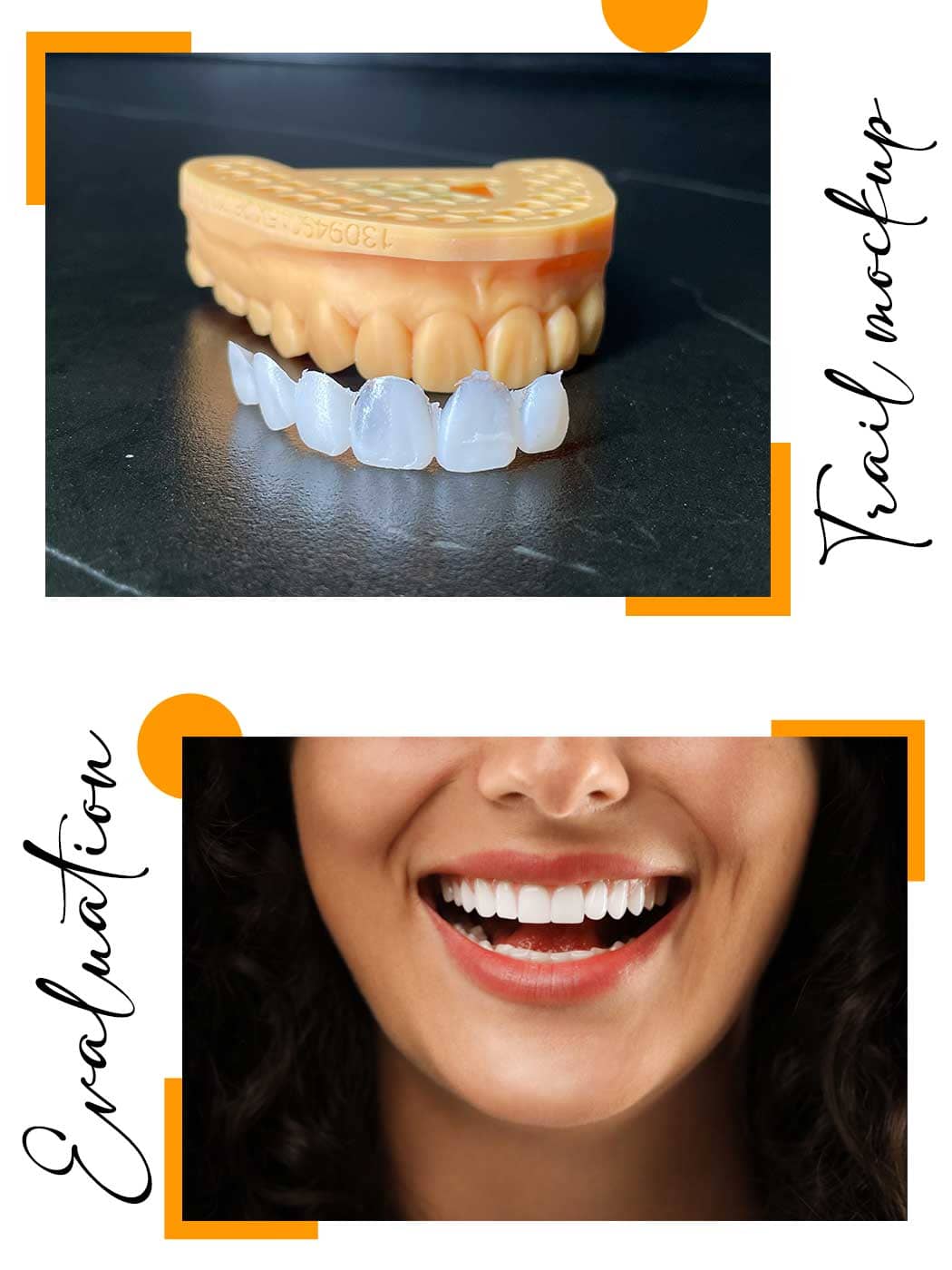
- Diagnostic Wax-Up and Mock-Up: The dental laboratory creates a physical or digital model (wax-up) of the proposed smile. In many cases, a temporary resin mock-up is placed directly in your mouth so you can test-drive the look, feel, and phonetics of your new smile.
- Preparation and Provisionalization: If veneers or crowns are chosen, teeth are minimally shaped under local anesthesia. High-quality temporary restorations are placed to protect your teeth and let you evaluate the comfort and aesthetics while permanent ceramics are crafted.
- Permanent Placement and Bonding: Once the final porcelain restorations arrive from the laboratory, they are tried in for color, fit, and bite accuracy. After your final approval, they are permanently bonded using specialized adhesive resin cements that chemically fuse the porcelain to your natural enamel and dentin.
Maintaining Your Aesthetic Investment
Protecting your new smile requires a combination of diligent daily home care and professional maintenance. Because cosmetic restorations do not decay like natural teeth, the underlying tooth structure and surrounding gum tissues remain vulnerable to periodontal disease and secondary caries if hygiene slips.
- Daily Hygiene: Brush twice daily with a non-abrasive fluoride toothpaste and clean between your teeth daily using floss or interdental brushes. Abrasive charcoal or heavy whitening toothpastes can scratch porcelain surfaces and composite resins over time.
- Nightguards for Bruxism: If you grind or clenching your teeth at night (bruxism), a custom-fitted occlusal guard is essential. Excessive grinding forces can chip porcelain or destabilize bonding agents.
- Regular Dental Visits: Schedule professional cleanings and examinations every six months. Your dentist will check the margins of your restorations, evaluate your bite, and polish composite materials if necessary to maintain their luster.
Frequently Asked Questions
How long does the entire smile design process take?
The timeline varies depending on the complexity of your case. A straightforward whitening and bonding procedure can be completed in a single visit. Comprehensive smile designs involving digital planning, gum contouring, and porcelain veneers typically require two to four weeks across two or three clinical appointments to allow the dental laboratory time to handcraft your custom restorations.
Will my new smile look fake or overly white?
Modern dental ceramics are layered to mimic the natural translucency, light reflection, and color gradient of real human teeth. A skilled cosmetic dentist will guide you in selecting a shade and shape that matches your age, facial features, and skin tone, preventing the uniform, opaque "chiclet" look associated with outdated dental work.
Are porcelain veneers painful to get?
The tooth preparation phase is performed under local anesthesia, ensuring you remain comfortable throughout the procedure. Some mild sensitivity to temperature is common for a few days after temporary or permanent restorations are placed, but this subsides quickly as the gums heal.
Can smile design fix crooked teeth instead of braces?
For mild crowding, spacing, or minor rotational issues, porcelain veneers or bonding can create the illusion of straight teeth quickly—often referred to as "instant orthodontics." However, for moderate to severe malocclusions or bite issues, true orthodontic alignment with clear aligners or braces is recommended first to preserve healthy tooth structure and long-term function.
What happens if a veneer or restoration chips or breaks?
While modern dental ceramics are exceptionally durable, they can fracture under extreme forces, such as biting into hard objects or fingernails. If a chip occurs, visit your dentist promptly. Depending on the size of the fracture, the restoration can sometimes be polished smooth or repaired with composite resin, though severe damage requires complete replacement of the affected unit.
Conclusion
Choosing the right smile design is a collaborative healthcare journey that merges precise diagnostics, structural preservation, and artistic customization. By prioritizing a thorough evaluation of your facial proportions, gum architecture, and functional bite, you can achieve a radiant, natural-looking smile that enhances your confidence and oral health. Consult with an experienced cosmetic dentist to explore your options and map out a tailored plan designed for lasting beauty and function.