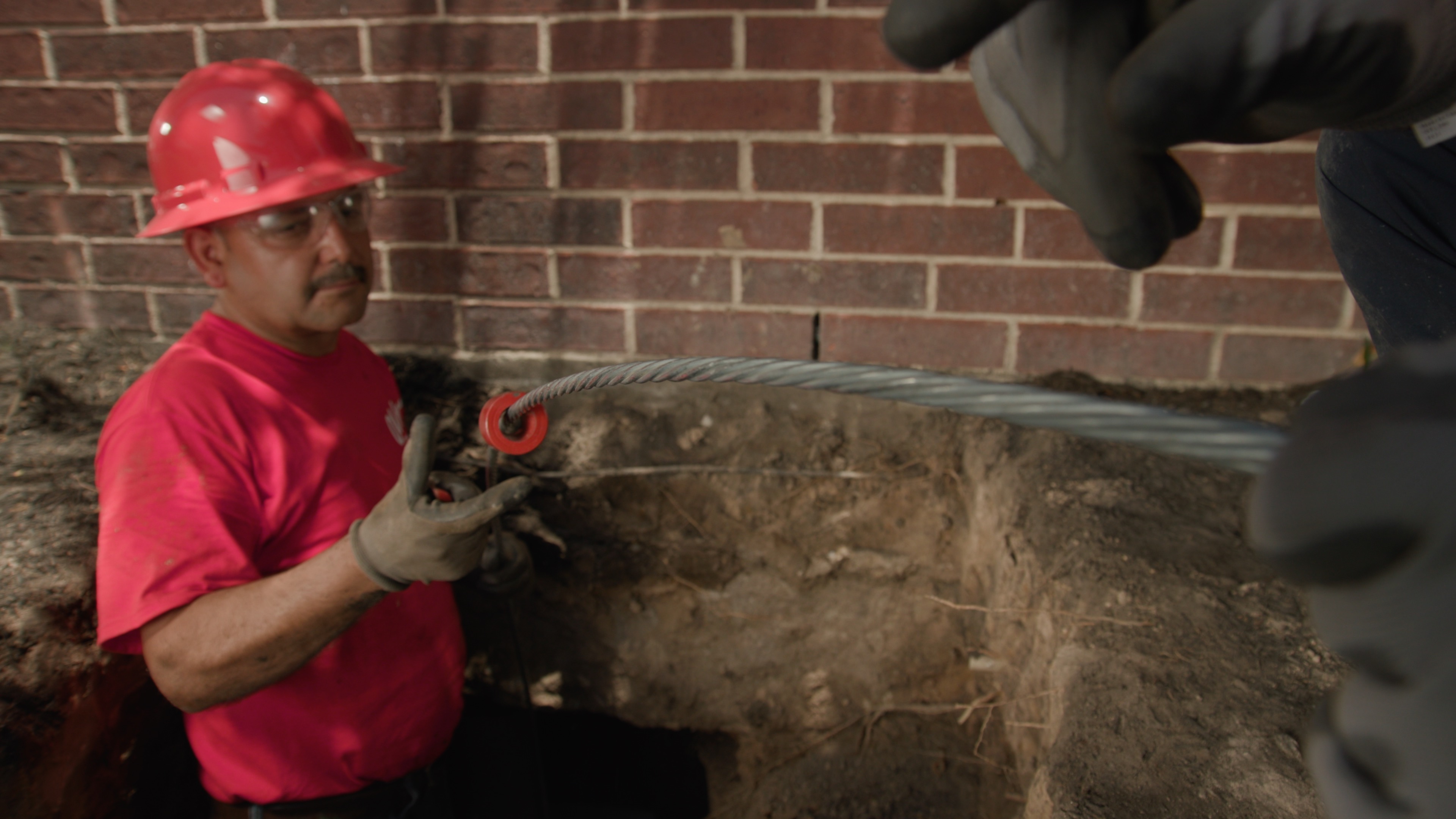
Advanced foundation repair utilizing specialized methods, such as low-pressure (LP) concrete grouting, structural steel piers, and polyurethane foam injection, requires a thorough engineering assessment of soil mechanics, load paths, and structural distress patterns. Homeowners and property managers facing severe structural settling, foundation cracks, or differential movement must evaluate structural integrity, geotechnical reports, and contractor credentials before selecting a remediation strategy.
Understanding Foundation Distress and Geotechnical Prerequisites
Before any advanced foundation repair LP or structural stabilization project can begin, property owners and engineering professionals must perform a rigorous diagnostic evaluation. Foundation failure rarely occurs in isolation; it is almost always the symptomatic result of underlying geotechnical instability, shifting soil composition, or hydrological mismanagement around the structural footprint.
Soil Mechanics and Load-Bearing Capacity
The interaction between the underlying soil strata and a building's footing dictates overall structural stability. Cohesive soils, such as expansive clay, swell significantly when saturated and shrink dramatically during dry periods. This volumetric fluctuation exerts immense cyclic pressure against foundation walls and creates voids beneath grade slabs. Conversely, non-cohesive granular soils like loose sand or silt can compact or wash away under heavy hydraulic pressure, causing uneven settlement.
Engineers utilize geotechnical site investigations—including soil borings, dynamic cone penetrometer tests, and moisture content analysis—to determine the load-bearing capacity of the earth. Understanding these parameters is a mandatory prerequisite for advanced foundation repair LP operations, ensuring that remediation forces are transferred deep into competent strata rather than resting on unstable upper soils.
Identifying Diagnostic Distress Indicators
Recognizing the early and advanced warning signs of structural distress allows property owners to intervene before catastrophic failure occurs. While minor hairline shrinkage cracks are common in curing concrete, dynamic structural cracks signal active movement. Key indicators include:
- Diagonal Shear Cracks: Cracks extending from the corners of doors and windows at a 45-degree angle, indicating differential corner settlement.
- Sticking Openings: Doors and windows that bind, jam, or fail to latch properly due to skewed framing.
- Wall Rotation: Basement or stem walls bowing inward or tilting outward under lateral hydrostatic or soil pressures.
- Separation: Gaps appearing between exterior brick facades, chimney structures, and the main building frame.
Core Engineering Methods in Advanced Foundation Repair
Modern foundation stabilization relies on an array of highly engineered mechanical and chemical interventions. Choosing the correct methodology depends entirely on the structure's foundation type—whether a monolithic slab-on-grade, crawlspace stem wall, or full basement—and the depth of the competent load-bearing strata.
Structural Steel Push Piers and Helical Piers
For structures experiencing major vertical settlement, deep foundation underpinning is the gold standard.
- Push Piers: Heavy-duty steel tubes or box sections are hydraulically driven deep into the ground using the weight of the structure as resistance until they reach stable bedrock or load-bearing strata. Once verified, foundation brackets are attached, and hydraulic jacks lift the structure back toward its original elevation.
- Helical Piers: Featuring one or more steel helix plates welded to a central shaft, these piers are screwed into the soil using torque-monitored drive motors. They provide immediate structural support in both tension and compression applications, making them ideal for lightweight or fluctuating load structures.
Low-Pressure (LP) Grouting and Slab Jacking
When concrete slabs or shallow footings settle due to sub-base erosion or soil consolidation, grouting techniques offer an effective stabilization pathway. Low-pressure polyurethane foam injection or cementitious grout pumping fills subterranean voids and compacts loose soils without introducing destructive pressures that could crack existing concrete.
| Remediation Method | Primary Application | Load Transfer Mechanism | Typical Execution Time |
|---|---|---|---|
| Steel Push Piers | Sinking foundations, settling corners | End-bearing on bedrock/load strata | 2 to 5 days |
| Helical Piers | Settling structures, porches, chimneys | Torque-derived skin friction and end-bearing | 1 to 3 days |
| LP Polyurethane Injection | Sinking slabs, void filling, concrete lifting | Sub-base compaction and buoyant lift | 1 day or less |
| Carbon Fiber Stitching | Structural wall cracks, bowing masonry | Tensile surface bridging | 1 to 2 days |
Step-by-Step Execution of Advanced Foundation Projects
Executing a major structural repair project requires strict adherence to engineering specifications, safety protocols, and local building codes. Skipping procedural phases compromises the long-term viability of the repair and can exacerbate structural damage.
1. Engineering Assessment and Permit Acquisition
The process begins with a licensed structural engineer or geotechnical firm evaluating the property. The engineer drafts a stamped repair plan detailing pier placement, load calculations, and injection parameters. Contractors must submit these plans to local municipal building departments to secure the necessary construction permits before breaking ground.
2. Site Preparation and Utility Location
Prior to excavation or drilling, all underground utility lines must be marked via public locator services (such as 811 in the United States) to prevent dangerous utility strikes. Crews clear landscaping, decks, or interior flooring obstructions immediately adjacent to the work zones to allow heavy machinery, drilling rigs, or pumping equipment unhindered access.
3. Installation and Lifting Phase
Crews excavate small access pits at designated pier locations along the exterior or interior footings. Brackets are bolted to the footing, and driving equipment is secured. For LP grouting and slab lifting, small injection holes (typically 5/8-inch to 3/8-inch in diameter) are drilled directly through the concrete slab. Material is injected under controlled pressure until laser levels confirm the slab has returned to grade.
4. Post-Repair Verification and Site Restoration
Once structural loads are successfully transferred to the deep piers or stabilized sub-base, the engineer performs a final inspection. Access pits are backfilled and compacted, excavated soil is graded away from the foundation to ensure positive drainage, and concrete flatwork or interior flooring is patched and finished.
Comparative Analysis of Foundation Stabilization Materials
Selecting the right material for void filling, crack injection, or lifting impacts both structural longevity and financial outlay. Property owners must weigh the physical properties of each medium.
- Soil Sub-Base Failure or Void
- Granular / Washout Void -> LP Polyurethane Foam (Expands & Seals)
- Major Structural Settlement -> Hydraulic Steel Piers (Reaches Bedrock)
- Non-Moving Wall Cracks -> Epoxy / Carbon Fiber Stitching
Polyurethane Foam vs. Traditional Mudjacking
Traditional mudjacking utilizes a heavy slurry of water, sand, and cement pumped beneath a slab. While economical, it adds significant weight to already compromised soils and has a large particle size that cannot penetrate micro-voids. In contrast, high-density polyurethane foam expands rapidly upon chemical reaction, driving out residual moisture, sealing cracks from the underside, and weighing a fraction of cementitious grout while providing superior compressive strength.
Steel vs. Concrete Piers
Precast concrete friction piles have historically been used for underpinning, but they lack adjustability and can fracture under driving stress in shifting soils. Engineered structural steel piers offer higher ultimate load capacities, superior corrosion protection (via galvanized or epoxy coatings), and the unique capability to be load-tested during installation.
Cost Factors, Economic Considerations, and Risk Management
Foundation repair is a capital-intensive home improvement project that directly influences property value, insurability, and marketability. Understanding the cost drivers helps homeowners budget effectively and vet contractor proposals.
Primary Cost Drivers
- Extent of Damage: Minor localized settlement requires fewer piers or injection points than catastrophic whole-house differential settlement.
- Depth to Stable Strata: If bedrock or load-bearing soil sits deep beneath the surface, longer pier segments and extended drilling times increase labor and material costs.
- Accessibility: Interior installations, tight side yards, or obstructions like finished basements and porches require specialized compact equipment and manual labor, raising project expenses.
- Engineering Fees: Independent structural engineer consultations, site testing reports, and municipal permits add administrative and professional fees to the base construction contract.
Risk Management and Warranty Protection
Reputable foundation repair contractors back their structural work with robust, often transferable warranties. Homeowners should verify whether a warranty covers only materials or includes labor, and whether it protects against future settlement or just manufacturing defects. Furthermore, checking contractor licensing, general liability insurance, and worker's compensation coverage protects the property owner from liability during high-risk excavation and lifting operations.
Frequently Asked Questions
What are the primary signs that a home requires advanced foundation repair?
Key warning indicators include stair-step cracks in brick mortar, doors and windows that stick or fail to close, drywall cracks radiating from window frames, and uneven or sloping interior floors. A professional structural engineering assessment is required to confirm whether these symptoms stem from superficial settling or severe foundation failure.
How does low-pressure (LP) polyurethane foam injection work for concrete leveling?
LP polyurethane foam injection involves drilling small holes through a sunken concrete slab and pumping expanding structural polymers into the void beneath. The expanding foam displaces trapped moisture, compacts loose sub-base soils, and lifts the concrete back to its original grade with high precision and minimal disruption.
Can foundation repairs be performed during the winter months?
Yes, most advanced foundation repair methods—including steel pier installation and polyurethane foam injection—can be executed year-round. Sub-grade work is largely unaffected by surface weather conditions, though extreme freezing temperatures may require special precautions for concrete patching and exterior masonry work.
How long do steel pier foundation stabilization systems last?
Engineered structural steel push piers and helical piers are typically designed to last the lifetime of the structure. High-grade galvanized or epoxy-coated steel resists corrosion in aggressive soil environments, and once load is successfully transferred to stable strata, further settlement is permanently halted.
Will homeowners insurance cover the cost of advanced foundation repair?
Standard homeowners insurance policies generally exclude coverage for foundation damage caused by normal settling, soil expansion, poor maintenance, or earth movement. Coverage is typically only triggered if the foundation failure is a direct result of a covered peril, such as a sudden plumbing leak that washes out sub-slab soils.
Conclusion and Recommended Next Actions
Addressing structural distress promptly prevents minor settlement from escalating into total structural failure. Property owners suspecting foundation issues should first commission an independent structural engineer to diagnose the root cause and draft a remediation specification. Following this, obtain multiple bids from certified contractors specializing in advanced foundation repair LP and deep pier systems, ensuring all proposals align with engineering requirements and include comprehensive warranty protection.