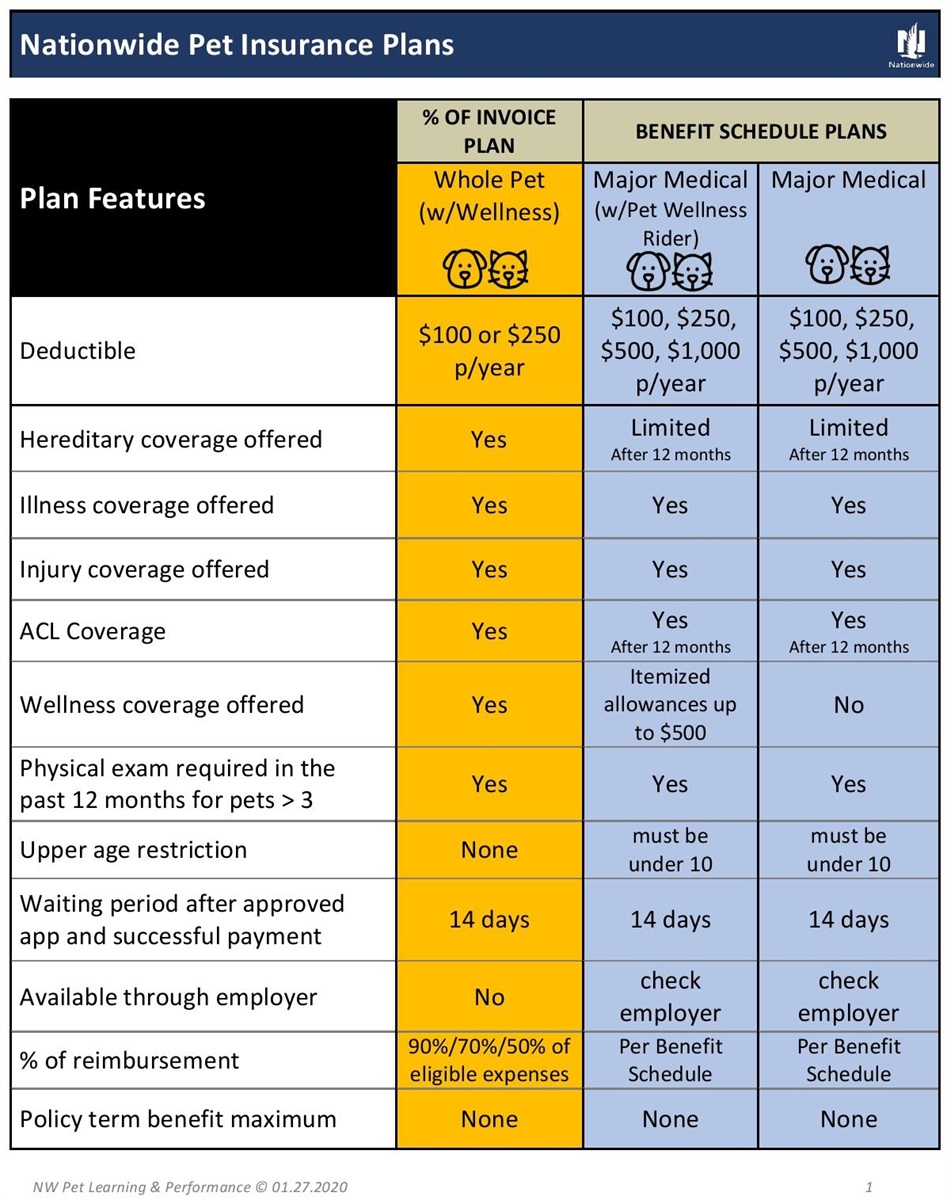
It is a common misconception that you can directly add pet insurance as an endorsement or rider to an existing Nationwide auto insurance policy. In reality, Nationwide manages its pet insurance and auto insurance products as entirely separate business units with distinct underwriting processes, regulatory requirements, and policy structures. You cannot "bundle" them in the traditional sense of adding a line item to your car insurance premium; however, you can hold both policies simultaneously and manage them through the provider's ecosystem.
Clarifying the Relationship Between Nationwide Auto and Pet Coverage
When consumers look for ways to streamline their insurance, they often hope to simplify their finances by grouping diverse risks under a single umbrella policy. Nationwide, a multifaceted financial services organization, provides both automobile insurance and pet health insurance. Because these two products serve fundamentally different functions—one covering third-party liability and vehicle damage, the other covering veterinary medical expenses—they are governed by different sets of state insurance regulations.
Under standard insurance law in most jurisdictions, auto insurance is a property and casualty (P&C) product, while pet insurance is classified as an accident and health product. Because of these distinct classifications, insurance carriers are generally required to issue separate policy contracts for each. Consequently, you will not find a "pet insurance" button in the "Add Coverage" section of your auto insurance dashboard. Instead, you must apply for a separate pet insurance policy, even if you are an existing customer for your vehicle or home coverage.
The Operational Reality: Why They Are Separate
The primary reason for this separation is the variance in risk assessment. Auto insurance premiums are determined by factors such as driving history, vehicle type, annual mileage, and geographic risk zones. Pet insurance, by contrast, is determined by the animal's age, breed, species, and the current veterinary costs in your specific zip code.
Because these data points do not overlap, keeping the policies separate allows for more accurate actuarial science. If an insurer were to mix these risks, the complexity of calculating an accurate premium would become unmanageable. Furthermore, claims handling for a collision repair is processed by automotive adjusters, whereas claims for a pet’s surgical procedure are processed by veterinary medical specialists. By keeping these systems separate, Nationwide ensures that the specific expertise required for each type of claim is available to the policyholder.
Exploring the Benefits of Insuring with One Carrier
While you cannot technically add pet insurance to your auto policy as a coverage extension, there are still logistical advantages to maintaining both with Nationwide.
Streamlined Account Management
Even though the policies are legally distinct, having them under the same corporate umbrella often allows users to access them through a unified portal. You may be able to use a single set of login credentials to view your auto, home, and pet insurance documents. This reduces the administrative burden of tracking disparate insurance companies and their respective websites.
Potential Multi-Policy Discounts
One of the most significant reasons policyholders seek to combine coverages is the potential for discounts. While pet insurance typically does not qualify for the same "multi-car" or "home and auto" discount structures that are standard in the industry, maintaining multiple policies with the same provider can sometimes influence your "customer loyalty" profile. It is worth contacting a representative to verify if your existing auto coverage with Nationwide grants any special eligibility for the pet insurance enrollment process.
Assessing Your Needs: When to Opt for Pet Insurance
Before you decide to move forward with a pet insurance policy, it is essential to understand exactly what coverage looks like. Unlike auto insurance, which is legally mandated in nearly all jurisdictions, pet insurance is an elective financial tool designed to offset the rising costs of veterinary medicine.
Veterinary Cost Analysis
As of 2026, the cost of veterinary care has continued to rise due to advanced medical technologies and specialized treatment options. A standard policy typically covers accidents, illnesses, and hereditary conditions. However, most standard policies do not cover pre-existing conditions. This is a critical distinction from auto insurance; if your car is already damaged, you might find an insurer willing to cover future repairs, but if your pet has a chronic condition, it will likely be excluded from coverage.
Coverage Comparison Table: Auto vs. Pet
To better understand the differences, consider the following comparison of policy mechanics:
| Feature | Nationwide Auto Insurance | Nationwide Pet Insurance |
|---|---|---|
| Primary Goal | Liability & Vehicle Repair | Veterinary Medical Expenses |
| Legal Status | Legally Mandated (Most States) | Optional/Elective |
| Premiums | Based on Driving & Vehicle Data | Based on Breed, Age, & Location |
| Deductibles | Per Occurrence/Event | Often Annual or Per Incident |
| Pre-existing Rules | Generally Not Applicable | Strict Exclusion of Pre-existing |
| Regulatory Field | Property & Casualty | Accident & Health |
Step-by-Step Enrollment Process
Since you cannot modify your auto policy to include a pet, you must initiate a new application. Follow these steps to secure coverage for your animal companion:
- Gather Pet Information: Have your pet’s medical records ready, including their age, breed, and any known health history.
- Verify Eligibility: Visit the Nationwide Pet Insurance portal. Confirm that your pet meets the age and breed requirements for the specific plans available in your state.
- Obtain a Quote: Use the online quoting tool. You will need to provide your zip code, which is the primary factor in determining your premium based on local veterinary costs.
- Review the Fine Print: Unlike auto insurance, where coverage terms are often standardized by state regulation, pet insurance policies vary significantly in their exclusions. Pay close attention to waiting periods for illnesses and accidents.
- Finalize the Policy: Once you select your plan, you will complete the enrollment. You will receive a separate policy number and declarations page for your pet, distinct from your auto policy.
Common Mistakes to Avoid
Many policyholders make assumptions that lead to coverage gaps. Avoid the following pitfalls:
- Assuming Multi-Policy Discounts: Do not assume that adding pet insurance will automatically lower your auto insurance premium. Always ask for a written confirmation of any potential savings before switching providers for the sake of a bundle.
- Ignoring Waiting Periods: Almost all pet insurance policies have a waiting period (often 14 days or more) before coverage kicks in. Do not wait until your pet is already sick to apply, as any condition diagnosed during the waiting period will be classified as a pre-existing condition and will not be covered.
- Confusing Liability Coverage: Some owners mistakenly believe that their pet insurance will cover them if their dog bites someone or damages property. While pet insurance covers the pet's health, it does not provide liability coverage for damages the pet causes to others. That type of coverage is typically found under a homeowners or renters insurance policy, not an auto policy.
Frequently Asked Questions
Can I bundle pet insurance with my Nationwide auto policy for a discount?
In most cases, no. Nationwide treats pet insurance as a separate line of business. While having multiple policies with the company is convenient for management, it does not function as a traditional bundle that reduces the premiums of your car insurance.
Is pet insurance legally required like auto insurance?
No. Auto insurance is required by law because vehicles pose a risk to public safety and infrastructure. Pet insurance is a private health product designed to help owners manage personal financial risk regarding their animal’s medical care.
Does my Nationwide auto insurance cover my pet if they are injured in a car accident?
This is a complex area. Generally, auto insurance covers damage to the vehicle and liability for injuries to people. Some modern policies include small "pet injury" clauses, but these are rare and limited in scope. It is safer to rely on a dedicated pet health insurance policy for medical treatment.
Will my pet insurance premium increase as my pet ages?
Yes. Unlike many auto policies where premiums might stabilize, pet insurance premiums are highly correlated with the pet's age. As your pet gets older and the statistical likelihood of illness increases, your premium will naturally adjust upward.
What should I look for in a policy if I already have auto insurance with the same company?
Look for "ease of administration." If the provider allows you to view both policies in the same web portal, that is an advantage. However, prioritize the coverage limits and reimbursement percentages of the pet policy over the convenience of the billing platform.
Final Recommendations
If your primary goal is to provide comprehensive protection for your pet, focus on the quality and scope of the pet insurance plan rather than finding a way to attach it to your car insurance. Assess your pet's health, expected lifetime medical costs, and your ability to cover emergency veterinary bills out-of-pocket. Once you identify the right plan, treat it as a dedicated financial product. For the most accurate and up-to-date information regarding your specific policy or potential eligibility for loyalty-based discounts, log into your personal Nationwide account portal or speak with a licensed agent directly. Ensure you review the "Summary of Benefits" for any pet policy, as this document outlines the exact limitations that do not apply to your auto coverage.