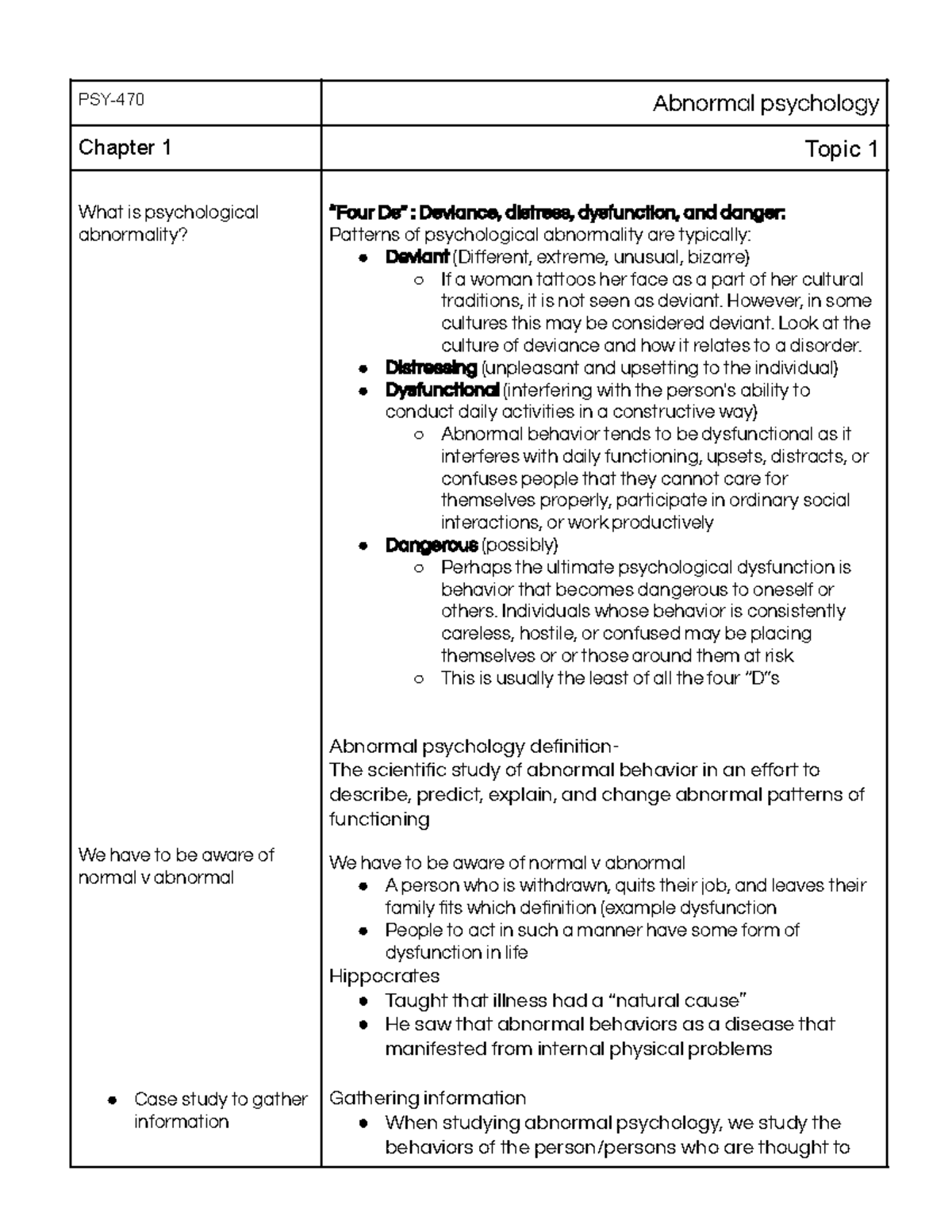
An abnormal psychology online class explores the scientific study of mental disorders, psychological distress, and atypical behavior patterns. Enrolling in a digital format requires understanding foundational prerequisites, technical setups, curriculum structures, clinical limitations, and strategies for managing independent coursework successfully.
Understanding the Scope of Abnormal Psychology
Abnormal psychology forms a cornerstone of undergraduate and graduate psychology curricula. It bridges general psychology, neuroscience, clinical practice, and social work. Enrolling in an online class covering this subject means examining how researchers and clinicians define, classify, treat, and understand psychological disorders.
Unlike introductory psychology, which sweeps broadly across cognitive processes, developmental stages, and social interactions, abnormal psychology narrows its focus. It investigates behavioral anomalies, mood disorders, anxiety conditions, psychotic disorders, personality structures, and neurodevelopmental challenges. When delivered through an online platform, this discipline relies heavily on multimedia case studies, asynchronous discussion boards, digital assessment tools, and virtual lectures. Students must navigate complex diagnostic criteria, primarily referencing established classification systems like the Diagnostic and Statistical Manual of Mental Disorders (DSM-5-TR), while maintaining academic rigor without a physical classroom environment.
Academic Prerequisites and Technical Requirements
Before registering for an online psychology course, students must evaluate their readiness regarding foundational knowledge and digital infrastructure. Most accredited colleges and universities enforce specific prerequisites to ensure participants can handle advanced behavioral science concepts.
Prerequisite Frameworks
- General Psychology: A prerequisite introductory course is almost universally required. Students need a baseline understanding of biological psychology, memory systems, learning theories, and basic research methodologies before analyzing pathology.
- Biological Science Foundations: Courses touching heavily on neurobiology, anatomy, or basic physiological psychology provide a distinct advantage when studying the biological underpinnings of mental health disorders.
- Academic Writing Skills: Because online classes frequently use written discussion boards, reflection papers, and literature reviews, strong reading comprehension and writing mechanics are mandatory.
Technical Specifications
- Learning Management Systems (LMS): Institutions typically utilize platforms like Canvas, Blackboard, or Moodle. Familiarity with these environments ensures smooth navigation of assignment dropboxes and gradebooks.
- Hardware and Connectivity: A reliable broadband internet connection is essential for streaming lecture videos, participating in synchronous webinars, and accessing digital textbooks.
- Proctoring Software: Many accredited online classes require remote proctoring tools, such as HonorLock or Proctorio, necessitating a functioning webcam, microphone, and a secure browser environment.
Curriculum Structure and Core Topics
A standard syllabus for a digital abnormal psychology course spans a full semester (14 to 16 weeks) or an accelerated term (6 to 8 weeks). The curriculum is generally divided into theoretical foundations, specific diagnostic categories, and treatment methodologies.
Theoretical Foundations and Historical Context
Students begin by examining how society has historically viewed mental illness, moving from early supernatural and demonological models to modern medical, biopsychosocial, and diathesis-stress paradigms. Understanding the biopsychosocial model is vital, as it frames subsequent lessons by demonstrating how biological predispositions, psychological processing, and social-cultural environments interact to produce psychological distress.
Major Diagnostic Categories Covered
The core of the syllabus addresses distinct psychological classifications. Digital modules break these down systematically:
- Anxiety and Obsessive-Compulsive Disorders: Generalized anxiety, panic disorder, phobias, and OCD.
- Depressive and Bipolar Disorders: Major depressive disorder, persistent depressive disorder, and bipolar I and II.
- Schizophrenia Spectrum and Other Psychotic Disorders: Positive and negative symptoms, delusions, hallucinations, and neurodevelopmental trajectories.
- Personality Disorders: Grouped into clusters (A, B, and C), examining enduring patterns of inner experience and behavior.
- Trauma- and Stressor-Related Disorders: Post-traumatic stress disorder (PTSD) and acute stress reactions.
Comparison of Delivery Formats: Online Versus Traditional Classes
Choosing between an online environment and a traditional, face-to-face lecture hall depends on individual learning styles, scheduling constraints, and personal discipline. The table below outlines key operational differences.
| Feature | Synchronous Online Class | Asynchronous Online Class | Traditional On-Campus Class |
|---|---|---|---|
| Scheduling | Fixed meeting times via video conferencing; flexible location. | Entirely flexible; deadlines managed within weekly windows. | Fixed meeting times and fixed physical location. |
| Interaction Style | Live chat, breakout rooms, and verbal discussions with peers. | Discussion boards, email communication, and recorded lectures. | In-person lectures, immediate Q&A, and group work. |
| Pacing | Controlled by the instructor week-to-week. | Self-paced within strict syllabus deadlines. | Controlled strictly by the academic calendar. |
| Self-Discipline Needed | Moderate; attendance is mandatory at set times. | High; requires proactive time management and independent study. | Low-to-Moderate; physical presence enforces routine. |
Assessing Costs, Accreditation, and Credit Transfer
Financial planning requires examining tuition structures, digital course fees, and accreditation status. Enrolling in unaccredited platforms may yield certificates of completion, but these rarely count toward a degree program or professional licensing prerequisite.
Accreditation Verification
Students seeking to fulfill degree requirements or prerequisites for graduate programs (such as master's counseling, social work, or clinical psychology tracks) must ensure the offering institution holds regional accreditation. Recognized regional accrediting bodies in the United States include agencies like the Higher Learning Commission (HLC) or the Middle States Commission on Higher Education (MSCHE). Credits earned from regionally accredited institutions transfer far more reliably than those from unaccredited or purely vocational certificate mills.
Cost Considerations
- Tuition Rates: Public universities often charge per credit hour, with differential tuition rates for out-of-state residents taking online courses. Private institutions may charge a flat rate regardless of residency.
- Material Fees: Online classes frequently require access codes for digital homework platforms (such as Macmillan Learning or Cengage MindTap) and electronic textbook rentals, which can add $100 to $250 per course.
Clinical Limitations and Ethical Considerations
Studying abnormal psychology online exposes students to sensitive clinical concepts, diagnostic classifications, and human suffering. It is essential to understand the ethical boundaries of academic study versus professional practice.
The "Student Syndrome" Phenomenon
A common psychological phenomenon observed in abnormal psychology classes is the tendency for students to self-diagnose or diagnose friends and family members with disorders they read about in the syllabus. Instructors emphasize that academic familiarity with diagnostic criteria does not qualify an undergraduate or uncertified student to conduct clinical evaluations. Professional diagnosis requires supervised clinical training, standardized psychometric testing, and extensive graduate-level education.
Ethical Treatment of Human Data and Case Studies
Courses often utilize clinical case studies, video vignettes of real patients, and diagnostic interviews. Students must respect client confidentiality, understand the ethical guidelines set by organizations like the American Psychological Association (APA), and maintain professional objectivity when discussing stigmatized conditions.
Strategies for Academic Success in a Digital Psychology Course
Succeeding in an online behavioral science class requires active engagement strategies that compensate for the absence of a physical lecture hall.
- Establish a Routine: Designate specific blocks of time each week for reading textbook chapters, watching recorded lectures, and drafting discussion board responses. Procrastination severely impacts performance in fast-paced online modules.
- Engage Deeply with Discussion Boards: Treat online discussion forums as interactive seminars. Rather than posting minimal requirements, synthesize course readings with real-world observations or empirical research to deepen peer engagement.
- Utilize Multimedia Resources: Supplement assigned readings with reputable psychiatric journals, academic podcasts, and clinical documentaries to visualize theoretical concepts in practice.
- Communicate Proactively with Instructors: Virtual office hours via Zoom or Microsoft Teams offer direct access to professors. Reach out early if complex diagnostic criteria or biological mechanisms require clarification.
Frequently Asked Questions
Can I complete an entire psychology degree online?
Yes. Many accredited universities offer fully online bachelor's and master's degrees in psychology. An abnormal psychology class is typically a mandatory core requirement within these online degree pathways, and it transfers seamlessly if taken through an accredited institution.
Are online abnormal psychology classes harder than in-person classes?
The academic rigor and textbook content remain identical. However, online classes require significantly higher levels of self-motivation, independent reading comprehension, and written communication skills because much of the interaction occurs asynchronously through text-based platforms.
Do I need a webcam for my online psychology class?
Many online classes require a webcam for remote proctoring during major examinations and quizzes. Instructors may also require video participation during synchronous seminar discussions or virtual group projects.
How are exams administered in digital psychology courses?
Examinations are typically administered through the institution's learning management system. Instructors may use timed quizzes, essay-based assessments, open-book research projects, or automated proctoring software that monitors browser activity and webcam footage to ensure academic integrity.
Can I become a therapist with an online psychology bachelor's degree?
No. A bachelor's degree in psychology—whether earned online or on campus—qualifies graduates for entry-level human services positions, but practicing as a licensed therapist, counselor, or clinical psychologist requires a graduate degree (master's or doctorate) alongside supervised clinical hours and state licensure examinations.
Next Actions for Prospective Students
To begin your journey in abnormal psychology, first verify your chosen institution's regional accreditation and ensure you have completed any required introductory psychology prerequisites. Review the course syllabus for required software platforms and textbook access codes well before the term begins. Contact an academic advisor to confirm how the credits will apply toward your degree path or professional goals, and organize your weekly schedule to accommodate heavy reading and writing loads.