The disappearance of iconic 90s brands resulted from a perfect storm of rapid digital disruption, aggressive corporate consolidation, and shifting consumer preferences. While many of these entities defined the cultural and economic landscape of the decade, they failed to navigate the transition into the high-speed, internet-centric economy of the 21st century.
The 1990s represented a unique era of consumerism—a bridge between the analog past and the digital future. It was a decade defined by the birth of the World Wide Web, the height of the shopping mall culture, and a boom in experimental consumer goods. However, as we look back from 2026, many of the names that once adorned every street corner and television commercial have vanished. Understanding why these brands failed is not just a lesson in nostalgia; it provides a technical roadmap of how market leaders can be unseated by failing to adapt to technological shifts and changing logistics.
The Digital Erasure: How the Internet Claimed Tech Pioneers
The most dramatic exits from the marketplace occurred within the technology sector. In the 90s, "going online" was a deliberate, often noisy process involving modems and specific software. The brands that facilitated this entry point were once household names, yet they were the first to fall when the infrastructure they helped build evolved beyond their capabilities.
Netscape: The Gateway to the World Wide Web
In 1994, Netscape Navigator was the undisputed king of the internet, holding over 90% of the browser market share at its peak. It was the primary tool through which the general public first experienced the World Wide Web. However, the "Browser Wars" of the late 90s saw Microsoft bundle Internet Explorer with the Windows operating system. This move effectively throttled Netscape’s growth. Despite an acquisition by AOL in 1999, the brand could not maintain its technical edge. By the mid-2000s, the brand was largely defunct, leaving behind the legacy of JavaScript and the SSL protocol, which still underpin the modern web in 2026.
Gateway: The Cow-Print Box Era
Gateway 2000 (later just Gateway) was the quintessential 90s computer brand. Known for its distinctive Holstein cow-patterned shipping boxes, Gateway became a Fortune 500 company by selling built-to-order PCs directly to consumers. Their strategy of opening "Gateway Country" stores—physical locations where customers could try computers before ordering—initially seemed revolutionary. However, the high overhead of these retail locations, combined with fierce price competition from Dell and the rise of mobile computing, led to a steady decline. Gateway was eventually acquired by Acer in 2007. While the name is occasionally used for budget laptops today, the original American hardware powerhouse that dominated the 90s home office is long gone.
The Retail Collapse: From Mall Staples to Memories
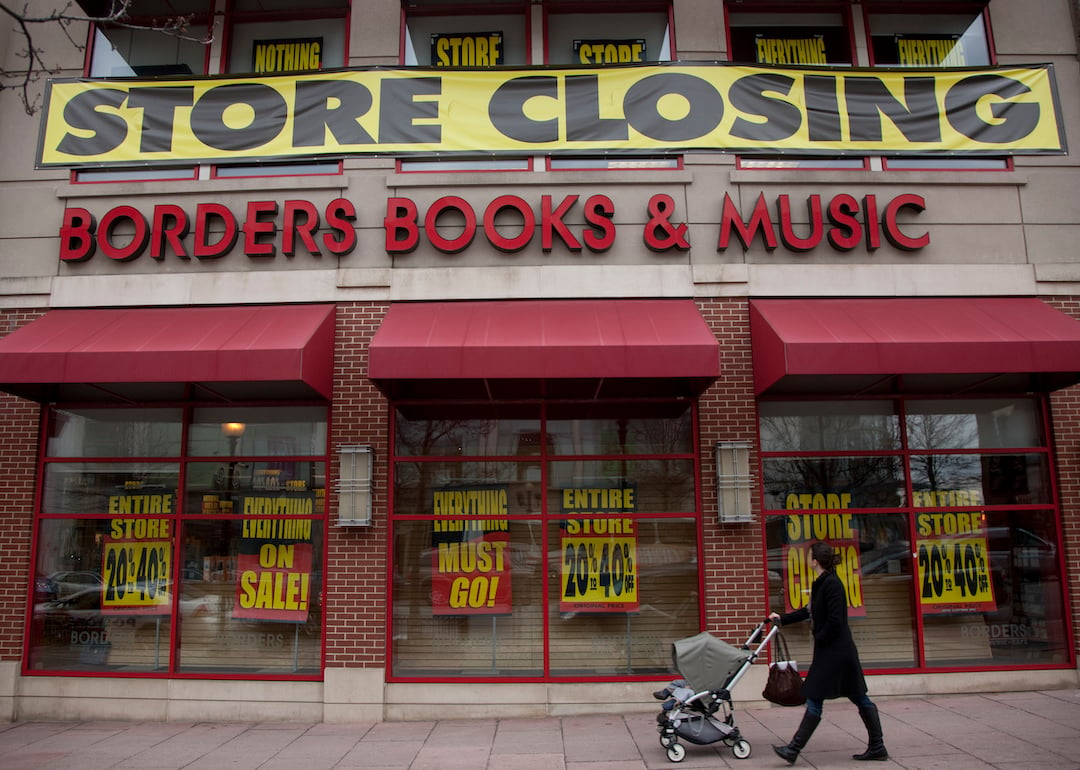
The 1990s was the golden age of the American shopping mall. Specialty retailers catered to highly specific demographics, creating "destination" stores that offered more than just products—they offered an identity. As consumer habits shifted toward e-commerce and "fast fashion," these specialized retailers struggled to justify their massive physical footprints.
Limited Too: The Pre-Teen Fashion Authority
For young girls in the 90s, Limited Too was more than a clothing store; it was a cultural hub. Specializing in glittery apparel, inflatable furniture, and lifestyle accessories, it dominated the "tween" market. The brand was a subsidiary of The Limited (now L Brands). As the market evolved, the parent company decided to pivot. In 2008, the majority of Limited Too locations were rebranded as "Justice," which targeted a similar demographic but with a different pricing and aesthetic strategy. While there have been minor "heritage" revivals in recent years, the expansive, neon-lit mall presence of the 90s Limited Too is a relic of the past.
Warner Bros. Studio Store: Entertainment Retail
Before the Disney Store became the primary survivor of entertainment retail, the Warner Bros. Studio Store was a high-end competitor. These stores were architectural marvels, often featuring multi-story statues of Looney Tunes characters and interactive displays. They represented the 90s trend of "shoppertainment." Following the merger of AOL and Time Warner, the company began closing the stores in 2001, citing a need to focus on core media businesses. The loss of these physical touchpoints marked the end of an era where movie studios maintained high-street retail presences to promote their intellectual property.
The Beverage Graveyard: Experimental Flavors and Failed Fads
The 90s beverage industry was characterized by "extreme" marketing and clear-colored variations of established products. While some experiments succeeded, many ended up in the graveyard of failed consumer goods, often due to high production costs or a lack of repeat purchase interest once the novelty wore off.
Orbitz: The Drink with Floating Balls
Launched in 1997 by the Clearly Canadian Beverage Corporation, Orbitz was a non-carbonated fruit-flavored beverage containing small, floating edible gellan gum pearls. It looked like a lava lamp and was marketed as a "texturally enhanced" drink. Despite the initial hype, consumers found the flavor underwhelming and the texture off-putting. The product was discontinued within a year. It remains one of the most cited examples of 90s marketing hubris—prioritizing visual novelty over actual product quality.
Zima: The Clear Alternative
Zima Clearmalt arrived in 1993, tapping into the "clear craze" (similar to Crystal Pepsi). It was an alternative to beer, marketed with the catchphrase "Zomething different." While it enjoyed significant popularity in the mid-90s, it struggled with an identity crisis and a declining male demographic. While it remained popular in Japan for much longer, it was officially discontinued in the United States in 2008. Though Coors has occasionally released limited-edition "nostalgia" batches, the brand no longer exists as a permanent fixture on liquor store shelves.
The Home Entertainment Shift: The Death of Physical Media Brands
Perhaps no brand's disappearance is more synonymous with the end of the 90s than Blockbuster Video. The logistics of home entertainment underwent a total transformation between 1995 and 2015, moving from physical tape rentals to digital streaming.
Blockbuster: A Lesson in Disruption
At its peak in 2004, Blockbuster had over 9,000 stores globally. During the 90s, it was the gatekeeper of what families watched on Friday nights. The brand's downfall is a textbook study in "The Innovator's Dilemma." Blockbuster famously had the opportunity to purchase a struggling Netflix for $50 million in 2000 but declined. By the time Blockbuster launched its own mail-order and streaming services, it was too late. The company filed for bankruptcy in 2010. Today, only one franchised store remains in Bend, Oregon, serving more as a living museum than a viable business model.
Tower Records: The Loss of the Record Store Culture
Tower Records was the cathedral of music in the 1990s. Its "No Music, No Life" slogan and massive inventories made it a staple in major cities. However, the rise of the MP3 format and the launch of the iTunes Store in 2003 decimated the margins for physical record stores. Tower Records filed for bankruptcy and liquidated its US operations in 2006. The brand still exists in Japan under different ownership, but its presence as a global music powerhouse ended with the 90s.
Comparison of Major 90s Brand Departures
The following table outlines the primary reasons for the disappearance of major 90s brands and their status as of 2026.
| Brand Name | Primary Industry | Peak Year (Approx.) | Primary Reason for Failure | Current Status (2026) |
|---|---|---|---|---|
| Netscape | Software/Tech | 1996 | Competitive pressure from Microsoft | Defunct; code lives on in Firefox |
| Blockbuster | Entertainment | 2004 | Failure to adapt to digital streaming | One legacy location in Oregon |
| Gateway | Hardware | 1999 | High retail overhead; price wars | Brand name owned by Acer |
| Limited Too | Retail/Fashion | 2001 | Corporate rebranding/market shift | Mostly absorbed into "Justice" |
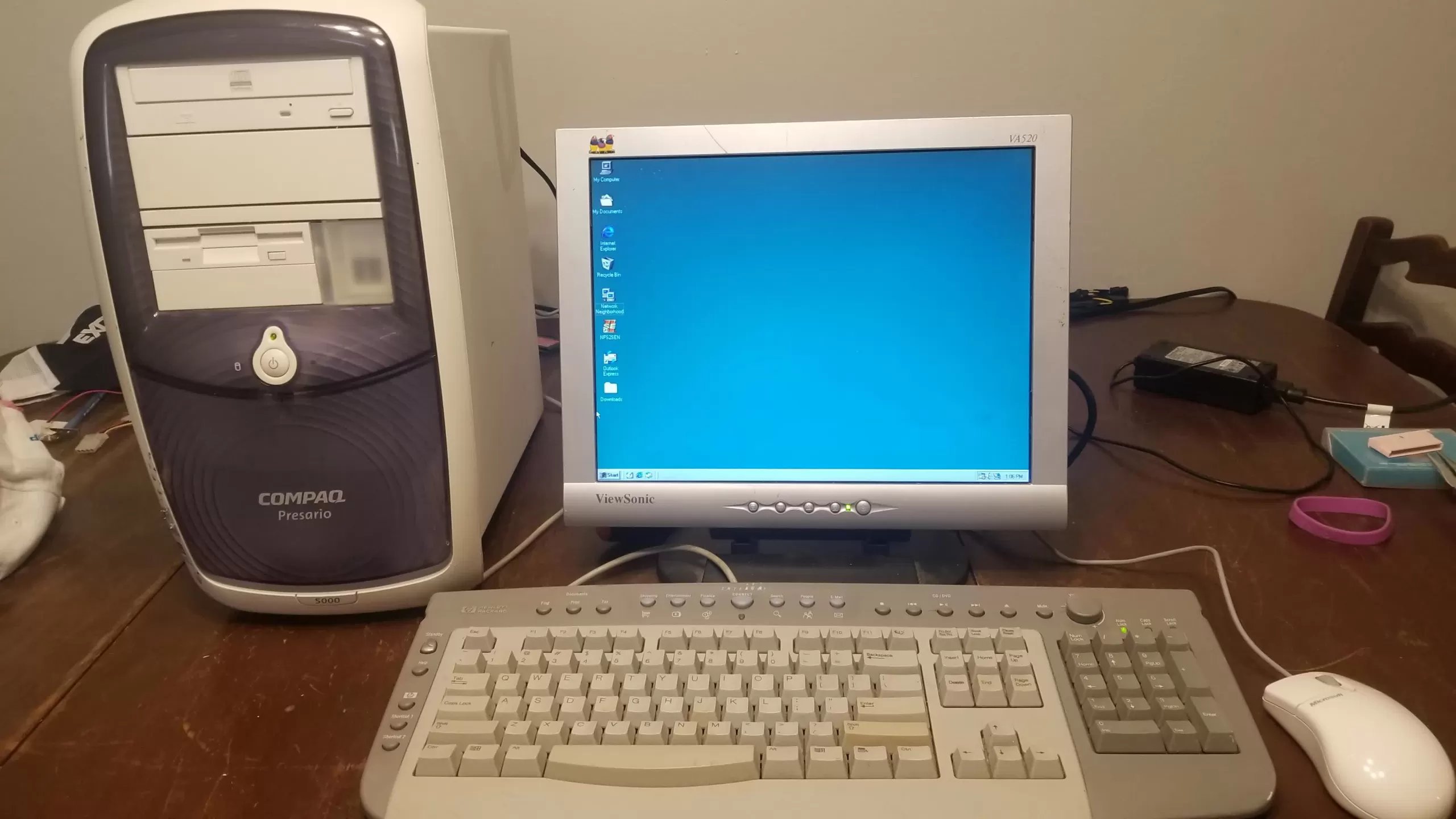
| Compaq | Hardware | 1998 | Merger with HP; brand dilution | Brand retired in 2013 |
| Zima | Beverage | 1995 | Shifting consumer tastes | Discontinued (Limited revivals) |
| Palm | Electronics | 1999 | Rise of the smartphone (iPhone/Android) | Defunct; IP sold multiple times |
Why Did the 90s See So Many Brand Deaths?
The mass extinction of 90s brands was not a coincidence. It was driven by three specific structural shifts in the global economy that occurred simultaneously at the turn of the millennium.
- The Death of Distance: In the 90s, brands like Gateway and Blockbuster relied on physical proximity to the customer. When the internet removed the "distance" barrier, allowing consumers to buy directly from manufacturers or stream content instantly, the physical infrastructure of these brands became a multi-billion dollar liability.
- Consolidation and M&A: The late 90s was an era of massive corporate mergers (e.g., AOL-Time Warner, HP-Compaq). In many cases, these mergers were designed to create "synergy," but they often resulted in the more successful brand absorbing or killing off the weaker brand to streamline operations.
- The "Pivot to Digital": Many 90s brands were "analog-first." Their internal cultures were built around manufacturing, physical logistics, and traditional advertising. They lacked the technical agility to compete with "digital-native" companies like Amazon, Google, and Netflix, which viewed the world through data rather than storefronts.
Frequently Asked Questions
What happened to the Discovery Channel Store?
The Discovery Channel Store was a mall staple in the late 90s, selling educational toys, telescopes, and nature documentaries. In 2007, Discovery Communications decided to close all 103 of its standalone retail stores to focus on its digital presence and partnerships with other retailers. The move was a response to the declining profitability of specialized mall retail.
Does Delia’s still exist?
Delia’s (stylized as dELiAs) was the ultimate catalog and retail brand for 90s girls. The company filed for bankruptcy in 2014 and closed all physical stores. However, the brand was later acquired by the online retailer Dolls Kill, which now sells dELiAs-branded "90s-inspired" clothing online. It no longer exists as an independent retail entity.
Why did Compaq disappear if it was so successful?
Compaq was the largest supplier of PCs in the 90s. It merged with Hewlett-Packard (HP) in 2002 in one of the biggest tech mergers in history. Initially, HP kept the Compaq brand for its budget line of computers. However, by 2013, HP decided to consolidate all its computing products under the HP logo to simplify its branding and marketing, effectively retiring the Compaq name.
Is Napster still around?
The original Napster, the peer-to-peer file-sharing service that revolutionized the music industry in 1999, was shut down due to copyright infringement lawsuits in 2001. The brand name was later purchased by various companies and eventually used for a legitimate subscription music service. While the "Napster" name exists in 2026, it bears no technical or organizational relation to the 90s service that disrupted the industry.
Why did Gadzooks close?
Gadzooks was a popular mall retailer for "alternative" and "skater" teen fashion in the 90s. In the early 2000s, the store shifted its focus exclusively to female customers to compete with brands like Forever 21. This pivot failed to gain traction, and the company was purchased by Forever 21 in 2005, which eventually closed the Gadzooks locations or converted them into Forever 21 stores.
Conclusion and Next Actions
The disappearance of these 90s brands serves as a cautionary tale for modern businesses. Success in one decade does not guarantee survival in the next, especially when technological shifts are involved. For consumers, these brands remain "ghosts" of the mall era—symbols of a specific cultural moment before the total dominance of the digital ecosystem.
If you are looking to reconnect with 90s nostalgia, your best course of action is to:
- Visit Heritage Online Retailers: Check platforms like Dolls Kill (for dELiA*s) or various "relaunch" sites that own the trademarks of 90s brands.
- Research "Digital Archiving": Sites like the Internet Archive (Wayback Machine) allow you to view the original 90s websites of Netscape and Gateway to see how they presented themselves at their peak.
- Support Local Independent Retailers: Many of the gaps left by the collapse of giant 90s retailers are now being filled by small, curated vintage shops that specialize in 90s apparel and media.