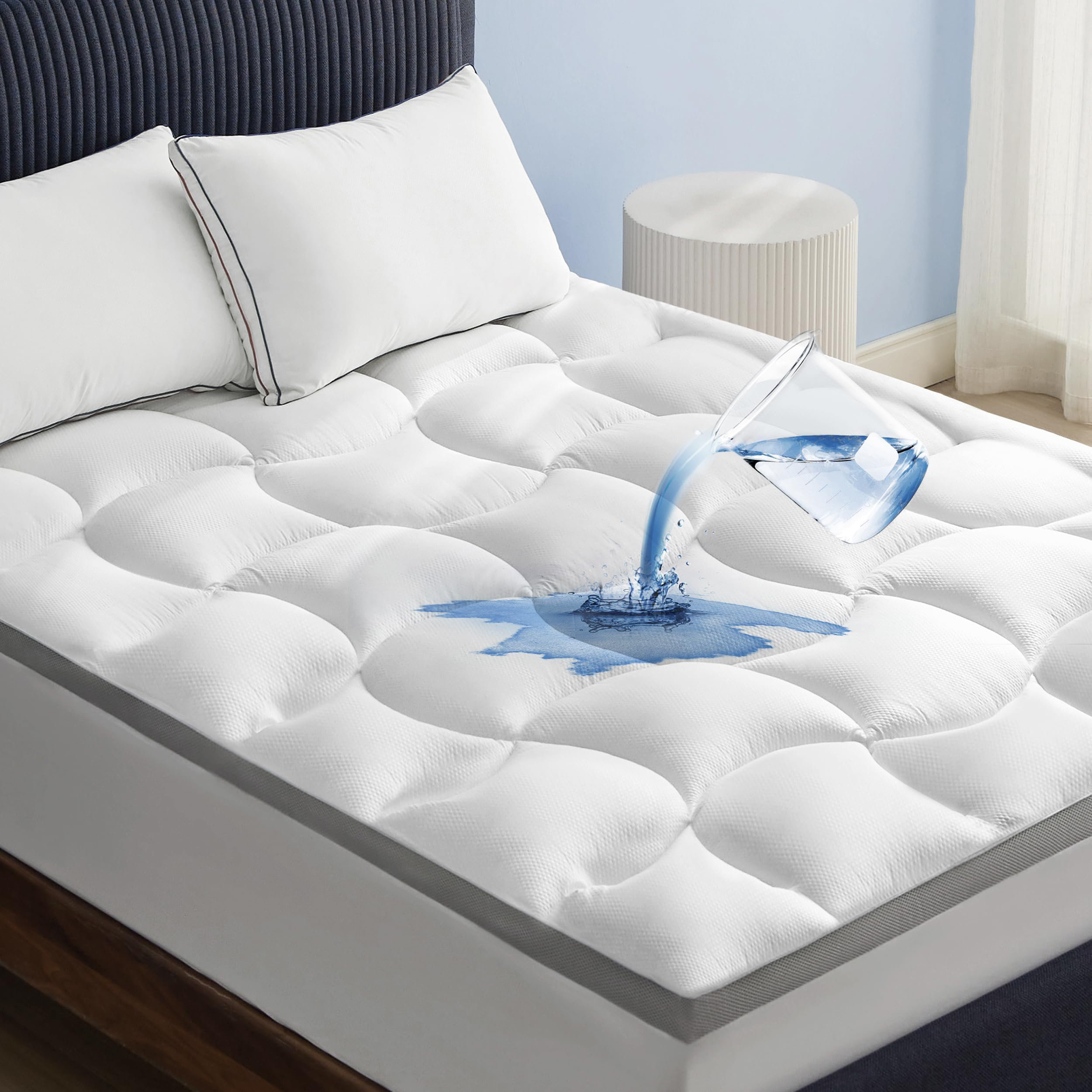
A quality mattress protector is essential for extending the life of your bed by blocking spills, dust mites, allergens, and sweat while preserving the comfort and breathability of your mattress. Choosing the right one requires weighing waterproof backing types, cooling technologies, noise levels, and deep-pocket dimensions against your specific sleep habits and budget.
Protecting a mattress investment is no longer just about slapping a noisy, crinkly piece of plastic over a bed. Modern textile engineering has transformed mattress protectors into sophisticated barriers that shield against liquid spills, dust mites, pet dander, and everyday wear without compromising the underlying feel of luxury memory foam or innerspring mattresses. With so many options flooding the market—ranging from ultra-thin breathable membranes to thick, quilted, pillow-top styles—navigating the choices can become overwhelming.
This review compares seven of the top-performing mattress protectors available, breaking down their construction, performance profiles, pros, and cons to help you select the ideal protector for your home.
Understanding Mattress Protector Categories and Materials
Before examining specific product reviews, it is helpful to understand the underlying materials and construction methods that dictate how a mattress protector performs. Not all protectors are created equal, and understanding what is underneath the surface ensures you buy a product that matches your physiological needs and bedroom environment.
Waterproof Backing Technologies
The primary job of most mattress protectors is liquid defense. Historically, this was achieved using heavy vinyl or rubberized backings that trapped heat and created an unpleasant crinkling sound with every movement. Today, manufacturers predominantly use two major waterproofing materials:
- Polyurethane (TPU): Thermoplastic polyurethane is a thin, flexible, and chemically stable polymer film. It is completely waterproof yet microscopically porous to air vapor, allowing heat and humidity to pass through while blocking liquid water molecules. TPU is the gold standard for silent, waterproof protection.
- Vinyl (PVC): Though less common in premium models, vinyl is still found in budget or institutional protectors. It is entirely waterproof and inexpensive, but it lacks breathability, tends to trap body heat, and degrades over time, leading to cracking and peeling.
Surface Fabrics and Textures
The surface fabric dictates the tactile feel of the protector against your sheets and skin. Common options include:
- Cotton and Bamboo Viscose: Natural or semi-synthetic fibers that offer superior moisture absorption and a soft, familiar feel. Bamboo-derived rayon is also naturally moisture-wicking and cool to the touch.
- Polyester and Microfiber: Synthetic weaves that are durable, highly resistant to staining, and cost-effective. They can sometimes trap heat unless blended with cooling yarn technologies.
- Tencel: Made from sustainably sourced wood pulp, Tencel is exceptionally smooth, highly breathable, and acts as a natural thermal regulator, making it ideal for hot sleepers.
The 7 Best Mattress Protectors Compared
Evaluating the top options requires looking at how well they balance protection, breathability, noise suppression, and ease of maintenance. Below is a detailed, side-by-side comparison of seven leading mattress protectors.
| Product Name | Primary Material | Waterproof Type | Cooling Feature | Noise Level | Pocket Depth | Best Suited For |
|---|---|---|---|---|---|---|
| SafeRest Premium TPU | Cotton Terry Surface | TPU Membrane | Standard Breathability | Silent | Up to 18 inches | Budget-conscious buyers and general spill protection |
| Purple Mattress Protector | Spandex & Polyester Blend | TPU Backing | High-Airflow Knit | Silent | Up to 15 inches | Preserving the bounce and feel of ultra-elastic beds |
| Sleep Number Total Protection | Polyester Blend | Proprietary Barrier | Temperature Balancing | Silent | Up to 14 inches | Adjustable bed owners and precise fit seekers |
| PlushBeds Botanical Bliss Bamboo | Organic Bamboo | Waterproof Lining | Natural Thermal Regulation | Silent | Up to 15 inches | Eco-conscious shoppers and sensitive skin |
| GhostBed GhostProtector | Ice Fabric Technology | H1 Guard Membrane | Phase Change Material | Silent | Up to 18 inches | Hot sleepers seeking active cooling |
| Tempur-Pedic Cool Luxury | Performance Fabric | Waterproof Membrane | SmartClimate Cover | Silent | Up to 16 inches | Luxury memory foam owners |
| Linenspa Classic Waterproof | Polyester Surface | Vinyl-free Barrier | Minimal | Very Quiet | Up to 14 inches | Guest rooms and high-value utility |
Detailed Product Reviews and Analyses
1. SafeRest Premium Hypoallergenic Waterproof Mattress Protector
The SafeRest Premium is a perennial favorite in the bedding market, largely due to its balance of reliable waterproofing and budget-friendly pricing. It features a cotton terry surface that naturally absorbs moisture while holding a hypoallergenic barrier underneath.
- Construction: The top surface is made of cotton terry cloth, which provides a slight texture that helps keep fitted sheets from sliding around. Beneath the terry cloth lies a proprietary breathable membrane that repels fluids, dust mites, and allergens.
- Performance: In testing, the SafeRest successfully blocked liquid from reaching the underlying mattress during simulated spill events. The cotton terry top breathes reasonably well, though sleepers who run exceptionally hot may notice a slight warmth increase compared to specialized cooling covers.
- Pros:
- Affordable price point with frequent availability.
- Effective barrier against dust mites and bed bugs.
- Machine washable and dryer safe on low heat.
- Cons:
- Cotton terry texture can sometimes show faint outlines under very thin sheets.
- Standard breathability may not satisfy extreme hot sleepers.
2. Purple Mattress Protector
Designed specifically to complement high-elasticity mattresses, the Purple Mattress Protector focuses heavily on stretch and airflow so it does not interfere with the unique feel of hyper-elastic polymer grids or responsive memory foams.
- Construction: Composed of a stretchy blend of polyester and spandex, this protector stretches in all directions. It utilizes a TPU backing that is engineered to be paper-thin, maintaining flexibility.
- Performance: Where many protectors stiffen a mattress surface, the Purple protector stretches seamlessly. It allows the mattress materials beneath to compress and contour naturally. Air circulation is high thanks to the lightweight, open-knit face fabric.
- Pros:
- Exceptional five-way stretch prevents hammocking or tension on the mattress top.
- Maintains the original contouring feel of soft mattresses.
- Lightweight and easy to launder.
- Cons:
- Fit depth is limited to 15 inches, which may be tight on extra-thick luxury mattresses.
- Higher price point than basic terrycloth models.
3. Sleep Number Total Protection Mattress Pad
Sleep Number designs its accessories with adjustable bed frames in mind, ensuring that the corners do not slip off or bunch up when the head or foot of the bed is articulated.
- Construction: A soft polyester blend fabric houses a specialized moisture barrier. The skirt features deep, heavy-duty elastic banding that anchors securely around the perimeter of the mattress base.
- Performance: This protector excels on adjustable bases. During articulation tests, the fabric moves smoothly without pulling or creating tension points. The surface layer offers a subtle quilted feel that adds a touch of plushness without altering spinal alignment.
- Pros:
- Secure fit designed explicitly for articulating and adjustable beds.
- Adds a gentle layer of plush cushioning.
- Durable construction resists degradation after multiple wash cycles.
- Cons:
- More expensive than flat platform-only protectors.
- Quilted top takes slightly longer to dry in the machine.
4. PlushBeds Botanical Bliss Bamboo Mattress Protector
For shoppers prioritizing natural, eco-friendly materials, the PlushBeds Botanical Bliss Bamboo protector offers a chemical-conscious alternative without sacrificing liquid defense.
- Construction: The top layer is crafted from organic bamboo viscose fabric, renowned for its silky texture and natural moisture-wicking properties. It uses a silent, PVC-free waterproof backing.
- Performance: Bamboo fabric feels noticeably cooler against the skin than standard polyester. It absorbs sweat efficiently and releases it into the air, reducing night sweats. The manufacturing process avoids harmful chemical flame retardants.
- Pros:
- Eco-friendly organic bamboo surface material.
- Naturally hypoallergenic and antimicrobial properties.
- Soft, luxurious hand-feel that works well with luxury sheets.
- Cons:
- Requires careful washing instructions (gentle cycle, cold water) to maintain bamboo fiber integrity.
- Premium pricing reflects the organic sourcing.
5. GhostBed GhostProtector
Hot sleepers often struggle with mattress protectors because waterproof membranes tend to trap body heat. The GhostProtector addresses this directly with phase-change material and advanced cooling yarns.
- Construction: The surface incorporates "Ice Fabric" technology designed to absorb and dissipate body heat actively. Underneath, the H1 Guard membrane provides waterproof protection while maintaining high permeability.
- Performance: The cooling sensation is immediately noticeable upon contact. While passive protectors merely avoid trapping heat, the GhostProtector actively pulls heat away from the sleeper during the initial stages of the night. The waterproof barrier holds up reliably against heavy spills.
- Pros:
- Active cooling technology provides a crisp, cold feel.
- Generous 18-inch pocket depth accommodates oversized mattresses.
- Fully waterproof without any crinkly plastic sounds.
- Cons:
- Cooling sensation gradually diminishes as ambient bed temperature equalizes over many hours.
- Stricter drying requirements to protect the cooling fibers.
6. Tempur-Pedic Cool Luxury Mattress Protector
Engineered to match the high standards of memory foam pioneers, the Tempur-Pedic Cool Luxury protector focuses on premium heat dissipation and seamless integration with pressure-relieving beds.
- Construction: Features a proprietary SmartClimate performance fabric top layer paired with a discreet, stretchable waterproof undersubstance.
- Performance: This protector is tailored to ensure that memory foam can still react to body heat and contour properly. The fabric feels silky and substantial, elevating the overall feel of the bed. Moisture protection is robust, effectively sealing the foam core from accidental spills.
- Pros:
- SmartClimate cover regulates temperature effectively.
- High-end construction quality with reinforced stitching.
- Preserves the contouring benefits of memory foam mattresses.
- Cons:
- Among the most expensive options on the market.
- Availability can fluctuate due to high demand.
7. Linenspa Classic Waterproof Mattress Protector
If you need straightforward, reliable protection for a guest room, child's bed, or tight budget, the Linenspa Classic delivers essential coverage without unnecessary frills.
- Construction: A smooth polyester surface bonded to an invisible polyurethane waterproof membrane, designed in a fitted-sheet style with elastic pockets.
- Performance: It is remarkably thin and lightweight. While it lacks advanced cooling or organic fibers, it successfully blocks liquids and allergens. The lack of heavy quilting means it dries rapidly in the laundry.
- Pros:
- Highly affordable entry-level pricing.
- Very thin profile does not alter the feel of the mattress.
- Easy to wash and dry quickly.
- Cons:
- Polyester surface lacks the luxurious hand-feel of bamboo or cotton.
- Basic breathability means hot sleepers might find it slightly warm.
Key Factors to Consider When Buying
Selecting the right protector depends on evaluating several critical criteria against your specific household needs:
1. Mattress Depth and Pocket Style
Measure your mattress height before purchasing. Standard protectors fit mattresses up to 12 or 14 inches deep, but pillow-top and hybrid mattresses often measure 15 to 18 inches thick. Look for deep-pocket models with elastic skirts that extend entirely underneath the mattress corners to prevent slipping.
2. Waterproofing vs. Comfort
If you have young children, pets, or struggle with nighttime incontinence, 100% waterproof protection is non-negotiable. Ensure the product uses a silent TPU membrane rather than loud vinyl. If liquid protection is secondary to dust mite defense or allergen control, a non-waterproof quilted pad or encasement may offer even higher breathability.
3. Maintenance and Durability
Check the manufacturer's care label. Most quality protectors are machine washable, but many require low-heat drying or line drying to prevent the waterproof backing from melting or delaminating. Frequent washing is necessary for allergy sufferers, so durability through multiple laundry cycles is vital.
Frequently Asked Questions
Do waterproof mattress protectors make noise when you move?
Older vinyl protectors crinkled loudly with every shift in position. Modern protectors that use a thin thermoplastic polyurethane (TPU) membrane are virtually silent and flexible, moving quietly alongside your sheets and mattress.
Can a mattress protector trap heat and cause night sweats?
Lower-quality vinyl or thick plastic protectors can trap body heat and moisture, leading to night sweats. However, high-end protectors use breathable technical weaves, bamboo fibers, or phase-change cooling materials to promote airflow and thermal regulation.
How often should a mattress protector be washed?
You should wash your mattress protector every two to four months under normal conditions. If you sweat heavily, have pets that sleep on the bed, experience night sweats, or suffer from severe allergies, washing it every one to two weeks is recommended.
Do mattress protectors protect against bed bugs?
Only full-encasement mattress protectors—which zip completely around all six sides of the mattress with a micro-zipper—protect against bed bugs. Standard fitted-sheet-style protectors only shield the top and sides, leaving the bottom exposed.
Will a mattress protector ruin the feel of my memory foam bed?
If you buy a thick, quilted pad, it can slightly dampen the contouring feel of memory foam. However, thin, high-stretch protectors like the Purple or SafeRest models conform tightly to the mattress surface, preserving the original pressure-relieving feel.
Final Recommendation
Selecting the best mattress protector ultimately comes down to balancing your specific environmental needs with your personal sleep preferences. For most households seeking a dependable, cost-effective everyday shield, the SafeRest Premium TPU provides exceptional waterproof and hypoallergenic performance without breaking the bank. If you struggle with overheating, upgrading to an active cooling model like the GhostBed GhostProtector or a natural moisture-regulator like the PlushBeds Botanical Bliss Bamboo will yield a more comfortable night's rest. Measure your mattress depth, identify your priority—whether it is cooling, waterproofing, or eco-friendly materials—and choose the model that fits your lifestyle.