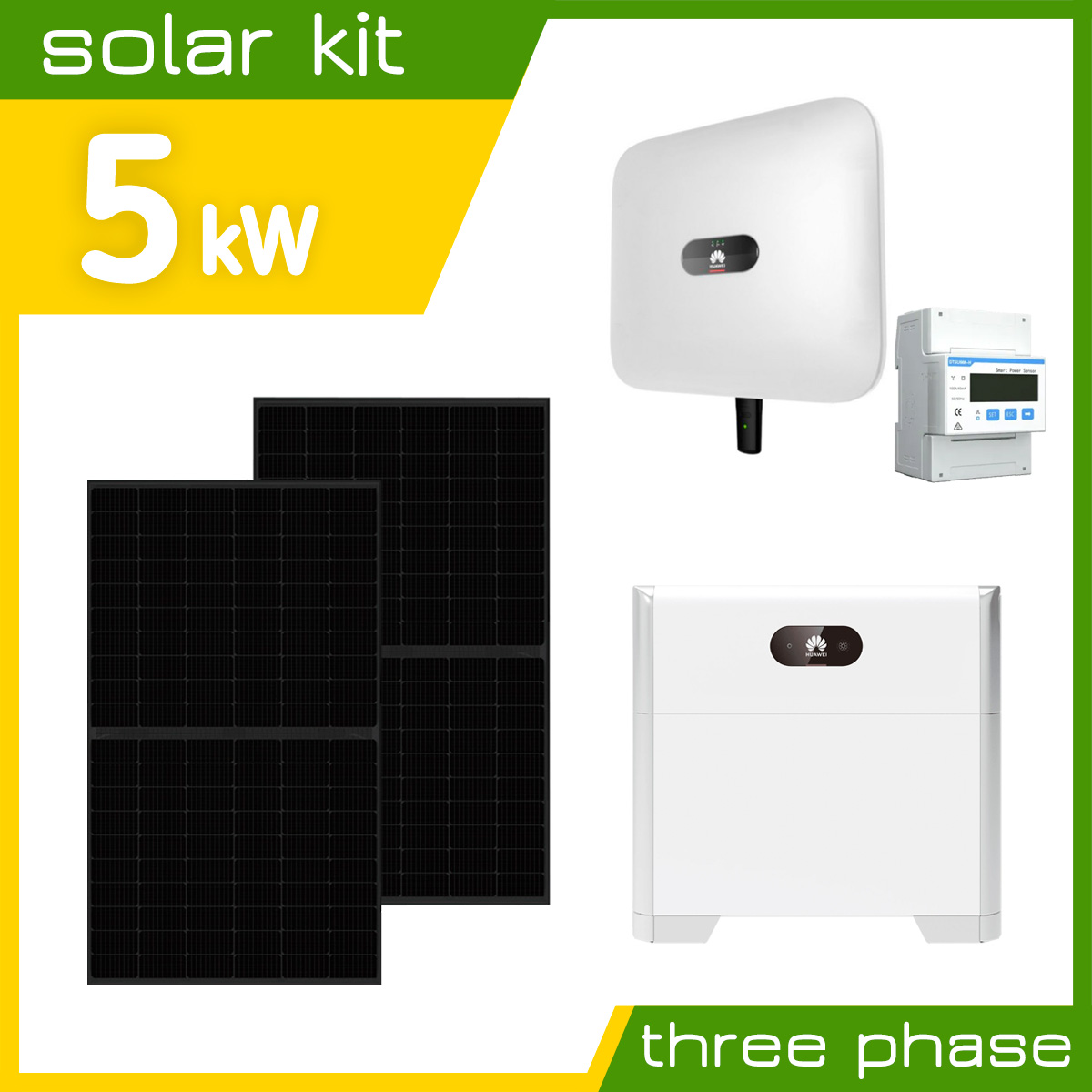
A 5kW solar panel system, or 5,000-watt array, typically consists of 10 to 14 high-efficiency panels and generates between 18 and 28 kWh of electricity daily, depending on geographic location and sunlight exposure. This capacity serves as an ideal entry point for small-to-medium households seeking to offset a significant portion of their utility bills.
In 2026, the adoption of residential solar has transitioned from a niche luxury to a standard home improvement. The 5kW (kilowatt) system remains one of the most popular configurations globally due to its balance of physical footprint, energy output, and return on investment. Whether you are looking to hedge against rising utility rates or prepare your home for an electric vehicle (EV), understanding the technical and financial nuances of a 5kW installation is critical for a successful transition to renewable energy.
Understanding System Capacity and Energy Production
The "5kW" designation refers to the total peak power output of the solar panels under Standard Test Conditions (STC). However, real-world energy production is influenced by variables such as geographic latitude, roof orientation, and weather patterns.
Daily and Annual Yields
In a region with moderate sun exposure (approximately 4.5 Peak Sun Hours per day), a 5kW system will produce roughly 22.5 kWh daily. Over a full year, this equates to approximately 8,000 to 9,000 kWh. To put this in perspective, the average American household consumes about 10,500 kWh per year. A 5kW system can therefore cover 75% to 85% of the annual energy needs for a standard home, provided the home does not rely heavily on inefficient electric heating or constant high-draw appliances.
Factors Affecting Efficiency
System performance is not static. In 2026, most Tier 1 panels utilize N-type TOPCon or Heterojunction (HJT) technology, which offers better low-light performance and lower temperature coefficients than older P-type cells.
- Shading: Even partial shading on a single panel can significantly drop the output of a string inverter system. Utilizing Module Level Power Electronics (MLPE), such as microinverters or DC optimizers, is the standard solution in 2026 to mitigate these losses.
- Orientation and Tilt: South-facing roofs (in the Northern Hemisphere) tilted at an angle equal to the local latitude generally yield the highest annual production. East-west configurations are increasingly popular for "self-consumption" models, as they spread energy production more evenly across the morning and afternoon.
Physical Requirements and Roof Space
One of the first hurdles for any homeowner is determining if their roof can physically accommodate a 5kW array. As panel efficiency has increased, the physical footprint required has decreased.
Panel Dimensions and Quantity
In 2026, the average residential solar panel produces between 400W and 450W. To reach a 5kW (5,000W) threshold:
- 400W Panels: Requires 13 panels.
- 450W Panels: Requires 11 to 12 panels.
A standard residential panel measures approximately 68 inches by 40 inches (roughly 19 square feet). A 12-panel system will require approximately 230 to 260 square feet of clear, unshaded roof space. It is vital to include "setback" space required by local fire codes—typically 18 to 36 inches from the roof ridges and edges—which further increases the total area needed on the roof plane.
Structural Integrity
Before installation, a professional structural assessment is necessary. Most modern roofs can easily handle the additional 2.5 to 4 pounds per square foot that a solar array and racking system impose. However, if your roof is older than 15 years, it is generally recommended to replace the roofing material simultaneously with the solar installation to avoid the high cost of removing and reinstalling panels later.
Essential Components of a 5kW System
A solar energy system is more than just the panels on the roof. In 2026, the integration of smart technology has made these systems more robust and communicative.
1. Solar Modules (The Panels)
Monocrystalline silicon remains the industry standard. High-performance modules now boast efficiency ratings of 22% to 23%. When selecting panels, focus on the degradation rate. Premium panels are now warrantied to retain 88% to 92% of their original output after 25 years.
2. Inverters
The inverter converts the Direct Current (DC) generated by the panels into Alternating Current (AC) used by home appliances.
- String Inverters: A single central unit. These are cost-effective but offer a single point of failure and lower performance in shaded conditions.
- Microinverters: Installed behind each panel. They allow each panel to operate independently, maximizing harvest and providing granular monitoring data for every module.
3. Racking and Mounting
The racking system secures the panels to the roof. In 2026, "rail-less" mounting systems have become more common, offering a lower profile and more aesthetic "skirt" around the edges of the array.
4. Monitoring Systems
Modern systems include cellular or Wi-Fi-based gateways that report real-time production to a smartphone app. This allows homeowners to verify that their 5kW system is performing as expected and to identify maintenance needs immediately.
Cost Analysis and Financial Incentives
The cost of solar has stabilized in 2026, with the focus shifting from hardware price drops to "soft cost" reductions in permitting and customer acquisition.
Gross vs. Net Cost
The "Price Per Watt" (PPW) for a professionally installed 5kW system in the United States currently ranges from $2.50 to $3.20.
- Gross Cost: A 5kW system at $2.85/watt equals $14,250.
- Federal Investment Tax Credit (ITC): Under current legislation valid through 2032, homeowners can claim a 30% tax credit. For a $14,250 system, this is a $4,275 credit.
- Net Cost: Approximately $9,975.
Note that these figures exclude the cost of optional battery storage, which can add $7,000 to $12,000 to the total project price.
Comparison of System Sizes (Estimated 2026 Metrics)
| System Size | Panels (420W avg) | Approx. Area Required | Avg. Daily Production | Est. Net Cost (After 30% ITC) |
|---|---|---|---|---|
| 3kW | 7-8 | 150 sq. ft. | 12-14 kWh | $6,300 - $7,500 |
| 5kW | 12-13 | 250 sq. ft. | 20-24 kWh | $9,500 - $11,500 |
| 7kW | 16-17 | 330 sq. ft. | 28-33 kWh | $13,000 - $15,500 |
| 10kW | 24-25 | 480 sq. ft. | 40-48 kWh | $18,000 - $22,000 |
Values are estimates based on national averages. Local labor rates and permitting fees vary significantly by state.
The Installation Process and Timeline
Transitioning to solar is a multi-step project that involves several stakeholders, including the installer, the local utility, and the municipal building department.
- Site Evaluation and Design (Weeks 1-2): An engineer visits the home to measure the roof, check the electrical panel, and verify the structural integrity. A custom CAD design is created for the 5kW array.
- Permitting and Interconnection (Weeks 3-8): This is often the longest phase. The installer submits plans to the local government for building permits and to the utility company for "Interconnection" approval.
- Physical Installation (1-2 Days): The actual mounting of the 5kW system is relatively fast. The crew installs the racking, panels, inverters, and wiring.
- Inspection and Permission to Operate (PTO) (Weeks 9-12): After installation, a local building inspector and the utility must verify the system meets safety codes. Once approved, the utility issues "Permission to Operate," and you can finally turn the system on.
Maintenance and Longevity
Solar systems are remarkably low-maintenance because they have no moving parts. However, a 5kW system requires some oversight to ensure peak performance over its 25-to-30-year lifespan.
- Cleaning: In arid regions or areas with high pollen/dust, panels should be cleaned twice a year. Dust accumulation can reduce output by 5% to 15%.
- Inverter Replacement: While panels are rated for 25+ years, string inverters typically last 12 to 15 years. Budgeting for an inverter replacement mid-way through the system's life is a prudent financial move. Microinverters often come with 25-year warranties, matching the panels.
- Vegetation Management: Ensure that nearby trees do not grow to shade the array over time. Even a small increase in shading can have a disproportionate impact on the annual energy harvest.
Common Mistakes to Avoid
- Undersizing for Future Needs: Many homeowners install a 5kW system based on current usage, forgetting they plan to buy an EV or install a heat pump in two years. It is often more cost-effective to "oversize" slightly during the initial install than to add three panels later.
- Neglecting the Main Service Grant (Electric Panel): A 5kW system requires a specific amount of "busbar" capacity in your electrical panel. If your home has an old 100-amp or 125-amp panel, you may need a Main Panel Upgrade (MPU) to handle the back-fed solar power.
- Choosing Based Solely on Price: Extremely low quotes often indicate "fly-by-night" installers or lower-quality racking and flashing. Water intrusion from poor roof penetrations is the most common cause of long-term system failure.
Frequently Asked Questions
Can a 5kW solar system run an air conditioner?
Yes, a 5kW system can easily provide enough power to run a standard central air conditioning unit during the day. A typical 3-ton AC unit draws about 3kW to 4kW while the compressor is running. Since a 5kW solar system produces up to 5kW at peak sun, it can cover the AC load entirely during midday, though a battery or grid-tied "net metering" setup is required to power the AC when the sun goes down.
Is 5kW enough to go "off-grid"?
For the average modern home, a 5kW system is generally not enough to go entirely off-grid unless the household follows extreme energy conservation measures. Off-grid living requires enough solar to power the home and charge a large battery bank simultaneously, even on cloudy days. Most off-grid configurations for standard homes start at 10kW or higher.
What happens to my 5kW system during a power outage?
Unless you have a battery backup system (such as a Tesla Powerwall or Enphase IQ Battery), your solar system will automatically shut down during a grid outage. This is a safety requirement (anti-islanding) to prevent your panels from sending electricity back onto the grid while utility workers are making repairs.
How much does a 5kW solar system save per month?
Savings depend on your local utility rate. If your utility charges $0.20 per kWh and your 5kW system produces 650 kWh in a month, you would save approximately $130 that month. Over a year, this can amount to $1,500 to $2,000 in avoided electricity costs.
Do I need a battery with a 5kW system?
A battery is not strictly necessary if your utility offers Net Metering, which allows you to "bank" excess solar energy with the grid and use it for free at night. However, in states that have transitioned to Net Billing (like California's NEM 3.0), adding a battery is highly recommended to maximize the value of the energy produced by your 5kW array.
Final Recommendation
For most homeowners in 2026, a 5kW solar panel system represents the "utility player" of renewable energy—versatile, affordable, and highly effective. To ensure the best results, start by gathering the last 12 months of your utility bills to verify your average daily kWh usage. If your daily average is between 20 and 30 kWh, a 5kW system is likely your best option. Always solicit at least three quotes from reputable, local installers and prioritize those who offer comprehensive 25-year workmanship warranties alongside the manufacturer equipment warranties.