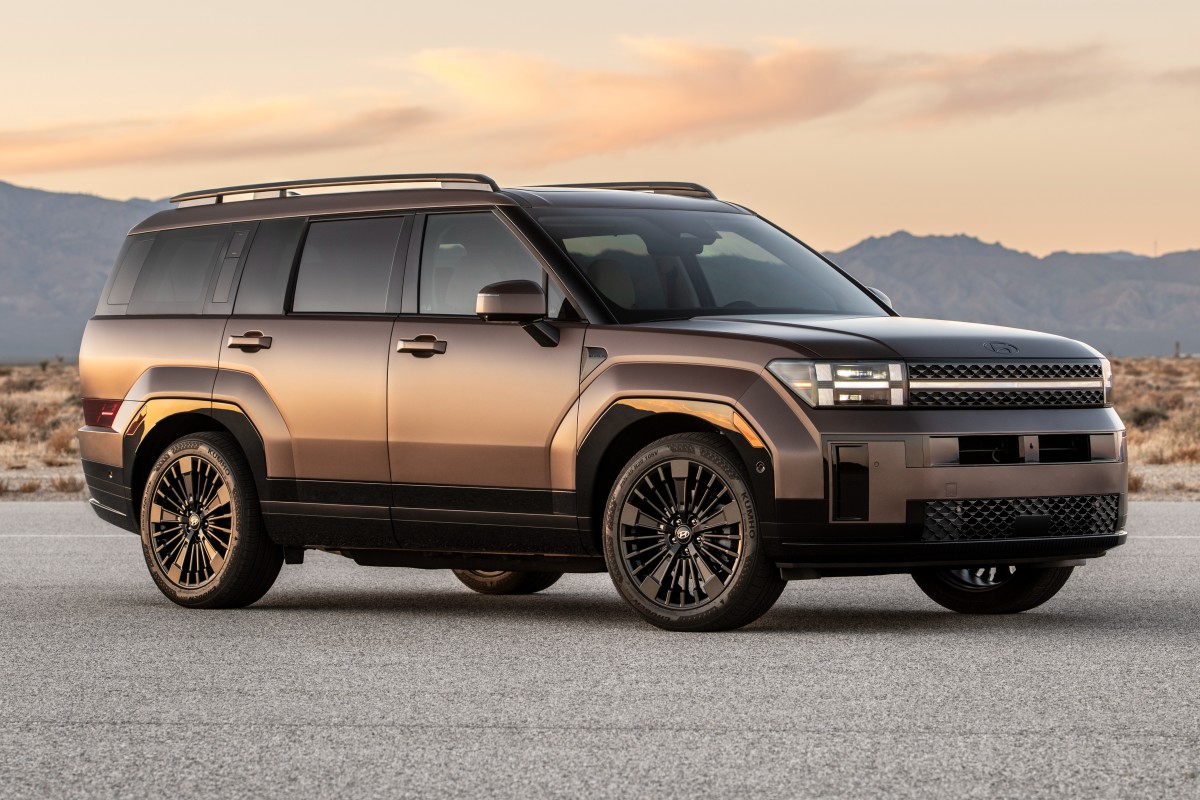
Selecting the best tires for a 2011 Hyundai Santa Fe requires balancing ride comfort, longevity, and seasonal versatility. The most recommended options for 2026 include the Michelin Defender LTX M/S for maximum mileage, the Bridgestone Alenza AS Ultra for a premium quiet ride, and the Goodyear Assurance WeatherReady for superior snow performance.
The 2011 Hyundai Santa Fe remains a popular choice on the used car market in 2026 due to its robust build quality and practical interior. However, as these vehicles age, the importance of high-quality rubber becomes paramount to maintain original safety standards and fuel efficiency. Whether you are driving the GLS, SE, or Limited trim, your choice of tires will significantly dictate how the vehicle handles the increased weight of modern passengers and the varying road conditions of today’s infrastructure.
Understanding Your 2011 Hyundai Santa Fe’s Tire Requirements
Before selecting a specific tire model, it is essential to identify the correct size and specifications for your vehicle. The 2011 Santa Fe typically utilizes two primary wheel sizes depending on the trim level:
- GLS Trim: Usually equipped with 16-inch wheels, requiring 235/70R16 tires.
- SE and Limited Trims: Usually equipped with 18-inch wheels, requiring 235/60R18 tires.
When searching for tires, always verify the size listed on your driver’s side door jamb or the sidewall of your current tires. Beyond just dimensions, the Santa Fe requires a specific load index and speed rating. Most 2011 models require a load index of at least 103 or 104 and a speed rating of T, H, or V. Choosing a tire with a lower load index can lead to premature tire failure and compromised safety, especially when the vehicle is fully loaded with cargo or passengers.
The Role of UTQG Ratings
The Uniform Tire Quality Grading (UTQG) is a standardized system that allows consumers to compare tires based on Treadwear, Traction, and Temperature. For an older SUV like the 2011 Santa Fe, looking for a treadwear rating above 600 is advisable if you want the tires to last several years. Traction ratings of 'A' or 'AA' are preferred for maintaining stopping power in wet conditions, which is a critical safety factor for mid-sized SUVs.
1. Michelin Defender LTX M/S: The Longevity King
The Michelin Defender LTX M/S has long been a gold standard for SUVs and light trucks. In 2026, it remains a top-tier recommendation for Santa Fe owners who prioritize mileage and long-term value. Michelin utilizes its proprietary Evertread Compound, which is specifically designed to resist wear and tear even under heavy stress or abrasive road surfaces.
Performance and Durability
One of the primary challenges for 2011 Santa Fe owners is the vehicle's weight distribution, which can lead to uneven tire wear if the rubber compound is too soft. The Defender LTX M/S addresses this with a symmetrical tread pattern that promotes even wear throughout the tire's life. It is not uncommon for drivers to see 70,000 to 80,000 miles from a set of these tires, provided they follow a strict rotation schedule.
Wet and Dry Traction
While the Defender is an all-season tire, it excels in wet conditions. The high-density siping (small grooves in the tread blocks) provides numerous biting edges, which helps the Santa Fe maintain grip on rain-slicked asphalt. This reduces the risk of hydroplaning, a common concern for SUVs with a higher center of gravity.
Pros:
- Exceptional tread life (80,000-mile limited warranty).
- Stable handling and predictable braking.
- Excellent performance in light rain and dry conditions.
Cons:
- Higher upfront cost compared to budget brands.
- Not a dedicated winter tire; performance in deep snow is limited.
2. Bridgestone Alenza AS Ultra: The Comfort Specialist
If your 2011 Santa Fe is primarily used for highway commuting or family road trips, the Bridgestone Alenza AS Ultra is an excellent choice. This tire is engineered with a focus on "QuietTrack" technology, which significantly reduces the road noise transmitted into the cabin.
Ride Quality and Noise Reduction
As a vehicle ages, cabin insulation may degrade, and mechanical noise can become more apparent. The Alenza AS Ultra helps mitigate this by utilizing a non-parallel groove pattern and specialized shoulder blocks that "trap" and dissipate sound waves before they reach the wheel well. For the 2011 Santa Fe, which had a relatively quiet cabin for its era, these tires help preserve that premium feel.
Advanced Compound Science
The Alenza AS Ultra uses a high-silica compound that remains flexible across a wide range of temperatures. This ensures that even on cold autumn mornings, the tire maintains its grip on the road. Bridgestone also offers an impressive 80,000-mile limited warranty on this model, putting it in direct competition with the Michelin Defender for long-term durability.
Pros:
- Among the quietest tires in the SUV category.
- Plush ride quality that absorbs road imperfections.
- Strong wet-weather braking performance.
Cons:
- Soft sidewalls can result in slightly less "sporty" steering feel.
- Can be difficult to find in stock for the 16-inch wheel size.
3. Continental CrossContact LX25: The Balanced Performer
The Continental CrossContact LX25 is often cited as the "best of both worlds" tire. It offers a sophisticated balance between fuel efficiency, comfort, and all-season grip. For the 2011 Santa Fe owner who wants a tire that "does everything well" without specializing in just one area, this is the premier option.
EcoPlus Technology
Continental integrates EcoPlus Technology into the LX25, which focuses on reducing rolling resistance. For an SUV from 2011—an era before hybrid powertrains were standard in this class—any improvement in rolling resistance can lead to noticeable savings at the gas pump over the life of the tire.
Visual Alignment Indicators
A unique feature of the CrossContact LX25 is the inclusion of QuickView Indicators. These are molded into the tread and allow the owner to see at a glance if the tires are wearing unevenly. For a 15-year-old vehicle like the 2011 Santa Fe, where suspension components like bushings and struts may be slightly out of spec, these indicators act as an early warning system for alignment issues.
Pros:
- Excellent fuel efficiency gains through low rolling resistance.
- Built-in alignment indicators for easy maintenance.
- Very strong performance on wet and slushy roads.
Cons:
- Treadwear is slightly lower than the Michelin or Bridgestone options (typically 65,000-70,000 miles).
4. Goodyear Assurance WeatherReady: The All-Weather Solution
For Santa Fe owners living in regions with unpredictable weather or heavy snowfall, the Goodyear Assurance WeatherReady is a superior choice. Unlike standard all-season tires, the WeatherReady carries the Three-Peak Mountain Snowflake (3PMSF) symbol, indicating it meets specific criteria for severe snow service.
Weather Reactive Technology
This tire features "Evolving Traction Grooves" that transition from narrow to wide as the tire wears. This ensures that even as the tread depth decreases, the tire maintains its ability to displace water and slush. For a 2011 Santa Fe that may lack the advanced electronic stability systems of a 2026 model, having this mechanical grip is a vital safety upgrade.
Soybean Oil Compound
Goodyear uses a specialized rubber compound containing soybean oil, which helps the tread remain soft and pliable in sub-freezing temperatures. This prevents the tire from "glazing over" on ice, providing the Santa Fe with much-needed traction during harsh winters without the hassle of swapping to dedicated winter tires.
Pros:
- True four-season capability with 3PMSF certification.
- Excellent traction in heavy rain and slush.
- Predictable handling in cold climates.
Cons:
- Slightly more road noise than the Bridgestone Alenza.
- Tread life is shorter (60,000 miles) due to the softer winter-capable compound.
5. Pirelli Scorpion AS Plus 3: The Touring Choice
The Pirelli Scorpion AS Plus 3 is designed specifically for the North American market, focusing on the needs of SUV and Crossover drivers who cover long distances. It is categorized as a "Touring" tire, meaning it emphasizes a smooth, consistent ride and high-speed stability.
Optimized Footprint
Pirelli engineers used a new sequence of tread blocks to create a larger, more uniform footprint. This distributes the weight of the Santa Fe more evenly across the contact patch. For drivers who find their 2011 Santa Fe feels a bit "floaty" on the highway, the Scorpion AS Plus 3 provides a more planted and stable sensation.
Durability and Aesthetics
Beyond performance, Pirelli tires are known for their sleek sidewall designs, which can modernize the look of an older vehicle. However, the beauty is more than skin deep; the AS Plus 3 offers a 70,000-mile warranty and uses functionalized polymers in the tread to improve both wear and wet grip.
Pros:
- Superior highway stability and steering response.
- Modern aesthetic that updates the vehicle's appearance.
- Good balance of comfort and longevity.
Cons:
- Performance in deep snow is average.
- Can be more sensitive to improper inflation than other models.
Comparative Analysis of Tire Options
The following table provides a quick reference for the 2026 market specifications of these five tire models when fitted to a 2011 Hyundai Santa Fe.
| Tire Model | Category | Warranty (Miles) | UTQG Rating | Primary Strength |
|---|---|---|---|---|
| Michelin Defender LTX M/S | Highway All-Season | 80,000 | 800 A A | Maximum Longevity |
| Bridgestone Alenza AS Ultra | Luxury Crossover | 80,000 | 800 A A | Noise Reduction |
| Continental CrossContact LX25 | All-Season Touring | 70,000 | 740 A A | Fuel Efficiency |
| Goodyear Assurance WeatherReady | All-Weather | 60,000 | 700 A A | Snow/Slush Grip |
| Pirelli Scorpion AS Plus 3 | Grand Touring | 70,000 | 800 A A | Handling Stability |
Note: Prices in 2026 vary by region and retailer, but generally, Michelin and Bridgestone command a premium price point, while Continental and Pirelli offer mid-range pricing.
Factors to Consider for an Older SUV (2011 Model)
When purchasing tires for a 2011 Hyundai Santa Fe in 2026, you must look beyond the brand name. The condition of the vehicle itself plays a significant role in how these tires will perform.
Suspension and Alignment
By 2026, most 2011 Santa Fe models will have significant mileage. Worn-out struts or shocks can cause "cupping" on new tires, where the tread wears in a scalloped pattern. This not only ruins the tires prematurely but also causes a vibrating sensation while driving. Before installing a new set of premium tires, it is highly recommended to have a full four-wheel alignment and a suspension inspection.
TPMS Sensor Life
The Tire Pressure Monitoring System (TPMS) sensors in the 2011 Santa Fe have internal batteries that typically last 10 to 15 years. If you are replacing tires in 2026, there is a high probability that these batteries are near the end of their life. Most tire shops recommend replacing the sensors during a tire change to avoid the labor cost of dismounting the tires again in six months when a sensor fails.
The DOT Date Code
Always check the DOT date code on the sidewall when buying new tires. This code (a four-digit number representing the week and year of manufacture) ensures you aren't buying "new" tires that have been sitting in a warehouse for five years. Rubber degrades over time even if not used; in 2026, you should look for tires manufactured within the last 12 months.
Common Questions (FAQs)
What is the difference between All-Season and All-Weather tires for the Santa Fe?
All-season tires (like the Michelin Defender) are designed for a wide range of conditions but lose grip when temperatures drop below 45°F (7°C) or in heavy snow. All-weather tires (like the Goodyear WeatherReady) use a different rubber compound and tread design that remains flexible in freezing temperatures and are certified with the 3PMSF symbol for actual winter use.
Can I mix different brands of tires on my Santa Fe?
It is strongly discouraged to mix different tire brands or models on the 2011 Santa Fe, especially if it is the All-Wheel Drive (AWD) version. Different tires have different diameters and grip levels, which can put excessive strain on the center differential and drivetrain components, leading to expensive repairs.
How often should I rotate tires on my 2011 Santa Fe?
To maximize the life of your investment, you should rotate your tires every 5,000 to 7,500 miles. For the Santa Fe, a "Forward Cross" or "X-Pattern" rotation is generally used for Front-Wheel Drive models, while AWD models often use a "Rearward Cross" pattern. Consult your owner's manual for the specific recommendation for your drivetrain.
Why is my 2011 Santa Fe shaking even with new tires?
If you have new tires and the vehicle still shakes at highway speeds, it is likely a balancing issue or a mechanical problem. Ensure the tires were "road-force balanced." If the shake persists, have a mechanic check the CV axles, wheel bearings, and brake rotors, as these components frequently require replacement on 15-year-old SUVs.
Final Recommendation
For the average 2011 Hyundai Santa Fe owner in 2026, the Michelin Defender LTX M/S remains the most logical choice. Its combination of legendary durability and all-around safety makes it the best value over the long term, despite the higher initial purchase price. However, if you live in a northern climate with frequent snow, the Goodyear Assurance WeatherReady is the better safety investment. Regardless of which tire you choose, ensure your suspension is in good repair to protect your new rubber and maintain the comfortable ride the Santa Fe is known for.