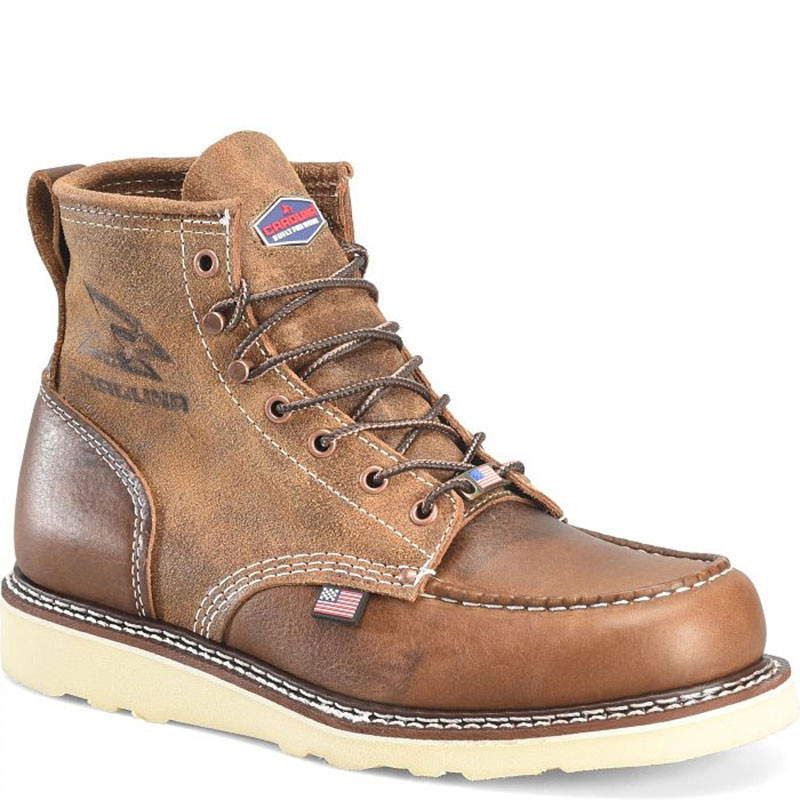
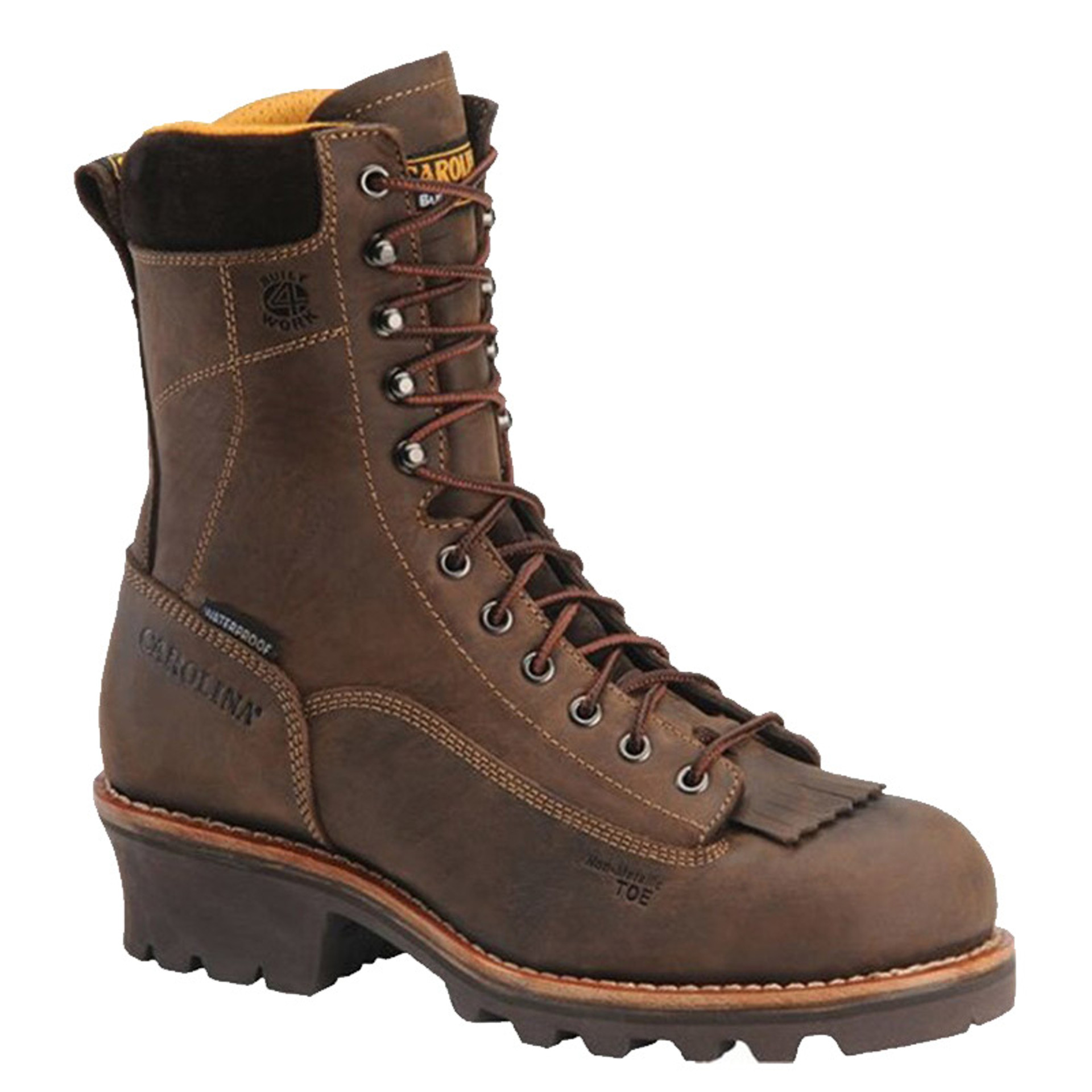
Finding reliable, American-made footwear requires balancing union craftsmanship, rigorous safety certifications, premium full-grain leather, and structural durability that withstands demanding environments. The 4 best work boots made in the USA for 2026—Red Wing Heritage 877, Thorogood American Heritage, Danner Quarry, and Carolina 8-Inch Waterproof Insulated Logger—represent the pinnacle of domestic footwear manufacturing, offering specialized features for construction, industrial trades, and rugged outdoor labor.
Understanding the Standard for American-Made Work Boots
Investing in footwear manufactured domestically involves understanding complex federal trade regulations, material sourcing standards, and construction methodologies. When a pair of work boots is advertised as "Made in the USA," it generally means the product is manufactured within the United States using domestic and imported components, or strictly compliant with the Federal Trade Commission’s (FTC) "all or virtually all" standard for domestic origin. Buyers prioritizing domestic manufacturing are often investing in legacy craftsmanship, superior leather tanning processes, and robust repairability features that extend the lifecycle of the product far beyond imported alternatives.
The value proposition of domestic footwear centers on longevity and craftsmanship. While initial price points for American-made options frequently exceed two hundred and fifty dollars, their construction methods—such as Goodyear welt and stitchdown construction—allow cobblers to replace worn-out outsoles multiple times. Understanding these foundational elements helps buyers evaluate whether a specific model aligns with their daily operational hazards, whether they navigate muddy construction sites, slippery concrete floors, or high-voltage electrical installations.
1. Thorogood American Heritage: Best Overall for Trades and Construction
The Thorogood American Heritage series stands as a benchmark for general construction workers, carpenters, and trade professionals who spend long hours standing on concrete or hard surfaces. Manufactured in Wisconsin by Weinbrenner Shoe Company, these boots are union-made by proud American workers and feature a classic moc-toe design that combines timeless aesthetics with high-performance ergonomics.
Construction and Materials
The American Heritage line utilizes oil-tanned full-grain leather sourced from premier domestic tanneries. This leather breaks in remarkably well, molding to the contours of the wearer's foot over several weeks of consistent wear. Beneath the upper, these boots employ a genuine Goodyear welt construction, stitching the upper, midsole, and outsole together in a manner that ensures maximum durability and structural integrity.
Key structural and safety features include:
- MAX-wear Wedge Outsole: The polyurethane MAX-wear wedge outsole provides exceptional traction on smooth, flat surfaces like concrete, steel, and plywood while absorbing heavy impact shock.
- Fiberglass Shank: A lightweight, non-conductive fiberglass shank delivers crucial arch support and torsional stability without adding unnecessary weight or setting off metal detectors.
- Ultimate Shock Absorption Footbed: Removable dual-density insoles cushion every step, reducing fatigue in the lower back and knees during ten-hour shifts.
Ideal Use Cases and Limitations
These boots excel in commercial construction, carpentry, farming, and general warehousing. However, the soft polyurethane wedge outsole is not optimized for rugged, rocky terrain or steep, muddy inclines where deep lug treads are required. Workers exposed to severe moisture or heavy chemical hazards should also note that standard moc-toe wedges lack the aggressive waterproofing membranes found in dedicated logger or utility boots.
2. Red Wing Heritage 877: Best Legacy Boot for Durability and Heritage Craftsmanship
The Red Wing Heritage 877 is an iconic piece of American footwear history. Introduced in the middle of the twentieth century, this 8-inch moc-toe boot was originally engineered for hunters and farmers before becoming a staple for ironworkers, builders, and urban tradespeople who demand uncompromising durability. Manufactured in Red Wing, Minnesota, the 877 showcases the brand's proprietary leather and meticulous stitching.
Materials and Sole Architecture
Red Wing utilizes leather from its own S.B. Foot Tanning Company, located in Red Wing, Minnesota. The Oro-Legacy leather used on the 877 is an oil-tanned, high-grade cattle hide known for its rich color variations, water resistance, and ability to develop a stunning patina over years of hard use.
The boot utilizes Puritan triple-stitch construction, an exceptionally robust stitching method that prevents seams from fraying under high-stress conditions. The Traction Tred rubber wedge outsole provides a stable, flat platform that minimizes mud and debris accumulation while delivering reliable grip on industrial flooring. Because the boot is built on a Goodyear welt, owners can return their 877s to Red Wing or a certified cobbler for complete resoling once the original tread wears smooth.
Performance and Break-In Expectations
Purchasing a pair of Red Wing Heritage 877 boots requires patience. Unlike modern athletic-style work boots that feature soft, synthetic linings and instant-comfort foam, the 877 features vegetable-tanned leather insoles and thick, unlined full-grain leather uppers. The initial break-in period can be rigorous, often requiring a few weeks of gradual wear to soften the leather and shape the footbed to the wearer's exact anatomy. Once broken in, however, they offer a custom fit and a level of foot support that synthetic materials simply cannot replicate.
3. Danner Quarry: Best for Heavy Industry, Logging, and All-Weather Protection
When the work environment demands aggressive protection against moisture, jagged rocks, heavy impact, and extreme weather, the Danner Quarry emerges as a premier choice. Manufactured in Portland, Oregon, the Quarry series is engineered for forestry workers, heavy civil construction crews, and industrial technicians who require uncompromising ankle support and certified safety features.
Advanced Waterproofing and Safety Standards
The Danner Quarry features a 100% waterproof GORE-TEX lining, ensuring that water is kept firmly on the outside while allowing internal sweat vapor to escape. This breathable waterproofing prevents moisture accumulation, reducing the risk of blisters and fungal infections during wet, cold shifts.
Critical safety and structural specifications include:
- Vibram Quarry Outsole: Oil- and slip-resistant Vibram rubber outsoles feature a 90-degree heel and deep, self-cleaning lugs that grip unstable dirt, mud, and gravel with authority.
- Electrical Hazard (EH) Protection: Rated to meet or exceed ASTM F2892-18 EH standards, providing secondary protection against incidental contact with live electrical circuits.
- Triple-Stitched Stitchdown Construction: Danner’s signature stitchdown method provides a wider platform underfoot for increased stability and allows the boots to be easily recrafted by expert cobblers.
Fit, Comfort, and Ergonomics
Built on the 610 boot last, the Danner Quarry offers a roomy, secure fit with ample toe box volume, accommodating thicker socks without causing pressure points. An OrthoLite footbed utilizes open-cell polyurethane for enhanced heat dissipation and long-lasting cushion. While heavier than moc-toe wedge boots, the Quarry distributes its weight evenly via a steel shank, making the heavy-duty build feel balanced during long marches across uneven terrain.
4. Carolina 8-Inch Waterproof Insulated Logger: Best for Cold-Weather and Rough Terrain
For workers operating in freezing temperatures, heavy snow, or steep, unimproved terrain, the Carolina 8-Inch Waterproof Insulated Logger provides specialized defense. Based in Inman, Carolina Shoe designs footwear specifically tailored to the rigorous demands of loggers, linemen, and heavy-duty outdoor laborers.
Thermal Regulation and Footbed Engineering
The defining feature of this logger boot is its combination of structural height, waterproof membrane, and genuine insulation. Utilizing a 400G Thinsulate™ insulation package, the boot traps body heat to keep feet warm in sub-freezing environments without creating excessive bulk. An internal waterproof SCUBALINER™ bootie blocks external moisture completely, keeping the insulation dry and functional even when stepping in deep slush or standing water.
The aggressive logger heel and heavy-duty rubber lug outsole provide exceptional bite on loose soil, timber, and muddy embankments. A heavy-duty steel shank is embedded within the midsole to provide rigid arch support, protecting the foot's plantar fascia from fatigue when standing on narrow ladder rungs or sharp shovel blades all day.
Comparison of the Top American-Made Work Boots
| Boot Model | Best For | Construction Type | Sole Type | Key Feature |
|---|---|---|---|---|
| Thorogood American Heritage | General Trades & Construction | Goodyear Welt | Polyurethane Wedge | Exceptional concrete comfort and union-made craftsmanship |
| Red Wing Heritage 877 | Legacy Durability & Carpentry | Goodyear Welt | Traction Tred Rubber | Premium S.B. Foot leather with legendary patina potential |
| Danner Quarry | Heavy Industry & All-Weather | Stitchdown | Vibram Lug with 90° Heel | GORE-TEX waterproof breathable membrane |
| Carolina 8-Inch Logger | Cold Weather & Rough Terrain | Goodyear Welt | Heavy-Duty Lug with Logger Heel | 400G Thinsulate insulation and SCUBALINER waterproofing |
Essential Factors to Consider When Selecting American-Made Work Boots
Choosing the correct pair of domestic work boots requires evaluating several technical and environmental factors to ensure maximum safety, comfort, and financial value.
Evaluating Sole Construction Methods
The method used to attach the outsole to the upper dictates the boot's lifespan and repairability.
- Goodyear Welt Construction: A strip of leather, rubber, or synthetic material (the welt) is stitched to the upper and insole, and the outsole is then stitched or cemented to the welt. This allows a cobbler to easily slice the old outsole away and stitch a new one on.
- Stitchdown Construction: The upper leather is flared outward and stitched directly to a midsole or outsole platform. This creates a remarkably wide, stable base that resists twisting and offers superior water resistance around the welt line.
- Direct Attach / Injection Molded: Liquid polyurethane or rubber is molded directly onto the upper. While these boots are often lighter and softer out of the box, they cannot be easily resoled once the tread wears flat.
Understanding Safety Toes and Electrical Ratings
Depending on your specific job site requirements, you may need to verify compliance with American Society for Testing and Materials (ASTM) standards.
- Composite Toe: Made from non-metallic materials like carbon fiber, Kevlar, or fiberglass. They are lighter than steel, do not conduct heat or cold, and pass through security checkpoints without triggering metal detectors.
- Steel Toe: The traditional heavy-duty choice. Steel toes offer the thinnest profile while meeting strict impact and compression standards, though they can conduct cold temperatures in winter months.
- Electrical Hazard (EH) vs. Static Dissipative (SD): EH boots are designed with non-conductive soles to protect against open circuits. SD boots are built to safely discharge static electricity buildup into the ground, which is critical in electronics manufacturing or explosive-handling environments.
Frequently Asked Questions
Are work boots made in the USA worth the higher price tag?
Yes, American-made work boots are generally worth the investment for professionals who rely on their footwear daily. They typically feature higher-grade full-grain leather, superior stitching standards, and repairable construction methods like Goodyear welting. While an imported boot may cost less upfront and wear out within a single year, a domestic boot can often be resoled multiple times, effectively doubling or tripling its active operational lifespan.
How do I properly break in unlined full-grain leather work boots?
Breaking in premium domestic boots requires patience and gradual wear. Start by wearing them for short periods—two to four hours at a time—around the house or on light errands before taking them to a full eight-hour work shift. Applying a natural leather conditioner or mink oil can soften the hide and accelerate the molding process. Never force-dry leather with artificial heat sources like hair dryers or heaters, as this causes the leather to crack and dry out prematurely.
Can all American-made work boots be resoled?
Not all of them, but models built with Goodyear welt or stitchdown construction are explicitly designed to be resoled. When the outsole tread wears smooth or the heel block becomes uneven, you can take the boots to a professional cobbler or send them back to the manufacturer's restoration service. Boots made with cemented or direct-attach construction typically cannot be resoled because the upper is chemically bonded rather than stitched to the sole platform.
What is the difference between a wedge sole and a lug sole?
Wedge soles are flat, continuous pieces of polyurethane or rubber that distribute your weight evenly across the entire bottom of the foot. They excel on flat, hard surfaces like concrete, asphalt, and warehouse floors, reducing joint fatigue. Lug soles feature deep, aggressive treads and a distinct heel block. They are designed for loose, uneven, or muddy terrain like dirt, gravel, and forest floors, providing essential traction to prevent slips and falls.
How often should I condition the leather on my work boots?
The frequency of conditioning depends entirely on your work environment. If you work in dry, dusty conditions or corrosive environments like concrete and fertilizer plants, you should clean and condition your boots every four to six weeks. If your boots are exposed to heavy moisture and mud, clean them after every shift and condition the leather whenever it begins to look dry, dull, or stiff. Keeping the leather hydrated prevents cracking and maintains its waterproof qualities.
Final Recommendation
Selecting the ideal work boot for 2026 depends heavily on your daily work environment. If your day involves long hours standing on concrete or indoor trade work, prioritize the comfort and union craftsmanship of the Thorogood American Heritage. If you navigate rugged, wet, or freezing outdoor environments where thermal regulation and deep traction are non-negotiable, invest in the weatherproof protection of the Danner Quarry or the Carolina 8-Inch Logger. Properly maintained, any of these four American-made options will provide years of reliable service, structural support, and foot protection.