Section 4.57 indexation adjustments and State Insurance Regulatory Authority (SIRA) guidelines dictate how workers compensation statutory benefits and premium calculations shift to match economic indicators, ensuring that injured workers retain adequate financial support while employers maintain predictable cost structures.
Introduction to Workers Compensation Indexation and SIRA
Workers compensation systems across various jurisdictions operate under strict regulatory frameworks designed to balance the financial needs of injured employees with the economic realities of operating a business. In jurisdictions overseen by regulatory bodies like the State Insurance Regulatory Authority (SIRA), statutory benefit rates and claim parameters do not remain static. Instead, they are subject to regular economic adjustments, often referred to as indexation.
Indexation serves as a crucial legislative mechanism to protect the purchasing power of injured workers who rely on weekly benefits for extended periods. As inflation alters the cost of living, statutory thresholds, maximum weekly benefit amounts, and impairment lump-sum payments must be recalibrated. Simultaneously, these adjustments flow into the broader actuarial models that dictate workers compensation rates for employers, influencing employer insurance premiums, policy renewals, and risk management strategies.
Navigating these regulatory changes requires a comprehensive understanding of how statutory formulas apply, how indexation dates are established, and what obligations fall upon employers, insurers, and injured workers. This overview examines the mechanical underpinnings of Section 4.57 indexation, its interaction with SIRA frameworks, and the practical implications for stakeholders navigating the workers compensation landscape.
Legislative and Regulatory Framework Under SIRA
The State Insurance Regulatory Authority functions as an independent independent government agency responsible for regulating workers compensation insurance, motor vehicle compulsory third-party (CTP) insurance, and home building compensation insurance. Within the workers compensation domain, SIRA sets the standards for scheme performance, monitors insurer behavior, and oversees the financial health of the scheme.
Statutory provisions, such as those governing indexation under specific legislative sections (frequently designated as Section 4.57 or equivalent clauses within workers compensation acts), dictate the precise timing, methodology, and indices used to adjust monetary values. These adjustments are typically anchored to macroeconomic indicators published by national statistical agencies, most notably the Consumer Price Index (CPI) or Average Weekly Ordinary Time Earnings (AWOTE).
- MACROECONOMIC INDICATORS
- (CPI / AWOTE Updates)
- SIRA REGULATORY OVERSIGHT
- (Publishing Rates & Thresholds)
- OPERATIONAL ADJUSTMENTS
- (Statutory Benefits & Employer Premiums)
By tying statutory adjustments to objective economic metrics, the regulatory framework removes arbitrary political decision-making from benefit calculation. Insurers licensed under the SIRA framework must program these updated rates into their calculation engines well before the effective date to ensure that ongoing claim payments and premium notices reflect the correct legal entitlements.
Mechanics of Section 4.57 Indexation Adjustments
Indexation mechanisms are built directly into compensation statutes to prevent the erosion of benefit values over time. Section 4.57 specifically governs how certain statutory thresholds and benefit caps are updated, usually on a bi-annual or annual basis (such as on 1 April and 1 October in many Australian jurisdictions).
When the indexation period arrives, the regulatory authority calculates the percentage change in the relevant benchmark index over the preceding reference period. This percentage is then applied to existing statutory figures, generating new maximum and minimum caps.
Key Elements Subject to Indexation
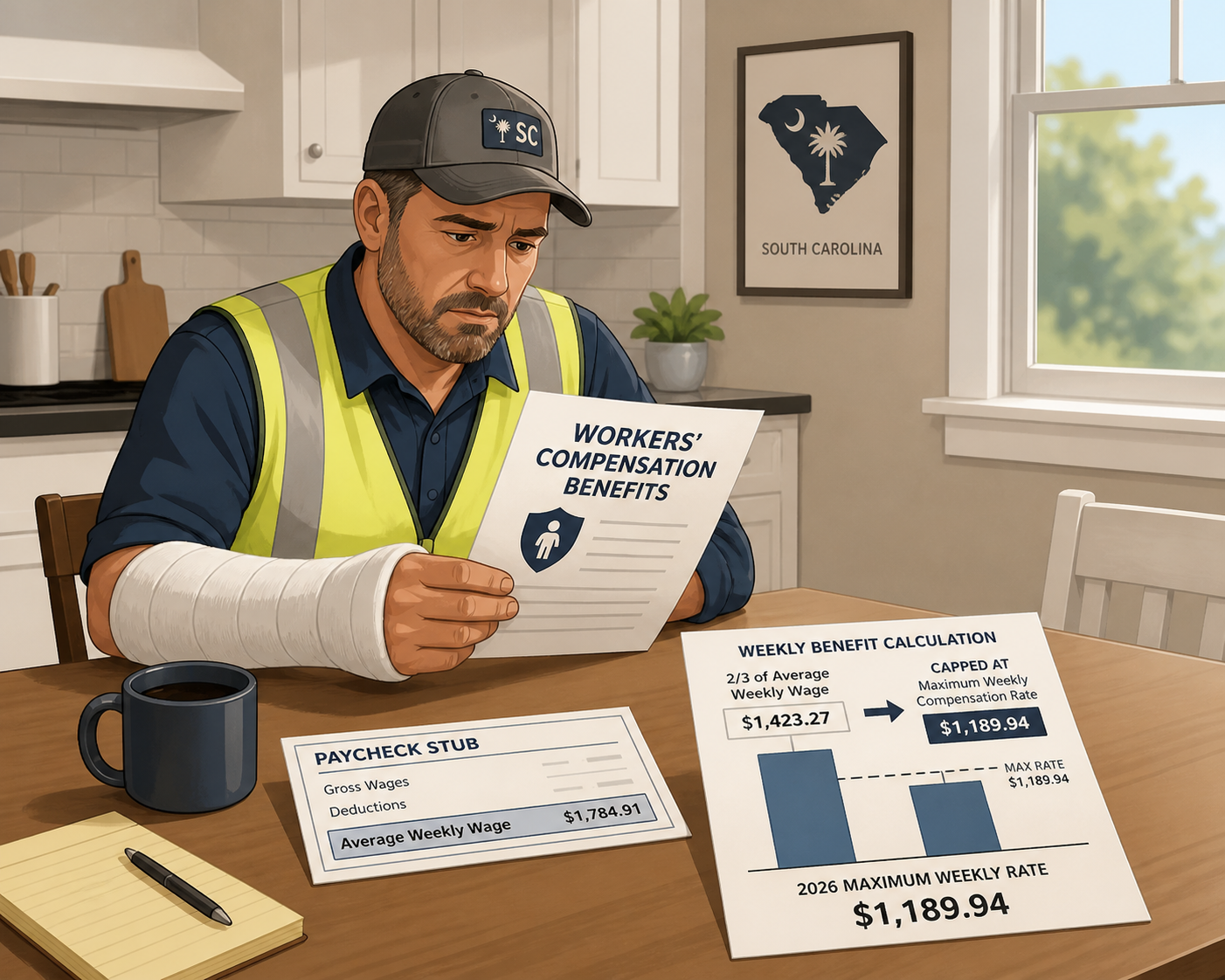
- Maximum Weekly Benefit Amounts: The upper limit an injured worker can receive per week, which prevents highly compensated workers from receiving disproportionately high statutory payouts while ensuring reasonable support.
- Thresholds for Common Law Access: Minimum permanent impairment percentages required for an injured worker to pursue lump-sum compensation or common law damages.
- Dependant Lump-Sum Payments: Statutory amounts payable to eligible dependants in the unfortunate event of a workplace fatality.
- Medical and Related Expenses Caps: Limits or milestone thresholds governing the provision of ongoing medical treatment, rehabilitation gear, and attendant care services.
Understanding these mechanics ensures that employers do not undercalculate provisional liabilities and that injured workers receive the precise statutory entitlements due under the law.
Impact on Workers Compensation Rates and Premiums
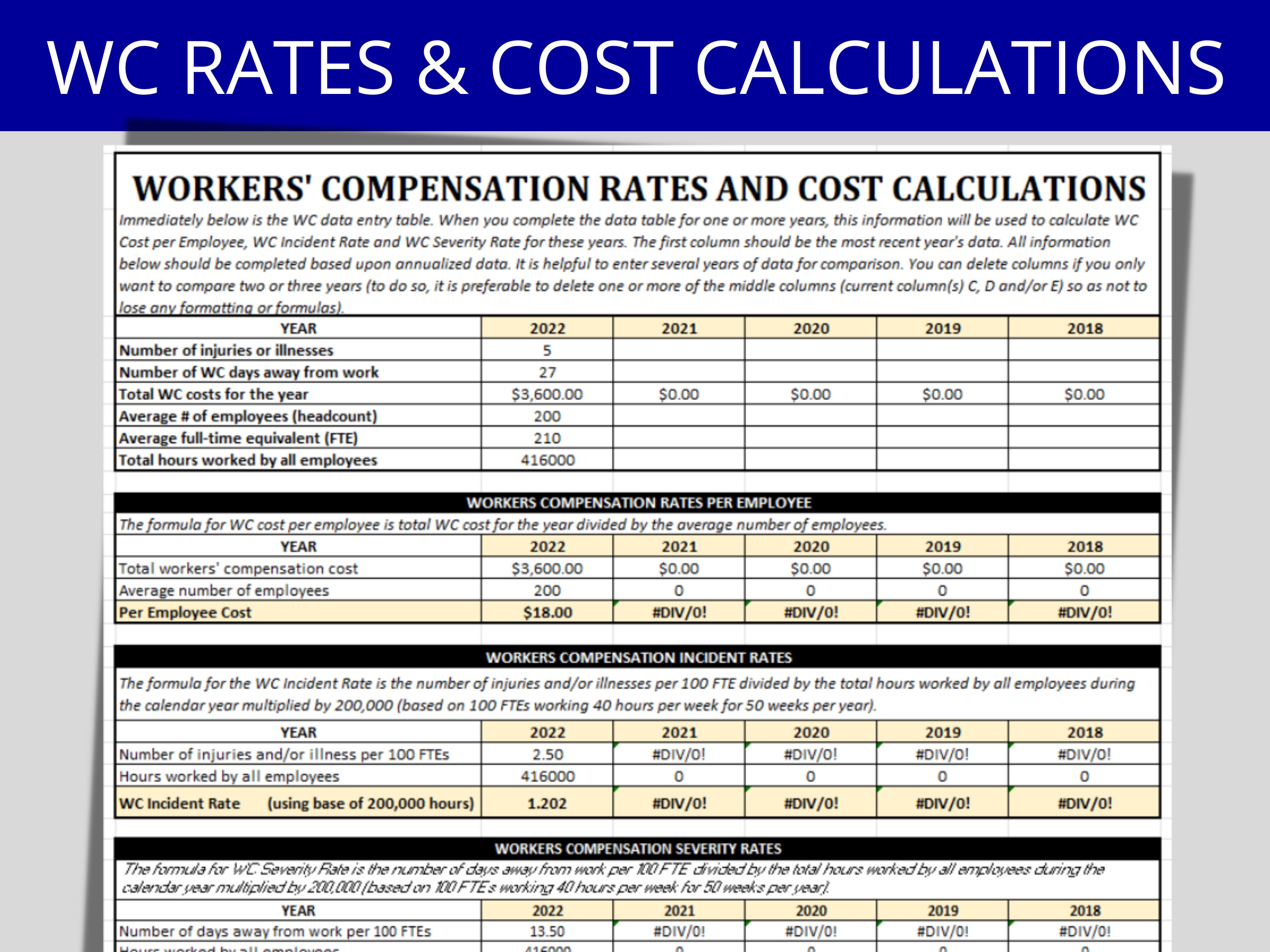
While indexation directly increases the outgoing liabilities for statutory benefits, it simultaneously exerts pressure on employer insurance premiums. Workers compensation premium calculations are complex actuarial assessments that take into account an employer’s remuneration, claims history, industry classification performance rate, and scheme-wide liability projections.
When statutory benefits are indexed upward, the total cost of managing and paying out claims rises across the scheme. To maintain scheme solvency, SIRA-approved insurers factor these increased forward-looking liabilities into their premium rating schedules.
- Claims Experience Factor: Employers with poor safety records and frequent claims will see their premiums scale higher as the cost per claim increases due to indexation.
- Industry Classification Rates: High-risk industries, such as construction, manufacturing, and heavy transport, absorb a larger share of scheme cost adjustments because their baseline injury frequency is elevated.
- Wages and Remuneration Projections: Premium calculations rely on declared wages. As AWOTE indexation shifts general wage levels upward, total employer payrolls often increase, naturally driving a higher baseline premium even before adjustment factors are applied.
Comparison of Statutory Adjustments and Premium Impacts
The following table outlines how different components of the workers compensation framework interact during indexation cycles, detailing the target metric, adjustment frequency, and primary operational impact.
| Component / Metric | Primary Driver / Index | Adjustment Frequency | Operational Impact on Stakeholders |
|---|---|---|---|
| Maximum Weekly Benefits | AWOTE / CPI Indices | Bi-annual / Annual | Increases ongoing weekly payout obligations for insurers; ensures worker purchasing power. |
| Impairment Thresholds | Legislative Formula / CPI | Annual | Alters eligibility boundaries for lump-sum compensation and common law claims. |
| Employer Premium Rates | Scheme Actuarial Projections | Annual | Adjusts baseline premium costs for businesses based on industry risk and claims performance. |
| Medical Treatment Caps | Health Sector Inflation | Annual | Modifies financial limits for specialized medical, surgical, and rehabilitation interventions. |
Employer Obligations and Compliance Strategies
Employers operating within a SIRA-regulated environment must maintain proactive administrative practices to manage the financial and operational impacts of annual rate changes and indexation events. Failure to keep pace with regulatory adjustments can result in underinsurance penalties, delayed claim processing, or compliance breaches.
Essential Compliance Steps for Businesses
- Accurate Wage Declarations: Ensure that all employee remuneration, including allowances and superannuation components specified by the scheme, is accurately reported during annual reconciliation periods.
- Reviewing Policy Schedules: Upon receiving annual renewal notices from SIRA-approved insurers, audit the assigned industry classification unit (ICU) and performance discount/premium rate calculations.
- Early Intervention and Safety Management: Because rising benefit indexation increases the long-term cost of lost-time injuries, investing in robust return-to-work programs and workplace safety mitigates premium escalation.
- Budgeting for Premium Volatility: Factor potential rate adjustments into yearly financial forecasts, recognizing that macroeconomic shifts directly influence insurance overheads.
Common Misconceptions Regarding Indexation
Misunderstandings surrounding workers compensation indexation often lead to budgeting errors for employers and confusion for injured workers regarding their benefit rights.
- Misconception 1: Indexation applies retroactively to all past payments. In most statutory schemes, indexation adjusts ongoing weekly benefit rates and future maximum caps from the effective date forward; it does not typically trigger backdated lump-sum recalculations for historical periods unless explicitly mandated by legislative amendments.
- Misconception 2: SIRA sets individual employer premium rates directly. SIRA establishes the regulatory boundaries, prudential standards, and premium guidelines, but individual premiums are calculated and issued by licensed commercial or government-backed insurers operating within the scheme.
- Misconception 3: Indexation only affects workers. While indexation increases benefit payouts, it also adjusts various operational thresholds that insurers and employers must track, making it a system-wide administrative variable rather than a single-party adjustment.
Frequently Asked Questions
What is the primary purpose of Section 4.57 indexation?
Section 4.57 indexation automatically adjusts statutory benefit levels and financial thresholds in line with economic inflation and wage growth. This ensures that injured workers receiving long-term support maintain their purchasing power while providing a transparent, predictable mechanism for scheme cost adjustments.
How often are SIRA workers compensation rates and thresholds updated?
Statutory benefit rates and indexation adjustments typically occur on a scheduled bi-annual or annual basis, depending on the specific legislative provisions of the jurisdiction and the economic indicators being tracked, such as AWOTE or CPI.
Do indexation adjustments automatically increase my workers compensation premium?
Not directly on a one-to-one basis, but scheme-wide indexation increases total liability projections for insurers. These increased costs are factored into overall actuarial pricing models, which can influence industry classification rates and subsequent employer premium renewals.
Where can employers find official notices regarding upcoming rate changes?
Employers should consult the official publications and circulars provided directly by the State Insurance Regulatory Authority (SIRA) or their licensed workers compensation insurance provider well ahead of each financial or calendar year transition.
What should an employer do if they disagree with their premium calculation?
If an employer believes their premium has been calculated incorrectly—such as an error in wage declarations or an incorrect industry classification—they should contact their licensed insurer immediately to request a formal review or internal dispute resolution process under SIRA guidelines.
Conclusion and Next Actions
Managing workers compensation compliance under SIRA regulatory frameworks demands continuous vigilance regarding statutory indexation and rate adjustments. Employers and claims administrators must align their financial planning and payroll reporting with current economic thresholds to maintain legal compliance and control insurance overheads.
To take immediate action, verify your current insurance policy schedule against the latest SIRA circulars, review your workplace injury management procedures to minimize lost-time duration, and consult directly with your licensed insurer or an accredited workplace relations specialist to clarify specific rate impacts for your business sector.