3D motorcycle racing games combine high-speed digital competition with sophisticated physics engines, allowing players to experience two-wheeled motorsport across mobile devices, PC platforms, and dedicated gaming consoles. These titles simulate real-world racing dynamics, track layouts, and motorcycle mechanics, appealing to both casual arcade players and hardcore simulation enthusiasts.
Evolution and Core Appeal of 3D Motorcycle Racing
The transition from 2D sprite-based racers to immersive 3D environments fundamentally transformed virtual motorcycle racing. Early arcade games relied on fixed perspectives and simplified handling models, whereas modern 3D titles incorporate complex polygon rendering, dynamic lighting, and advanced audio design. This technical leap enables developers to replicate the visceral sense of speed, leaning angles, and centrifugal force characteristic of professional motorcycle racing.
The primary appeal lies in precision control. Unlike four-wheeled racing titles where traction is distributed across a wide chassis, motorcycles demand active weight management. Players must balance front and rear braking, manage throttle application mid-corner, and adjust rider posture to prevent high-side crashes. This intricate balance creates a distinct gameplay loop that rewards technical mastery and spatial awareness.
Key Sub-Genres and Gameplay Styles
Understanding the landscape of 3D motorcycle racing requires examining the different sub-genres available. Developers tailor their titles to distinct audiences, ranging from ultra-realistic track simulations to gravity-defying arcade experiences.
Track Simulation and Official Championships
Titles focused on official championships, such as the MotoGP video game series or Ride franchise, prioritize authentic physics and licensed equipment. These games feature laser-scanned real-world circuits, accurate manufacturer specifications from brands like Yamaha, Honda, Ducati, and Kawasaki, and detailed telemetry systems. Players must manage tire wear, fuel consumption, and electronic rider aids such as traction control and anti-wheelie settings.
Off-Road, Motocross, and Supercross
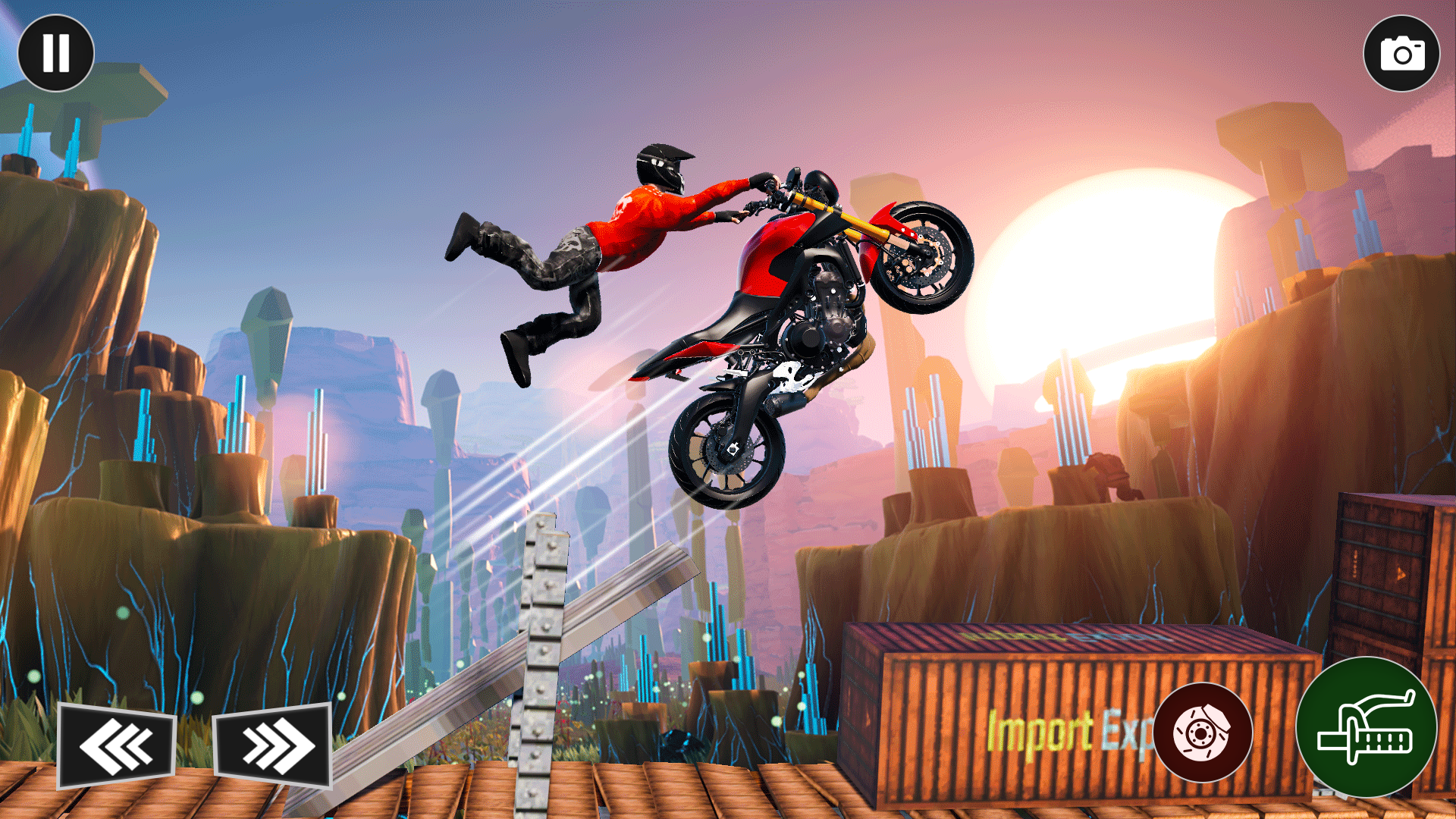
Off-road titles shift the focus from tarmac to dirt, mud, and sand. Franchises like MXGP and Monster Energy Supercross model loose-surface physics, where riders must navigate ruts, berms, and rhythm sections. Controlling a dirt bike in a 3D environment requires continuous rider weight shifting—leaning back during acceleration and hill climbs, and shifting forward over braking bumps. Whip mechanics and scrub techniques add a layer of stylistic execution to big-air jumps.
Arcade and Street Racing
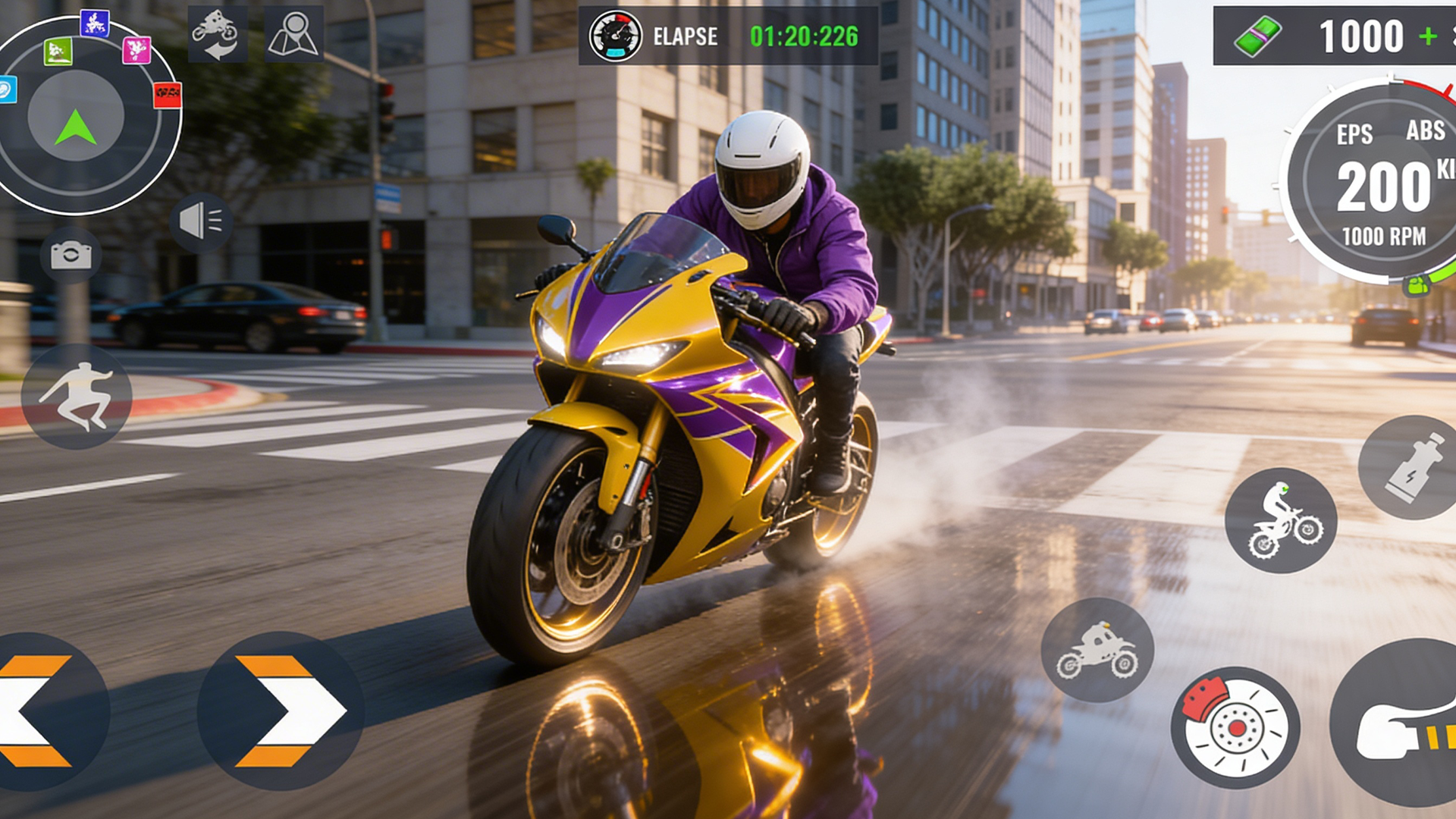
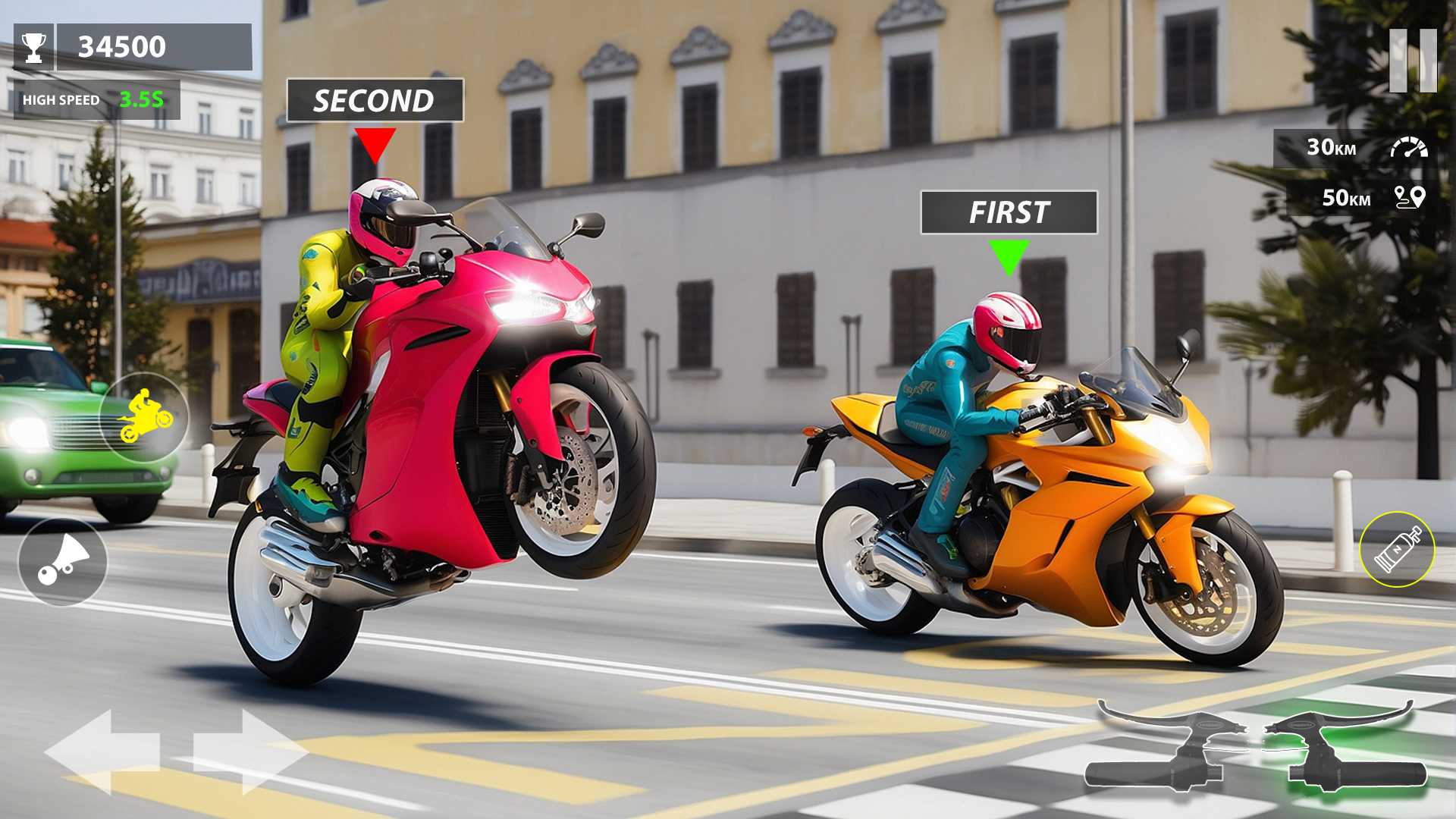
For players seeking immediate thrills without steep learning curves, arcade-style street racers offer high-speed traffic dodging, nitrous boosters, and exaggerated physics. These games often feature open-world cityscapes or point-to-point sprint tracks, prioritizing fast pacing, vehicle customization, and accessible control schemes over mechanical authenticity.
Platform Comparisons: Mobile, PC, and Consoles
Choosing the right platform for 3D motorcycle racing depends on hardware capabilities, control preferences, and the desired level of simulation depth.
| Platform | Typical Control Input | Graphics & Performance | Simulation Depth | Target Audience |
|---|---|---|---|---|
| Mobile (iOS/Android) | Touchscreen, Gyroscope, Gamepads | Moderate to High (Scalable) | Light to Moderate | Casual and on-the-go players |
| PC (Windows/Steam) | Keyboard, Mouse, Racing Wheels, Gamepads | Ultra High (Hardware-dependent) | Deep to Professional | Hardcore enthusiasts and sim racers |
| Consoles (PlayStation/Xbox/Switch) | Dedicated Wireless Controllers | High (Optimized for hardware) | Moderate to Deep | Mainstream gamers and console racers |
Mobile Devices
Mobile 3D motorcycle racers utilize touch inputs, tilt-to-steer gyroscope mechanics, or Bluetooth gamepads. While mobile GPUs have advanced significantly, developers often balance visual fidelity with thermal management and battery conservation. These titles frequently rely on freemium models, offering quick race sessions suited for portable play.
Personal Computers
PC platforms offer the highest fidelity for 3D motorcycle racing games. High frame rates, ultra-wide monitor support, and modding communities elevate titles like GP Bikes or asset-modified simulators. Furthermore, PC players can connect specialized hardware peripherals, though finding dedicated motorcycle handlebars remains a niche challenge compared to automotive steering wheels.
Dedicated Consoles
Consoles provide a standardized gaming experience with optimized performance targets. Players benefit from couch co-op capabilities (in select arcade titles) and seamless integration with official wireless controllers featuring haptic feedback and adaptive triggers, which convey tire slip and brake resistance directly to the player's hands.
Essential Physics and Technical Mechanics
To succeed in realistic 3D motorcycle racing games, players must master several interconnected physical forces. Ignoring these mechanics often results in frequent crashes and uncompetitive lap times.
Trail Braking and Weight Transfer
In motorcycle racing, braking while entering a corner—known as trail braking—compresses the front suspension, steepens the steering head angle, and increases front-tire contact patch grip. Releasing the brake too abruptly unloads the front tire and washes out the front end. Players must learn to transition smoothly from hard braking to neutral throttle as the bike leans toward the apex.
Counter-Steering in Virtual Environments
Even in digital spaces, game engines simulate counter-steering physics. To initiate a lean to the right, a rider must momentarily steer slightly to the left. While many arcade games abstract this process into simple directional inputs, simulation titles require precise handlebar or joystick manipulation to initiate rapid transitions through chicanes.
Power Sliders and Traction Management
Rear-wheel spin provides a stylistic advantage when exiting slow corners in dirt and supercross titles, but excessive wheelspin on asphalt leads to high-side catastrophes. Managing the throttle curve ensures optimal acceleration without breaking rear-tire traction.
Hardware and Peripheral Requirements
Running modern 3D motorcycle racing games smoothly requires meeting specific hardware thresholds. While arcade titles run comfortably on modest systems, full-scale simulations demand robust processing power.
- Central Processing Unit (CPU): Essential for calculating complex physics simulations, artificial intelligence opponent behavior, and collision detection at high tick rates.
- Graphics Processing Unit (GPU): Manages polygon rendering, track textures, particle effects (such as smoke, mud, and rain), and dynamic shadows. Dedicated graphics cards with at least 4GB to 8GB of VRAM are standard for modern PC releases.
- Input Devices: While standard controllers suffice for most titles, players seeking maximum immersion often invest in precision analog triggers and joysticks to modulate throttle and braking inputs smoothly.
Common Mistakes and Troubleshooting
Players transitioning into 3D motorcycle racing frequently encounter specific hurdles. Recognizing these pitfalls accelerates skill development.
- Over-Braking in Straight Lines: Beginners often brake too early and too hard while completely upright, then release the brakes before turning. This eliminates valuable front-tire grip during corner entry. Solution: Practice trailing the brakes slightly deeper into the turn.
- Abrupt Throttle Inputs: Snapping the throttle open mid-corner unsettles the chassis and causes rear-wheel slides. Solution: Roll the throttle on progressively as the bike stands up on corner exit.
- Target Fixation: Staring directly at the wall or crash barrier usually results in hitting it. Solution: Look ahead toward the apex and the exit of the turn to allow peripheral vision to guide the line.
Frequently Asked Questions
What are the best 3D motorcycle racing games for beginners?
Arcade-leaning titles and official mobile adaptations offer the gentlest learning curves. Games that feature customizable braking assists and automatic tuck-in mechanics allow new players to focus on steering without mastering complex gear shifts and weight distribution immediately.
Can I use a steering wheel controller for motorcycle games?
While standard steering wheels designed for car racing can be mapped to PC motorcycle games, they do not replicate handlebar physics accurately. Most players prefer standard gamepads or specialized analog joysticks for finer throttle and lean control.
Are there free-to-play 3D motorcycle racing games available?
Yes, many mobile platforms offer free-to-play titles supported by optional in-app purchases for cosmetic upgrades or faster progression. On PC and consoles, most high-end simulation and officially licensed franchise titles are premium purchases.
How do simulation games differ from arcade motorcycle games?
Simulation games prioritize realistic physics, tire degradation, fuel weight, and accurate mechanical setups. Arcade games focus on accessible handling, speed boosts, exaggerated stunts, and forgiving crash mechanics.
What is a high-side crash in motorcycle racing games?
A high-side occurs when the rear tire loses traction, slides sideways, and then suddenly regains grip while the bike is leaned over. This violently launches the rider over the high side of the machine. Physics engines in advanced 3D titles model this behavior to punish aggressive throttle application.
Conclusion and Next Actions
Mastering 3D motorcycle racing games requires patience, an understanding of fundamental vehicle dynamics, and the selection of a platform that matches your competitive goals. To begin, evaluate your preferred hardware—whether mobile, PC, or console—and select a title that aligns with your interest in arcade action or technical simulation. Start by practicing smooth throttle and braking transitions on familiar tracks before enabling advanced physics assists.