In 2026, the average net worth for a 34-year-old in the San Francisco Bay Area is approximately $485,000, while the median sits closer to $115,000. These figures reflect a stark divergence caused by high-equity tech compensation packages, soaring real estate values, and a cost of living that remains among the highest in the United States.
Understanding the Financial Landscape of the Bay Area in 2026
The San Francisco Bay Area—encompassing San Francisco, San Jose, and Oakland—functions as a unique economic ecosystem. For a 34-year-old, this age represents a critical "inflection point." By 34, most professionals are roughly 10 to 12 years into their careers. In many parts of the country, this is a time of stabilizing mortgage payments and growing 401(k) balances. In the Bay Area, however, this age group often finds itself navigating a high-stakes environment where "average" is a difficult metric to pin down.
The discrepancy between the average and the median is perhaps more pronounced here than anywhere else. The average is heavily skewed by "outliers"—individuals who joined successful startups early, received significant Restricted Stock Units (RSUs) from Big Tech, or inherited generational wealth. The median provides a more realistic view of the typical professional who may be doing well by national standards but feels "middle class" within the local context.
The Impact of 2026 Economic Conditions
As of 2026, the regional economy has stabilized following the volatility of the early 2020s. Interest rates, while lower than their 2023 peaks, have settled at a "new normal" that makes mortgage debt more expensive than it was a decade ago. For the 34-year-old resident, this means that net worth is increasingly tied to asset appreciation rather than just high salary earnings. Those who were able to enter the housing market or remain consistently invested in the S&P 500 over the last decade have seen their net worths pull away from those who remained in cash or faced high rental costs.
Average vs. Median: Why the Gap is So Large
To understand net worth at 34, one must look at the distribution. In the Bay Area, wealth is not a bell curve; it is a "long tail" distribution.
The "Tech Outlier" Effect
A significant portion of the 34-year-old demographic in Silicon Valley and San Francisco works in technology. Many of these individuals receive a total compensation (TC) package where 30% to 50% of their income is delivered via RSUs or stock options. If a company's stock doubles over a four-year vesting period, a 34-year-old engineer's net worth can easily jump from $200,000 to over $1 million. This "windfall" effect inflates the average net worth significantly.
The Median Reality
For those in education, healthcare, service industries, or non-tech corporate roles, the median net worth of $115,000 is a more relatable benchmark. This figure typically comprises:
- Retirement Accounts: A decade of 401(k) contributions with employer matching.
- Liquid Savings: Emergency funds and short-term brokerage accounts.
- Personal Assets: Vehicles or home equity (though homeownership at 34 is increasingly rare for those at the median).
Components of Net Worth for a 34-Year-Old
Net worth is calculated by subtracting total liabilities (what you owe) from total assets (what you own). In the Bay Area, the composition of these assets looks different than in other regions.
1. Equity and Stock Compensation
For professionals at companies like Google, Meta, or Nvidia, and even mid-sized "unicorns," equity is the primary driver of wealth. By age 34, a successful professional may have completed two or three "vesting cycles."
- RSUs (Restricted Stock Units): These are treated as income when they vest and then become part of the individual’s brokerage assets.
- ISO/NSOs (Stock Options): Common in startups, these carry higher risk but offer the potential for "explosive" net worth growth if the company goes public or is acquired.
2. Real Estate Equity
In 2026, a 34-year-old who purchased a condo or townhome in the East Bay or South Bay five years ago has likely seen substantial equity growth. However, for many, the "home" remains a liability in terms of cash flow while acting as a massive "forced savings" vehicle for net worth. Those who do not own property often have higher liquid assets but lower total net worth compared to homeowners.
3. Retirement Accounts (401k and IRAs)
The "average" 34-year-old in a high-income bracket often maxes out their 401(k) ($23,500+ annually depending on 2026 limits). Over 10 years, with a 7% average annual return, these accounts alone can account for $300,000 to $450,000 of their net worth, assuming consistent contributions.
4. Liabilities: The Wealth Erasers
The Bay Area's high net worth figures are often offset by massive liabilities:
- Student Loans: Many 34-year-olds in the region hold advanced degrees (MBAs, JDs, MDs) with remaining balances.
- Consumer Debt: High-cost lifestyles lead to credit card balances that eat into monthly net worth growth.
- Mortgage Debt: It is not uncommon for a 34-year-old to carry a $800,000+ mortgage, which stays on the "liability" side of the ledger for decades.
Net Worth Benchmarks by Percentile (2026 Estimates)
The following table provides a breakdown of where a 34-year-old stands relative to their peers in the San Francisco Bay Area.
| Percentile | Estimated Net Worth | Primary Characteristics |
|---|---|---|
| Bottom 25% | < $40,000 | High student debt, recent arrival to the area, or working in low-margin sectors. |
| Median (50%) | $115,000 | Consistent 401(k) savings, renting, no significant equity windfalls. |
| Top 25% | $350,000 | Dual-income households, senior-level roles, or modest home equity. |
| Top 10% | $950,000 | Significant tech equity, early home purchase, or high-earning professional (Law/Med). |
| Top 1% | $5M+ | Founders, early employees at successful startups, or significant inheritance. |
The Role of Lifestyle Creep and Cost of Living
One cannot discuss Bay Area net worth without addressing the "hedonic treadmill." A 34-year-old earning $250,000 a year—which is a high salary nationally—may find it difficult to build net worth in San Francisco.
Housing Costs
As of 2026, the average rent for a one-bedroom apartment in desirable neighborhoods remains above $3,500. For those looking to buy, the "entry-level" price for a single-family home in a safe neighborhood with good schools often exceeds $1.4 million. This forces many 34-year-olds to choose between building liquid net worth (investing in stocks) or building home equity.
The "Sandwich" Pressures
At 34, many individuals are entering the "sandwich" phase—balancing the costs of starting a family (childcare in the Bay Area can exceed $3,000 per month per child) with the need to support aging parents. These external costs can stall net worth growth precisely at the time when compounding interest should be most effective.
Comparison: Bay Area vs. National Averages
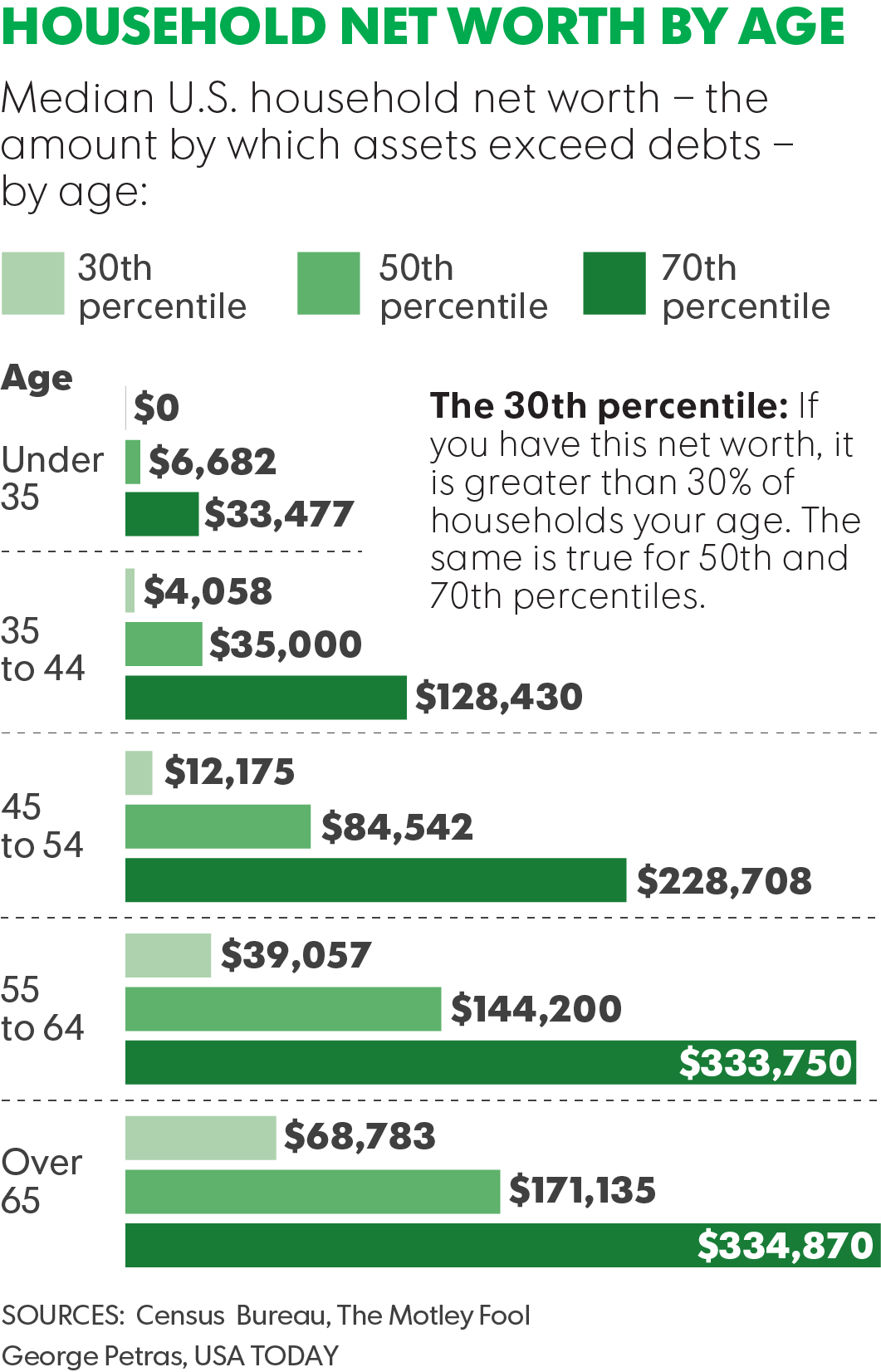
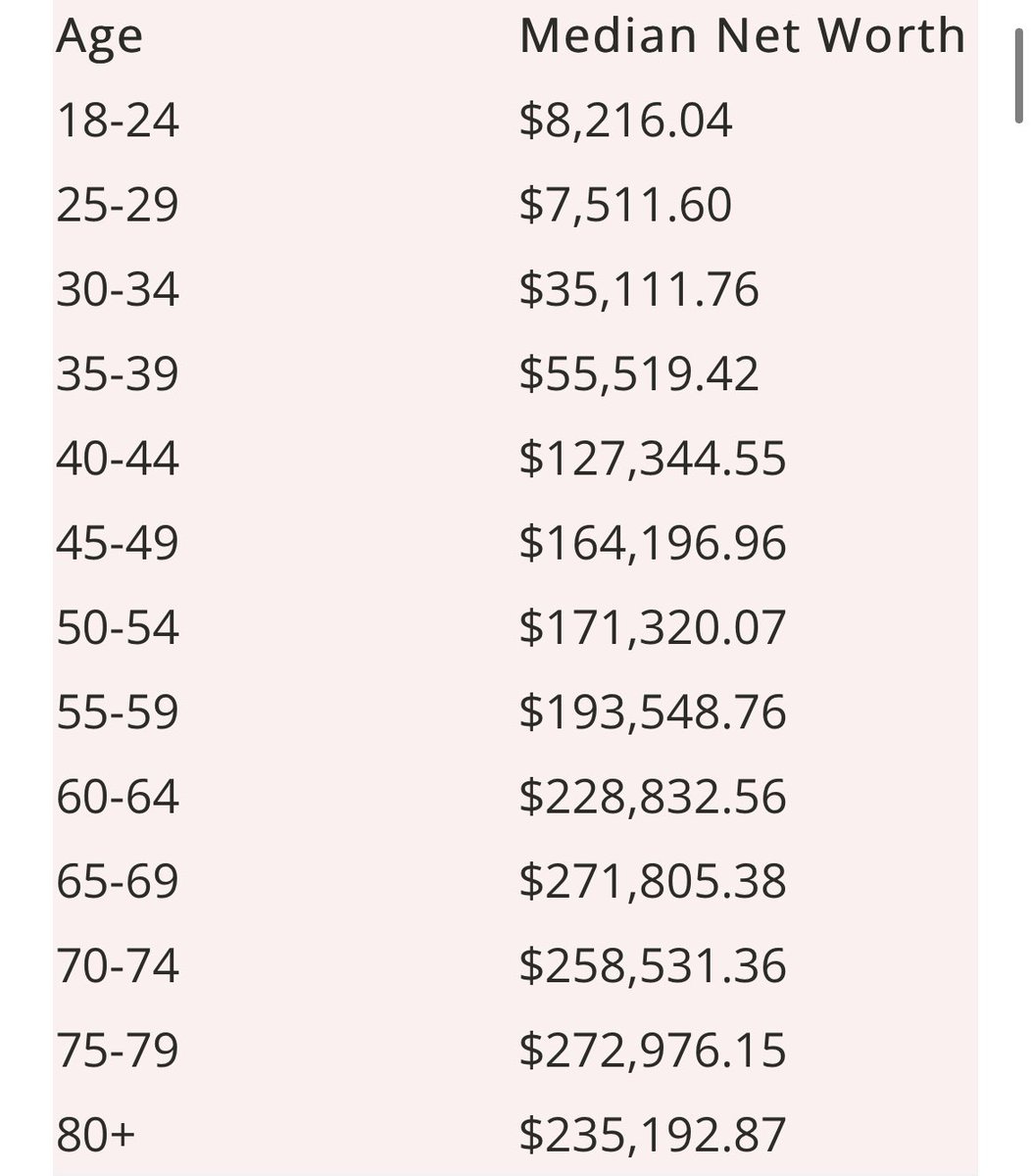
Nationally, the Federal Reserve's data (adjusted for 2026 projections) suggests the median net worth for the 35-44 age bracket is around $120,000-$150,000. Note that our subject is 34, technically at the top of the "under 35" bracket, where the national median is significantly lower (approx. $45,000).
This highlights the Bay Area Paradox: A 34-year-old in the Bay Area with a net worth of $150,000 is "ahead" of the national average for their age, yet they may feel financially insecure because they cannot afford a median-priced home in their own zip code. In the Bay Area, a "high" net worth is often a requirement for basic middle-class stability rather than a sign of luxury.
Strategies for Increasing Net Worth at 34
For those looking to reach or exceed the $485,000 average, financial advisors in the region typically recommend three specific levers:
- Aggressive Equity Management: Do not let RSUs sit and accumulate. Diversifying out of company stock to mitigate "single-stock risk" is a common strategy to protect net worth during market downturns.
- Geographic Arbitrage: With the 2026 hybrid-work models being firmly established, many 34-year-olds are maintaining Bay Area salaries while living in lower-cost "fringe" zones like Sacramento or the Central Valley, allowing them to convert rent savings directly into investment capital.
- Tax Optimization: Utilizing "Backdoor" Roth IRAs and Health Savings Accounts (HSAs) is critical for high earners in California, where state income taxes can reach 13.3%.
Common Mistakes to Avoid
- Over-leveraging on Housing: Buying "too much house" can lead to a high net worth on paper but "house poor" reality where no liquid cash is available for other investments.
- Neglecting Inflation: In 2026, keeping too much money in "high-yield" savings accounts may result in a loss of purchasing power if the interest rate does not outpace the local inflation of goods and services.
- Comparing to the 1%: The Bay Area has the highest concentration of billionaires. Comparing your 401(k) to a neighbor’s IPO windfall is a recipe for poor emotional and financial health.
Frequently Asked Questions
Is $100,000 a "good" net worth for a 34-year-old in the Bay Area?
By national standards, $100,000 is excellent for someone under 35. However, in the Bay Area, $100,000 is often considered "at-risk." It is enough for a solid emergency fund and some retirement stability, but it is far short of the 20% down payment required for a median-priced home in the region.
Does the average net worth include home equity?
Yes, standard net worth calculations include the market value of a primary residence minus the remaining mortgage balance. In the Bay Area, home equity often accounts for 50% or more of an individual's total net worth if they have owned for more than five years.
How do student loans affect these 2026 benchmarks?
Student loans are a direct subtraction from net worth. Many 34-year-olds in high-skill Bay Area jobs carry $50,000 to $150,000 in debt from graduate programs. While this lowers their current net worth, their "human capital" (future earning potential) is high, which usually leads to a rapid net worth recovery in their late 30s.
What is the average salary required to reach the $485k net worth mark by 34?
To reach a net worth of nearly half a million by 34, a professional usually needs an average annual household income of at least $180,000 starting in their mid-20s, combined with disciplined saving (20%+) and average market returns.
Are 401(k) balances included in net worth?
Yes. Retirement accounts are assets. However, when calculating liquid net worth (money you can access today), these are typically excluded or discounted because of the taxes and penalties associated with early withdrawal.
Final Recommendation: Focus on Velocity, Not Just Totals
For a 34-year-old in the Bay Area, the total net worth number is less important than the velocity of growth. Because the cost of entry for major milestones (like homeownership) is so high, the goal should be to move from "earned income" (salary) to "passive income" (investments) as quickly as possible.
If you find yourself below the $115,000 median, focus on eliminating high-interest debt and maximizing employer-matched retirement contributions. If you are above the $485,000 average, your primary challenge is diversification—ensuring that your wealth isn't overly concentrated in a single tech company or a single piece of California real estate.
Disclaimer: This information is for educational purposes only. Financial benchmarks change based on market conditions, and individuals should consult with a certified financial planner for personalized advice.