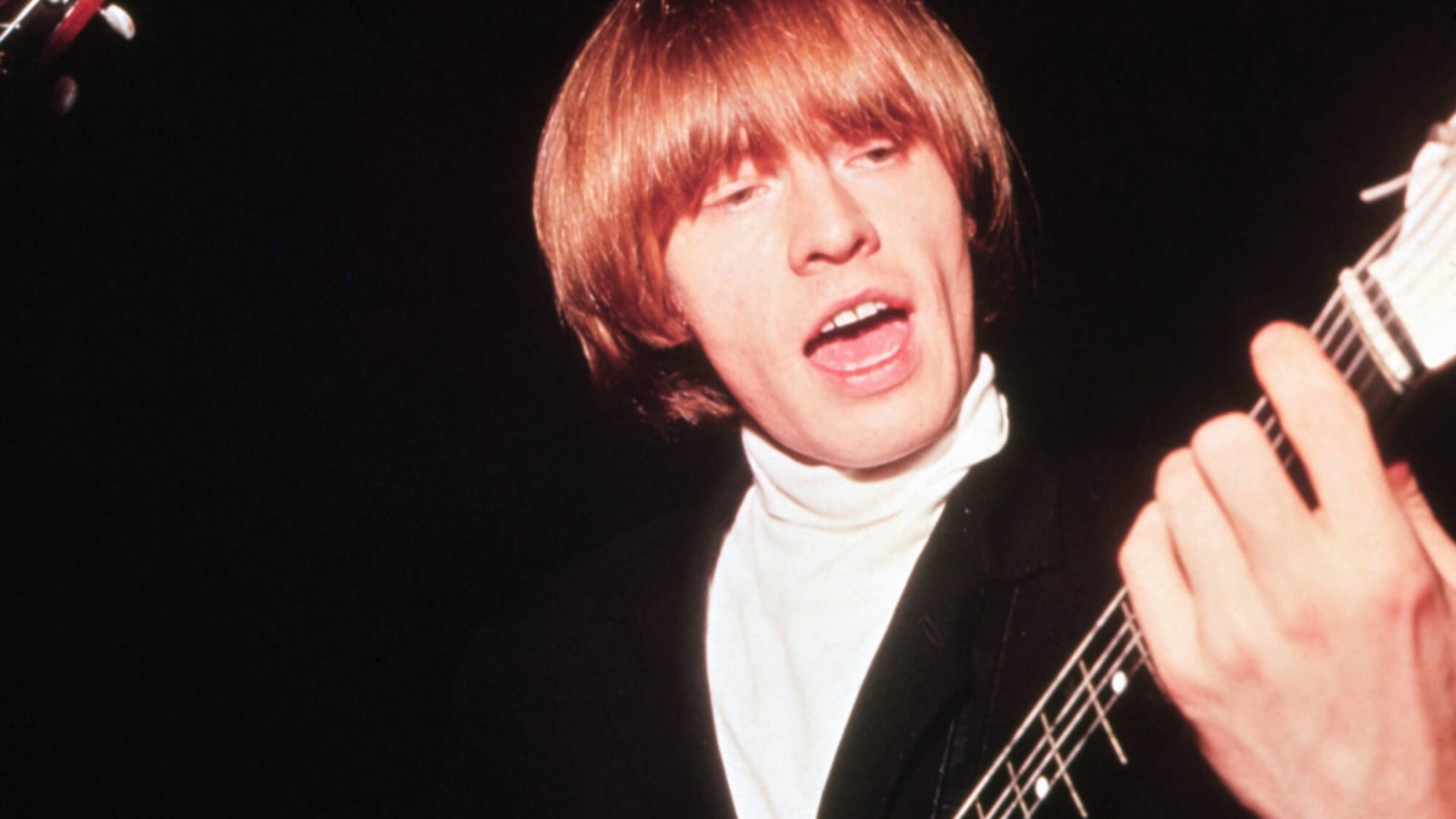
The "27 Club" refers to a group of influential musicians, actors, and artists who died at the age of 27, often due to drug and alcohol abuse, accidents, or acts of violence. While the phenomenon has become a significant piece of pop culture mythology, the "club" is an informal label rather than an organized entity, comprising individuals who passed away at this specific age across decades of cultural history.
Defining the 27 Club and Its Cultural Legacy
The term "27 Club" gained widespread traction in the 1970s following the deaths of Jimi Hendrix, Janis Joplin, and Jim Morrison, all of whom died within a two-year period at age 27. The convergence of these high-profile losses sparked an enduring, if morbid, fascination in the music industry. While the "club" is frequently cited as a statistical anomaly, it is important to clarify that no scientific study has definitively proven that 27 is a peak age for mortality among famous musicians compared to other ages.
Instead, the concept functions as a cultural touchstone—a way for fans and historians to categorize a generation of counterculture heroes whose lives were cut short at the precipice of their artistic maturity. The following historical timeline documents the most recognized members of this cohort, focusing on the historical figures who defined the term through their monumental contributions to music.
Historical Timeline of Prominent 27 Club Members
The following list organizes individuals widely associated with the 27 Club. This selection focuses on primary figures whose biographies are central to the cultural narrative surrounding the age-27 phenomenon.
Early Precedents: The Foundation
Before the media popularized the term, several figures set the precedent for the untimely end of young, revolutionary talent.
- Robert Johnson (1938): A legendary American blues guitarist and singer. He is often cited as the first "member" of the 27 Club. His influence on rock and roll is immeasurable, though historical records regarding his life remain famously sparse.
- Brian Jones (1969): As the founder and original leader of The Rolling Stones, Jones’s death marked the transition of the "27 Club" narrative into mainstream music journalism. His passing at his home in Sussex, England, shocked the music world and became a pivotal moment in late-1960s rock history.
The Peak of the Myth: 1970–1971
These three years solidified the "27 Club" in the public consciousness, as a cluster of legendary performers died in rapid succession.
- Jimi Hendrix (1970): Widely regarded as the greatest instrumentalist in the history of rock music, Hendrix redefined the capabilities of the electric guitar. His death in London via asphyxiation remains one of the most significant losses in music history.
- Janis Joplin (1970): Known for her powerful mezzo-soprano voice and raw, emotive performances, Joplin’s death followed Hendrix’s by mere weeks. She was a central figure in the psychedelic rock scene of the 1960s.
- Jim Morrison (1971): The charismatic and controversial lead singer of The Doors. His death in Paris concluded the intense cluster of losses that solidified the 27 Club's prominence in pop culture.
Subsequent Figures
In the decades following, the label continued to be applied to other prominent artists who died at the same age, extending the narrative into the modern era.
- Kurt Cobain (1994): The frontman of Nirvana and the defining voice of the 1990s grunge movement. His death brought renewed media attention to the "27 Club," as he was seen by many as a torchbearer for the same creative intensity displayed by his predecessors.
- Amy Winehouse (2011): A critically acclaimed singer-songwriter whose neo-soul and jazz-influenced style brought her massive international success. Her passing highlighted the persistent and tragic nature of the narrative in the 21st century.
Comparative Overview of Historical Figures
The following table provides a structured overview of these prominent figures to assist in understanding their chronological and professional impact.
| Name | Primary Role | Year of Death | Genre |
|---|---|---|---|
| Robert Johnson | Blues Musician | 1938 | Delta Blues |
| Brian Jones | Multi-instrumentalist | 1969 | Rock / Blues Rock |
| Jimi Hendrix | Guitarist / Singer | 1970 | Psychedelic Rock |
| Janis Joplin | Singer-songwriter | 1970 | Blues / Psychedelic Rock |
| Jim Morrison | Poet / Singer | 1971 | Psychedelic Rock |
| Kurt Cobain | Singer / Guitarist | 1994 | Grunge |
| Amy Winehouse | Singer-songwriter | 2011 | R&B / Jazz / Soul |
The Role of Public Perception and Media Bias
The "27 Club" is not a formalized record or a biological reality; it is a manifestation of media pattern-matching. When an artist dies, the public often looks for patterns, narratives, or "curses" to make sense of the loss. The number 27 acts as a narrative anchor. Because several highly famous musicians died at this age in the early 1970s, the "club" became a shorthand for the tragic intersection of genius and self-destruction.
However, analysts often point out that if one were to look for a "club" of artists dying at age 25, 28, or 32, one could likely find similar, if less "famous," clusters. The cultural persistence of the 27 Club is less about statistics and more about the impact of the individuals involved. The sheer scale of the musical influence of artists like Hendrix or Cobain ensures that any detail of their lives—including their age at death—is subject to intense historical preservation.
Examining the Factors Contributing to Early Mortality
While each individual’s situation was unique, the history of these artists often highlights significant societal and industrial pressures. The following factors frequently reappear in the biographies of these individuals:
- Substance Use and Dependency: Many of the artists associated with the 27 Club faced documented struggles with drug or alcohol dependency. During the mid-to-late 20th century, the medical understanding and social support systems for addiction were significantly less developed than they are in 2026.
- Professional Burnout: The intensity of the music industry—constant touring, studio demands, and the pressures of fame—often placed these individuals in high-stress environments.
- Lack of Specialized Support: Unlike contemporary artists, who often have structured teams focused on physical and mental health maintenance, these artists frequently navigated the height of their stardom with little to no professional psychological oversight.
- Mental Health Challenges: For several members, underlying mental health conditions went undiagnosed or untreated, exacerbating the risks posed by their lifestyle and public-facing careers.
Frequently Asked Questions
Is there a specific organization that maintains the 27 Club list?
No. There is no official organization or verifiable "membership" list. The 27 Club is a colloquialism used by the public, media, and biographers to refer to popular figures who died at that age. Because it is a cultural construct rather than a formal entity, the "list" of members can vary significantly depending on the source.
Why is the age 27 considered significant?
The significance is primarily mythological rather than scientific. It became a focal point in the 1970s because of the deaths of three massive icons—Hendrix, Joplin, and Morrison—all occurring within a short period. This created a lasting impression in the public memory that equates 27 with a tragic turning point for musicians.
Are there other celebrities in the "club" besides musicians?
Yes, the label is occasionally applied to actors and visual artists who also passed away at 27, such as the actor Anton Yelchin. However, the term remains most heavily associated with the music industry due to the high profile of the early rock-and-roll casualties who established the concept.
Have there been any recent additions to the 27 Club?
Since the concept is informal, there is no official "registration" of new members. Whenever a high-profile young musician passes away at 27, media outlets and social media users often resurrect the topic. In 2026, the term is frequently applied retroactively or discussed in the context of music history rather than as a current, ongoing organization.
Is the 27 Club a real phenomenon in medical statistics?
There is no evidence to suggest that musicians are statistically more likely to die at 27 than at any other age. Researchers who have examined mortality rates among famous musicians have found that while early mortality is a broader issue in the industry, it does not disproportionately target the age of 27.
Recommendations for Further Study
To understand the 27 Club accurately, it is essential to move beyond the mythology and examine the specific biographies of the artists involved. Rather than focusing on the age of 27 as a singular event, students of music history should look at the systemic issues—such as the lack of mental health resources for performers and the dangerous environments of the mid-20th-century music industry—that contributed to these premature deaths. For those interested in the cultural impact, reviewing primary source material, such as contemporary interviews and professional biographies, provides a clearer picture of these icons than the popularized "curse" narrative.