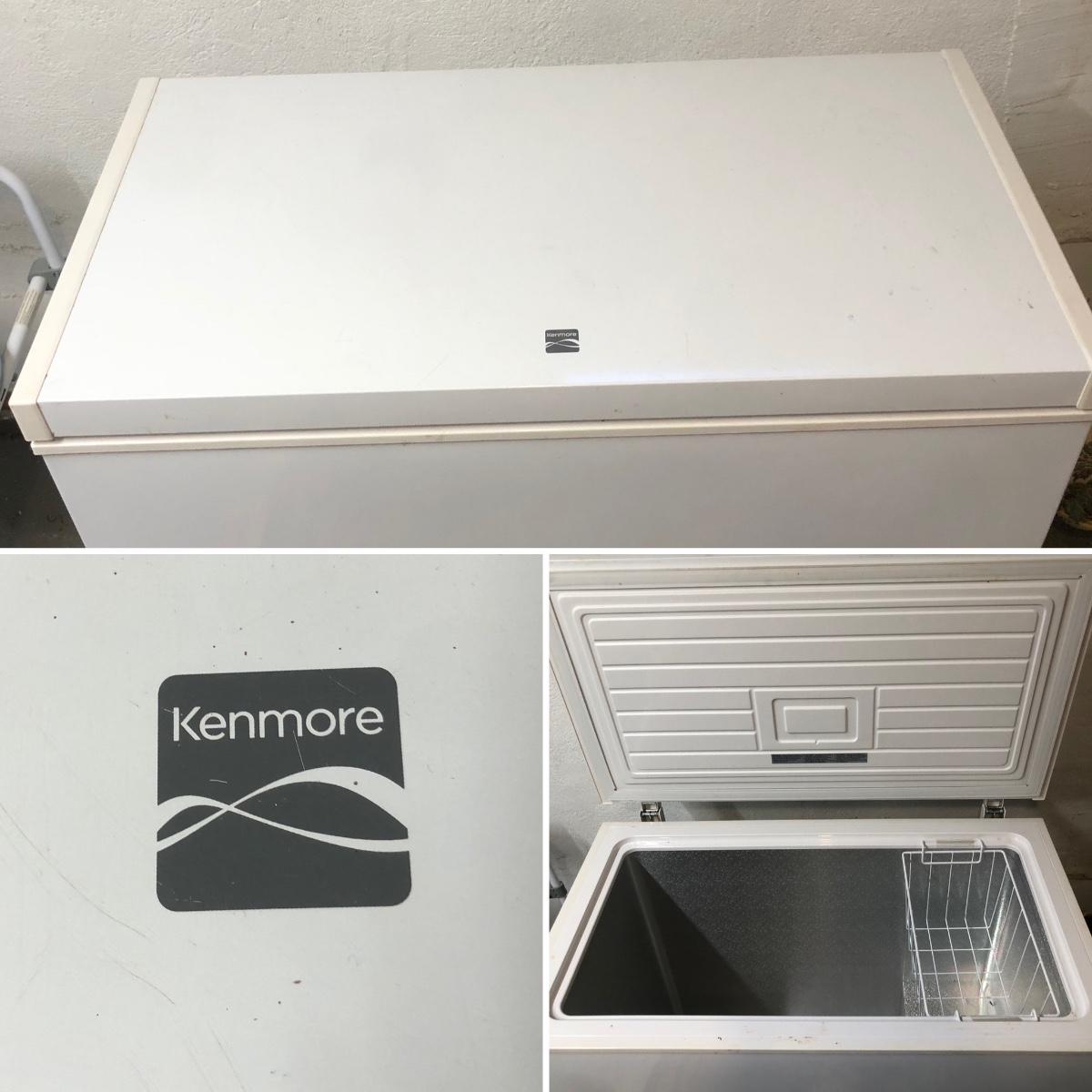
The Kenmore "253" prefix denotes appliances manufactured for the Sears Kenmore brand by Electrolux (Frigidaire). A Kenmore chest freezer with this prefix is a high-capacity, manually defrosted food preservation unit designed for long-term storage. These freezers are recognized for their reliable cooling performance, straightforward mechanical controls, and utility-focused design, making them a staple in garages, basements, and utility rooms across North America.
Understanding the Kenmore 253 Manufacturer Code
When searching for parts, troubleshooting, or evaluating the capabilities of a Kenmore chest freezer, the "253" at the beginning of the model number is the most critical piece of information. In the context of home appliances, Kenmore does not manufacture its own products; instead, it sources them from various major manufacturers. The first three digits before the decimal point serve as a manufacturer code, which guides owners to the correct technical documentation and compatible replacement parts.
A model number beginning with "253" signifies that the appliance was manufactured by the Frigidaire division of Electrolux. Understanding this lineage is essential because, while the unit is branded as Kenmore, the internal components—such as the compressor, condenser coils, evaporator, and thermostat—are engineered to Frigidaire specifications. When you search for an "overview" of these units, you are essentially looking at the operational philosophy of mid-to-late generation Frigidaire-built chest freezers.
Core Features and Design Philosophy
The design of the 253 series chest freezer prioritizes thermal efficiency and storage volume over aesthetic complexity. Unlike upright freezers, which use a vertical orientation and internal shelving, these chest-style units rely on deep storage wells and cold-wall technology to maintain temperatures typically set to 0°F (-18°C) or colder.
Cold-Wall Evaporator System
The primary feature of the 253 series is the cold-wall evaporator system. In these units, the cooling coils are embedded within the walls of the freezer cabinet rather than exposed inside the storage area. This design allows the entire interior wall to act as a heat exchanger, which promotes uniform cooling and reduces the drying effect on food—a common issue in frost-free upright units that circulate air via fans. Because they are not frost-free, these freezers are significantly more energy-efficient and quieter, though they require periodic manual defrosting.
Mechanical Temperature Control
The 253 series utilizes a simple, robust dial thermostat, usually located on the exterior or near the compressor housing. This mechanical control is valued for its longevity and ease of repair. Users can adjust the temperature through a set of increments (often labeled 1 through 7 or "Cold" to "Coldest"). This simplicity means there is less chance of electronic board failure, a common point of frustration in modern smart appliances.
Technical Specifications and Practical Considerations
To manage a 253 Kenmore chest freezer effectively, one must understand its operational requirements. Because these units are frequently installed in non-climate-controlled environments like garages, their performance is subject to external ambient temperatures.
Climate and Ambient Temperature Range
While standard residential freezers are designed for indoor use, many 253 models are rated for a specific ambient temperature range—typically between 40°F and 110°F. If the ambient temperature falls below the lower threshold in a cold climate, the freezer’s thermostat may fail to trigger the compressor because the surrounding air is already cold, potentially causing frozen contents to thaw. Conversely, if the unit is placed in a space exceeding 110°F, such as an unventilated shed in summer, the compressor may run continuously, leading to premature failure or reduced cooling capacity.
Power Requirements and Consumption
These units are designed for a standard 115V grounded electrical outlet. A dedicated circuit is strongly recommended to prevent tripping breakers, especially since the start-up current (inrush current) for a chest freezer compressor can be higher than its running wattage.
| Feature Category | Technical Characteristic | Impact on User |
|---|---|---|
| Defrost Method | Manual | Requires emptying and thawing periodically to maintain efficiency. |
| Cooling Type | Cold-wall / Static | Minimizes freezer burn; very quiet operation. |
| Control Type | Mechanical Dial | Highly reliable; easy to replace if it fails. |
| Seal Integrity | Magnetic Gasket | Critical for maintaining internal temp and preventing ice buildup. |
| Environment | 40°F - 110°F | Must be monitored if kept in a garage or shed. |
Maintenance and Long-Term Care
The lifespan of a 253 series Kenmore chest freezer is often measured in decades, provided the user performs routine maintenance. Because these units lack automated self-cleaning features, the burden of maintenance falls on the owner.
Defrosting Procedures
Manual defrosting is necessary when the ice layer on the interior walls exceeds 1/4 inch. Accumulated frost acts as an insulator, forcing the compressor to work harder and increasing power consumption. To defrost:
- Disconnect the power supply.
- Remove all food and store it in a temporary insulated container.
- Place towels and a shallow pan at the bottom of the unit to collect meltwater.
- Allow the unit to sit open until the ice melts. Avoid using metal scrapers, as they can puncture the interior liner or the refrigerant lines embedded in the wall.
- Dry the interior thoroughly before restarting the unit.
Gasket Inspection
The door gasket is the most common failure point. A damaged or worn gasket allows warm, moist air to enter, causing rapid ice buildup and increased energy bills. Periodically test the seal by placing a piece of paper in the door; if you can pull the paper out with little to no resistance, the gasket requires cleaning or replacement.
Troubleshooting Common Issues
When the freezer fails to function as expected, users can often diagnose the issue by checking the "253" manufacturer-specific components.
- Freezer is running but not cold: This often points to a low refrigerant charge, which is a sealed-system issue requiring a professional technician.
- Freezer makes a loud clicking sound: This is typically the start relay or the overload protector near the compressor attempting to cycle. It is a common, user-replaceable part that often resolves "no-start" scenarios.
- Excessive ice buildup: Check the door seal first. If the seal is intact, verify that the unit is not positioned against a wall that prevents it from closing fully, or that there isn't a food item obstructing the door.
- Unit won't turn on: Ensure the power cord is securely plugged in and check the home circuit breaker. If the interior light is also out, check for power at the outlet using a voltage tester.
Comparison: Chest Freezer vs. Upright Freezer
For many, the decision between a chest freezer and an upright model comes down to utility. The 253 chest freezer excels in bulk storage and energy efficiency. Because cold air is denser than warm air, it remains at the bottom of the chest freezer when the lid is opened, resulting in minimal cooling loss. Upright freezers, by contrast, lose cold air rapidly every time the door is opened.
However, the chest freezer requires "digging" to find items at the bottom. To optimize usage, organize contents by category—meat, vegetables, and pre-cooked meals—and use the included plastic baskets for smaller, frequently accessed items. Placing a piece of cardboard at the bottom can also prevent items from freezing to the liner, making defrosting much easier.
Safety and Best Practices for 2026
As of 2026, safety standards regarding appliance placement and maintenance remain consistent. Always ensure the freezer is placed on a level surface to prevent door misalignment. If you are moving the unit, keep it upright. If the freezer must be laid on its side during transport, wait at least 24 hours after positioning it upright before plugging it in. This allows the compressor oil, which may have shifted into the cooling lines, to settle back into the crankcase.
Additionally, consider the electrical safety of your setup. In 2026, many homeowners are using smart energy monitors to track the consumption of legacy appliances. A 253 Kenmore unit is an excellent candidate for this, as it allows you to verify if the unit is operating within the expected kilowatt-hour (kWh) usage parameters, helping you decide if it is time to perform a deep clean or consider a replacement if it is drawing excessive power.
Frequently Asked Questions
1. Can I use a timer with my 253 Kenmore chest freezer to save energy? No. Using an external timer to cycle the power on and off can cause the compressor to stall during restart, which may lead to permanent motor damage. These units are designed to be plugged in continuously, with the thermostat managing the compressor cycle automatically.
2. Why is my Kenmore 253 freezer developing frost so quickly? Excessive frost is almost always caused by moist air entering the unit. Check the integrity of the lid gasket, ensure the lid is closed fully after each use, and avoid opening the lid frequently in high-humidity conditions.
3. Is there a way to make the 253 more organized? Yes. You can use modular plastic bins or milk crates to create vertical sections within the freezer. This prevents the "buried treasure" effect and ensures better airflow around your food, provided you do not stack items so high that they prevent the lid from sealing.
4. Does the 253 model have a drain plug? Most 253 chest freezers include a drain plug at the bottom front. During the defrosting process, you can place a pan under this drain to direct meltwater away from the floor. Always ensure the drain cap is tightly re-secured after the unit is dried.
5. How long should a 253 chest freezer last? With proper maintenance—specifically keeping the condenser coils clean (if accessible) and the gasket sealed—these units frequently exceed 15 to 20 years of service. Mechanical simplicity is their greatest asset in achieving this longevity.
Final Recommendation
If you own a Kenmore 253 chest freezer, prioritize the health of the door gasket and keep the interior walls free of excessive frost. If the unit begins to show signs of mechanical failure, such as excessive running time or persistent warming, begin your troubleshooting by verifying the power supply and testing the start relay. If the cooling system itself has lost pressure, consult a licensed technician to determine if the cost of a sealed-system repair is justified compared to the unit's age. For those looking to purchase one, these units remain one of the most reliable and efficient methods for frozen food storage provided you are comfortable with manual defrosting.