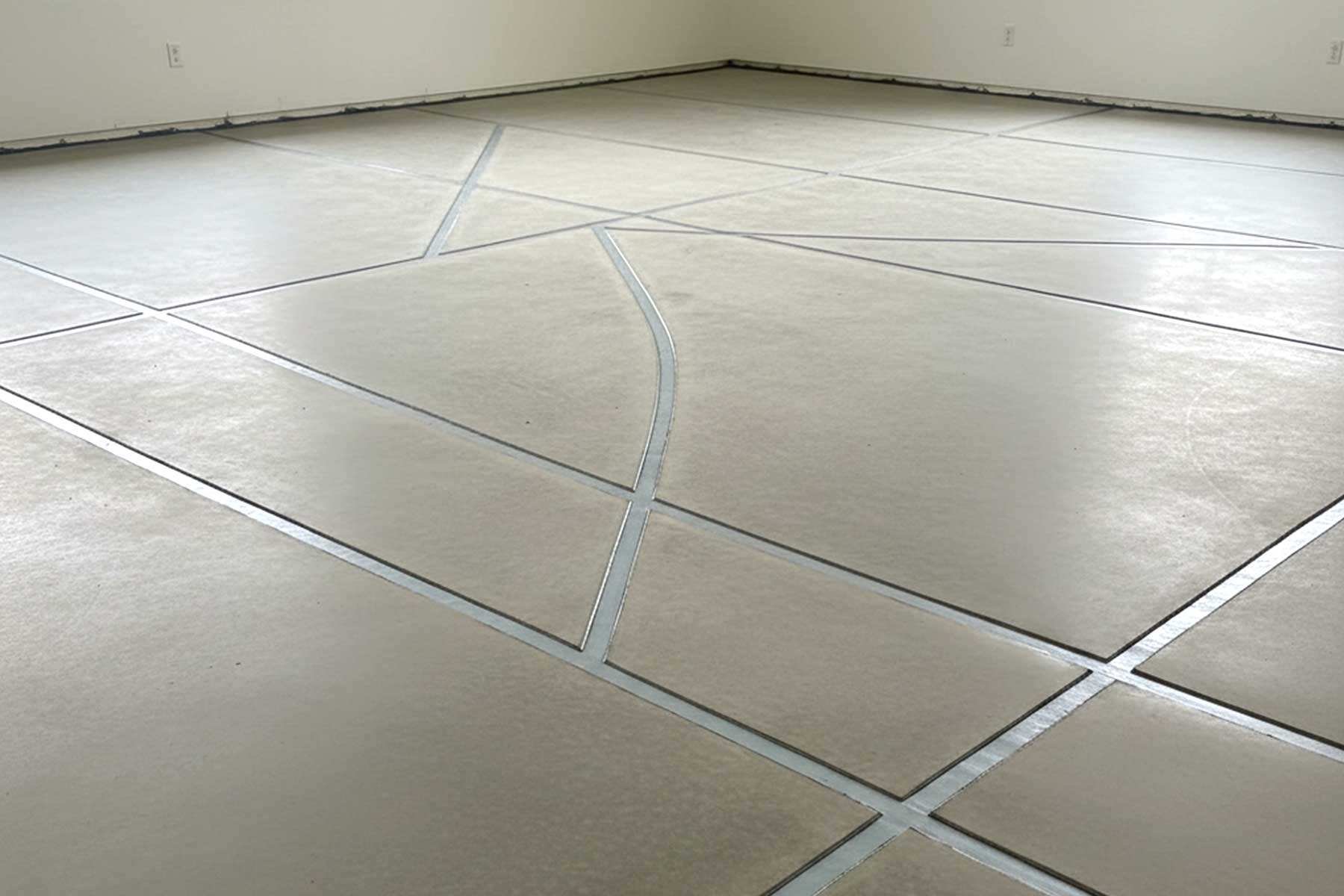
A $25,000 budget for slab foundation repair on a 1,475-square-foot home is generally considered a robust, realistic maximum in the 2026 market, provided the damage is localized or moderate. While costs vary based on the number of piers required, soil conditions, and accessibility, this investment level typically covers extensive structural stabilization, including the installation of 15 to 25 steel or concrete pilings.
The Dynamics of Slab Foundation Repair Costs
Foundation repair is a highly specialized trade where pricing is rarely calculated by a simple "price per square foot" metric. Instead, professional foundation companies assess the linear footage of the perimeter and the number of interior load-bearing points that require support. For a 1,475-square-foot home, which is a standard mid-sized residential footprint, the total cost depends heavily on the specific "lift" required and the method of intervention.
As of 2026, industry standards for professional foundation repair involve a mix of labor, geotechnical engineering reports, permit fees, and the physical materials—typically steel piers, concrete cylinders, or helical piles. When you set a $25,000 threshold, you are positioning yourself to handle more than just minor crack sealing; this budget typically allows for a comprehensive structural reinforcement of the slab.
Factors Influencing the Final Price
To understand why your estimate falls within the $25,000 range, it is essential to break down the variables that lead to price fluctuations.
- Soil Composition: The primary culprit for slab failure is expansive soil (such as clay), which shifts with moisture content. If your 1,475-square-foot home sits on highly reactive soil, the repair depth might need to be greater to reach "refusal"—the point at which the pier can no longer be driven deeper into the earth because it has hit stable strata or bedrock.
- Repair Method:
- Pressed Concrete Pilings: Generally the most economical option. They are effective but may be prone to settling again over decades.
- Steel Piers: The gold standard for stability. While more expensive, they provide a much higher margin of safety and longevity, making them a common choice when the homeowner has the budget to reach toward that $25,000 mark.
- Helical Piers: These are screwed into the ground rather than pushed. They are essential in areas with shallow water tables or loose soil.
- Access Challenges: The efficiency of the repair crew is dictated by the site. If the foundation is difficult to reach, requires removing landscaping, or involves tunneling under the slab for interior pier installation, the labor costs will increase significantly.
- Permitting and Inspections: Most municipalities require a permit for structural foundation work. In 2026, building codes have become increasingly stringent, requiring third-party engineering verification before and after the lift to ensure the home remains structurally sound.
Is $25,000 Sufficient?
For a 1,475-square-foot structure, $25,000 is often considered a "worst-case scenario" budget for moderate damage. If a professional engineer’s report suggests that you need more than 25–30 piers, the costs may creep beyond this cap. However, it is rare for a home of this size to require a "total" foundation replacement—which would involve lifting the entire house and pouring a new slab—as that procedure can easily cost double or triple your budget.
If your foundation company quotes you near the $25,000 limit, ensure the quote includes:
- A certified engineer’s pre-repair and post-repair assessment.
- Lifetime or transferable warranty documentation on the pilings.
- Debris removal and site cleanup.
- Plumbing testing (it is common to have a hydrostatic pressure test performed to ensure the foundation movement didn’t crack your sewer lines).
Comparative Repair Methods and Financial Implications
The following table compares common methods used in the industry today, reflecting typical market conditions for a 1,475-square-foot footprint.
| Method | Relative Cost | Durability | Best For |
|---|---|---|---|
| Pressed Concrete Piling | Moderate | Medium | Stable but settling soils |
| Steel Piling | High | Very High | Deep bedrock/unstable soil |
| Helical Pier | Highest | Excellent | High water tables/sand |
| Slab Piercing/Injection | Low | Low | Minor cosmetic issues |
Troubleshooting: When the Cost Exceeds $25,000
If you receive a quote that exceeds $25,000, do not assume it is unreasonable. There are specific conditions that drive prices upward. First, inquire about the "Scope of Work." Does the quote include interior piers? Installing piers inside a home is significantly more expensive than exterior work, as it requires moving furniture, cutting through flooring, and patching concrete.
Second, check if the foundation issue is secondary to a plumbing failure. If a leaking sewer line beneath the slab has washed away the soil (a process called "piping" or "void formation"), the foundation repair will fail if the leak isn't fixed first. Contractors often bundle these services, which can inflate the cost. Always request an itemized estimate to see if you are paying for non-structural plumbing repairs as part of your foundation budget.
Steps to Take Before Signing a Contract
Before committing your $25,000, take these professional steps to verify the work:
- Independent Engineer Report: Never rely solely on the foundation company’s assessment. Hire an independent licensed structural engineer to conduct a foundation elevation survey. They provide an unbiased "leveling plan" that you can present to multiple contractors for competitive bidding.
- Plumbing Leak Test: Before a company stabilizes the slab, have a licensed plumber perform a static test on the sewer lines. If the system fails, you must address the leak; otherwise, the new piers will not stop the house from settling again.
- Check for Warranty Details: Foundation companies in 2026 are increasingly offering "transferable warranties." Since you may sell the property in the future, a warranty that transfers to the next owner adds significant value to the home.
- Verify Licensing: Ensure the contractor holds the required state or local license for structural foundation repair. Check the company’s history with the local Better Business Bureau or equivalent state regulatory boards.
Managing Expectations: What "Repair" Means
It is vital to understand that "slab foundation repair" rarely returns a house to perfect, brand-new condition. The goal is "structural stabilization"—stopping further movement and closing significant gaps. Often, cosmetic issues such as sheetrock cracks or door frame misalignment may persist, though they will stop worsening. If your $25,000 budget is strictly for structural integrity, you will likely achieve your goal. If you expect a full aesthetic restoration of the home’s interior, you should budget additional funds for drywall repairs, repainting, and door adjustments once the foundation is stabilized.
Frequently Asked Questions
1. Does a $25,000 foundation repair increase my property tax valuation? Generally, major structural repairs like foundation stabilization are considered "maintenance" rather than "capital improvements" that add new square footage or livable amenities. While a stabilized house is more valuable, most assessors do not increase property tax valuations solely based on foundation repairs.
2. Should I use my insurance to pay for this? Most standard homeowners' insurance policies in 2026 exclude foundation settlement or shifting caused by soil conditions. Insurance typically only covers foundation damage if it is a direct result of a "covered peril," such as a sudden plumbing burst. Review your specific policy for "earth movement" exclusions.
3. How long does a 1,475-square-foot house repair take? Under normal circumstances, a crew can complete a foundation repair on a house of this size in 3 to 5 business days. Interior work or extensive tunneling can extend this timeframe.
4. What happens if the foundation continues to settle after the repair? A reputable company provides a warranty. If they use quality materials like steel piers, they often guarantee their work for the lifetime of the home. Always demand a copy of the warranty in writing before the work begins.
5. Do I need to move out during the repair? No. Foundation repair is typically performed from the outside of the home. Even if interior piers are required, workers usually only access a small section of the floor, and you can remain in the home throughout the process.
Final Recommendation
For a 1,475-square-foot home, a $25,000 budget is a strong position that allows you to choose high-quality materials and reputable contractors. Start by commissioning an independent structural engineering report to define the scope of the problem. Use that report to solicit at least three itemized bids from licensed, insured companies in your area. Prioritize firms that offer transferable warranties and clear, site-specific work plans rather than those who offer low-ball, vague estimates. By maintaining this professional approach, you ensure that your investment provides long-term structural security for your property.