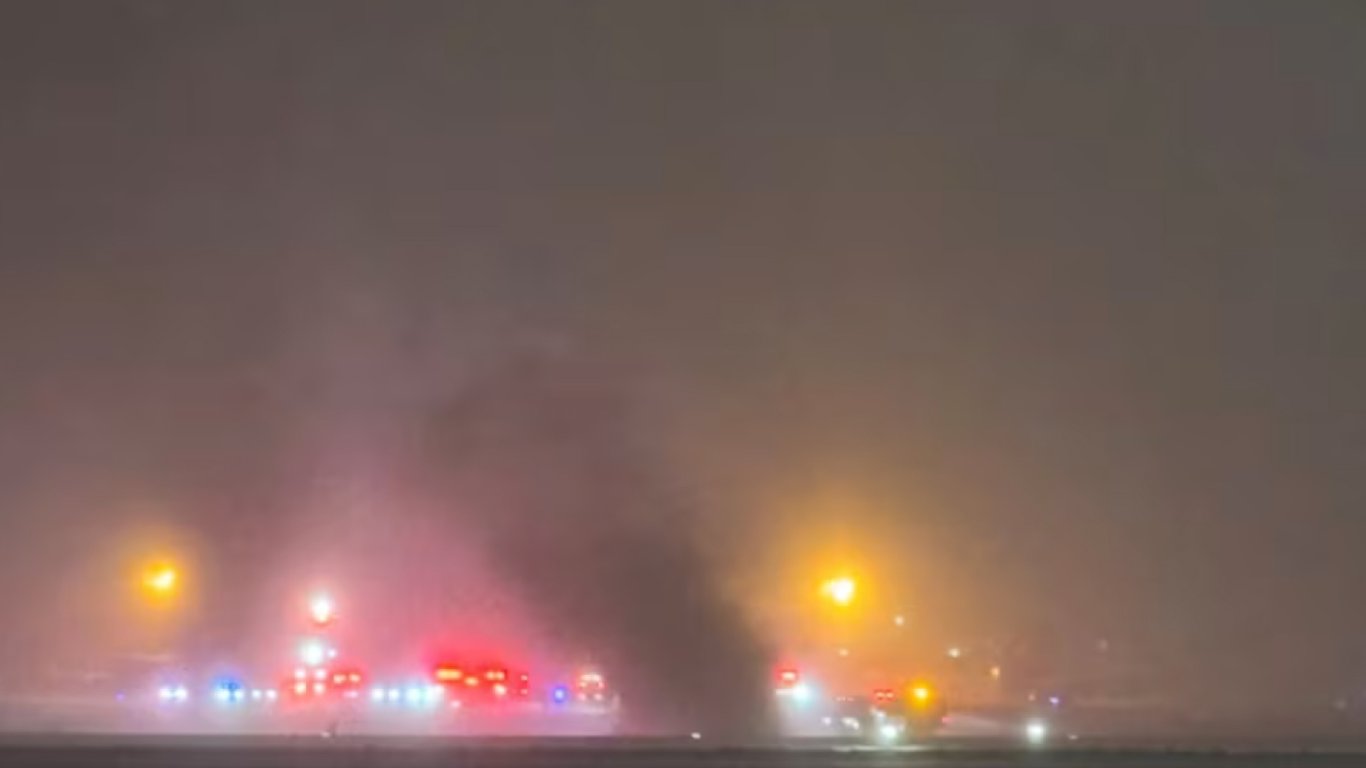
The 2024 Challenger 650 crash refers to a specific aviation event involving a Bombardier Challenger 650 business jet that experienced a fatal runway excursion and subsequent post-crash fire at Truckee Tahoe Airport (KTRK) in California on November 11, 2024. The investigation into this accident focuses on operational factors, environmental conditions, and mechanical performance during the final approach and landing sequence.
Contextualizing the Challenger 650 Platform
The Bombardier Challenger 650 is a mainstay of the super-midsize business jet category, known for its wide-cabin comfort, advanced avionics, and robust General Electric CF34-3B engines. Since its introduction, the aircraft has maintained a strong reputation for safety and reliability within corporate aviation fleets worldwide. Because the airframe is heavily utilized for charter and private transport, any incident involving this model draws significant scrutiny from regulators, including the National Transportation Safety Board (NTSB).
In the context of the 2024 event, it is vital to distinguish between a systemic design flaw and an operational accident. As of 2026, the NTSB’s ongoing evaluation of the data suggests that the investigation is centering on human factors and situational awareness during the landing phase, rather than a failure of the aircraft’s primary flight control or propulsion systems.
The November 2024 Incident at Truckee Tahoe
On the morning of November 11, 2024, a Challenger 650 jet attempted to land at Truckee Tahoe Airport. The airport is situated at an elevation of approximately 5,900 feet above mean sea level and is known for challenging mountain-adjacent terrain and variable wind conditions.
According to preliminary reports released by the NTSB, the aircraft failed to maintain its intended flight path and came to rest off the runway surface. The subsequent fire resulted in the total loss of the airframe and was fatal to those on board. For aviation professionals, this incident highlights the compounding difficulties of operating high-performance jets into regional airports that possess shorter runways or complex approach profiles compared to major international hubs.
Regulatory and Investigative Procedures
The investigation into a crash of this magnitude follows a strictly defined protocol established under 49 CFR Part 831. The NTSB functions as the lead investigative body, tasked with determining the "probable cause" of the accident.
- On-Scene Investigation: The initial team secures the wreckage, documents the debris field, and collects time-sensitive evidence such as ground scars and lighting conditions.
- Data Recovery: Specialists extract information from the Flight Data Recorder (FDR) and the Cockpit Voice Recorder (CVR). In a Challenger 650, these units provide high-fidelity readouts of throttle settings, surface deflections, and engine parameters.
- Environmental Analysis: Meteorologists review the Automated Weather Observing System (AWOS) data from KTRK to determine if wind shear or downdrafts played a role in the terminal phase of the flight.
- Maintenance Records: Investigators perform a thorough audit of the aircraft’s logbooks to ensure that the required 100-hour and annual inspections were current and that all service bulletins were complied with.
Technical Considerations for Challenger 650 Operations
The Challenger 650 utilizes the Rockwell Collins Pro Line 21 integrated avionics suite. Operators are trained to manage high-workload environments through the use of the Flight Management System (FMS) and Enhanced Ground Proximity Warning Systems (EGPWS). When reviewing a crash of this nature, industry experts often look for discrepancies between pilot inputs and the aircraft’s reaction as documented by the FDR.
One of the primary challenges in high-altitude, mountainous airports is the density altitude effect. Even if the actual temperature is mild, the "density altitude"—a calculation of how the air performs—can be significantly higher than the physical elevation. This reduces engine performance and lift efficiency, requiring higher true airspeeds for approach and landing. If a pilot fails to adjust landing distances for current density altitude, the aircraft may not be able to stop within the remaining runway length, leading to an overrun.
Comparative Analysis of Safety Metrics
To understand the rarity of this event, one must view it against the overall safety record of the Challenger 650 series. Business aviation safety is tracked through several metrics, including the hull loss rate per 100,000 flight hours.
| Metric | Challenger 650 Series | General Corporate Jet Average |
|---|---|---|
| Primary Missions | Long-range corporate | Mixed range/charter |
| Avg. Hull Loss Rate | Very Low | Low |
| Primary Safety Systems | Pro Line 21 / EGPWS | Similar Tier Systems |
| Common Risk Factor | Runway Excursions | Runway Excursions |
This table illustrates that while runway excursions are a universal risk for all aircraft in the super-midsize category, the frequency remains statistically low for the Challenger 650. The 2024 incident remains an outlier in a long history of safe operations for this specific airframe.
FAQ: Addressing Common Questions
Was the 2024 crash caused by a mechanical defect in the Challenger 650? As of 2026, no airworthiness directives (ADs) have been issued by the FAA or Transport Canada that link this specific accident to a design flaw in the Challenger 650. Investigations of this type focus on multiple factors, and mechanical failure is only one of many possibilities analyzed by the NTSB.
How does the Truckee Tahoe location affect landing safety? Truckee Tahoe is a challenging environment due to its high elevation, surrounding terrain that can cause unpredictable wind patterns, and a relatively short runway compared to primary commercial airports. These factors demand precise speed management and adherence to strict landing distance calculations.
Where can I find the official NTSB report on this incident? The NTSB publishes all active and closed investigations on their official website under the "Accident Database." Search by the date (November 2024) or the airport identifier (KTRK). Note that complex investigations often take several years to reach a "final report" stage.
Does this incident affect the insurance rates for Challenger 650 owners? While insurance premiums for aviation are influenced by fleet-wide safety statistics, a single high-profile accident does not usually cause an immediate, isolated spike in rates for all operators. Insurers weigh the pilot experience, maintenance rigor, and specific usage patterns of the individual aircraft more heavily.
Next Steps for Stakeholders
For those currently operating or managing Challenger 650 aircraft, the primary takeaway is the importance of "stable approach" criteria. Operators should reinforce standard operating procedures (SOPs) regarding go-around triggers. If an approach is not stabilized by a pre-defined altitude, the safest action is always to execute a missed approach rather than attempting to force a landing.
As the industry moves through 2026, the final findings from the NTSB will eventually provide a clear roadmap for any necessary training adjustments. Aviation professionals are advised to monitor official NTSB dockets for updates rather than relying on speculative analysis found in media outlets. Safety management systems (SMS) should be used to review internal landing performance protocols and ensure that all crew members are briefed on the risks associated with high-altitude, mountain-adjacent airports.