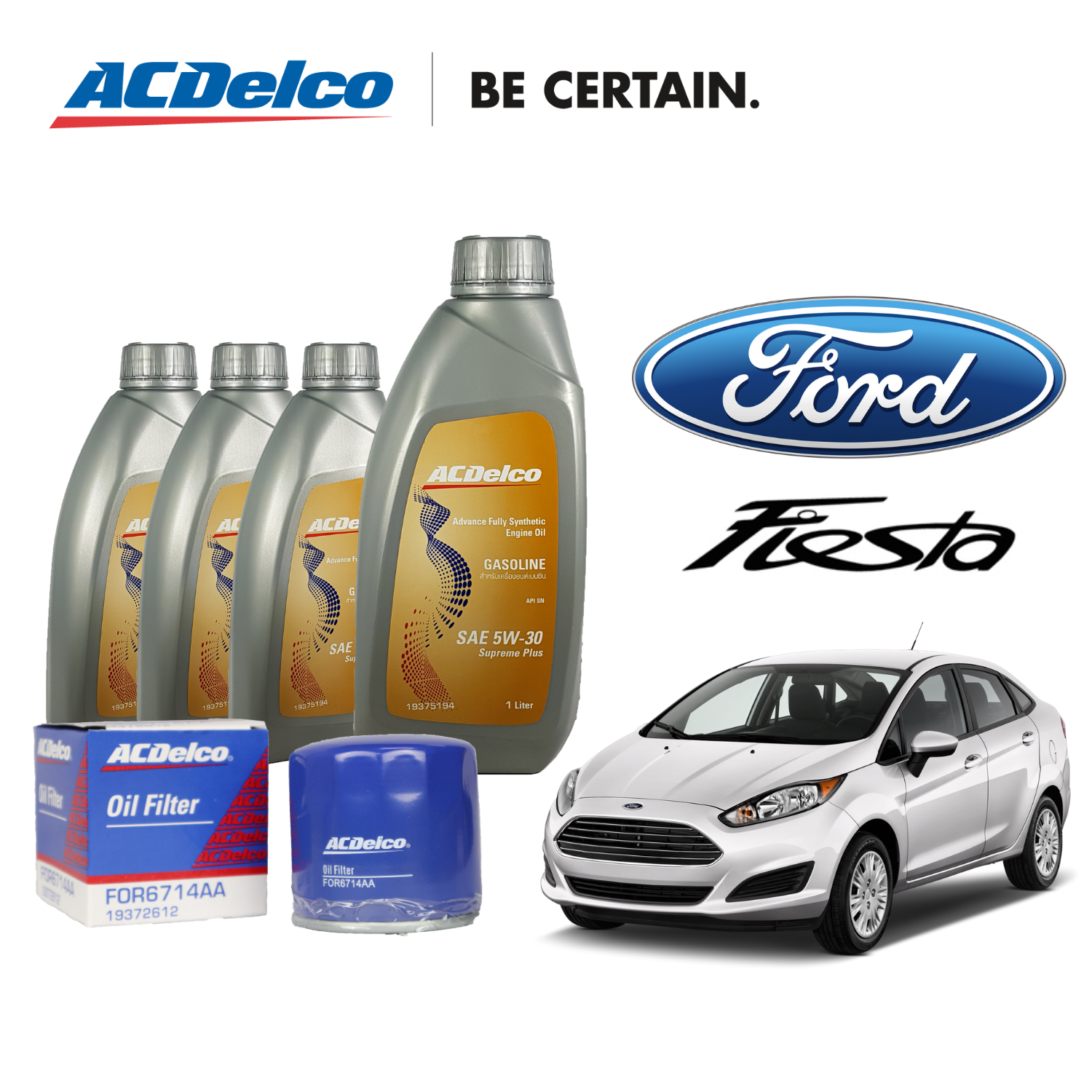
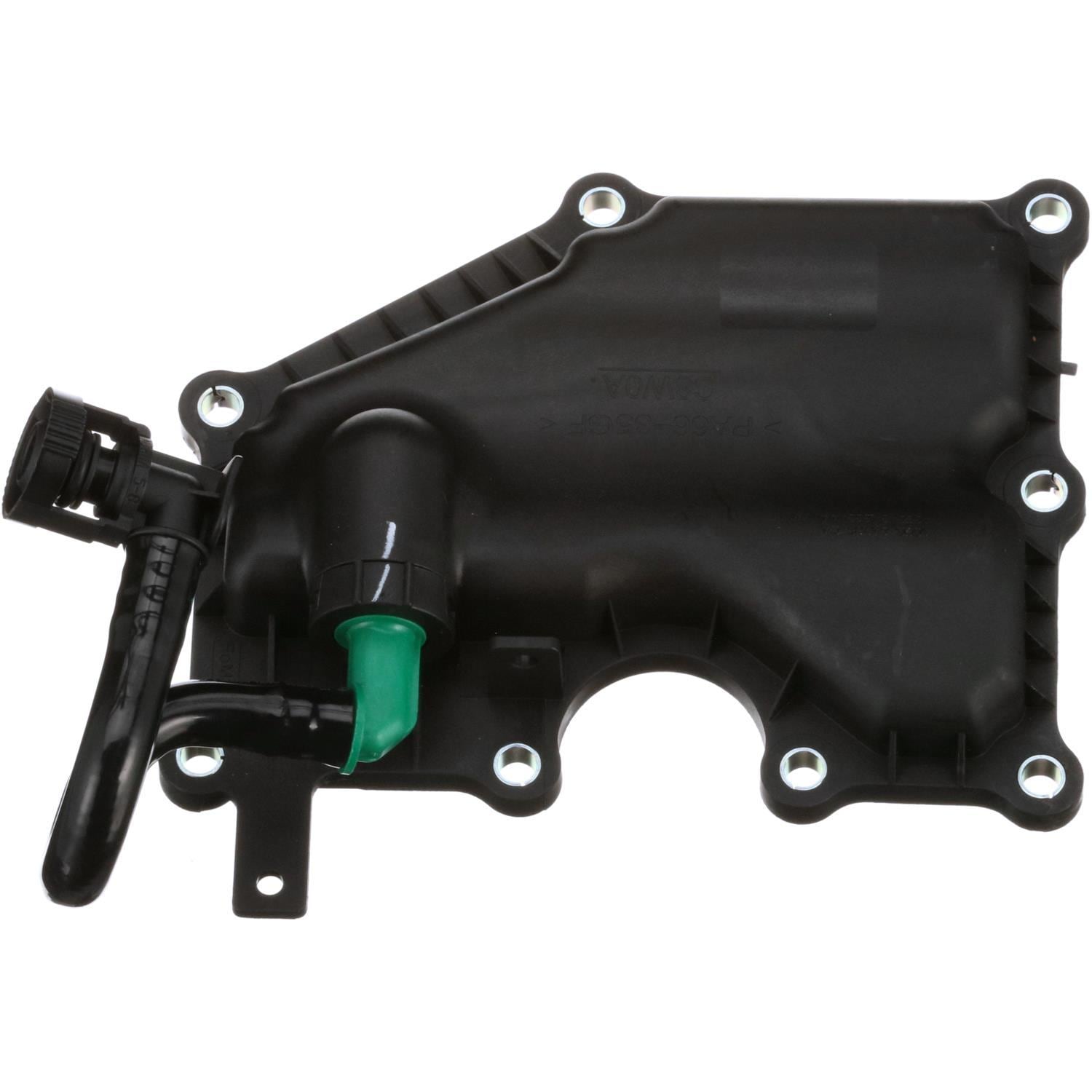
The 2014 Ford Fiesta oil capacity varies depending on the engine option installed in the vehicle. The 1.6-liter Ti-VCT naturally aspirated inline-four engine holds 4.3 quarts (4.1 liters) of oil with the filter change. The high-efficiency 1.0-liter EcoBoost three-cylinder turbocharged engine requires 4.5 quarts (4.3 liters), while the performance-focused 1.6-liter EcoBoost engine found in the Fiesta ST requires 5.4 quarts (5.1 liters), all capacities inclusive of a new oil filter.
Performing a routine oil change on a 2014 Ford Fiesta is one of the most effective ways to maximize engine longevity, maintain fuel efficiency, and protect complex internal components from premature wear. Because Ford produced this model year with three distinct engine variants, identifying your exact engine configuration is the critical first step before purchasing fluids and filters. Selecting the correct oil viscosity, maintaining precise fluid levels, and following proper service intervals ensure your subcompact vehicle operates at peak performance throughout its lifespan.
Understanding 2014 Ford Fiesta Engine Options and Specifications
When servicing a 2014 Ford Fiesta, technicians and DIY mechanics must first verify which powertrain sits under the hood. Ford offered the North American and European markets several engine architectures for this model year, each with different lubrication requirements, sump designs, and cooling demands.
The 1.6L Ti-VCT Naturally Aspirated Engine
The standard engine for most base and mid-trim 2014 Ford Fiesta models is the 1.6-liter Twin Independent Variable Camshaft Timing (Ti-VCT) four-cylinder engine. This conventional, non-turbocharged powerplant is designed for daily commuting reliability and fuel economy.
- Oil Capacity: 4.3 quarts (4.1 liters) with filter replacement.
- Recommended Oil Weight: SAE 5W-20.
- Ford Specification: WSS-M2C945-A (or equivalent API certified oil meeting ILSAC GF-5).
The 1.0L EcoBoost Three-Cylinder Engine
Introduced to improve fuel efficiency significantly, the 1.0-liter EcoBoost engine utilizes turbocharging and direct fuel injection to generate impressive power from a remarkably small displacement. This engine features a unique wet-belt oil pump design, making the use of exact oil specifications vital for longevity.
- Oil Capacity: 4.5 quarts (4.3 liters) with filter replacement.
- Recommended Oil Weight: SAE 5W-20 (or SAE 5W-30 depending on specific regional calibration, though 5W-20 is standard for North America).
- Ford Specification: WSS-M2C948-B is preferred globally for this engine, though meeting standard API specifications matching regional owner's manual guidance is acceptable.
The 1.6L EcoBoost Fiesta ST Engine
Reserved exclusively for the high-performance Fiesta ST hot hatch, the 1.6-liter turbocharged EcoBoost engine delivers sporty acceleration and higher operating temperatures. Because of the turbocharger's cooling and lubrication demands, as well as a slightly larger overall oil pan design, this variant holds a significantly higher volume of lubricant.
- Oil Capacity: 5.4 quarts (5.1 liters) with filter replacement.
- Recommended Oil Weight: SAE 5W-30.
- Ford Specification: WSS-M2C946-A.
Summary of 2014 Ford Fiesta Oil Capacities and Specifications
| Engine Type | Trim Levels | Oil Capacity (With Filter) | Recommended Viscosity | Ford Specification |
|---|---|---|---|---|
| 1.6L Ti-VCT 4-Cylinder | S, SE, Titanium | 4.3 quarts (4.1 liters) | SAE 5W-20 | WSS-M2C945-A |
| 1.0L EcoBoost 3-Cylinder | SE (EcoBoost Fuel Economy Package) | 4.5 quarts (4.3 liters) | SAE 5W-20 | WSS-M2C948-B |
| 1.6L EcoBoost 4-Cylinder | ST | 5.4 quarts (5.1 liters) | SAE 5W-30 | WSS-M2C946-A |
Choosing the Right Oil Type and Viscosity
Selecting the correct engine oil goes beyond simply matching the quart capacity. Modern automotive engines rely on precise oil viscosities to maintain proper hydraulic pressure for variable valve timing systems, ensure rapid cold-weather startup flow, and provide a stable lubricating film under high operating temperatures.
Synthetic versus Conventional Oils
Ford factory fill guidelines for the 2014 Ford Fiesta generally permit high-quality conventional or synthetic-blend oils that meet the required API and Ford material specifications. However, upgrading to a full synthetic oil offers superior thermal stability, reduced sludge formation, and better resistance to breakdown during severe driving conditions such as frequent stop-and-go city traffic, extreme ambient temperatures, or aggressive driving in the Fiesta ST.
Viscosity Explained
Viscosity dictates how fluidly an oil flows at specific temperatures.
- SAE 5W-20: Used for the standard 1.6L Ti-VCT and the 1.0L EcoBoost. The "5W" indicates cold-weather flow capability, ensuring the oil pumps quickly through narrow internal galleries during winter startups. The "20" denotes the kinematic viscosity at standard operating temperatures (100°C).
- SAE 5W-30: Specified for the high-output 1.6L EcoBoost in the Fiesta ST. The slightly thicker high-temperature rating provides extra protection for turbocharger bearings operating under high boost pressures and elevated thermal loads.
Always verify that the oil container displays the American Petroleum Institute (API) certification starburst seal and meets the specific Ford material engineering standards listed in your vehicle's owner documentation.
Step-by-Step Oil Change Procedure for a 2014 Ford Fiesta
Executing a clean, professional-grade oil change on your Fiesta requires minimal specialized tools, though safety gear and proper containment equipment are mandatory.
Tools and Supplies Required
- Correct volume of engine oil (refer to the capacity chart for your specific engine)
- Replacement oil filter (Motorcraft FL-910S for the 1.6L Ti-VCT, or engine-specific equivalent)
- Oil filter wrench or strap tool
- Metric socket set (typically a 15mm or 13mm socket for the oil pan drain plug, depending on aftermarket or factory pan configurations)
- Drain pan and funnel
- Clean shop rags or paper towels
- Floor jack and sturdy jack stands (never work under a vehicle supported solely by a hydraulic jack)
- Wheel chocks
Step 1: Preparation and Safety
Park the vehicle on a level surface, engage the parking brake firmly, and place wheel chocks behind the rear tires. Start the engine and let it run for three to five minutes to warm the oil, which thins the fluid and allows contaminants to suspend within it. Turn off the ignition. Raise the front of the vehicle using a hydraulic jack at approved factory lift points and secure it safely with jack stands.
Step 2: Draining the Old Oil
Locate the oil drain plug on the bottom of the oil pan underneath the engine bay. Position your drain pan directly beneath the plug. Using the appropriate socket wrench, loosen the drain plug counterclockwise. Carefully remove the plug by hand, ensuring you pull your hand back quickly as the warm oil begins to stream out. Inspect the drain plug and its rubber gasket or crush washer for damage; replace the washer if worn to prevent slow leaks. Allow the oil to drain completely until it reduces to a slow drip. Wipe the drain plug mating surface clean and reinstall the plug, tightening it to manufacturer torque specifications (typically around 19–25 lb-ft, avoiding over-tightening which can strip the oil pan threads).
Step 3: Replacing the Oil Filter
Locate the oil filter, which is mounted on the front or side of the engine block depending on your specific engine variant. Place your drain pan under the filter location to catch residual fluid. Use an oil filter wrench to loosen the filter counterclockwise, then spin it off by hand, keeping the open end tilted upward to minimize spills.
Before installing the new filter, take a small amount of clean new engine oil on your finger and smear it lightly across the rubber O-ring gasket of the replacement filter. This ensures a proper seal and prevents the gasket from sticking during the next service. Screw the new filter onto the mounting stud clockwise until the rubber gasket makes firm contact with the engine block, then turn it an additional three-quarters to one full turn by hand. Do not use a wrench to tighten the new filter, as over-tightening can crush the gasket or damage the housing threads.
Step 4: Refilling with Fresh Oil
Remove the oil filler cap located on top of the valve cover. Insert a clean funnel into the filler opening. Pour in the calculated amount of oil based on your engine capacity—for example, start by pouring in 4.0 quarts for the 1.6L Ti-VCT engine to leave room for verification.
Remove the funnel, secure the oil filler cap, and start the engine. Let it idle for 30 to 60 seconds while observing the dashboard oil pressure warning light, which should extinguish almost immediately. Check underneath the car for any signs of leaking around the drain plug or oil filter. Shut off the engine, wait five minutes to allow oil to drain back down into the oil pan, and pull out the dipstick to check the level. Wipe it clean, reinsert it fully, and pull it out again to verify the fluid level sits squarely between the minimum and maximum marks. Add small amounts of oil if necessary to reach the optimal level.
Common Mistakes to Avoid During an Oil Service
Even experienced DIYers can run into preventable issues when servicing compact commuter vehicles like the Ford Fiesta.
- Over-Tightening the Drain Plug or Filter: The oil pan on many modern vehicles is constructed from lightweight aluminum alloys. Forcing a drain plug past its specified torque rating can strip the threads in the oil pan, requiring costly thread repairs or complete pan replacement. Similarly, over-tightening the oil filter can distort the rubber seal, leading to catastrophic oil loss while driving.
- Double-Gasketing the Oil Filter: When removing an old oil filter, occasionally the rubber O-ring gasket sticks to the engine mounting pad rather than coming off with the old filter. If a new filter is screwed directly onto this old gasket, oil will blow out immediately upon startup. Always inspect the old filter to ensure the rubber gasket came off with it.
- Incorrect Fluid Quantities: Pouring the exact maximum capacity without checking the dipstick can lead to overfilling. Overfilled oil causes excessive internal crankcase pressure, foaming, aeration, and increased drag on moving parts, which can damage seals and gaskets. Always finish by reading the dipstick on level ground.
- Ignoring Reset Procedures for the Oil Life Monitor: The 2014 Ford Fiesta features an intelligent oil life monitor system in the instrument cluster. Failing to reset this system after an oil change means the vehicle will continue calculating remaining oil life based on previous driving cycles, prompting premature or delayed service warnings in the future.
How to Reset the Oil Life Monitor on a 2014 Ford Fiesta
After completing your oil change, you must reset the internal computer monitoring system. The procedure varies slightly depending on whether your vehicle is equipped with a basic dashboard display or the SYNC infotainment system.
- Turn the ignition key to the ON position without starting the engine (or press the Start/Stop button without holding the brake pedal).
- Use the directional control pad on the left side of the steering wheel to navigate through the dashboard menu.
- Scroll to Settings, select Vehicle, and then locate Oil Life Reset.
- Press and hold the OK button on the steering wheel control pad. The screen will display a confirmation message indicating that the oil life has been reset to 100%.
- Turn off the ignition.
Frequently Asked Questions
What happens if I put too much oil in my 2014 Ford Fiesta?
Overfilling your Fiesta engine beyond the maximum dipstick mark can cause the crankshaft to whip the oil into a foam. Aerated oil loses its hydraulic and lubricating properties, potentially leading to valve train wear, overheating, and blue smoke exiting the exhaust system. If you overfill the engine, drain the excess amount by loosening the drain plug slightly or using an extraction pump through the dipstick tube.
How often should I change the oil in a 2014 Ford Fiesta?
Standard conventional oil changes are generally recommended every 5,000 miles or six months, whichever comes first. If you use high-quality full synthetic oil and operate the vehicle under normal highway conditions, service intervals can often be extended to 7,500 or 10,000 miles, though monitoring the vehicle's intelligent oil life system is the best method for determining exact timing.
Can I use 5W-30 in a standard 1.6L Ti-VCT 2014 Ford Fiesta?
While using 5W-30 in an emergency will not immediately destroy a standard 1.6L engine, you should stick to the manufacturer-specified 5W-20 for optimal fuel economy and variable valve timing performance. The tighter tolerances and lighter viscosity requirements of the non-turbo engine perform best with 5W-20 oil.
Where is the oil filter located on a 2014 Ford Fiesta 1.6L?
On the standard 1.6L Ti-VCT engine, the oil filter is mounted on the front lower section of the engine block, accessible easily from underneath the vehicle once any aerodynamic splash shields or skid plates are removed or unclipped.
Is a torque wrench necessary for an oil change?
While many professional and home mechanics tighten drain plugs and filters by feel, using a calibrated torque wrench on the oil drain plug is strongly recommended for DIYers to prevent stripped aluminum oil pan threads.
Final Recommendations and Next Steps
Maintaining the correct oil capacity and fluid specifications in your 2014 Ford Fiesta ensures reliable daily transportation and preserves engine health. Before beginning any maintenance, verify your specific engine variant—whether standard Ti-VCT, efficient 1.0L EcoBoost, or high-performance ST—to ensure you purchase the correct volume of oil and the appropriate filter. Always dispose of used motor oil and old filters responsibly by taking them to a local auto parts retailer or recycling center equipped for fluid disposal.