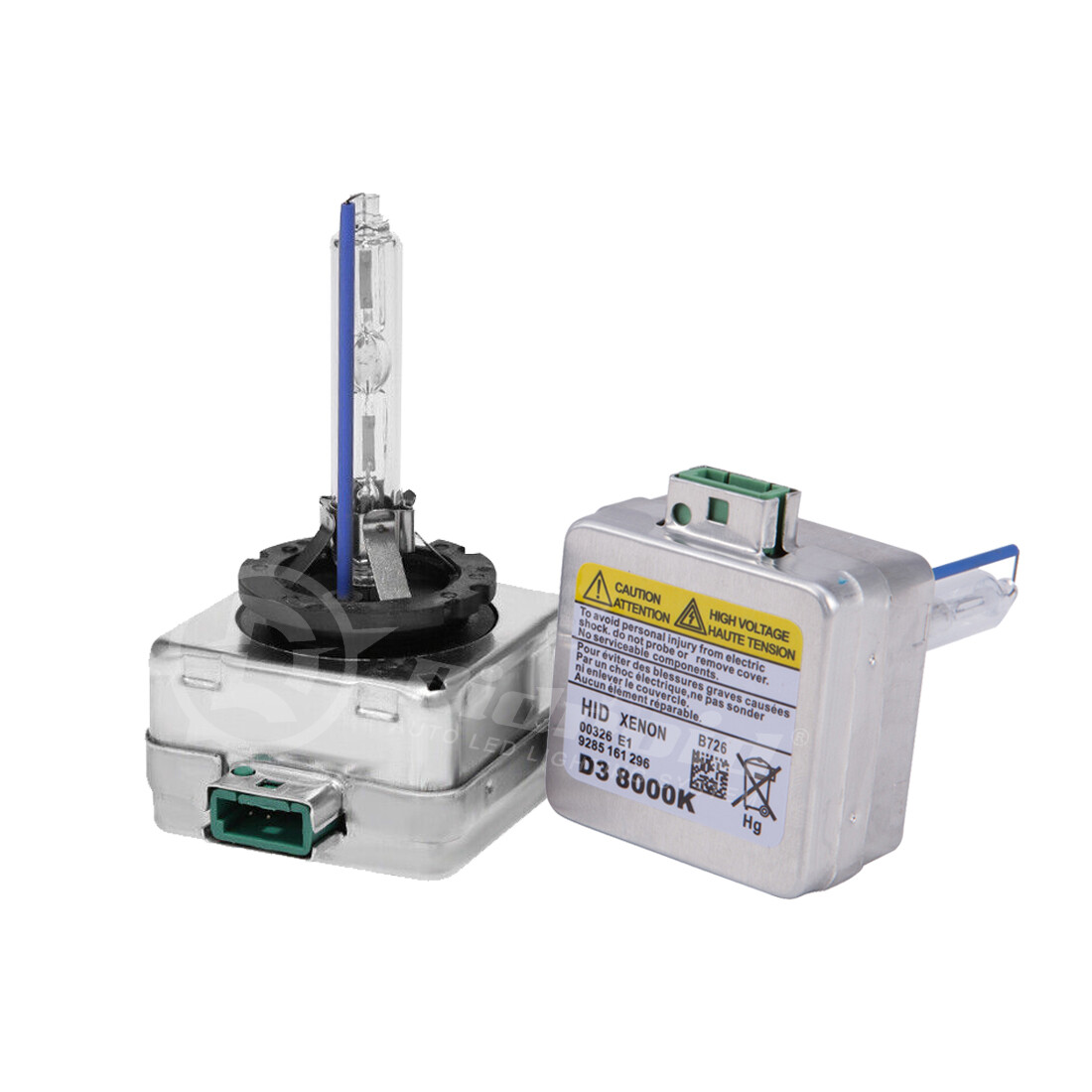
For the 2013 Audi Q5, headlight bulb selection depends entirely on whether the vehicle is equipped with factory Halogen or Bi-Xenon (HID) housings. Most models feature D3S HID bulbs for the main beams, while base trims utilize H7 halogen bulbs. Auxiliary lighting typically requires H11 bulbs for fog lights and PSY24W for front turn signals.
Choosing the correct bulb for a 2013 Audi Q5 requires a nuanced understanding of the vehicle’s "facelift" transition. As of 2026, many of these vehicles are entering a phase where original HID ballasts or factory halogen filaments are reaching the end of their operational life. Replacing them involves more than just matching a socket; it requires balancing color temperature, lumen output, and the complex CAN bus electrical monitoring system inherent to Audi’s B8.5 platform.
Identifying Your 2013 Audi Q5 Headlight Type
Before exploring bulb options, you must verify which headlight assembly your Q5 uses. The 2013 model year marked a significant refresh for the Q5, often referred to as the B8.5 generation.
Bi-Xenon (HID) Systems
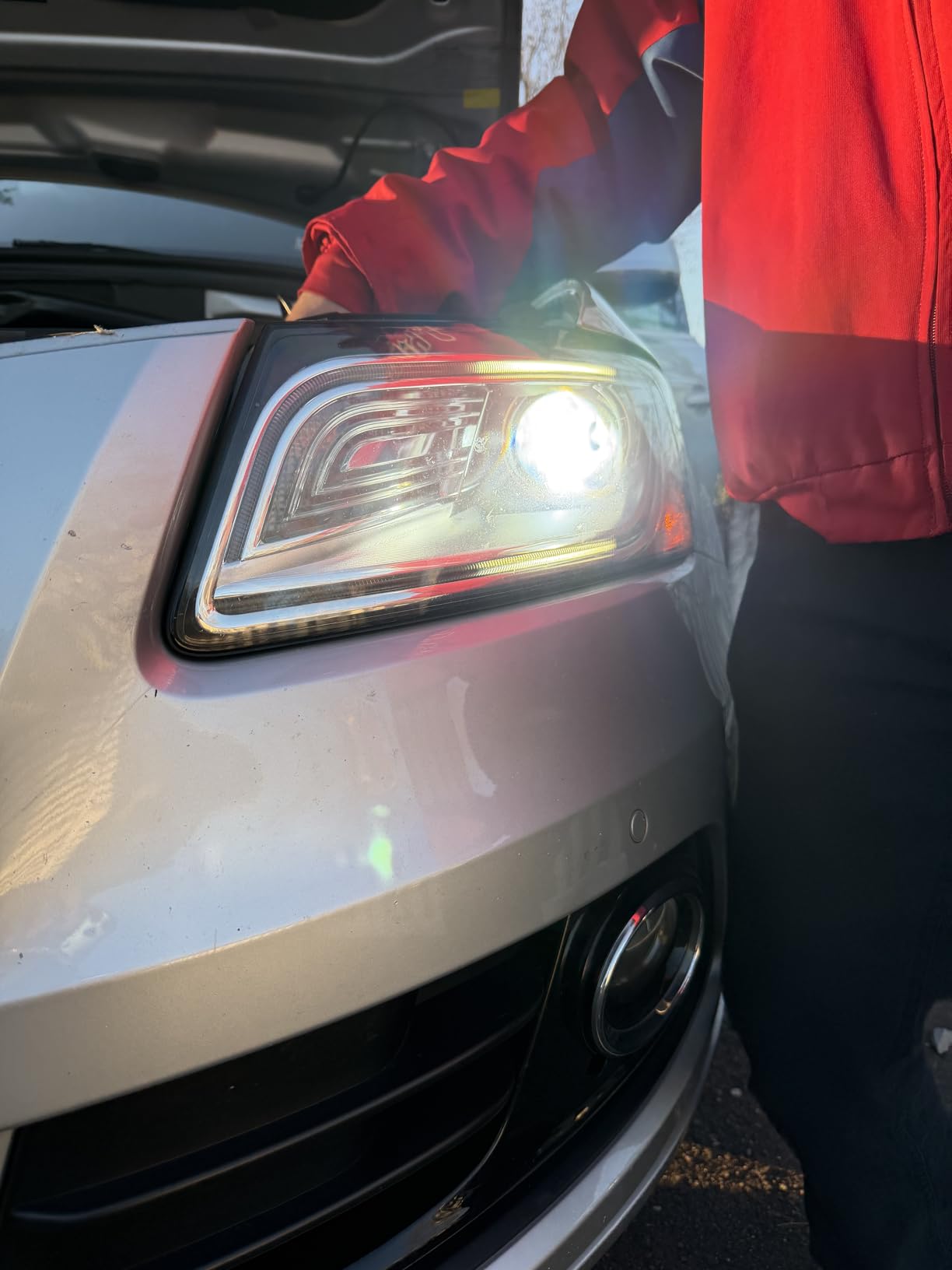
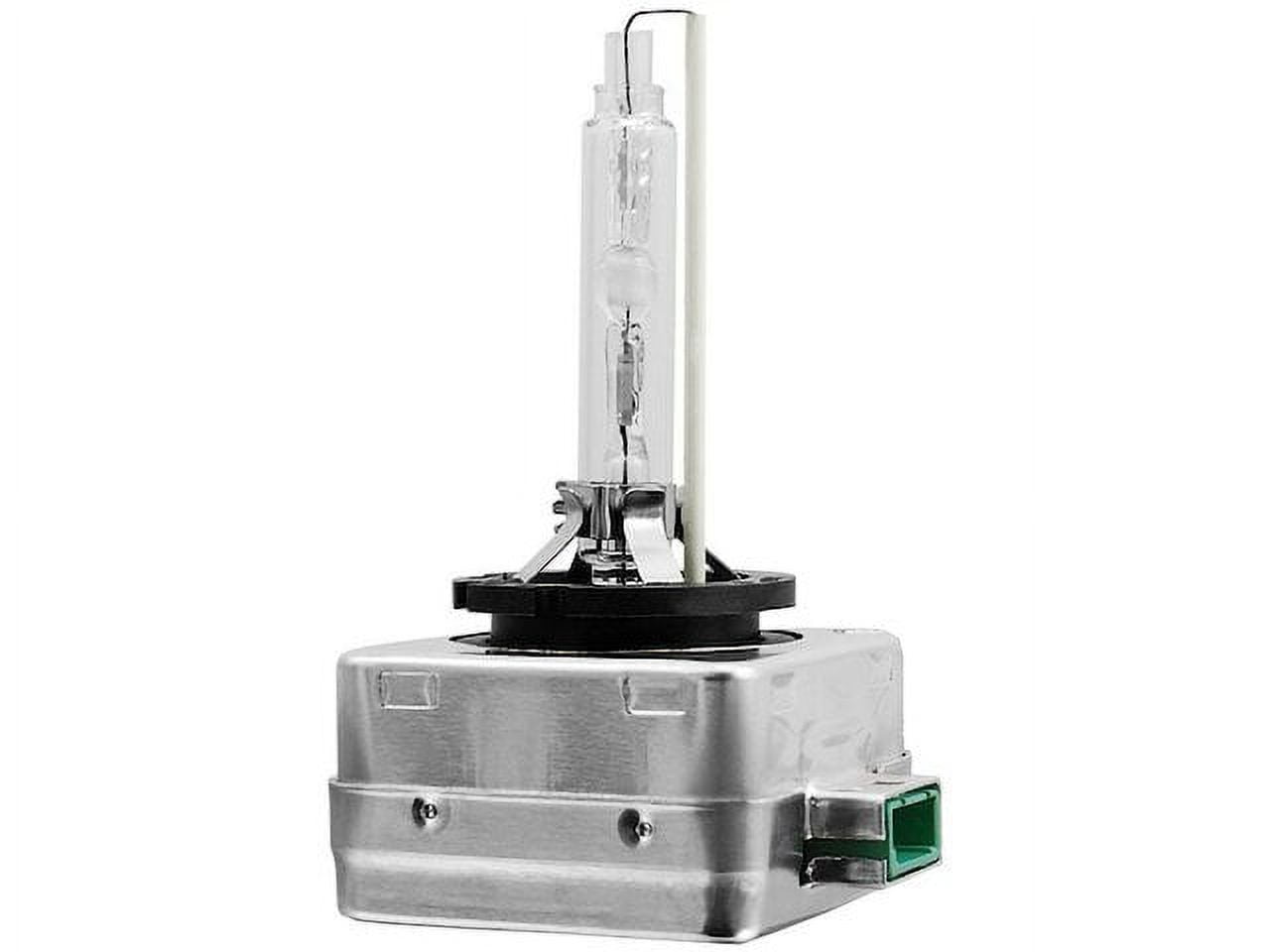
If your headlights feature a distinct circular glass projector lens and a signature "tube" of LED daytime running lights (DRL) that wraps around the outer edge of the housing, you have the Bi-Xenon system. These systems use a single High-Intensity Discharge (HID) bulb for both high and low beams, utilizing a mechanical shutter to transition between the two. The bulb type for this system is almost exclusively the D3S.
Halogen Systems
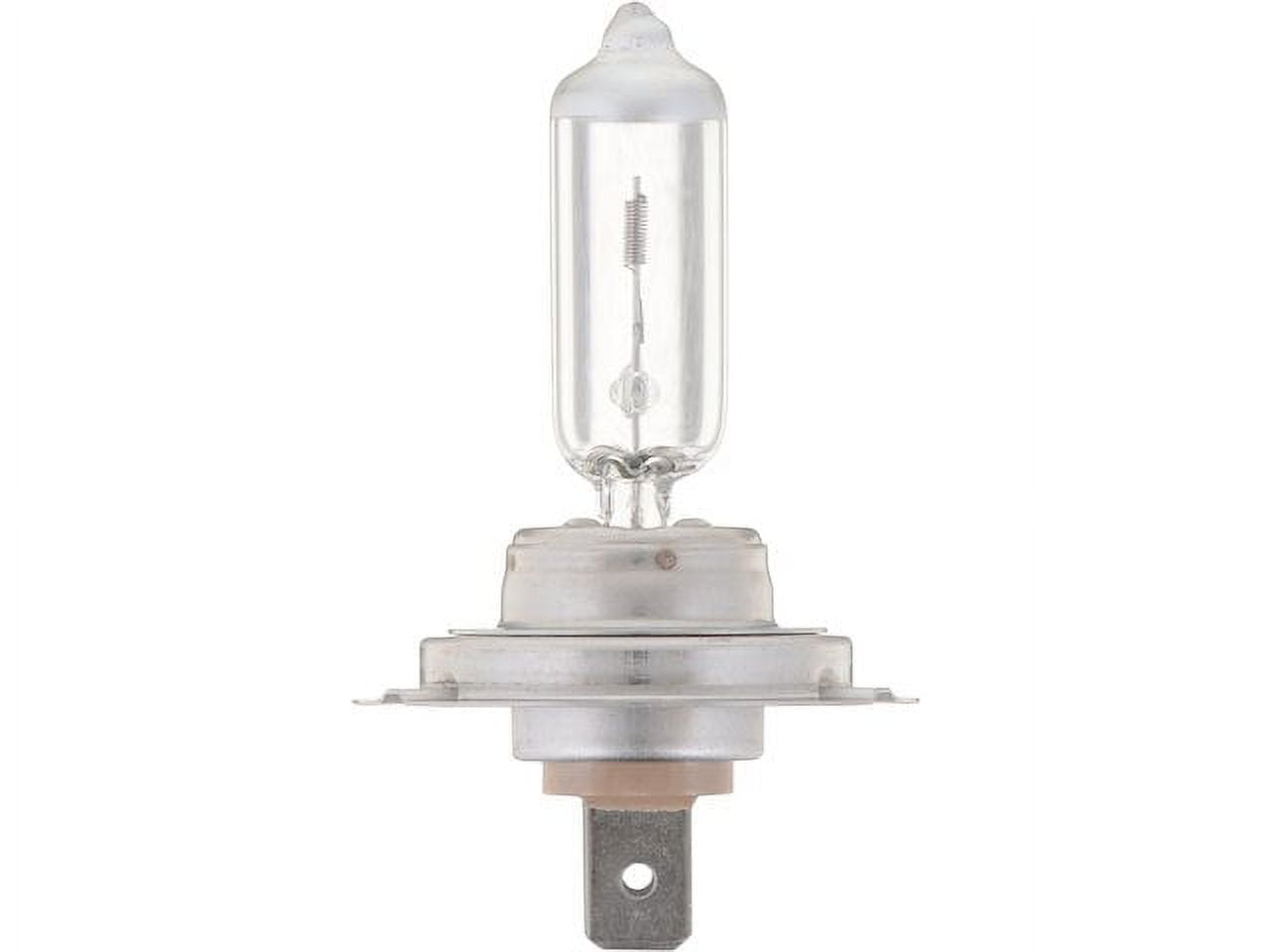
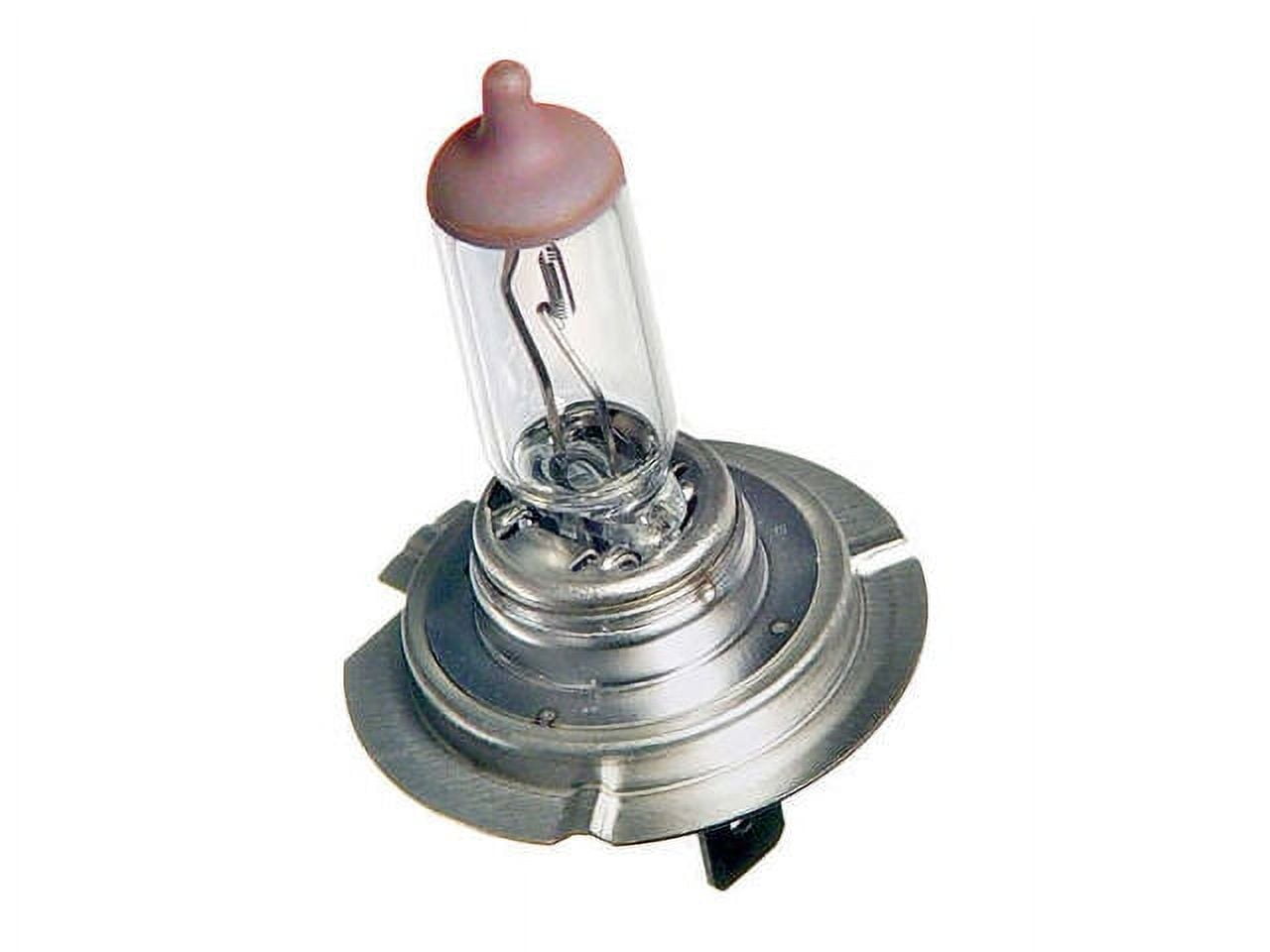
Base models may lack the LED DRL strip and instead feature a more traditional reflective housing. If your light appears yellowish and lacks the "white-blue" crispness of modern LEDs, you likely have the Halogen setup. These use H7 bulbs for the low beam. It is vital to note that HID and Halogen housings are physically and electrically incompatible; you cannot simply plug a D3S bulb into an H7 socket.
D3S HID Bulb Options: The High-End Standard
The D3S is a "green" bulb, meaning it is mercury-free, unlike its predecessor, the D1S. For the 2013 Audi Q5, the D3S provides superior road illumination. However, HID bulbs dim over time (a process called "color shifting") before they actually fail. By 2026, most original 2013 factory bulbs will have lost up to 30% of their original brightness.
1. Standard Replacement (OEM Quality)
The factory-installed bulbs are typically manufactured by Osram or Philips. Replacing them with the "Original Equipment" equivalent ensures the light pattern remains exactly as the Audi engineers intended.
- Philips Xenon Standard: Offers a 4300K color temperature, which is a warm white. This is the best spectrum for visibility in rain or fog.
- Osram Xenarc Original: Known for longevity and reliable strike rates (the ability of the ballast to ignite the gas in the bulb).
2. Performance Upgrades
If you find the factory lighting insufficient, several premium D3S options offer increased range.
- Osram Night Breaker Laser (Next Gen): Currently regarded as one of the brightest street-legal HID bulbs. It claims up to 200% more brightness than the minimum legal standard, significantly extending the light beam's reach.
- Philips X-tremeVision Gen2: Focuses on maximizing the "sweet spot" of the beam, providing better peripheral vision for spotting deer or pedestrians on dark roads.
3. Aesthetic Upgrades (Cool White/Blue)
Many owners prefer a more modern, "cool" look that matches 2026-era LED technology.
- Osram Xenarc Cool Blue Boost: While the name suggests blue, it provides a crisp 7000K hyper-blue look. Note: Higher Kelvin ratings often result in slightly lower usable light on wet pavement.
- Philips Xenon WhiteVision gen2: Provides a 5000K "pure white" look that is both stylish and highly functional for road safety.
H7 Halogen Options: Reliability and Upgrades
For the standard 2013 Audi Q5 housings, the H7 bulb is the workhorse. Because halogen bulbs generate significant heat, choosing a high-quality bulb is essential to prevent damage to the plastic reflectors.
- Standard H7: Basic bulbs from Sylvania or Hella are cost-effective and have a long lifespan (typically 500–1,000 hours).
- High-Performance Halogen: Bulbs like the Sylvania SilverStar Ultra or Philips RacingVision GT200 use a tighter filament and specialized gas mixtures to produce a whiter, brighter light than standard halogens. The trade-off is a shorter lifespan, often lasting only 200–400 hours.
- The LED Retrofit Path: Many Q5 owners in 2026 opt to replace H7 halogens with LED "drop-in" bulbs. While these offer a 6000K modern look, they can be problematic. The 2013 Audi Q5 uses a "bulb-out" warning system. You must ensure any LED H7 replacement is "CAN bus ready" or includes a load resistor to prevent flickering and dashboard errors.
Auxiliary Lighting Compatibility
The 2013 Audi Q5 lighting suite extends beyond the main headlights. Compatibility for these bulbs is generally consistent across all trim levels.
Fog Lights (H11)
The fog lights are located in the lower bumper. The H11 is the standard fitment. Many owners upgrade these to LED because fog lights do not require the same precise beam pattern as headlights, making them an easy entry point for LED styling.
Front Turn Signals (PSY24W)
This is a specialized bulb. It is an "amber" coated bulb with a unique base. Because the 2013 Q5 has clear lens housings, the silver-coated version (which glows amber only when lit) is a popular aesthetic choice to eliminate the "fried egg" look in the headlight assembly.
Daytime Running Lights (DRL)
On Bi-Xenon models, the DRL is an integrated LED strip. If this strip fails, it is generally not a "bulb" replacement; the entire headlight housing usually requires repair or replacement. On Halogen models, the DRL may be a separate small bulb (P13W), but this varies by specific regional market.
2013 Audi Q5 Bulb Compatibility Table
| Lighting Location | Bulb Type | Technology | Recommended Upgrade |
|---|---|---|---|
| Low/High Beam (Xenon) | D3S | HID (High Intensity Discharge) | Osram Night Breaker Laser |
| Low Beam (Halogen) | H7 | Halogen | Philips WhiteVision Ultra |
| High Beam (Halogen) | H7 | Halogen | Sylvania SilverStar Ultra |
| Fog Lights | H11 | Halogen/LED | H11 LED (CAN bus Error-Free) |
| Front Turn Signal | PSY24W | Incandescent | Silver-coated Amber |
| Side Marker | W5W (194) | Mini-Wedge | 168/194 LED |
| License Plate | W5W (194) | Mini-Wedge | Error-Free LED Housing |
Technical Challenges: CAN Bus and Ballast Health
When replacing bulbs in a 2013 Audi Q5, there are two technical hurdles that differentiate it from simpler vehicles.
The CAN Bus System
Audi uses a Controller Area Network (CAN bus) to monitor the resistance of every exterior bulb. If you install a bulb that draws less power than expected—common with LEDs—the car’s computer assumes the bulb is burnt out. This results in a "Bulb Out" warning on the dash and often causes the computer to cut power to that circuit, causing the light to flicker or turn off.
In 2026, the best solution is to use "decoders" or "load resistors" specifically designed for German vehicles. High-end brands like Morimoto or DeAutoLED offer kits specifically tested for the Audi B8.5 platform to ensure error-free operation.
HID Ballast Wear
The ballast is the electronic control unit that provides the high voltage necessary to start the D3S HID bulb. If your headlight is flickering, turning pink/purple, or taking a long time to "warm up," the bulb is likely the culprit. However, if a new bulb fails to ignite, the ballast (mounted to the bottom of the headlight housing) has likely failed. Moisture ingress is the most common cause of ballast failure in 2013 models.
Installation Guidelines and Safety
Replacing the bulbs in a 2013 Audi Q5 is moderately difficult due to the tight engine bay packaging.
- Access: For the driver-side (US) headlight, you may need to remove the plastic air intake ducting to reach the rear of the housing. Some owners find it easier to go through the wheel well by removing the plastic fender liner clips.
- High Voltage Warning: HID systems operate at thousands of volts during the ignition phase. Always ensure the ignition is off and the headlight switch is in the "O" position before touching D3S components.
- Handling the Glass: Never touch the glass of a new HID or Halogen bulb with bare fingers. The oils from your skin can create hot spots on the quartz glass, causing the bulb to shatter or fail prematurely. Use nitrile gloves or a clean paper towel.
- Sealing the Housing: Ensure the plastic rear cover and its rubber gasket are seated perfectly after replacement. The 2013 Q5 is known for "fogging" inside the lens if the rear seal is compromised, which can lead to expensive ballast failure.
Frequently Asked Questions
Can I replace my 2013 Q5 Halogen bulbs with Xenon D3S bulbs?
No. D3S bulbs require a high-voltage ballast, a specific projector lens, and a different wiring harness. To switch from Halogen to Xenon, you would need to replace the entire headlight assembly and likely perform "coding" via VCDS (Ross-Tech) or OBDeleven to tell the car's computer to expect an HID system.
Why did my new HID bulbs turn purple after a few months?
If a bulb turns purple or pink, it is a sign of "color shifting," which usually indicates a defective or low-quality bulb. High-quality D3S bulbs from Osram or Philips should maintain their color for years. If the color change is rapid, ensure you purchased authentic bulbs, as the market is flooded with counterfeit HID products.
Is it legal to put LED bulbs in my halogen housings?
In many jurisdictions, retrofitting LED bulbs into a housing designed for halogens is technically for "off-road use only." This is because the focal point of an LED chip is different from a halogen filament, which can cause glare for oncoming drivers. If you choose LEDs, look for "360-degree" LEDs that mimic the filament location to minimize glare.
Do I need to replace both bulbs if only one is burnt out?
For HID (D3S) bulbs, it is highly recommended to replace them in pairs. HID bulbs change color and brightness as they age. If you only replace one, the two headlights will have noticeably different colors and light outputs, which can be distracting and reduce the effectiveness of the lighting system.
What is the difference between 4300K, 5000K, and 6000K?
This refers to the Color Temperature. 4300K is the factory standard (warm white/yellowish), 5000K is "pure white," and 6000K has a slight blue tint. As you move higher in Kelvin, you generally lose "raw" lumen output in exchange for a "whiter" look. For the best visibility in the 2013 Q5, 4800K to 5000K is often considered the ideal balance.
Final Recommendations
For the vast majority of 2013 Audi Q5 owners, the best path forward is a pair of high-quality D3S HID bulbs from a reputable manufacturer like Osram or Philips. Specifically, the Osram Xenarc Night Breaker Laser remains the gold standard for visibility and compatibility in 2026.
If your vehicle uses Halogen H7 bulbs, avoid the cheapest LED kits. Instead, invest in a premium Halogen bulb for the best beam pattern, or a high-end, CAN bus-compatible LED kit from a specialist lighting brand to ensure your Audi’s electrical system remains stable. Always double-check the rear seals of your headlight housings during installation to prevent moisture damage, which is the leading cause of expensive ballast failure in this specific model.