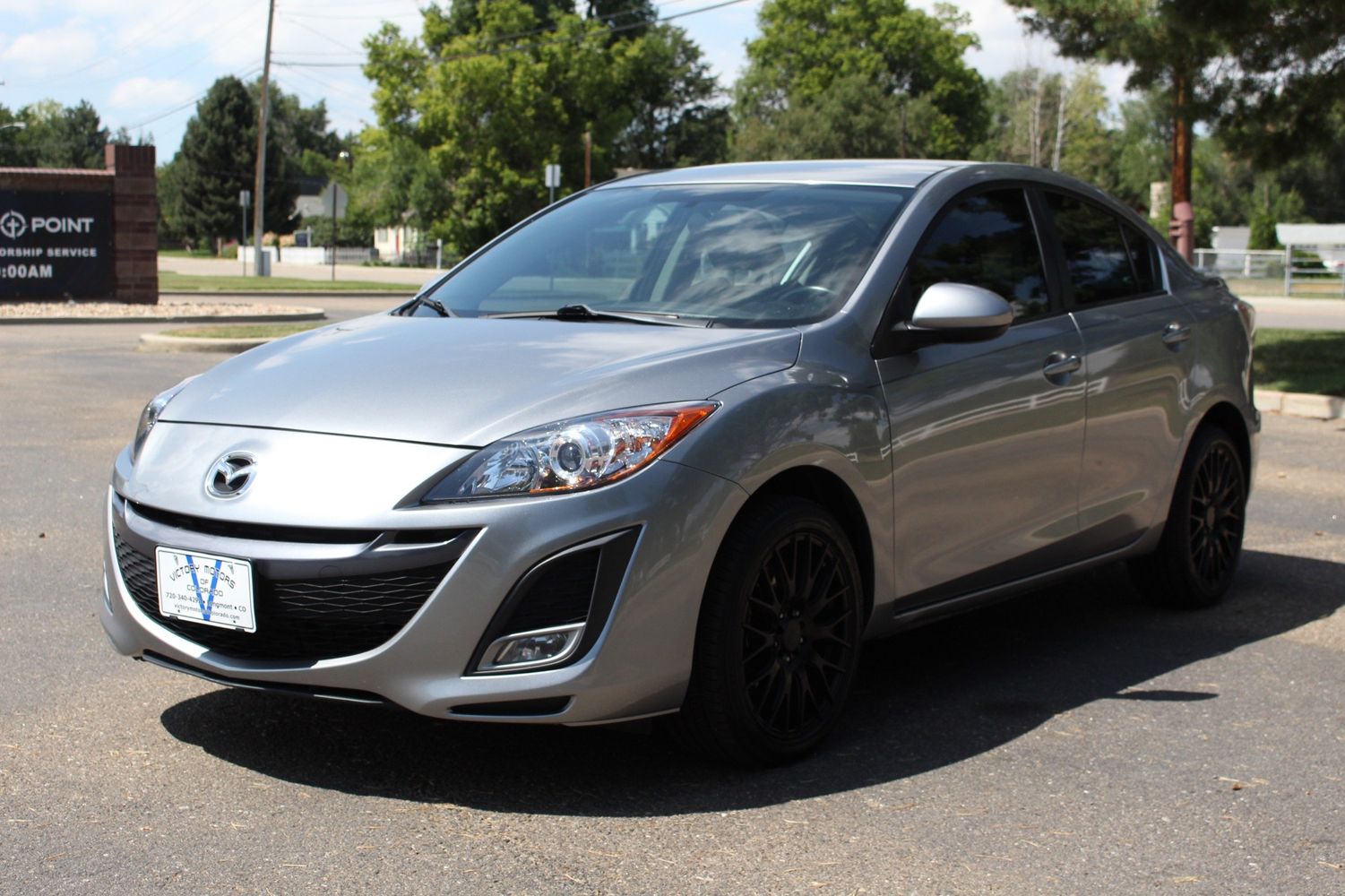
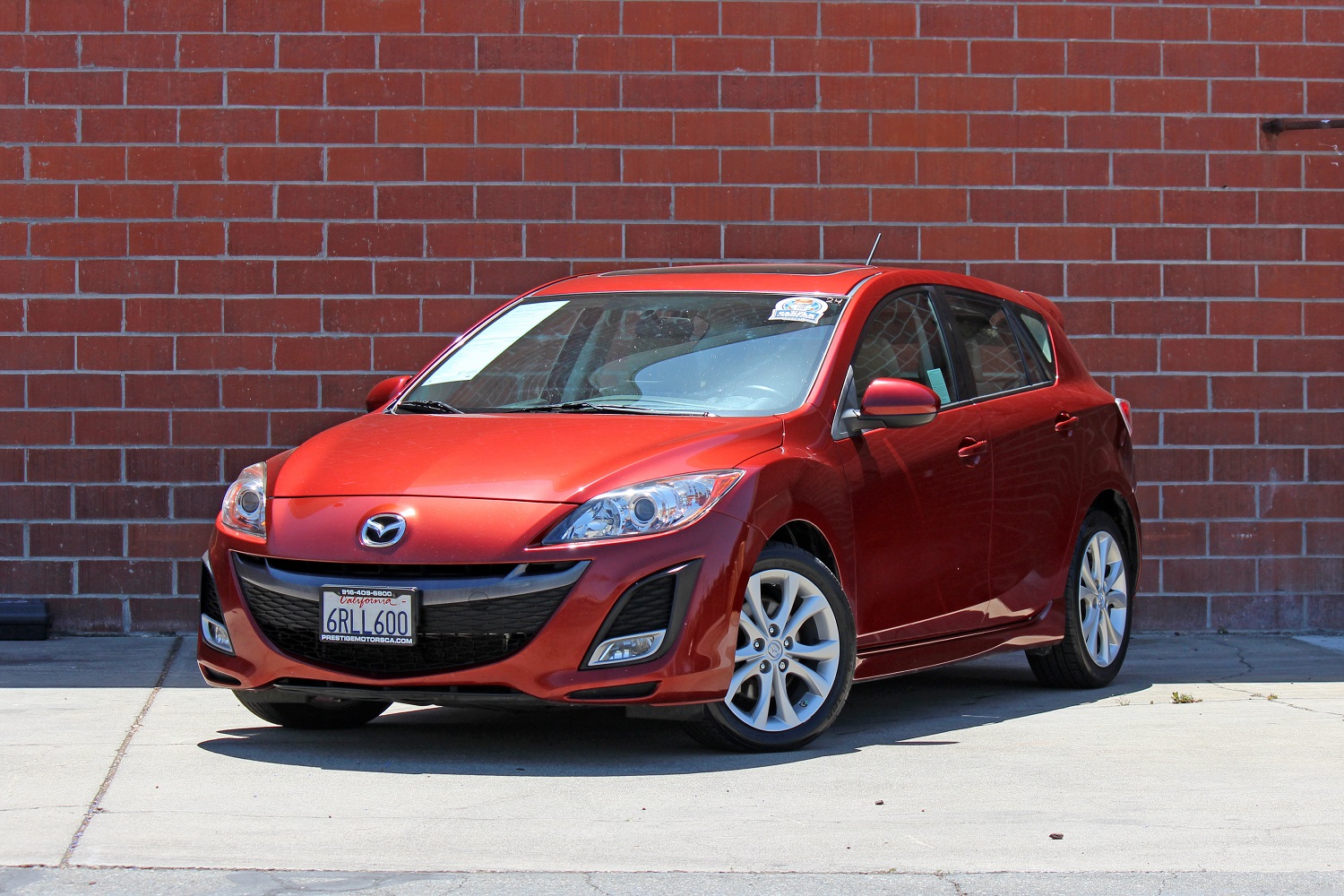
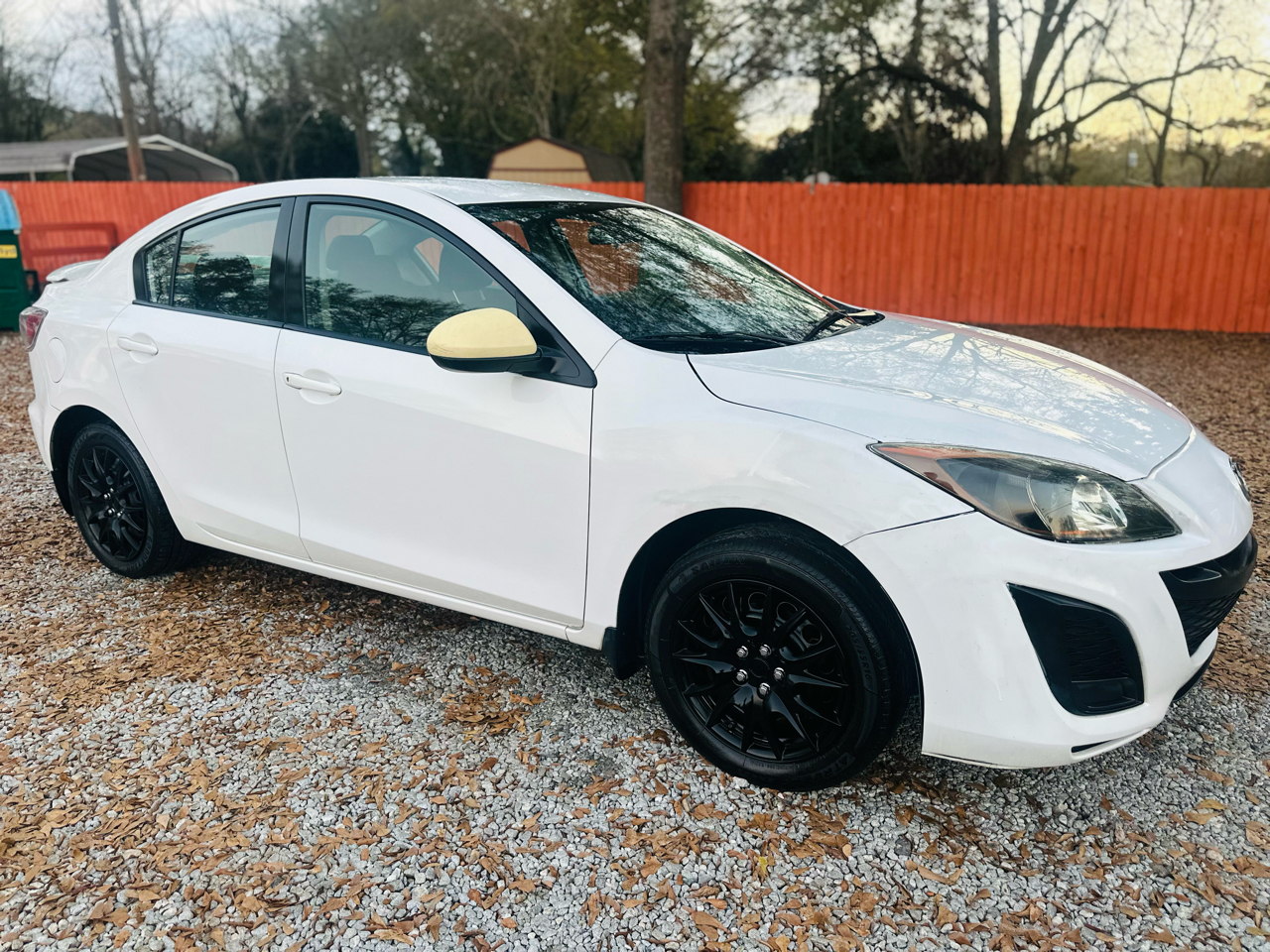
The 2011 Mazda 3 s Sport is a standout compact car known for its engaging driving dynamics, a punchy 2.5-liter engine, and high-quality interior materials. Positioned above the entry-level "i" trims, it offers a balance of daily usability and enthusiast-oriented performance, making it a popular choice for those seeking a spirited used vehicle.
Understanding the 2011 Mazda 3 s Sport Trim
When evaluating the 2011 Mazda 3, it is crucial to distinguish between the two primary "families" within the lineup: the "i" models and the "s" models. The "s" in s Sport signifies the larger engine and a more aggressive tuning philosophy. By 2011, the Mazda 3 was in its second generation (internally known as the BL series), which introduced the controversial yet distinctive "smiling" front fascia—part of Mazda’s Nagare design language.
The "s Sport" trim occupies the middle-to-high ground in the hierarchy. It sits above the 2.0-liter "i" trims (SV, Sport, Touring, Grand Touring) but below the range-topping "s Grand Touring" and the high-performance, turbocharged Mazdaspeed 3. For most buyers, the s Sport was the "sweet spot," providing the upgraded 2.5-liter engine and 17-inch alloy wheels without the higher price tag of the leather-clad Grand Touring.
In 2026, the 2011 Mazda 3 s Sport is frequently viewed as a "modern classic" in the commuter segment. It represents an era before Mazda transitioned fully to its "SkyActiv" fuel-saving technology, focusing instead on the MZR engine family which prioritized throttle response and mechanical simplicity.
Technical Specifications and Performance
The heart of the 2011 Mazda 3 s Sport is the 2.5-liter MZR four-cylinder engine. This naturally aspirated powerplant was a significant step up from the 148-horsepower 2.0-liter found in the "i" models.
Engine and Powertrain
- Engine Type: 2.5L DOHC 16-valve 4-cylinder (MZR)
- Horsepower: 167 hp @ 6,000 rpm
- Torque: 168 lb-ft @ 4,000 rpm
- Drivetrain: Front-wheel drive (FWD)
- Transmission Options: 6-speed manual or 5-speed automatic with manual-shift mode
The 167 horsepower might seem modest by modern 2026 standards, but the power delivery is linear and rewarding. Unlike many modern small cars that use Continuously Variable Transmissions (CVTs), the 2011 Mazda 3 s Sport utilized traditional geared transmissions. The 6-speed manual is particularly praised for its short throws and precise engagement, while the 5-speed automatic is noted for its willingness to hold gears during spirited driving.
Chassis and Handling
The s Sport trim features a specifically tuned independent suspension system. It utilizes MacPherson struts in the front and a multi-link setup in the rear, paired with stabilizer bars. This configuration allows the Mazda 3 to remain flat through corners while absorbing road imperfections more effectively than its rivals of the same era, such as the eighth-generation Honda Civic or the Toyota Corolla.
One of the defining technical features of this model is the Electro-Hydraulic Power Assist Steering (EHPAS). While many manufacturers were switching to full electric power steering in 2011 to save fuel, Mazda retained a hydraulic element to preserve steering feel and feedback. This results in a "heavy" but communicative steering rack that enthusiasts still appreciate fifteen years later.
Interior Comfort and Technology
The interior of the 2011 Mazda 3 s Sport was widely considered "class-above" at its release. Mazda used soft-touch plastics on the upper dashboard and door panels, avoiding the brittle, hollow feel common in the compact segment at that time.
Features and Amenities
The s Sport trim came standard with several upgrades over the base models:
- Sport-bolstered seats: Covered in high-quality cloth, these seats provide more lateral support for cornering.
- Multi-Information Display (MID): A small screen located at the top of the dashboard that displays trip computer data and audio settings.
- Bluetooth Connectivity: For both hands-free calling and audio streaming (though the interface may feel dated in 2026).
- Steering Wheel Controls: Integrated buttons for audio, cruise control, and the MID.
Cargo and Practicality
The s Sport was available in two body styles: a 4-door sedan and a 5-door hatchback. The hatchback is particularly sought after in the used market due to its versatility. With the rear seats folded, the hatchback offers approximately 42.8 cubic feet of space, making it capable of hauling small furniture or outdoor gear. The sedan offers a traditional trunk with 11.8 cubic feet of space, which is adequate but lacks the vertical flexibility of the hatch.
Fuel Economy Realities
If there is a "weak point" for the 2011 Mazda 3 s Sport, it is fuel efficiency. Because it uses the older MZR engine architecture rather than the later SkyActiv-G engines, its fuel consumption is higher than many of its contemporaries.
- City: Approx. 20–22 mpg
- Highway: Approx. 28–29 mpg
- Combined: Approx. 23–25 mpg
In a 2026 context, where even non-hybrid compact cars frequently achieve 35+ mpg combined, the s Sport can be expensive to fuel for long commutes. Buyers often choose this car knowing they are trading fuel economy for a more engaging driving experience.
Long-Term Reliability and Common Issues
As these vehicles reach the 15-year mark in 2026, prospective buyers and current owners must be aware of specific high-mileage concerns. While the MZR engine is fundamentally robust, several peripheral components are known to fail.
The Dashboard "Melting" Issue
A well-documented issue with 2010–2013 Mazda 3 models is the dashboard material. Under high heat and UV exposure, the adhesive in the dashboard can fail, causing the surface to become sticky, shiny, and prone to "off-gassing" that creates a film on the inside of the windshield. While Mazda issued a primary coverage program for this years ago, most cars in 2026 will have either had the dashboard replaced or will show signs of degradation.
Transmission Control Module (TCM) Failure
On automatic transmission models, the TCM is a known failure point. It is located on top of the transmission case, where it is subjected to significant heat and vibration. Symptoms include erratic shifting, the "AT" warning light illuminating, or the car going into "limp mode." In the used market, many owners relocate the TCM to the firewall to extend its lifespan.
Rear Wheel Well Rust
For vehicles located in the "Salt Belt," rust is the primary enemy of the 2nd-gen Mazda 3. The rear wheel arches are particularly susceptible to corrosion. By 2026, any 2011 model should be thoroughly inspected on a lift to ensure the rear suspension mounting points and rocker panels remain structurally sound.
Passenger-Side Motor Mount
The 2.5L engine uses a liquid-filled passenger-side motor mount. These are prone to leaking or collapsing after 80,000 to 100,000 miles. A failed mount causes significant vibration in the cabin, especially at idle or when the air conditioning is running. Replacing this with an OEM or high-quality aftermarket part is a standard maintenance task for this vehicle.
2011 Mazda 3: s Sport vs. i Touring Comparison
The following table highlights the differences between the 2.5L s Sport and the more common 2.0L i Touring trim.
| Feature | Mazda 3 i Touring | Mazda 3 s Sport |
|---|---|---|
| Engine Displacement | 2.0 Liters | 2.5 Liters |
| Horsepower | 148 hp | 167 hp |
| Torque | 135 lb-ft | 168 lb-ft |
| Standard Wheels | 16-inch Alloy | 17-inch Alloy |
| Exhaust | Single Outlet | Dual Outlet |
| Instrument Cluster | Blue/Gray Lighting | Red/Blue "Sport" Lighting |
| Front Fascia | Standard "Grin" | Aggressive Fog Light Shrouds |
| Brakes | 10.9-inch Front Discs | 11.8-inch Front Discs |
Buying a Used 2011 Mazda 3 s Sport in 2026
When shopping for this vehicle today, the focus should be on maintenance records and "enthusiast ownership." Because these cars were affordable, many fell into the hands of owners who may have deferred maintenance.
Pre-Purchase Inspection (PPI) Checklist
- Check the TCM: Ask if the Transmission Control Module has been replaced or relocated.
- Inspect the Motor Mounts: Look for black oil leaking from the passenger-side mount.
- Monitor the Dash: Check for stickiness or a "shiny" reflection in the windshield.
- Test the EHPAS: Listen for a high-pitched whine from the power steering pump and ensure steering effort is consistent.
- Scan for Codes: Even if the Check Engine Light is off, check for "pending" codes related to the EVAP system, which is a common minor nuisance on this generation.
Pricing Trends
In 2026, a 2011 Mazda 3 s Sport with 120,000 to 150,000 miles typically sells for between $4,500 and $6,500, depending on condition and body style. Hatchbacks generally command a 15-20% premium over sedans due to their higher demand and utility. Vehicles with the 6-speed manual transmission are increasingly rare and may also fetch a premium from driving enthusiasts.
Frequently Asked Questions
Is the 2011 Mazda 3 s Sport a "SkyActiv" model?
No. The SkyActiv engine technology was introduced to the Mazda 3 lineup in late 2011 for the 2012 model year, primarily on the "i" trims. The 2011 s Sport uses the 2.5L MZR engine, which is older and less fuel-efficient but very reliable and easy to service.
Does this car require premium gasoline?
No. The 2.5L MZR engine in the s Sport is designed to run on regular 87-octane unleaded gasoline. Using premium fuel will not provide any significant performance or mileage benefits.
Is the 2011 Mazda 3 s Sport expensive to insure?
Generally, no. As a 15-year-old compact car, insurance premiums are usually quite low. However, because the "s Sport" has a larger engine than the base model, some insurers may rate it slightly higher than an "i" trim, though the difference is usually negligible compared to the Mazdaspeed 3.
How many miles can a 2011 Mazda 3 s Sport last?
With proper maintenance, the 2.5L MZR engine and its transmissions are known to last well beyond 200,000 miles. The drivetrain is exceptionally durable; the car is more likely to be retired due to rust or cumulative cosmetic issues than a catastrophic engine failure.
Can I add Apple CarPlay or Android Auto to this car?
Yes. Since the 2011 Mazda 3 uses a standard "Double-DIN" radio opening, it is very easy and common to replace the factory head unit with a modern touchscreen that supports smartphone integration. This is one of the best ways to modernize the vehicle in 2026.
Final Recommendation
The 2011 Mazda 3 s Sport remains an excellent choice for drivers who prioritize steering feel and mechanical connection over modern driver-assistance features and high fuel economy. Its 2.5-liter engine provides enough torque to make highway merging effortless, and its chassis remains one of the best-handling in the history of the compact segment.
If you can find a hatchback version with a documented service history and a rust-free frame, it represents one of the best values in the sub-$7,000 used car market in 2026. While you will pay more at the pump compared to a newer hybrid, the lower purchase price and relatively simple maintenance requirements make it a financially sensible and enjoyable daily driver.