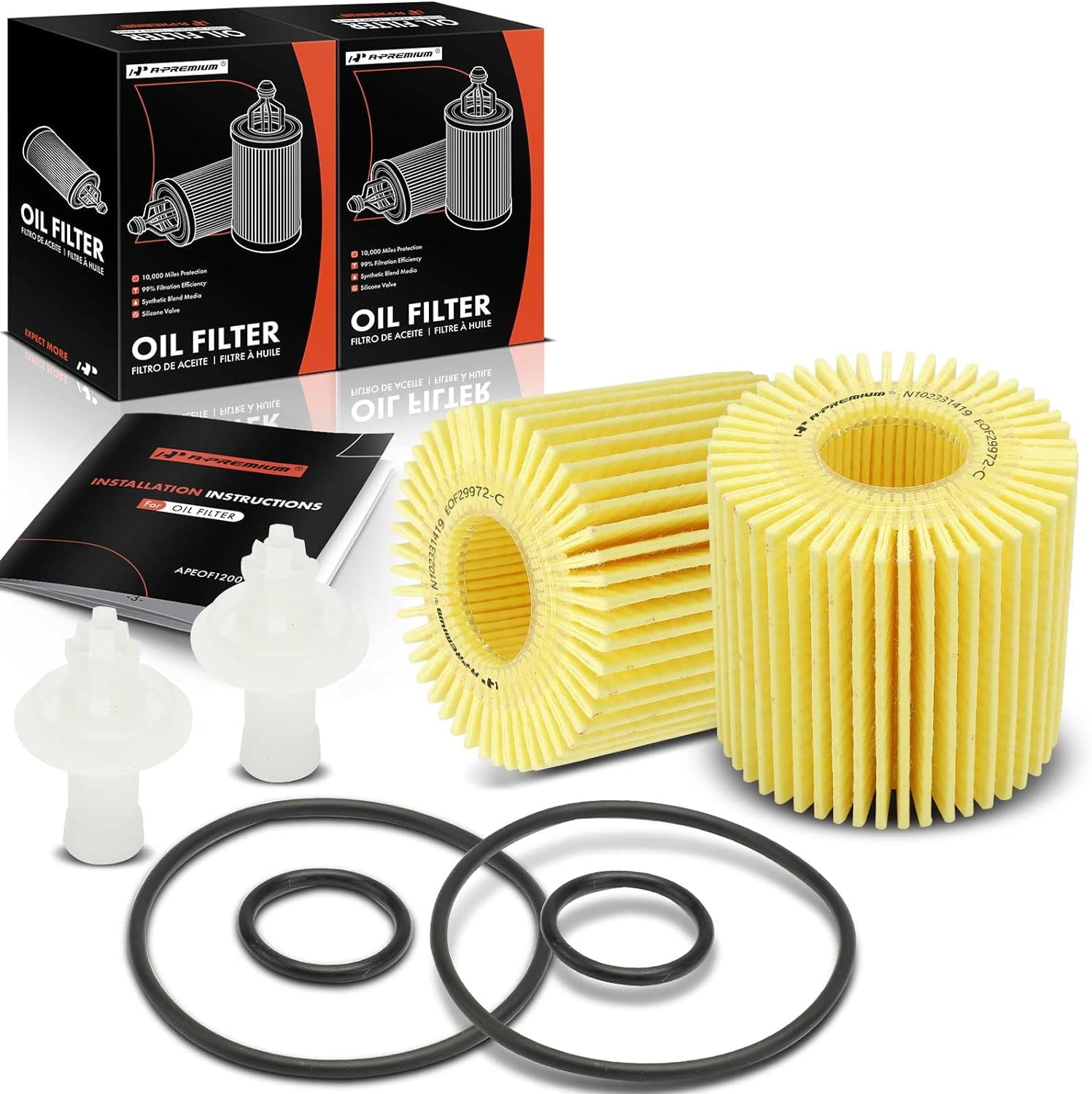
The 2010 Toyota RAV4 requires specific oil filter specifications depending on whether the vehicle is equipped with the 2.5L 4-cylinder engine or the 3.5L V6 engine. Choosing the correct filter—either the cartridge-style insert for the 2.5L or the spin-on canister for the 3.5L—is essential for maintaining engine lubrication, preventing premature internal wear, and ensuring the longevity of your vehicle’s drivetrain.
Identifying Your Engine Configuration
Before purchasing an oil filter for a 2010 Toyota RAV4, you must verify your engine displacement. Toyota offered two primary engine configurations for this model year, and they use entirely different filtration systems. The 2.5-liter 4-cylinder (2AR-FE) engine utilizes a cartridge-style filter element that inserts into a permanent housing attached to the engine block. Conversely, the 3.5-liter V6 (2GR-FE) engine uses a traditional spin-on metal canister filter.
Using the incorrect filter type will prevent a successful installation, as the mounting hardware, thread pitch, and sealing mechanisms are not interchangeable. Consult your owner's manual or check the engine cover; 4-cylinder models typically feature a prominent plastic housing cap near the front or side of the engine block, while the V6 filter is located at the bottom of the engine, usually accessible from underneath the vehicle.
The 2.5L 4-Cylinder (2AR-FE) Filtration System
The 2010 Toyota RAV4 with the 2.5L engine uses an oil filter element rather than a full metal canister. This design is environmentally conscious, as it reduces the amount of steel sent to landfills during routine maintenance.
Components of the Cartridge System
When you purchase a replacement filter for the 2.5L engine, the box should contain:
- The Paper Pleated Element: The primary filtration media designed to trap contaminants.
- Replacement O-Rings: A large O-ring for the filter housing cap and often a smaller O-ring for the oil drain plug.
- Plastic Drain Tool: A specialized plastic nozzle that allows you to drain the oil inside the housing before unscrewing it.
It is critical to replace the O-rings every time you change the filter. The large O-ring ensures a high-pressure seal between the housing and the engine block. Failure to install the new O-ring, or pinching it during installation, can result in a catastrophic oil leak that could lead to engine seizure.
The 3.5L V6 (2GR-FE) Filtration System
The 3.5L V6 engine utilizes a more traditional spin-on filter. This is a complete unit consisting of a steel shell, the filter media, an internal bypass valve, and an anti-drainback valve. The anti-drainback valve is particularly important for this engine, as it prevents oil from flowing back into the oil pan when the engine is turned off, ensuring immediate lubrication upon startup.
When selecting a spin-on filter, pay close attention to the bypass valve rating. This valve is designed to open if the filter becomes clogged, allowing oil to bypass the media to maintain flow to the engine bearings. A filter with a bypass valve pressure rating that deviates significantly from Toyota’s original equipment specifications may either allow unfiltered oil to circulate too often or starve the engine of oil during cold starts.
Technical Specifications and Compatibility Table
The following table summarizes the primary differences and requirements for the two engine types found in the 2010 Toyota RAV4.
| Feature | 2.5L 4-Cylinder (2AR-FE) | 3.5L V6 (2GR-FE) |
|---|---|---|
| Filter Type | Cartridge Element | Spin-on Canister |
| Housing | Permanent (Reusable) | N/A (Integrated) |
| Primary O-Ring | Required for Housing | Integrated with Filter |
| Access Location | Top/Side (under hood) | Bottom (under vehicle) |
| Typical Tool | 64mm/14-flute Cap Wrench | 64mm/14-flute or Strap Wrench |
Practical Installation Steps for the 2.5L Cartridge Filter
Because the cartridge system is unique to the 4-cylinder model, it requires a specific set of tools and a careful approach to avoid damaging the plastic housing cap.
- Preparation: Lift the vehicle safely using a jack and jack stands. Drain the oil from the oil pan first.
- Drain the Housing: Locate the oil filter housing cap. Remove the small threaded plug at the bottom of the cap. Insert the provided plastic drain tool to allow the oil trapped inside the housing to drain into your collection pan.
- Removal: Once the housing is drained, use a 64mm oil filter wrench (specifically designed for Toyota cartridges) to unscrew the cap. Do not use standard pliers, as the plastic cap can easily crack.
- Cleaning and Inspection: Remove the old paper filter element. Clean the housing cap thoroughly and remove the old, flattened O-ring.
- Installation: Coat the new O-ring with a film of clean engine oil and seat it firmly into the designated groove on the cap. Insert the new paper element into the cap, then carefully thread the cap back onto the engine housing.
- Torque: It is vital to hand-tighten the housing and then use a torque wrench to reach the manufacturer’s specification—typically 25 Newton-meters (approximately 18 foot-pounds). Over-tightening will make future removal nearly impossible and may crack the plastic threads.
Common Mistakes and Troubleshooting
The most frequent issue encountered when changing the oil filter on a 2010 RAV4 is the "stuck" housing or the "double gasket" scenario.
Over-tightening
Plastic housings on the 2.5L engine are highly susceptible to becoming seized if tightened excessively. If you encounter significant resistance during removal, use a high-quality socket-style wrench that engages all 14 flutes of the housing to distribute force evenly. If the housing is cracked, it must be replaced immediately, as it cannot be repaired.
The Double Gasket
On the 3.5L V6 engine, a common mistake is leaving the old filter’s rubber gasket stuck to the engine block while attaching the new filter. When you start the engine, oil pressure will force oil out between the two gaskets, leading to a massive leak. Always verify that the engine mounting surface is clean and that the old gasket has been removed with the old filter.
Filtration Efficiency and Aftermarket Brands
While many aftermarket brands offer filters that fit the 2010 RAV4, look for those that provide independent testing data regarding "efficiency" and "capacity." Efficiency refers to the percentage of particles the filter traps, while capacity refers to the total amount of contaminants it can hold before the bypass valve opens. For a vehicle of this age, using a high-quality synthetic-blend media is recommended to maintain the health of older internal engine components.
Frequently Asked Questions
Can I use a generic oil filter wrench?
No, the 2.5L engine requires a specific 64mm, 14-flute socket designed for Toyota/Lexus housings. Using a universal "claw" type wrench often causes the plastic housing to slip, leading to damage.
How often should I change the filter?
Toyota historically recommended oil and filter changes every 5,000 miles for the 2010 RAV4. Even with synthetic oil, following this interval is recommended to prevent sludge buildup in the variable valve timing (VVT) oil control valves.
Why is my oil pressure light staying on?
If the light stays on after a filter change, first check the oil level. If the level is correct, the issue might be the anti-drainback valve in the filter failing to keep the system primed, or the filter itself being improperly seated.
Is the filter for the 2010 RAV4 the same as the 2011?
Generally, yes, as both the 2010 and 2011 model years utilize the same 2AR-FE and 2GR-FE engine platforms. However, always cross-reference your specific VIN or engine code with the manufacturer’s part catalog.
What is the purpose of the O-ring provided with the cartridge?
The O-ring acts as the primary fluid seal between the oil filter housing cap and the engine block. Because the housing is under constant high pressure while the engine is running, a damaged or improperly seated O-ring will result in a rapid loss of oil pressure.
Final Recommendation
For optimal performance and longevity, use genuine Toyota-branded oil filters or equivalent products from reputable manufacturers (such as Wix, Denso, or Mahle). Before initiating the service, ensure you have the correct filter type for your specific engine displacement and a torque wrench to ensure the plastic cartridge cap is tightened to the exact manufacturer specification. Performing this maintenance yourself is a cost-effective way to preserve your 2010 Toyota RAV4’s engine life.