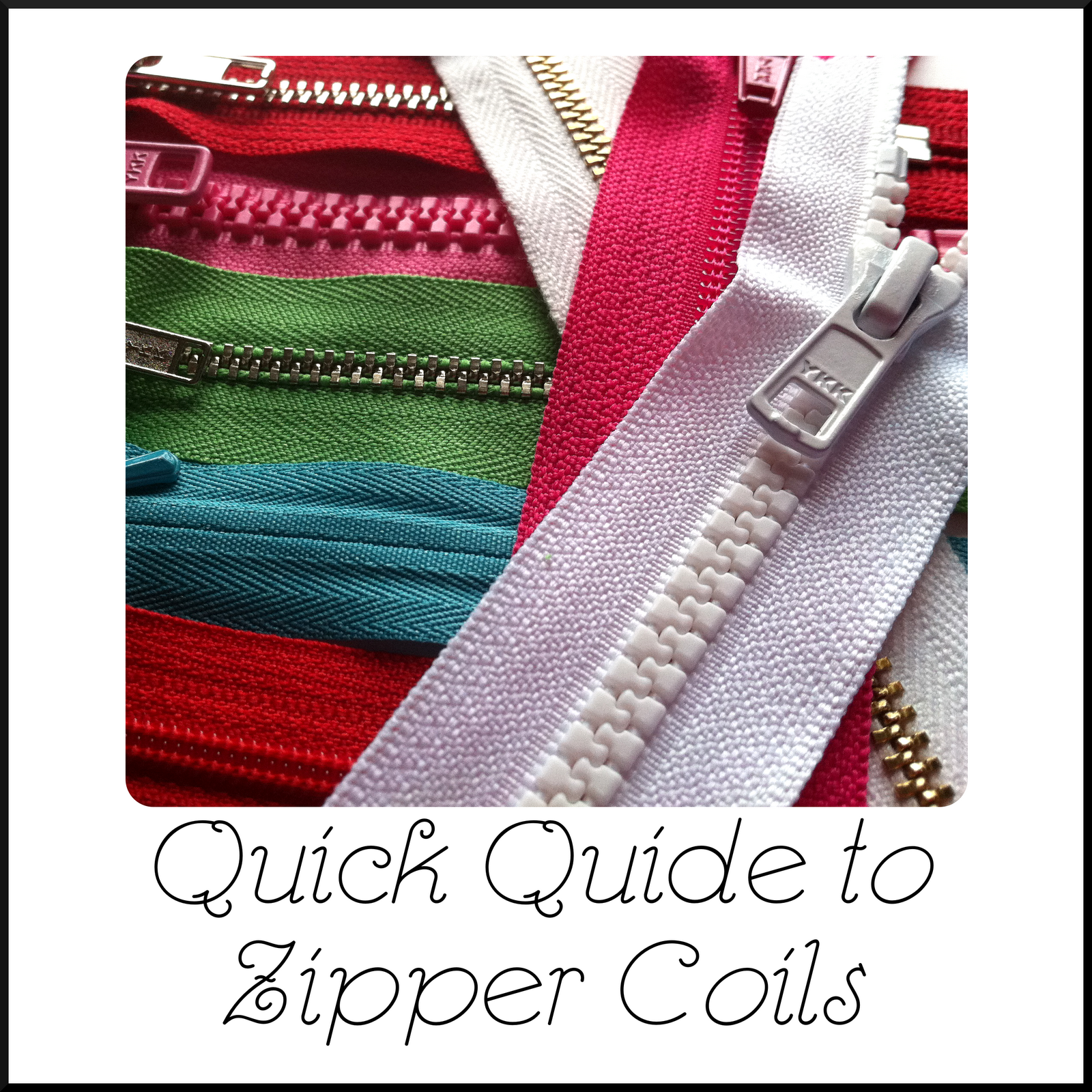
A 20-inch zipper is a standard, highly versatile fastener widely used in apparel construction, home decor projects, and accessory manufacturing. It is most commonly deployed in medium-sized cushions, jackets, hoodies, and tote bags, serving as a dependable closure that balances structural integrity with ease of operation across various fabrics.
When undertaking a sewing, tailoring, or upholstery project, selecting the right hardware is just as critical as choosing the fabric. Among the vast array of available hardware sizes, the 20-inch zipper occupies a vital middle ground. It is long enough to span the back of a fitted bodice, the front opening of a light jacket, or the generous opening of a throw pillow cover, yet it remains manageable without excessive bulk. Understanding the various types, materials, tooth sizes, and locking mechanisms of a 20-inch zipper ensures that your finished project maintains professional durability and aesthetic appeal.
This reference guide explores every technical aspect of the 20-inch zipper, helping you navigate your options with absolute confidence.
Understanding Zipper Anatomy and Terminology
Before examining the specifics of a 20-inch zipper, it is essential to establish a baseline vocabulary regarding zipper construction. Every zipper, regardless of its length, consists of several core components that determine its functionality and application suitability.
- Tape: The fabric strips on either side of the zipper teeth, typically made of polyester, cotton, or blended fibers. The tape is what gets sewn directly into your garment or project.
- Chain (or Teeth): The interlocking elements that form the track of the zipper. These can be molded plastic, extruded metal, or continuous nylon coil.
- Slider: The device that moves up and down the chain to open or close the zipper by meshing or unmeshing the teeth.
- Pull Tab: The handle attached to the slider that the user grips to pull the slider along the chain.
- Stops (Top and Bottom): Small metal or plastic fixtures at the extremities of the zipper chain that prevent the slider from sliding off the track.
- Insertion Pin and Retainer Box: Found on separating zippers (like those on jackets), these components allow the two sides of the zipper to completely detach from one another.
Types of 20-Inch Zippers by Material and Construction
Not all 20-inch zippers are created equal. The material composition and manufacturing style dictate where and how the zipper should be used. Choosing the wrong type can lead to premature failure, jammed tracks, or aesthetic mismatch.
Nylon Coil Zippers
Nylon coil zippers (often called polyester coil) feature a continuous spiral of nylon monofilament stitched to the zipper tape. They are exceptionally flexible, lightweight, and resistant to UV rays and mild chemicals.
- Best Uses: Cushions, lightweight pillows, skirts, dresses, and casual bags.
- Advantages: Highly flexible around curves, gentle on fabrics, and available in an extensive array of colors.
Molded Plastic Zippers
Molded plastic zippers feature individual teeth made of heavy-duty acetal plastic that are melted or molded directly onto the tape. They look similar to metal zippers but are significantly lighter and corrosion-resistant.
- Best Uses: Outdoor gear, children's outerwear, hoodies, and marine applications.
- Advantages: Rust-proof, highly durable against outdoor elements, and visually prominent.
Metal Zippers
Metal zippers feature individual teeth made of brass, aluminum, nickel, or antique copper clamped onto the tape. They offer a classic, high-end appearance and exceptional tensile strength.
- Best Uses: Heavy jackets, denim garments, leather goods, structured purses, and heavy-duty utility bags.
- Advantages: Unmatched durability, sophisticated aesthetic, and superior resistance to lateral pulling forces.
Closed-End vs. Separating (Open-End) 20-Inch Zippers
A critical decision when sourcing a 20-inch zipper is determining whether you need a closed-end or a separating configuration. This choice is entirely dependent on the nature of your project.
| Zipper Style | Structural Characteristic | Primary Applications |
|---|---|---|
| Closed-End | Bottom stops are permanently joined; two halves do not detach. | Throw pillows, cushions, pockets, pouches, zippered skirt backs. |
| Separating (Open-End) | Features a pin and box mechanism at the base; two halves separate fully. | Jackets, coats, cardigans, hoodies, sleeping bags, duffel bags. |
Closed-End 20-Inch Zippers
In a closed-end zipper, the two sides remain permanently connected at the bottom by a solid metal or plastic stop. The slider moves up to open the track, but it hits the bottom stop and cannot pull the two sides apart. These are standard for items where the opening does not need to split entirely into two independent pieces of fabric.
Separating 20-Inch Zippers
A separating zipper features an insertion pin on one side and a retainer box on the other. When zipped down to the bottom, the pin completely slides out of the box, allowing the garment or project to open all the way down. If you are making a zip-up hoodie or a lightweight jacket, a 20-inch separating zipper is typically the standard length for youth or petite adult sizes.
Weight and Gauge Classifications
Zippers are categorized by the width of their teeth when zipped, commonly referred to as the "gauge" or "size number."
- Size #3: Very fine and delicate. Ideal for lightweight apparel, silk garments, and small coin purses.
- Size #4 and #5: The industry standard for medium-weight applications. A #5 20-inch zipper is the most common size found in standard throw pillows, cushion covers, light jackets, and everyday tote bags.
- Size #8 and #10: Heavy-duty options utilized for luggage, heavy winter coats, marine upholstery, and industrial gear. A #8 or #10 20-inch zipper provides exceptional burst strength.
Common Applications for a 20-Inch Zipper
The 20-inch length is a staple in sewing rooms and manufacturing floors alike due to its supreme versatility. Here are the primary domains where a 20-inch zipper shines:
Home Decor and Upholstery
Square throw pillows measuring 18 inches to 20 inches across frequently utilize a 20-inch closed-end zipper installed along the bottom seam. Using a zipper that matches the full width of the pillow allows for effortless stuffing insertion and removal during laundering. They are also widely used in box cushions for patio furniture and bench seat covers.
Garment Construction
In tailoring, a 20-inch zipper is frequently deployed in the center back seams of formal gowns, wedding dresses, and heavy skirts. For outerwear, a 20-inch separating zipper is the ideal length for children's jackets, youth zip-up hoodies, and lightweight fleece pullovers.
Bags and Accessories
Large tote bags, travel organizers, and zippered pouches benefit immensely from a 20-inch opening, allowing users to pack and unpack bulky items without restriction.
Frequently Asked Questions
Can I shorten a 20-inch zipper if I need a shorter size?
Yes, you can shorten a nylon coil or molded plastic zipper by hand sewing a new stop (a bar tack) across the teeth at your desired length and trimming off the excess. Metal zippers are harder to shorten at home because you must manually remove individual metal teeth using pliers without damaging the zipper tape.
What is the difference between an apparel zipper and a home decor zipper?
Apparel zippers are typically lighter weight and designed to be discreet, often featuring a low-profile slider or invisible tape. Home decor zippers (often sold as upholstery zippers) are engineered to withstand higher tension and frequent stress, often featuring heavier tape and larger teeth.
How do I choose the correct color for my project?
If your zipper is going to be hidden (such as in an invisible zipper application or a covered placket), color matching is less critical. For exposed zippers, match the tape color precisely to your main fabric, or choose a contrasting metallic slider (such as brass or antique nickel) to complement your hardware accents like grommets or rivets.
Why does my 20-inch zipper keep splitting behind the slider?
A zipper that splits open behind the slider is usually caused by worn-out slider channels that no longer squeeze the teeth together tightly enough, or by excessive lateral tension placed on a zipper that is too small for the application (e.g., using a #3 zipper on a heavily stuffed cushion). Replacing the slider or upgrading to a heavier gauge usually resolves the issue.
Are 20-inch zippers measured from end to end or by the teeth?
Zipper lengths are measured strictly by the length of the teeth (or chain) from the top stop to the bottom stop, excluding the fabric tape extensions at either end. Therefore, a 20-inch zipper will have slightly more than 20 inches of total physical tape length.
Conclusion and Next Actions
Selecting and utilizing a 20-inch zipper effectively requires understanding your project's specific mechanical demands, weight requirements, and aesthetic goals. Whether you are crafting a plush home decor cushion, tailoring a garment, or repairing a favorite jacket, matching the correct zipper type—nylon, molded, or metal—ensures longevity and professional results. Assess your project's tension points, choose the appropriate gauge (#3, #5, or heavier), and verify whether you need a closed-end or separating design before purchasing your hardware.