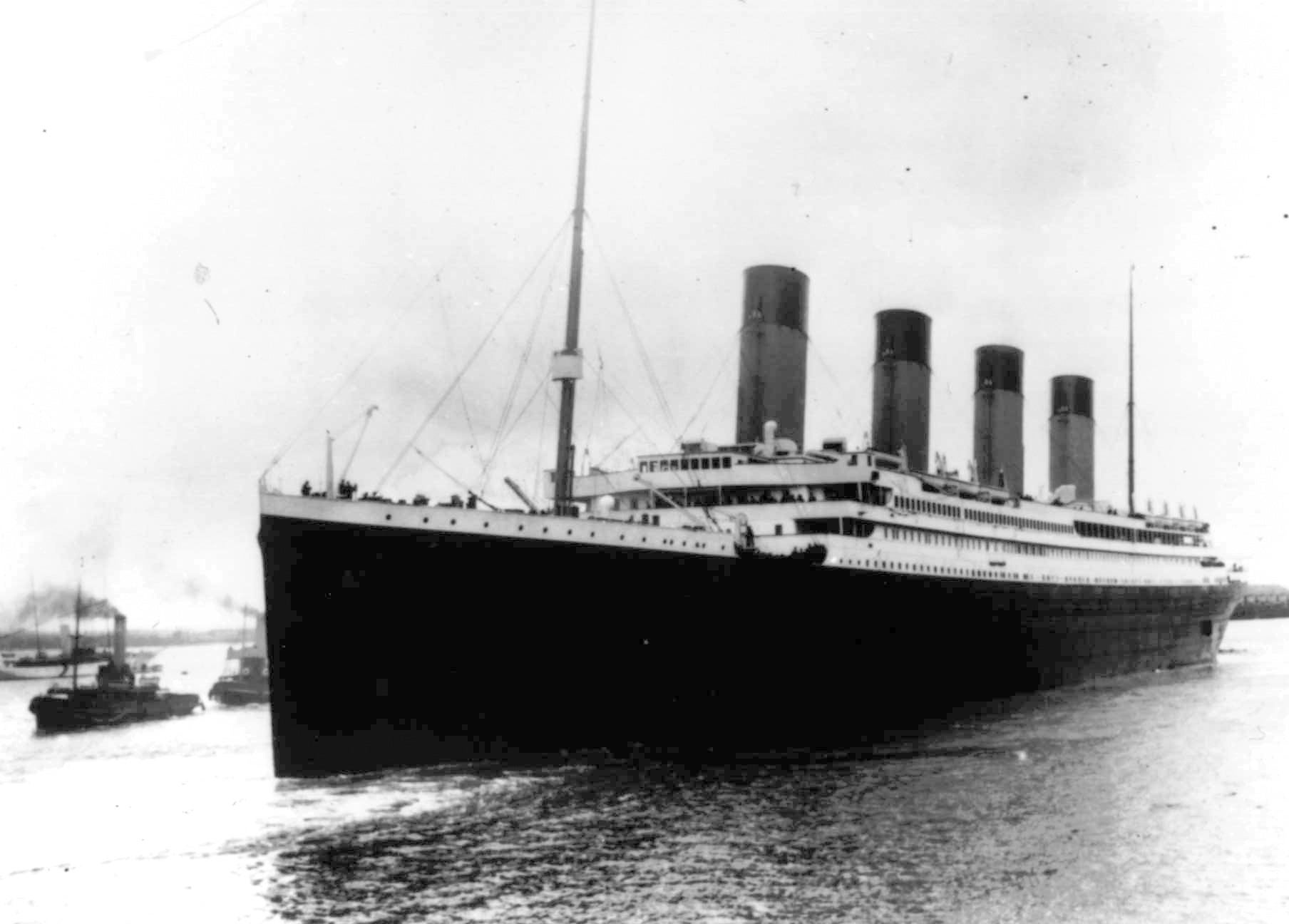
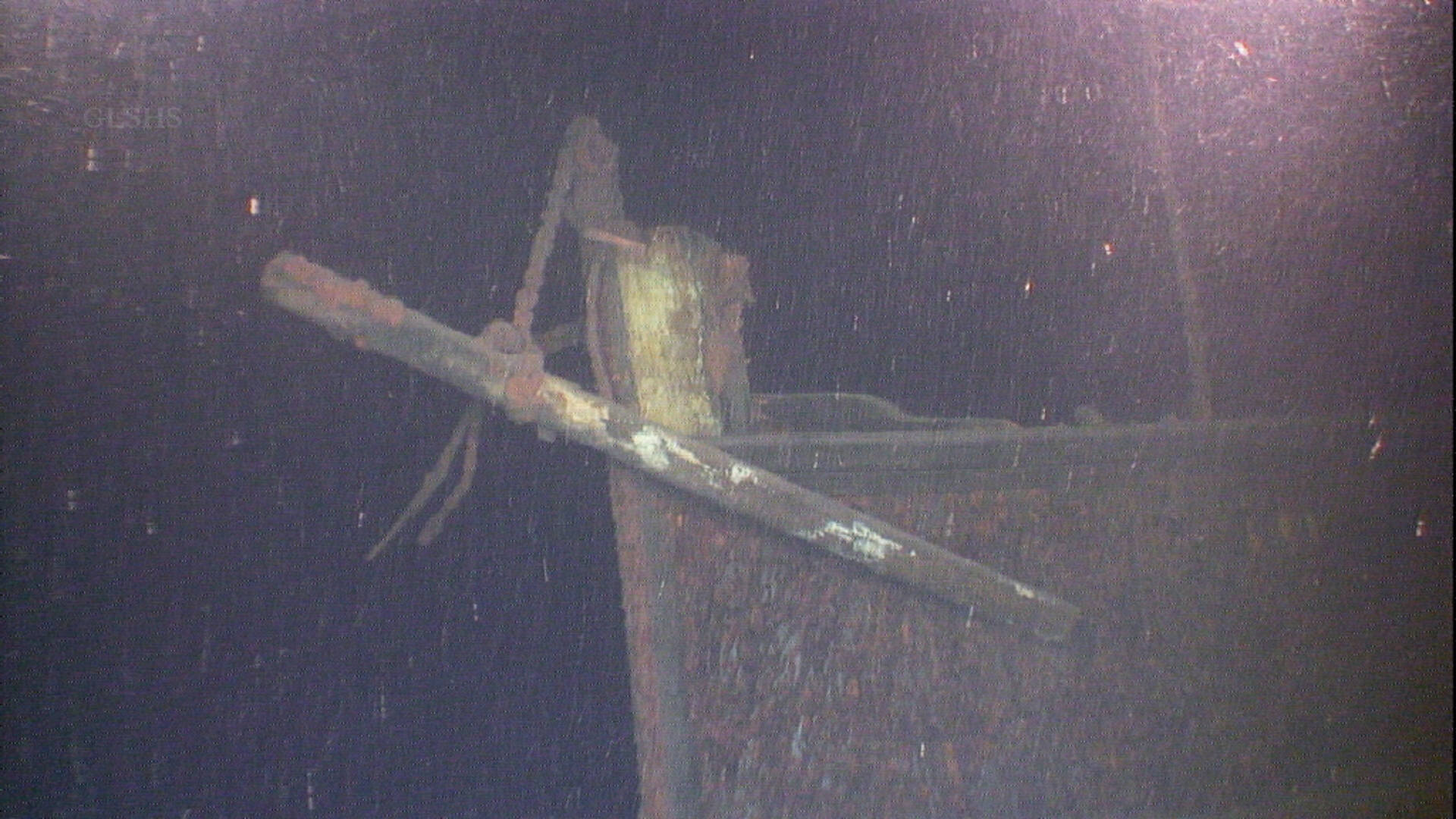
The discovery of the steel-hulled steamer Western Reserve in Lake Superior 132 years after its tragic 1892 sinking solved one of the Great Lakes' most enduring maritime mysteries. Located by deep-water shipwreck hunters using advanced sonar technology, the vessel lies largely intact in extreme depths, offering unprecedented historical closure and preserving a vital chapter of late 19th-century shipping heritage.
The Tragic Loss of the Western Reserve in 1892
The history of the Great Lakes is written in thousands of shipwrecks, but few losses carry the profound human and technological significance of the Western Reserve. Built in Cleveland, Ohio, by the Cleveland Shipbuilding Company and launched in 1890, the Western Reserve represented the absolute cutting edge of maritime architecture. Measuring over 300 feet in length, she was one of the early giants constructed entirely of open-hearth steel rather than traditional wood. This structural shift marked a revolutionary era in Great Lakes bulk freighters, designed to haul unprecedented quantities of iron ore from the rich mines of Lake Superior down to industrial ports like Cleveland and Buffalo.
On August 30, 1892, the steamer embarked on what should have been a routine voyage from Marquette, Michigan, loaded with a massive cargo of iron ore and bound for Cleveland. Aboard the ship were not only her experienced crew of 27 men, but also the family of the vessel's managing owner, Peter Minch. Among the passengers were Minch’s wife and their young children, turning what was intended as a pleasant late-summer cruise into a family voyage.
As the Western Reserve traversed the vast and notoriously unpredictable open waters of eastern Lake Superior, a severe late-summer gale materialized. Heavy gales on Lake Superior can generate towering, breaking waves that challenge even the most robust modern watercraft. Around midnight, roughly 60 miles northwest of Whitefish Point, the ship's structural integrity failed catastrophically. Eyewitness accounts and subsequent historical analysis indicate that the massive steel hull fractured forward of the engine room, effectively breaking the ship in two.
The sinking was swift and catastrophic. Out of the 28 souls aboard passengers and crew combined—only one person survived: a 19-year-old wheelsman named Harry Stewart. Stewart managed to cling to a floating life raft, enduring harrowing conditions on the open lake before washing ashore near the Crisp Point Life-Saving Station. The loss of the Western Reserve sent shockwaves through the maritime community, triggering intense scrutiny regarding the structural reliability and safety of early steel-hulled bulk carriers on the Great Lakes. For well over a century, the final resting place of the vessel remained an elusive ghost, swallowed by the deep, icy abyss of Lake Superior.
The Breakthrough Discovery After 132 Years
For 132 years, maritime historians, underwater archaeologists, and dedicated shipwreck hunters searched fruitlessly for the remains of the Western Reserve. Lake Superior is a formidable adversary for search operations; its waters are intensely cold, highly mineralized, and reach depths exceeding 1,300 feet. These environmental factors create an underwater museum where organic materials and shipwrecks are preserved exceptionally well, but locating a relatively narrow target on a muddy, featureless lakebed spanning thousands of square miles requires a combination of meticulous historical research, advanced technology, and immense patience.
The breakthrough came through the tireless efforts of Great Lakes shipwreck exploration teams, most notably the Great Lakes Shipwreck Historical Society (GLSHS) in coordination with deep-water researchers and sonar experts. The discovery process relied heavily on historical triangulation, examining contemporary newspaper accounts, captain's logs from passing vessels, and surviving testimony from Harry Stewart to narrow down the probability grid. Researchers spent years analyzing drift patterns, wind vectors at the time of the sinking, and subtle anomalies in hydrographic survey data.
When the discovery mission finally took to the water, the search teams deployed state-of-the-art side-scan sonar and Remotely Operated Vehicles (ROVs) equipped with high-definition cameras. Operating hundreds of feet below the surface, the sonar eventually painted a massive, unmistakable profile of a 300-foot-long vessel resting upright on the lakebed. Subsequent ROV dives confirmed the identity of the wreck, capturing footage of the shattered hull, the massive steam engine, and distinct architectural features unique to the 1890-built freighter.
Finding the Western Reserve after more than a century brought profound closure to descendants of the crew and passengers who perished that night. It transformed a fading historical footnote into a tangible, touchable piece of maritime archaeology. Furthermore, the discovery provided marine architects and historians with a physical specimen to evaluate how early steel shipbuilding techniques withstood the extreme stresses of open-lake navigation and catastrophic structural failure.
Technical Specifications and Comparative Analysis of the Steamer
To fully understand why the Western Reserve was such a significant find, one must examine its engineering and place within the evolution of Great Lakes bulk carriers. In the late 19th century, shipyards were rapidly transitioning from wooden sailing schooners and composite steamships to massive iron and steel freighters capable of supporting the booming industrial revolution across the American Midwest.
| Feature / Specification | Historical Detail | Modern Context / Significance |
|---|---|---|
| Year Built & Yard | 1890, Cleveland Shipbuilding Company | Represented the dawn of large-scale commercial steel shipbuilding on the lakes. |
| Hull Material | Open-hearth mild steel | An early application of steel framing, replacing traditional heavy oak timbers. |
| Length & Beam | Approx. 300 feet long, 41-foot beam | Designed to maximize cargo capacity while fitting within 19th-century canal locks. |
| Cargo Capacity | Over 3,000 tons of iron ore | Vital logistical link fueling the steel mills of Ohio and Pennsylvania. |
| Sinking Date | August 30, 1892 | Lost during a fierce Lake Superior gale off Whitefish Point. |
| Discovery Date | Announced publicly in 2024 (132 years later) | Located by deep-water exploration teams using side-scan sonar and ROVs. |
The structural failure of the Western Reserve sparked fierce debates among 19th-century naval architects regarding whether early open-hearth steel plates possessed the necessary ductility and fatigue resistance to withstand the whipping action of long, slender lake freighters riding over steep, closely spaced freshwater waves. Unlike ocean swells, which are long and rolling, Lake Superior waves are steep and choppy, placing immense cyclical stress on the midsection of long hulls. The discovery of the wreck on the lakebed—broken and resting in deep water—validates historical hypotheses that structural fatigue and brittle fracture played central roles in the disaster.
Underwater Preservation and Archaeological Significance
Lake Superior is widely regarded by marine archaeologists as one of the finest preservation environments in the world. The water temperature near the lakebed remains near-freezing year-round, and the absence of marine wood-boring worms (such as the Teredo navalis found in saltwater oceans) means that wooden structures, textiles, and organic debris survive for centuries with minimal decay.
While the Western Reserve was constructed of steel rather than wood, the freshwater environment has similarly shielded the metal and associated artifacts from rapid corrosive degradation. When ROVs illuminated the wreck during the discovery surveys, researchers observed that the ship's superstructure, deck machinery, steering gear, and intricate cabin details remained remarkably preserved. The cold depths act as a natural preservation vault, freezing the tragedy in time.
| Archaeological Element | Condition Upon Discovery | Historical Insights Gained |
|---|---|---|
| Hull Structure | Fractured forward of the engine room; upright | Confirms contemporary accounts of the ship breaking in half before sinking. |
| Steam Machinery | Intact triple-expansion engine | Showcases late-Victorian marine engineering and propulsion technology. |
| Deck Equipment | Anchors, winches, and steering gear in place | Demonstrates the manual and steam-assisted labor systems of 1890s sailors. |
| Personal Artifacts | Undisturbed debris field around the wreck | Offers silent testimony to the suddenness of the catastrophe for passengers and crew. |
Under maritime law and standard archaeological ethics, deep-water wrecks of this magnitude are treated as underwater cemeteries and historical monuments. The exact GPS coordinates of the Western Reserve are carefully managed by preservation organizations and state authorities to prevent unauthorized salvage, artifact looting, or anchor damage from sport divers. The site serves as a protected cultural resource, studied non-intrusively through high-definition sonar passes and robotic camera inspections.
The Human Element: Remembering the Crew and Passengers
Behind the engineering metrics and sonar scans lies a deeply human story of tragedy and survival. The loss of 27 lives on the Western Reserve devastated families in Cleveland and surrounding Great Lakes port cities. Peter Minch, the owner, lost not only his business investment and his vessel, but his wife and children as well.
The ordeal of Harry Stewart, the sole survivor, remains one of the most remarkable survival accounts in Great Lakes lore. Being swept into the freezing water and managing to secure a spot on a drifting raft while watching the massive ship vanish into the dark water required extraordinary resilience. Stewart's subsequent testimony at the official marine inquiry provided the only eyewitness narrative of the ship's final moments, detailing how the vessel seemed to snap cleanly across the deck before the bow and stern plunged into the depths.
The 2024 confirmation of the wreck's location brought renewed public attention to these forgotten individuals. Descendants of the Minch family and the crew members participated in memorial reflections, emphasizing that shipwreck discoveries are not merely technical achievements for explorers, but emotional touchstones for families whose ancestors helped build the commercial foundation of the American Midwest.
Frequently Asked Questions
Where exactly is the Western Reserve shipwreck located?
The exact GPS coordinates of the Western Reserve are withheld by researchers and historical preservation groups to protect the site from illegal salvage and anchor damage. However, exploration reports place the wreck in deep waters approximately 60 miles northwest of Whitefish Point in eastern Lake Superior.
How was the ship found after 132 years?
The discovery was the result of multi-year archival research combined with modern marine technology. Teams utilized high-resolution side-scan sonar to survey deep-water lakebeds, followed by Remotely Operated Vehicles (ROVs) equipped with cameras to visually inspect and confirm the vessel's identity.
Why did the Western Reserve sink?
Historical records and modern archaeological assessment indicate that the ship encountered a severe gale on August 30, 1892. The combination of intense wave action and structural stress caused the early steel hull to fracture catastrophically near the engine room, breaking the ship in two.
Are artifacts being recovered from the site?
No. The Western Reserve is treated as an underwater gravesite and a protected historical monument. Exploration teams practice non-intrusive documentation, relying exclusively on sonar mapping and optical photography via ROVs without disturbing the vessel or its surrounding debris field.
Who survived the 1892 sinking?
Out of the 28 people aboard—including crew members and the owner's family—only 19-year-old wheelsman Harry Stewart survived. He was rescued after drifting on a life raft and washing ashore near the Crisp Point Life-Saving Station.
Next Actions and Further Exploration
For readers and maritime enthusiasts seeking to deepen their understanding of the Western Reserve discovery and Great Lakes shipping history, several pathways offer authoritative information without disturbing protected sites:
- Visit Maritime Museums: Plan a visit to the Great Lakes Shipwreck Museum located at Whitefish Point, Michigan, which houses extensive exhibits on Lake Superior storms, life-saving stations, and major discoveries.
- Review Historical Society Publications: Consult peer-reviewed journals and archival publications issued by the Great Lakes Shipwreck Historical Society (GLSHS) for official documentation and high-definition documentary footage of deep-water surveys.
- Study Naval Architecture History: Read specialized texts on the evolution of 19th-century iron and steel bulk carriers to understand the manufacturing milestones and structural challenges faced by early shipyards in Cleveland and Buffalo.