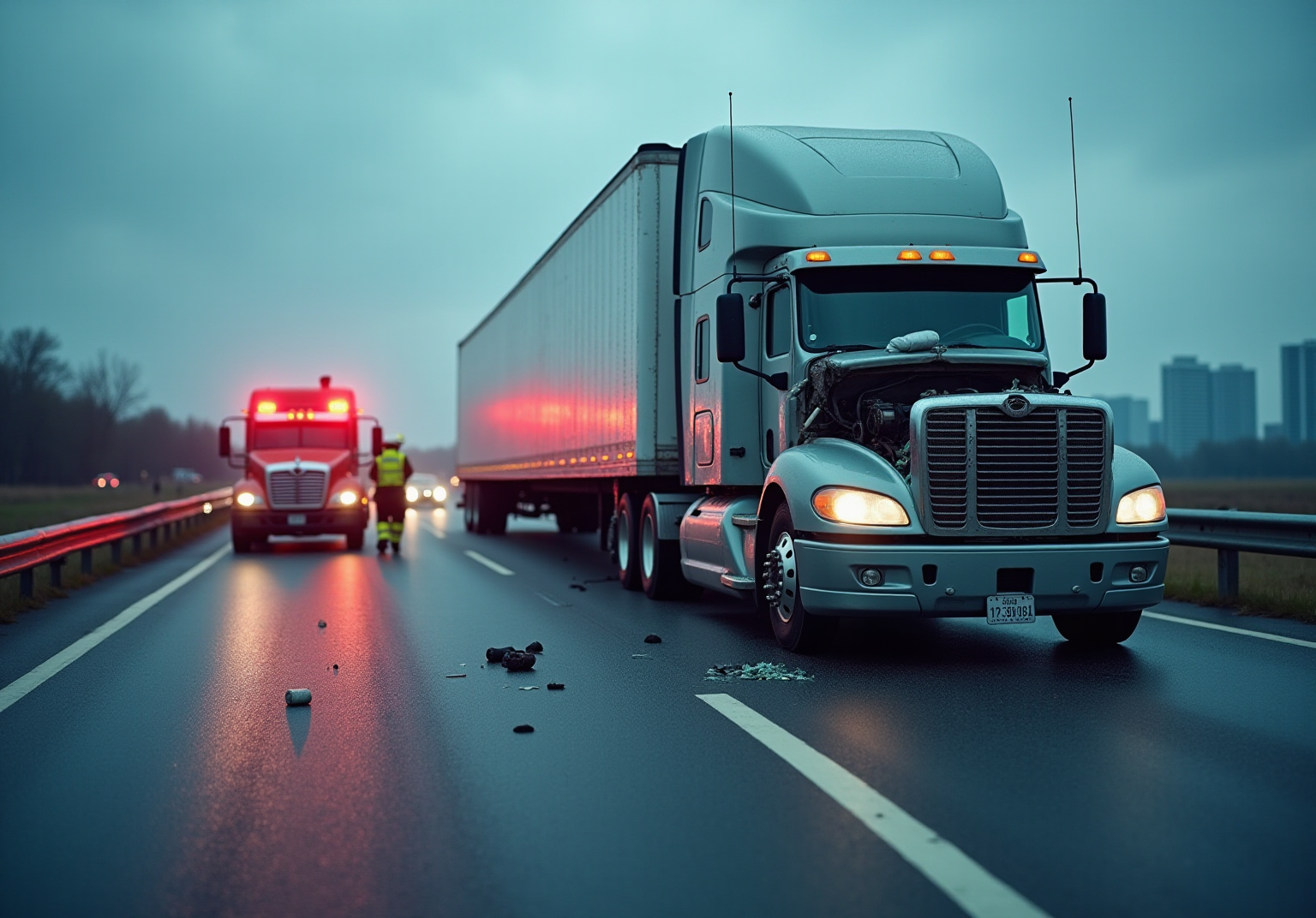
Navigating the aftermath of a major highway collision requires the expertise of an 18 wheeler accident lawyer in Las Vegas to handle complex federal regulations, aggressive insurance defense teams, and substantial commercial policy limits.
When a commercial vehicle collides with a passenger car on routes like Interstate 15, Interstate 515, or the heavily trafficked resort corridor surface streets, the physics alone guarantee catastrophic outcomes. Commercial trucks, often weighing up to 80,000 pounds fully loaded, generate immense kinetic energy that routinely results in severe, life-altering injuries or fatalities for occupants of smaller vehicles. Because of the high stakes, trucking companies and their corporate insurers deploy rapid-response investigators to crash scenes within hours of an incident. To level the playing field, injured victims and their families must understand how to secure qualified legal representation, preserve perishable evidence, and navigate Nevada’s specific liability and comparative negligence frameworks.
The Unique Complexity of Commercial Trucking Litigation
Litigating a commercial motor vehicle crash differs fundamentally from a standard two-car passenger collision. While a routine auto accident typically involves two individual drivers and standard auto insurance policies, an 18-wheeler crash implicates a vast, interconnected web of corporate entities, federal safety mandates, and heavy-duty insurance portfolios.
When a semi-truck causes a collision, liability rarely rests solely on the person behind the wheel. Multiple parties may share legal and financial responsibility for the damages incurred. This multi-layered liability structure is precisely why retaining specialized legal counsel is critical for recovering fair compensation.
Multiple Liable Parties in Commercial Trucking Accidents
- The Truck Driver: May be held accountable for driver fatigue, distracted driving, driving under the influence, speeding, or violating Federal Motor Carrier Safety Administration (FMCSA) hours-of-service regulations.
- The Motor Carrier or Trucking Company: Often liable under the doctrine of respondeat superior (vicarious liability) for the negligent acts of their employees, as well as for direct negligence in hiring, training, retention, or vehicle maintenance.
- The Cargo Loader or Shipper: Third-party logistics companies responsible for improperly loading, securing, or overloading cargo can be held liable if shifting weight caused the truck to jackknife or roll over.
- The Vehicle or Parts Manufacturer: If a mechanical failure—such as defective braking systems, steering mechanisms, or tire blowouts—caused the crash, product liability claims can be brought against the manufacturer.
- Maintenance Contractors: Independent mechanics or third-party service shops that performed faulty repairs or missed critical safety inspections prior to the trip.
Immediate Steps to Take After an 18-Wheeler Crash in Nevada
The actions taken immediately following a commercial truck collision profoundly impact the viability and value of a subsequent personal injury claim. Because trucking companies immediately work to mitigate their liability, victims must take deliberate steps to protect their legal interests.
| Step | Primary Objective |
|---|---|
| 1. Call 911 & Seek Medical Care | Ensure physical safety and create official record. |
| 2. Document the Scene | Capture vehicle positions, debris, and road marks. |
| 3. Preserve Evidence | Prevent destruction of electronic log data. |
| 4. Avoid Insurance Statements | Prevent adjusters from twisting recorded facts. |
| 5. Retain Specialized Counsel | Issue immediate spoliation letters to carriers. |
Securing Medical Documentation
Adrenaline can mask severe internal injuries, traumatic brain injuries (TBIs), and soft-tissue damage immediately following a crash. Visiting a hospital or emergency room right away establishes a direct medical link between the collision and the physical injuries sustained. Gaps in medical treatment are frequently exploited by defense attorneys to argue that injuries were pre-existing or caused by an intervening event.
Preserving Perishable Evidence and Spoliation Letters
Unlike passenger vehicles, commercial trucks are equipped with advanced technology and regulated by strict documentation requirements. However, this critical data can vanish quickly. An experienced legal team will immediately issue a spoliation letter—a formal legal notice demanding that the trucking company preserve all physical and electronic evidence. This includes:
- Electronic Control Module (ECM) data, often referred to as the truck's "black box," which records speed, braking, and throttle input prior to impact.
- Electronic Logging Devices (ELDs) that track driver hours, rest breaks, and potential violations of federal fatigue rules.
- Driver qualification files, including medical certifications, drug testing records, and prior driving history.
- Maintenance, repair, and inspection logs for the tractor and trailer.
- Dashcam footage, dispatch communications, and GPS tracking data.
Understanding Nevada Trucking Regulations and Legal Frameworks
Operating commercial motor vehicles within Nevada requires adherence to both state traffic laws enforced by the Nevada Highway Patrol and federal regulations established by the FMCSA under Title 49 of the Code of Federal Regulations.
Federal Motor Carrier Safety Administration (FMCSA) Compliance
Federal regulations govern virtually every aspect of commercial trucking operations. Violations of these rules serve as powerful evidence of negligence in a civil lawsuit. Key areas of regulation include:
- Hours of Service (HOS): Strict limits on how many consecutive hours a driver can operate a commercial vehicle without taking mandatory rest breaks to combat driver fatigue.
- Weight and Load Limits: Regulations controlling gross vehicle weight ratings (GVWR) and proper cargo distribution to prevent balance loss.
- Mandatory Inspection and Maintenance: Requirements for daily pre-trip and post-trip inspections, as well as scheduled mechanical overhauls.
Nevada’s Modified Comparative Negligence Statute
Nevada operates under a modified comparative negligence rule (Nevada Revised Statutes § 41.141). Under this statute, an injured party can recover damages as long as their percentage of fault for the accident does not exceed 50%. If a jury determines that the plaintiff was 20% at fault for the accident, their total financial recovery will be reduced by 20%. Insurance adjusters frequently attempt to shift a disproportionate share of blame onto the victim to reduce payout obligations, making aggressive legal advocacy essential.
Common Causes of Commercial Truck Collisions
Understanding why semi-truck accidents occur helps illuminate how liability is established during litigation. While driver error is a primary contributor, systemic pressures from motor carriers also play a significant role.
Driver Fatigue and Scheduling Pressures
Despite strict federal hours-of-service rules, many commercial drivers face intense economic pressure from trucking companies to deliver loads on tight schedules. Driving while exhausted slows reaction times significantly, impairing cognitive function similarly to driving under the influence of alcohol.
Improper Cargo Loading and Overloading
Commercial trailers must be loaded within precise weight distributions. When cargo is improperly secured, shifts during transit can cause sudden weight imbalances. This phenomenon frequently leads to rollovers on curved highway offramps or jackknife accidents, where the trailer swings around to form an acute angle with the cab, blocking multiple lanes of traffic.
Distracted Driving and Technology Use
Commercial operators face numerous distractions inside the cab, including dispatch tablets, cellular devices, GPS navigation units, and onboard logging systems. Taking eyes off the road for even a few seconds at highway speeds covers the length of a football field, leaving no time to react to sudden slowdowns in Las Vegas traffic.
Economic and Non-Economic Damages in Trucking Injury Claims
Due to the devastating nature of 18-wheeler accidents, victims often face staggering financial losses. A comprehensive personal injury claim accounts for both immediate out-of-pocket expenses and long-term lifestyle impacts.
- Medical Expenses: Coverage for emergency room care, surgeries, hospitalization, physical rehabilitation, psychological counseling, and long-term medical equipment or nursing care.
- Lost Wages and Earning Capacity: Compensation for income lost during recovery, as well as diminished future earning capacity if permanent disabilities prevent the victim from returning to their prior occupation.
- Pain and Suffering: Non-economic damages compensating for physical agony, emotional distress, scarring, disfigurement, and loss of enjoyment of life.
- Wrongful Death Damages: For families who have lost a loved one, Nevada law allows eligible surviving family members to recover funeral expenses, loss of financial support, and companionship.
Frequently Asked Questions About 18 Wheeler Accidents
How long do I have to file a truck accident lawsuit in Nevada?
Under Nevada Revised Statutes § 11.190(4)(c), the general statute of limitations for personal injury and wrongful death claims is two years from the date of the accident. Failing to file a lawsuit within this window permanently bars recovery. However, investigation and evidence preservation must begin immediately, long before a lawsuit is formally filed.
Why should I hire an attorney instead of dealing with the insurance company directly?
Commercial insurance carriers represent large corporate entities whose primary goal is minimizing financial payout. They employ aggressive adjusters and defense lawyers who use recorded statements and delayed tactics to devalue claims. An experienced attorney manages all communications, calculates the true long-term value of your claim, and possesses the resources to litigate against corporate legal teams.
What does it cost to hire an 18 wheeler accident lawyer?
Most reputable personal injury attorneys operate on a contingency fee basis. This means clients pay nothing upfront, and the attorney’s fees are paid as an agreed-upon percentage of the final settlement or court award recovered. If no recovery is obtained, the client owes no attorney fees.
What if I was partially at fault for the accident?
Under Nevada's modified comparative negligence law, you can still recover compensation as long as your share of fault is 50% or less. Your total award will simply be reduced by your exact percentage of fault. An attorney helps counter unfair attempts by insurance companies to exaggerate your share of liability.
Next Actions and Securing Professional Guidance
If you or a loved one has been injured in a collision involving a commercial semi-truck, taking swift and calculated action is essential. Prioritize your medical recovery by following all treatment plans prescribed by healthcare professionals. Simultaneously, avoid signing any documents, accepting quick settlement offers, or giving recorded statements to commercial insurance adjusters before consulting with a qualified legal professional. Schedule a comprehensive consultation with an established 18 wheeler accident lawyer in Las Vegas to protect your rights, demand the preservation of vital evidence, and pursue the full compensation you deserve.