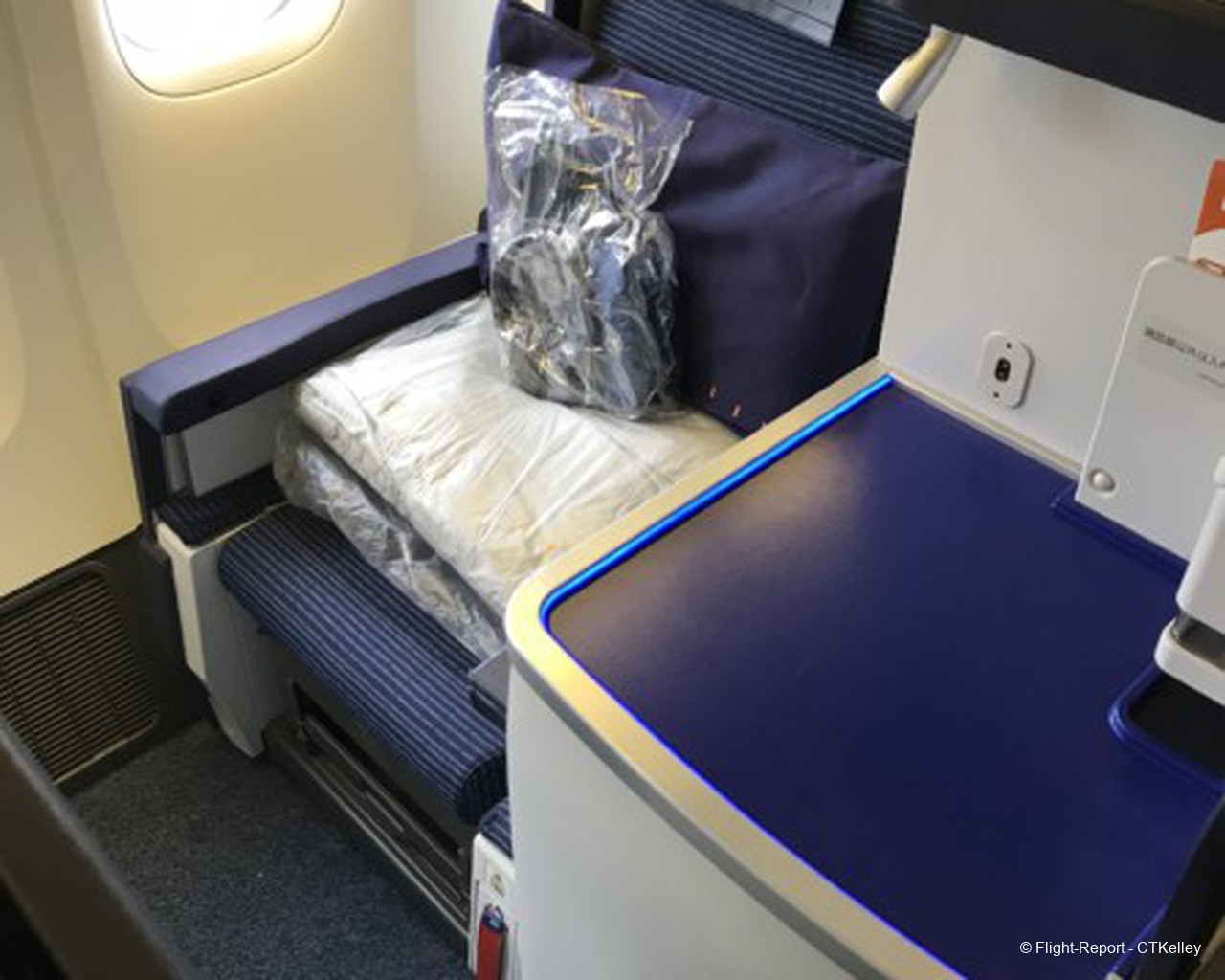
ANA Flight 106 typically operates as All Nippon Airways' direct service connecting Tokyo's Haneda Airport (HND) to Los Angeles International Airport (LAX). This transpacific route utilizes widebody long-haul aircraft equipped with multi-class cabins, providing passengers with an extensive international flight experience across time zones and the Pacific Ocean.
Understanding the ANA Flight 106 Route and Operations
For international travelers navigating transpacific itineraries, understanding the operational details of long-haul services is essential for seamless planning. All Nippon Airways (ANA), a major Japanese carrier and Star Alliance member, schedules multiple daily departures between the Tokyo metropolitan area and major gateways on the United States West Coast. Among these, the route designated under flight number 106 represents a key corridor for business travelers, tourists, and transit passengers connecting through Japan to domestic and international destinations.
Operating a long-haul flight across the Pacific Ocean requires rigorous logistical coordination, adherence to international aviation safety standards, and precise scheduling. Tokyo Haneda Airport serves as a primary hub due to its close proximity to central Tokyo, offering streamlined access via rail and road networks compared to the more distant Narita International Airport. Conversely, Los Angeles International Airport (LAX) acts as a massive western gateway to the United States, facilitating onward connections to domestic carriers, Latin America, and other global regions.
Aircraft Configuration and Cabin Classes
The passenger experience aboard long-haul ANA services depends heavily on the specific widebody aircraft deployed on the route. ANA operates advanced long-haul aircraft families, primarily featuring configurations designed to maximize comfort during flights exceeding ten hours in duration.
First Class and Business Class (The Room / The Suite)
On flagship long-haul routes, ANA deploys premium cabins featuring cutting-edge private suite designs.
- First Class (THE SUITE): Inspired by luxury hotel concepts, these private compartments feature wide seats, large high-definition entertainment monitors, and sliding doors for maximum privacy.
- Business Class (THE ROOM): Renowned for introducing a residential living room feel to commercial aviation, these business-class seats are arranged in a staggered 1-2-1 configuration, offering exceptionally wide seating surfaces that convert into fully flat beds with direct aisle access.
Premium Economy and Economy Class
For passengers traveling in standard cabins, ANA focuses on ergonomic design and enhanced pitch to mitigate the physical fatigue associated with multi-hour transpacific journeys.
- Premium Economy: Features increased seat pitch, dedicated legrests, adjustable headrests, and upgraded meal service options compared to standard economy.
- Economy Class: Arranged in comfortable rows with personal touch-screen entertainment systems, USB charging ports, and customizable headrests. Dining options incorporate both Japanese and Western culinary choices, alongside complimentary beverage services.
Departure and Arrival Logistics: Haneda to Los Angeles
Navigating the airports efficiently requires familiarity with terminal layouts, security procedures, and ground transportation alternatives.
Departing from Tokyo Haneda Airport (HND)
Haneda Airport operates closer to central Tokyo than Narita, making it a preferred choice for many flyers. ANA international flights typically depart from Terminal 2 or Terminal 3, depending on seasonal schedules and operational updates. Passengers should verify their specific terminal assignment prior to arrival.
- Check-in and Bag Drop: ANA provides automated kiosks alongside dedicated counters for premium cabin passengers and Star Alliance Gold status holders.
- Security and Immigration: Peak departure hours for North American flights can generate lines at security checkpoints and automated passport control. Arriving at the airport at least three hours before the scheduled departure time is strongly recommended.
Arriving at Los Angeles International Airport (LAX)
Flight 106 lands at Los Angeles International Airport, typically arriving at the Tom Bradley International Terminal (TBI), which handles the vast majority of long-haul international carriers.
- Customs and Border Protection (CBP): All arriving international passengers must clear U.S. customs and immigration. Eligible travelers can expedite this process using Global Entry kiosks or the Mobile Passport Control (MPC) app.
- Ground Transportation: Exiting the terminal leads to various transportation options, including the LAXit zone for rideshares and taxis, scheduled hotel shuttles, rental car center buses, and regional transit connections.
Flight Duration, Timing, and Scheduling Considerations
Transpacific flights between Tokyo and Los Angeles are subject to dynamic flight times driven heavily by upper-air wind patterns, particularly the jet stream.
| Phase / Direction | Typical Flight Duration | Primary Meteorological Factor |
|---|---|---|
| Tokyo (HND) to Los Angeles (LAX) | Approx. 10 to 11 hours | Tailwind assistance from the eastward jet stream often shortens block times. |
| Los Angeles (LAX) to Tokyo (HND) | Approx. 11 to 12.5 hours | Headwinds moving eastward require more fuel burn and extended airborne duration. |
Passengers must also account for the significant time zone difference—typically a 16 or 17-hour offset depending on daylight saving time transitions in the United States and Japan's consistent use of Japan Standard Time (JST). This shift often results in flights landing in Los Angeles on the same calendar date as departure due to crossing the International Date Line.
Ticketing, Baggage Policies, and Fare Families
When booking travel on ANA services, passengers can select from various fare brands that dictate baggage allowances, seat selection fees, and change or cancellation flexibility.
- Baggage Allowance: Economy passengers typically receive a standard allowance of checked bags (often two pieces up to 23 kg each on international intercontinental itineraries), while premium cabins permit heavier and more numerous checked items. Carry-on allowances generally restrict bags to one personal item and one cabin bag within specified weight and dimension limits.
- Seat Selection: Depending on the purchased fare class, advance seat selection may be included or subject to a fee. Premium cabins and higher-tier economy fares generally allow free selection at the time of booking.
- Codeshare and Partner Bookings: Because ANA is a core member of the Star Alliance network, Flight 106 or its equivalent codeshare services can often be booked through partner airlines such as United Airlines, influencing frequent flyer mileage accumulation and upgrade eligibility.
Frequently Asked Questions
What aircraft does ANA typically use for flights between Tokyo and Los Angeles?
ANA predominantly deploys widebody aircraft such as the Boeing 777-300ER or Boeing 787 Dreamliner on major North American trunk routes. These aircraft feature modern cabin interiors, advanced air filtration systems, and multi-class configurations tailored for long-haul comfort.
How early should I arrive at Tokyo Haneda Airport for Flight 106?
For international flights departing to the United States, it is recommended to arrive at the airport at least three hours prior to scheduled departure. This allows ample time for document verification, check-in, bag drop, security screening, and possible immigration queues.
Can I upgrade my ticket to Business Class using miles?
Yes, passengers holding eligible paid economy or premium economy tickets can request an upgrade using ANA Mileage Club miles or partner frequent flyer currency, subject to seat availability and fare class rules. Requests can be submitted online via the ANA website prior to departure.
What terminal does ANA use at Los Angeles International Airport (LAX)?
ANA flights arriving at LAX typically process through the Tom Bradley International Terminal (TBI). Passengers connecting to domestic flights must claim checked baggage, clear customs, and re-check bags at their connecting airline's transfer desk.
Are meals customized for dietary requirements on ANA transpacific flights?
ANA offers a wide variety of special meals, including vegetarian, vegan, religious, and medical dietary options. These must be requested through the airline's booking portal or customer service center at least 24 to 96 hours before departure, depending on the specific meal type.
Practical Recommendations for Travelers
To ensure a smooth journey on transpacific routes like ANA Flight 106, travelers should proactively manage their documentation and onboard comfort. Verify that passports possess at least six months of validity beyond the planned return date and confirm that all entry requirements—such as an approved ESTA (Electronic System for Travel Authorization) for eligible visitors entering the United States—are secured well in advance of departure. Hydration, comfortable clothing, and proactive management of sleep schedules during the flight can also significantly reduce the impact of jet lag upon arrival in Los Angeles.