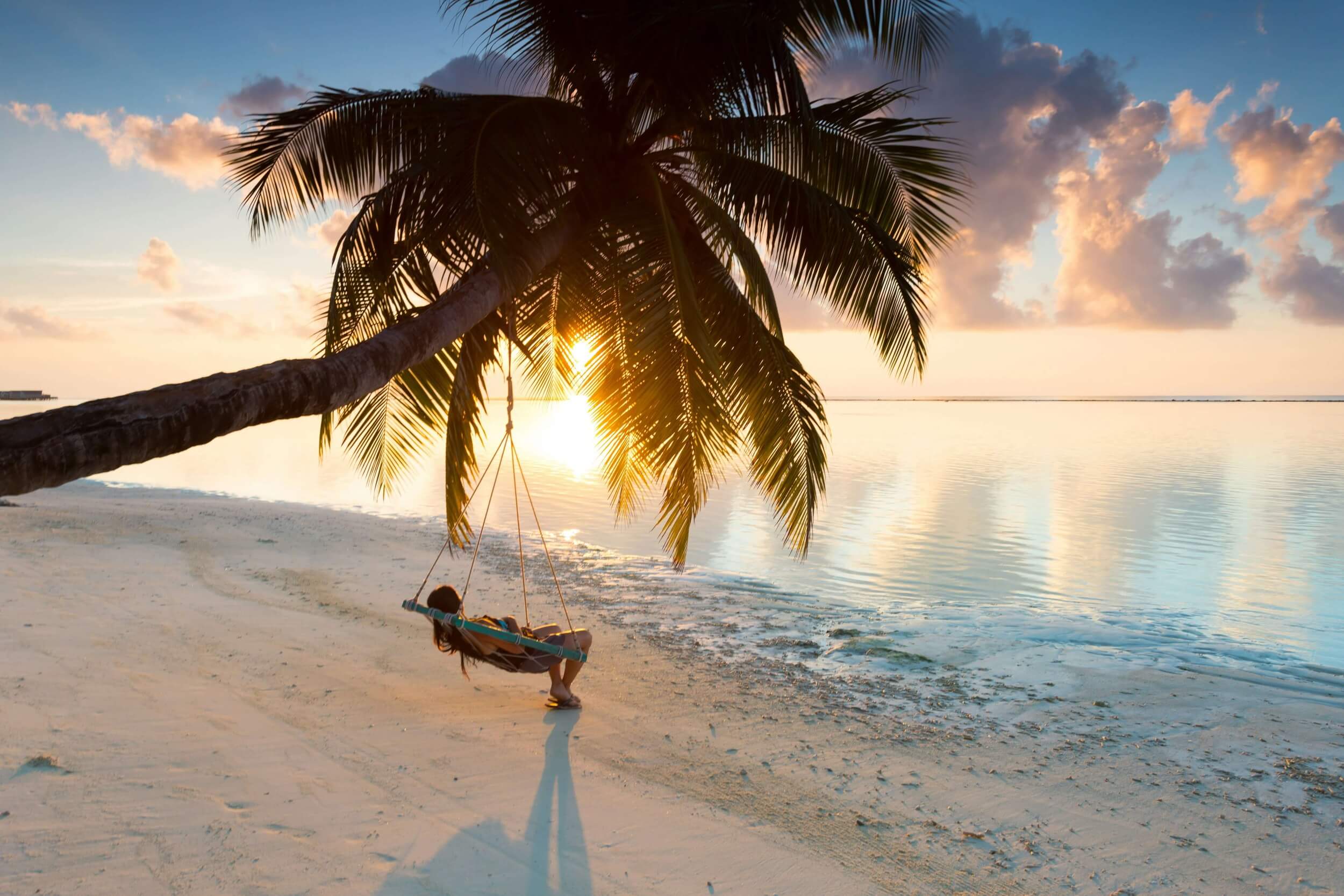
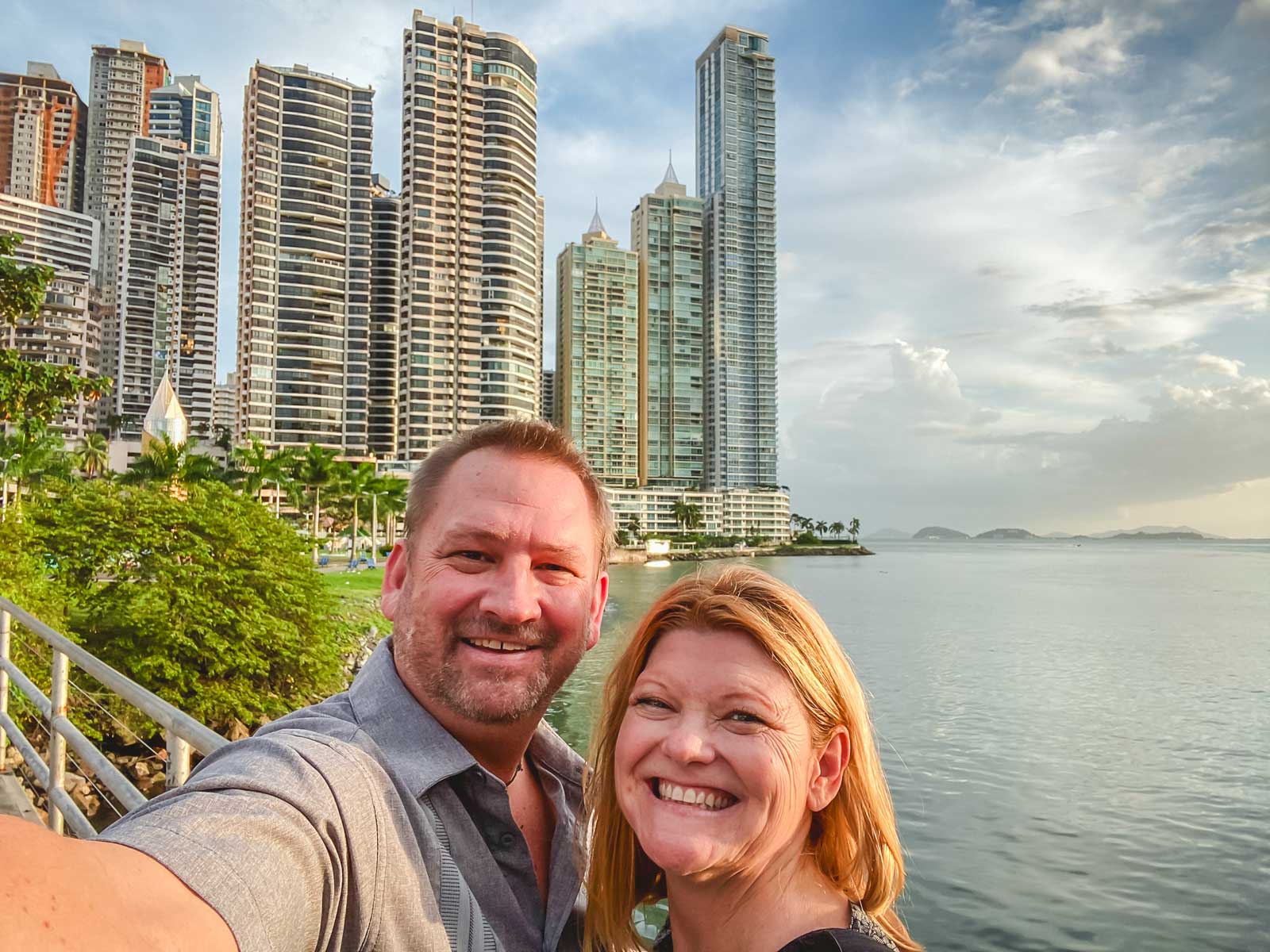
Planning a trip to Panama requires navigating a unique blend of cosmopolitan urban environments, rugged tropical landscapes, and specific administrative requirements. Whether you are heading to the bustling streets of Panama City, the cloud forests of Boquete, or the pristine beaches of the San Blas Islands, these ten essential tips will help you manage your logistics, safety, and cultural expectations effectively during your 2026 travel preparations.
1. Verify Your Entry Requirements and Passport Validity
Before you board your flight, ensure your travel documents meet Panamanian law. As of 2026, most international tourists are granted entry under a tourist visa waiver program, but this is contingent upon having a passport valid for at least six months beyond your date of entry. You must also provide proof of economic solvency—often requested as at least $500 USD—and a return or onward ticket. Failing to produce a confirmed exit ticket at immigration can result in being denied boarding by your airline or refused entry by border officials. Always check the official website of the Servicio Nacional de Migración de Panamá for the most current entry protocols applicable to your specific nationality.
2. Understand the Dual-Currency System
Panama operates under a unique monetary arrangement. The official currency is the Balboa (PAB), which is pegged at parity to the United States Dollar (USD). In practice, Panama does not issue paper currency; it exclusively uses US banknotes for all paper transactions. Panamanian coins, which are minted to the same dimensions and weight as US coins, circulate alongside US coinage. You do not need to exchange your home currency into Balboas. Simply ensure you arrive with crisp, clean USD bills, as local merchants often reject torn or heavily marked notes.
3. Plan for Panama’s Two Distinct Seasons
Panama experiences a tropical climate defined by two primary seasons rather than four. The dry season (locally known as verano) runs from mid-December through April. During this period, you will encounter sunny, windy days, which are ideal for outdoor excursions, island hopping, and hiking. The wet season (invierno) spans from May to December. While rain is frequent, it often arrives in short, intense bursts in the afternoon, leaving the rest of the day clear. If you travel during the wet season, you can often secure lower accommodation rates and benefit from fewer crowds, though you should prepare for high humidity and occasional travel delays due to heavy tropical downpours.
4. Optimize Transportation Strategies
Navigating Panama requires different strategies depending on your destination. In Panama City, the Metro is a modern, efficient, and cost-effective way to bypass traffic, which can be significant during rush hours. For inter-city travel, domestic flights provided by airlines like Air Panama offer a massive time saving compared to bus transit. If you intend to rent a car, ensure you have a valid driver's license from your home country. Be aware that driving in Panama City can be chaotic for the uninitiated, while rural roads, particularly in the Chiriquí highlands, may require a 4x4 vehicle to navigate safely during the rainy season.
5. Prioritize Healthcare and Water Safety
While Panama boasts high-quality medical facilities—particularly in Panama City, where many doctors are trained in the United States—healthcare in remote areas can be limited. Ensure you have comprehensive travel insurance that covers emergency medical evacuation. Regarding hydration, tap water is generally considered safe to drink in Panama City and major urban centers like Boquete. However, if you are visiting remote indigenous territories or rural coastal villages, stick to bottled or treated water to prevent gastrointestinal illness. Always carry a basic first-aid kit containing rehydration salts and anti-diarrheal medication.
6. Embrace Cultural Etiquette and Tipping
Panamanian culture is generally warm, polite, and formal. When entering shops or cafes, a simple "buenos días" (good morning) or "buenas tardes" (good afternoon) is expected and highly appreciated. Regarding gratuities, a service charge is sometimes included in restaurant bills, but it is standard practice to tip an additional 10% for good service. If a service charge is not included, 10% to 15% is the customary range. In taxis, tipping is not expected unless the driver provides extra assistance with luggage or navigates a particularly difficult route.
7. Navigate Connectivity and Power Standards
Panama utilizes the same electrical plug configuration as the United States (Types A and B) with a standard voltage of 110V. If you are traveling from Europe or other regions with different standards, you will need a voltage converter and a plug adapter. For mobile connectivity, buying a local SIM card (from providers such as Tigo or Más Móvil) is significantly cheaper than relying on international roaming packages. Coverage is excellent in urban areas and along the Pan-American Highway, though you should expect intermittent signals when traveling deep into the rainforest or remote islands.
8. Choose Accommodations Based on Intent
The type of holiday you seek will dictate your base location. Panama City is the hub for luxury hotels, high-end dining, and shopping. If you are seeking adventure, choose lodges in the Boquete or Volcán highlands, where the climate is cooler and the terrain is perfect for coffee farm tours and zip-lining. If your goal is relaxation, the San Blas Islands offer a rustic, indigenous-run experience with minimal infrastructure, while the beaches of Bocas del Toro provide a more vibrant, backpacker-friendly atmosphere with a strong Caribbean influence.
9. Master Essential Safety Precautions
Panama is generally safe, but common-sense travel precautions are essential. Avoid walking alone at night in neighborhoods that are not well-trafficked, such as parts of Casco Viejo outside the tourist-heavy zones or certain areas of Colón. In the city, use authorized taxi apps rather than flagging random cars on the street to ensure your route is logged and the fare is transparent. Secure your passport and extra cash in a hotel safe, and carry only the amount of money you need for the day’s activities.
10. Respect Indigenous Territories and Protected Lands
Panama is home to several indigenous groups, such as the Guna Yala in San Blas and the Ngäbe-Buglé. When visiting these regions, you are entering autonomous territories. Always ask for permission before taking photographs of individuals, their homes, or their crafts. Pay the required entry fees, which often go directly toward the maintenance and sovereignty of these communities. Similarly, when visiting national parks, adhere to "Leave No Trace" principles to protect Panama’s extraordinary biodiversity.
Summary Comparison of Travel Logistics
| Category | Urban (Panama City) | Rural/Highlands (Boquete) | Coastal/Islands (San Blas) |
|---|---|---|---|
| Transport | Metro, Taxi Apps | Rental Car (4x4), Shuttles | Boat Transfer |
| Water | Safe (Tap) | Safe (Tap/Filtered) | Bottled Recommended |
| Connectivity | High Speed | Moderate | Very Low |
| Primary Activity | Culture, Dining, History | Hiking, Coffee Tours | Beach, Snorkeling |
Frequently Asked Questions (FAQ)
Is Spanish the only language spoken in Panama? While Spanish is the official language, English is widely understood in the tourism sector, luxury hotels, and among younger professionals in Panama City. However, learning basic Spanish phrases will significantly enhance your experience in more traditional rural areas where English penetration is minimal.
Do I need a vaccination to enter Panama? As of 2026, there are no mandatory vaccination requirements for general entry. However, if you are arriving from a country with a high risk of yellow fever transmission, you may be required to present an International Certificate of Vaccination or Prophylaxis (ICVP). Always consult your local health department or the Panamanian embassy several weeks before departure.
Is it necessary to pre-book tours for the Panama Canal? While you do not need to pre-book a tour to visit the Miraflores Visitor Center, it is highly recommended if you intend to take a partial or full transit boat tour. These slots fill up weeks in advance, especially during the dry season, as boat capacity is strictly regulated by the Panama Canal Authority.
Can I use my credit card everywhere? Major hotels, malls, and upscale restaurants in Panama City accept credit cards (Visa and Mastercard are most common). However, smaller family-owned restaurants, local markets, and island transit services are almost exclusively cash-based. Always carry small denominations of USD to ensure you can pay for everyday needs.
What is the best way to handle customs regarding souvenirs? Panama is famous for coffee and artisanal crafts. Most items are easy to clear through customs. However, ensure that any organic products, such as specialty coffee beans, are properly sealed and declared if required by your home country's agricultural department. Avoid purchasing items made from protected wildlife, as these are strictly prohibited by international law.
Next Steps for Your Trip
To finalize your preparations, create a digital folder containing copies of your passport, flight itinerary, travel insurance policy, and vaccination records. Confirm your first two nights of accommodation and secure any necessary airport transfers to reduce stress upon arrival. Once you land, verify your local mobile data settings immediately so you can utilize navigation apps and translation services, which are invaluable for a smooth trip across the diverse landscapes of Panama.