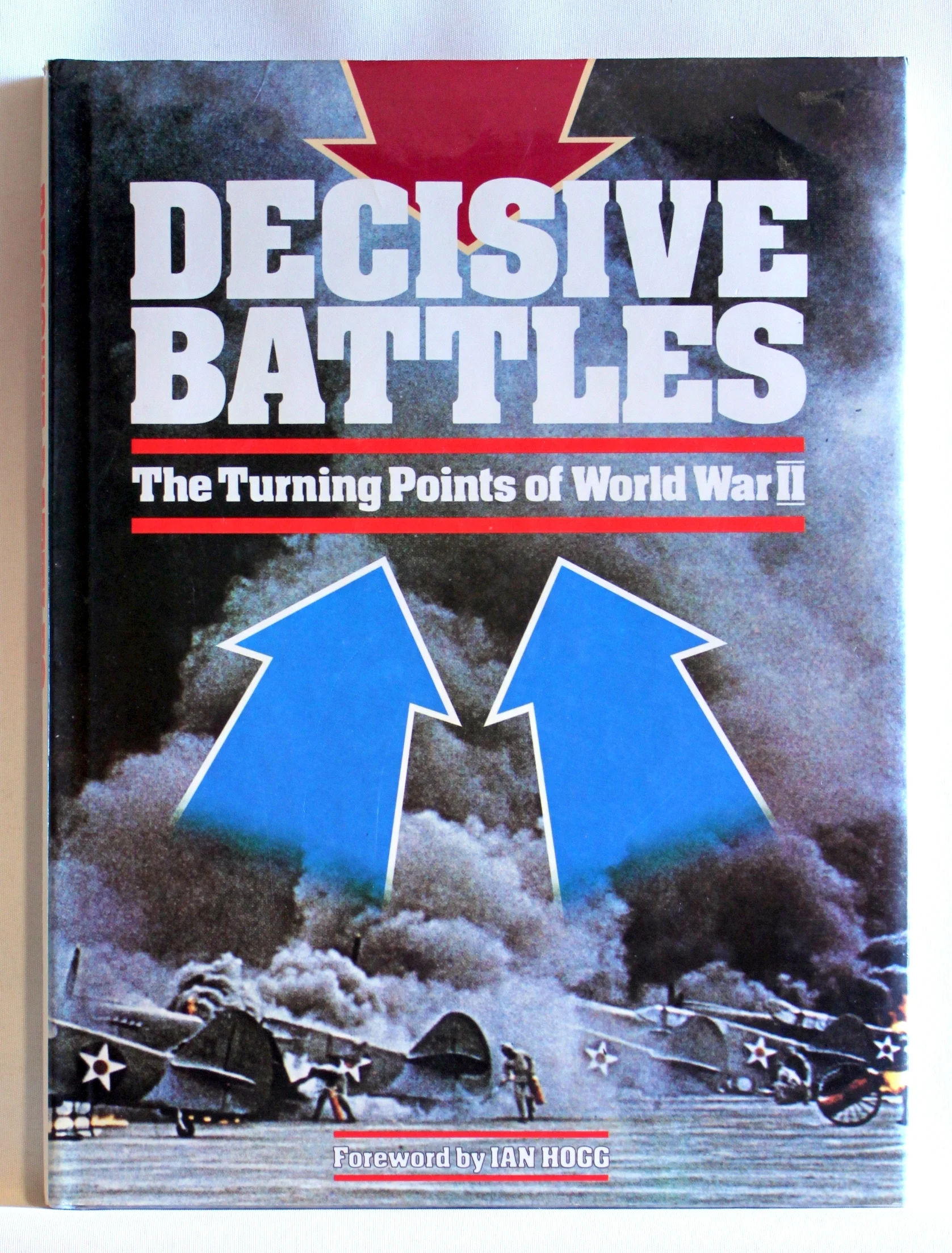
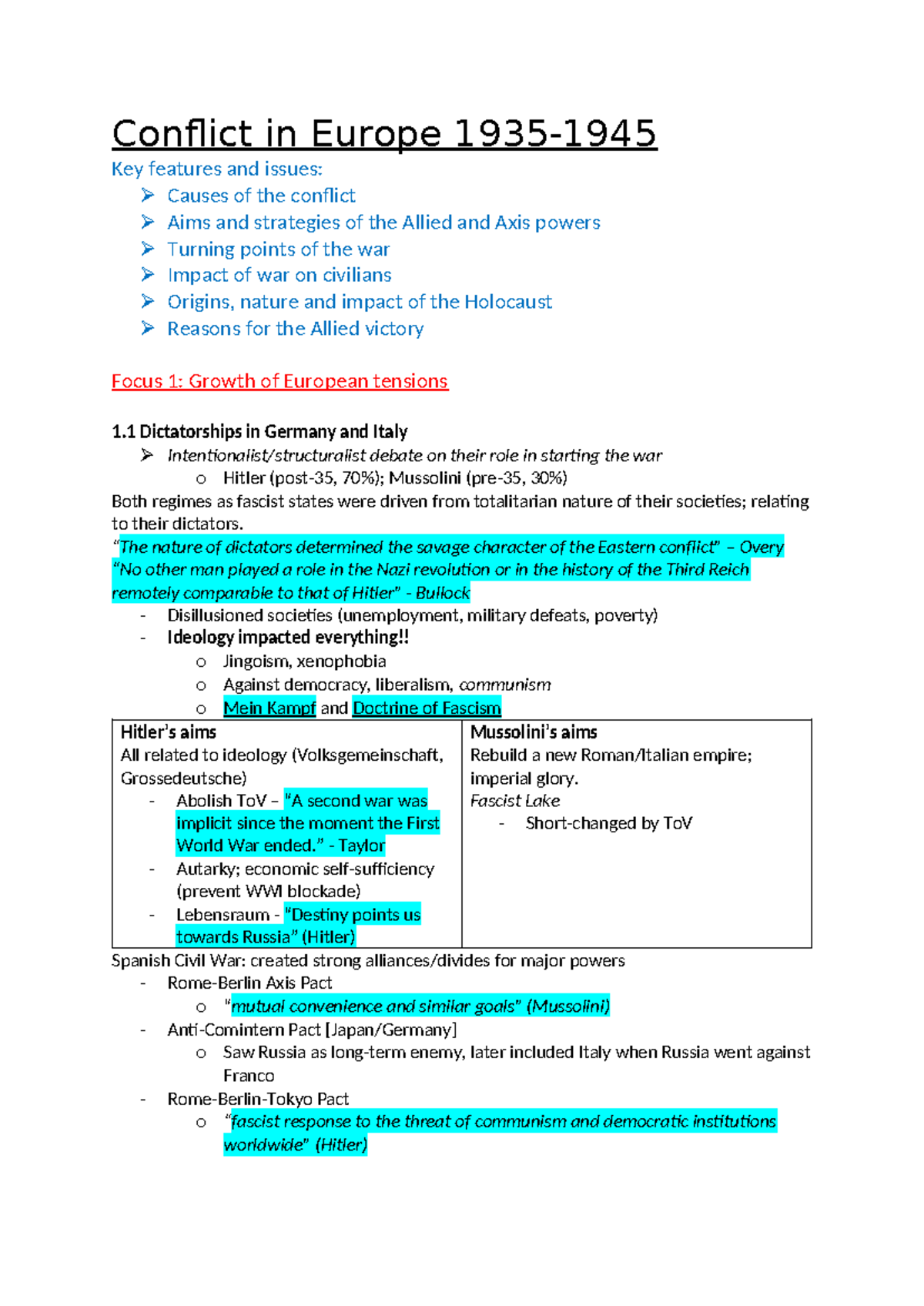
The Battle of Stalingrad, fought between August 1942 and February 1943, stands as the most significant turning point of World War II. It marked the first major defeat of Nazi Germany’s Wehrmacht on the Eastern Front, shattering the myth of German invincibility, depleting their strategic reserves, and shifting the initiative firmly toward the Soviet Red Army for the remainder of the conflict.
Defining the Turning Point
In the context of global warfare, a "turning point" is a moment where the momentum of a conflict shifts irreversibly. While various theaters—such as the Pacific (Midway) or North Africa (El Alamein)—experienced critical engagements, Stalingrad remains the singular event that dictated the physical survival and ultimate territorial collapse of the Third Reich. By the summer of 1942, Germany had launched Operation Case Blue to seize the oil fields of the Caucasus. Stalingrad was initially a secondary target, intended to protect the northern flank of the German advance toward the Volga River.
However, the symbolic and logistical importance of the city—bearing the name of the Soviet leader, Joseph Stalin—transformed a tactical objective into a battle of national attrition. The German failure to secure the city, combined with the catastrophic destruction of the Sixth Army, meant that Germany could no longer sustain a full-scale offensive on the Eastern Front.
The Strategic Context of 1942
To understand why Stalingrad was the turning point, one must examine the state of the war in 1942. Germany had dominated Europe, but they were struggling with supply lines stretched thousands of miles from their industrial base. The Red Army, though reeling from the disastrous losses of 1941, had demonstrated a growing capacity to reform and reorganize.
The German command, under the influence of Adolf Hitler, grew overconfident, assuming the Soviet military was on the brink of total collapse. When the German Sixth Army, commanded by Friedrich Paulus, entered the city in September 1942, they were ordered to capture the urban center at any cost. This decision forced the Wehrmacht into Rattenkrieg (Rat War)—brutal, close-quarters combat among the ruins of apartment blocks and factories. This environment negated the German advantage in maneuver warfare, which relied on mechanized divisions and air superiority.
The Mechanism of Failure: Operation Uranus
The pivot occurred not through a frontal assault, but through a masterclass in strategic planning: Operation Uranus. Launched in November 1942, this was a massive Soviet pincer movement aimed at the weaker Romanian and Hungarian armies guarding the flanks of the German Sixth Army.
- Isolation: Within days, the Soviet forces had breached the German lines and met at Kalach, effectively encircling the entire German Sixth Army.
- Logistical Collapse: Hitler refused to allow a breakout, promising that the Luftwaffe could supply the trapped force by air—a promise that proved impossible to keep.
- Attrition: As winter set in, the starvation, hypothermia, and constant Soviet pressure decimated the German troops.
- Surrender: By February 2, 1943, the remaining 91,000 survivors, including Field Marshal Paulus, surrendered.
Comparative Impact of Strategic Turning Points
While other battles were essential to the Allied effort, none possessed the raw scale of the destruction visited upon the German war machine at Stalingrad. The following table contrasts the impact of significant 1942–1943 engagements.
| Battle | Theater | Primary Impact |
|---|---|---|
| Stalingrad | Eastern | Total destruction of an entire German Army; loss of strategic initiative. |
| Midway | Pacific | Halted Japanese expansion; loss of four carriers changed naval dominance. |
| El Alamein | North Africa | Ended the threat to the Suez Canal; forced Axis retreat from Egypt. |
| Kursk | Eastern | The final German offensive attempt; cemented the Soviet advantage. |
The impact of Stalingrad was not merely physical. It forced the German economy to transition into "Total War" mode, a desperate attempt to compensate for the hardware lost in the Volga region. Simultaneously, it bolstered the morale of the Allied nations and provided the political leverage necessary for the Soviet Union to demand a Second Front in Western Europe.
The Psychological Shift
Before the fall of Stalingrad, the German propaganda machine had painted the Wehrmacht as a force capable of conquering any opposition. The surrender of a Field Marshal and his entire army served as a profound psychological shock to the German public and their international allies. Conversely, for the Soviet Union, the victory was a moment of national rebirth. It validated the immense sacrifices made by the civilian population and transformed the Red Army from an underdog into the primary force capable of dictating the endgame of the war.
Requirements for the Outcome
Why did the Soviets succeed where the Germans failed? Several logistical and tactical factors were critical:
- Urban Warfare Proficiency: Soviet commanders adapted quickly to the "hugging the enemy" tactic, keeping their frontline forces so close to German positions that German artillery and dive-bombers could not strike without hitting their own troops.
- Strategic Reserves: Despite massive losses, the Soviet Union had successfully evacuated much of its industrial production east of the Ural Mountains. By late 1942, this new industrial output was producing the tanks, artillery, and aircraft needed to sustain a massive counter-offensive.
- Intelligence and Deception: The Soviet Maskirovka (deception) operations were highly effective. They led German intelligence to underestimate the size of the reserve forces massing on the flanks of the Sixth Army, leaving them vulnerable to the pincer movement.
Lingering Consequences: The Path to Berlin
The defeat at Stalingrad did not end the war instantly, but it placed Germany on an inexorable path toward collapse. Following the loss of the Sixth Army, the Wehrmacht was forced into a permanent defensive posture. The subsequent Battle of Kursk in July 1943 was essentially a last-ditch effort to regain the initiative, but even that engagement was hampered by the equipment and personnel shortages caused by the loss of the Sixth Army.
For the remainder of the war, the German leadership was perpetually reactive. They were forced to siphon resources away from the Western Front, the Mediterranean, and the Atlantic to address the crumbling Eastern Front. This directly benefited the Allied landings in Sicily and Normandy, as the German military simply did not have the reserves to contest multiple theaters effectively.
Frequently Asked Questions
Why is Stalingrad considered more significant than the D-Day landings? While D-Day was vital for the liberation of Western Europe, it occurred in 1944 when Germany was already being systematically dismantled by the Soviet Union. Stalingrad occurred earlier, during a period where Germany still had the potential to win the war by securing oil and removing the USSR as a combatant.
How many soldiers were lost during the battle? Estimates vary due to the scale of the conflict, but total casualties—dead, wounded, and captured—for both sides are estimated at nearly two million. This makes it arguably the bloodiest battle in human history.
Could Germany have won if they had bypassed the city? Military historians often argue that if the German forces had focused solely on reaching the oil fields and avoided the "prestige" trap of taking the city itself, the course of the war might have been altered. However, the German strategic doctrine of the time was deeply intertwined with the personality and ego of Adolf Hitler.
What role did the harsh winter play? The "General Winter" factor is often overstated as the sole cause of defeat. The Germans were already failing to secure the city before the deep winter set in. The winter acted as a catalyst that accelerated the collapse of the already trapped and under-supplied Sixth Army.
Was there any international assistance provided to the Soviet Union? Yes. Through the Lend-Lease program, the United States provided massive quantities of trucks, communications equipment, and rail supplies. While the fighting was done by the Red Army, the logistics provided by the Allies were essential to the mobility of the Soviet counter-offensive.
Recommendation for Further Understanding
To fully grasp the magnitude of the turning point, one should analyze the operational orders of the German Sixth Army during the summer of 1942 compared to their situation in December of that same year. Understanding the transition from offensive maneuver warfare to static urban attrition explains why Germany ultimately failed. Researching the archives of the Völkischer Beobachter during this timeframe also provides insight into how the Nazi regime struggled to explain the catastrophic loss to the German public, confirming the seismic shift in the war's narrative.