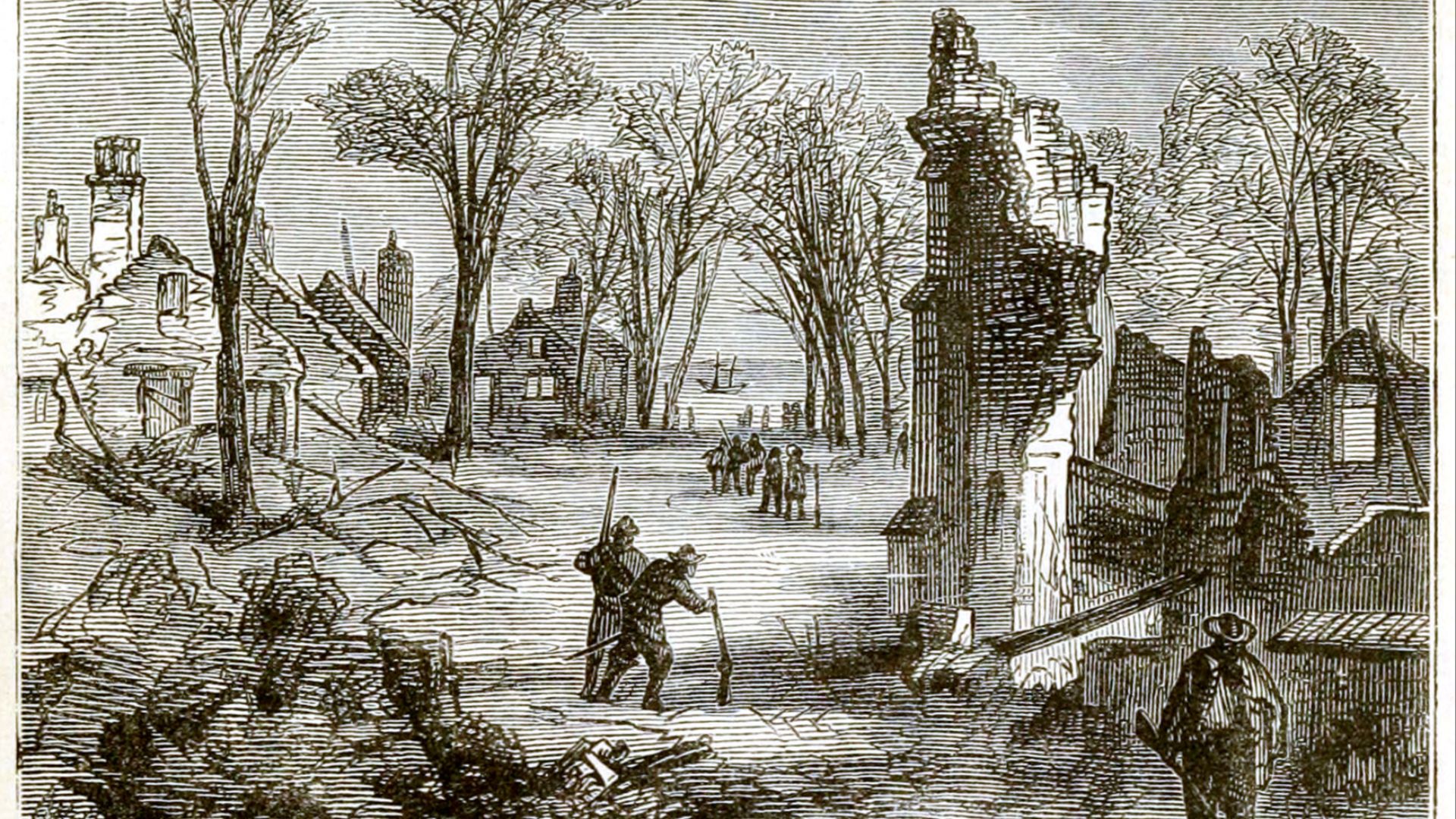
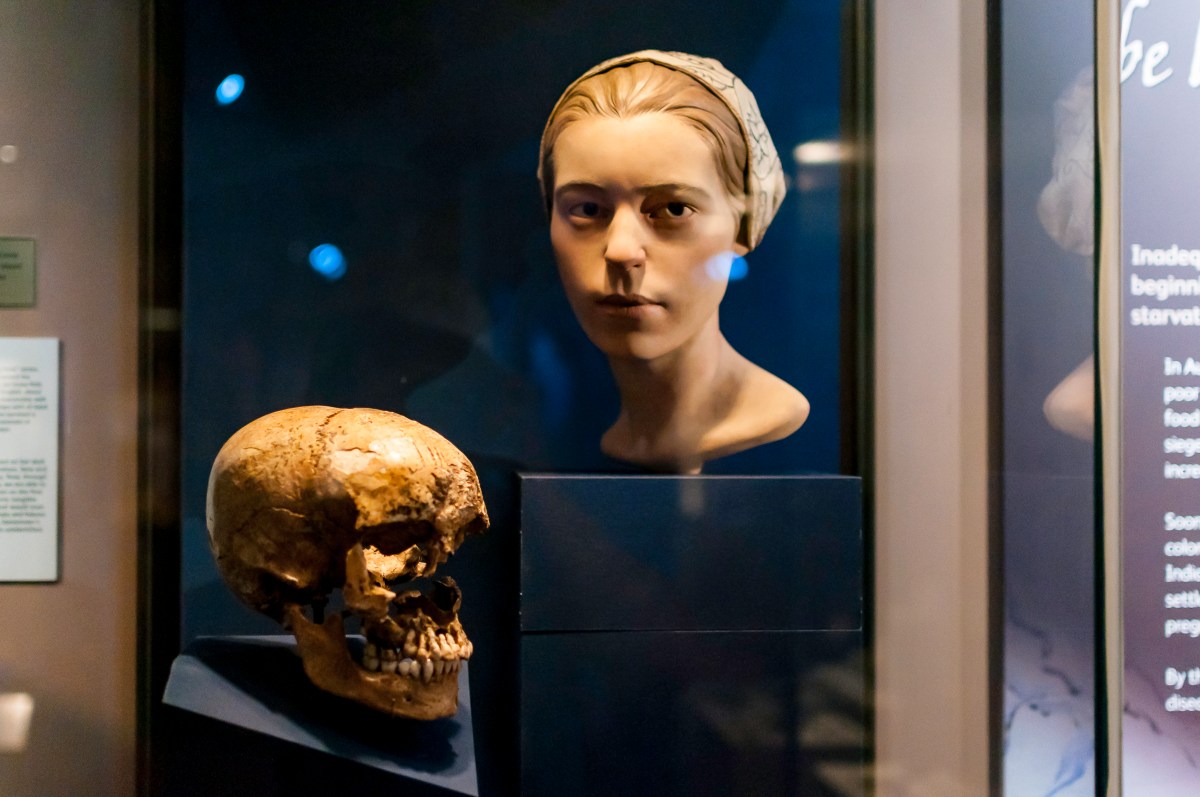
The Jamestown colonists called the winter of 1609–1610 "the starving time" because a catastrophic combination of severe drought, dwindling food supplies, hostile relations with local Native American tribes, and poor leadership reduced the settlement to extreme famine, forcing desperate survivors to consume horses, dogs, cats, rats, leather, and in extreme documented cases, human corpses.
The winter of 1609–1610 stands as one of the darkest chapters in early American colonial history. Established in May 1607 by the Virginia Company of London, Jamestown was Britain’s first permanent settlement in North America. Yet, despite the initial hopes of wealth, trade, and expansion, the colony was fundamentally ill-prepared for the environmental and social realities of the Chesapeake region. What began as an ambitious commercial venture devolved into a desperate struggle for biological survival, nearly obliterating the entire population and testing the limits of human endurance.
Historical Background of the Jamestown Settlement
To understand why the winter of 1609–1610 proved so lethal, it is necessary to examine the foundational conditions of the Jamestown colony from its inception. The Virginia Company financed the enterprise with the expectation of quick financial returns, akin to the Spanish conquests in Central and South America. Investors anticipated finding gold, silver, a direct water route to the Pacific Ocean, and lucrative trading commodities.
Instead, the colonists landed in a swampy, malaria-ridden river peninsula of the Powhatan Chiefdom. The site was chosen primarily for defensive military advantages against rival European powers like Spain, rather than agricultural or sanitary viability.
Demographics and Composition of Early Settlers
The initial wave of settlers largely consisted of gentlemen adventurers, soldiers, and specialized artisans—such as jewelers, refiners, and tailors—who possessed little to no experience in subsistence farming, construction, or frontier survival. Labor was further complicated by social hierarchies of the period; many gentlemen considered manual labor beneath their status.
Compounding these structural vulnerabilities was the severe environmental crisis gripping the region. Recent modern climatological studies, utilizing tree-ring data, have confirmed that the Jamestown settlement coincided with the worst drought in the Chesapeake region in nearly 800 years. This prolonged dry spell devastated local crop yields, compromised freshwater sources by increasing brackish saltwater intrusion up the James River, and elevated the prevalence of waterborne illnesses like dysentery and typhoid fever.
The Catalyst: The Third Supply and the Loss of Leadership
While the early years were marked by high mortality rates, the immediate catalyst for the starving time was a logistical catastrophe known as the Third Supply mission.
In May 1609, a fleet of nine ships carrying roughly 500 to 600 new settlers, along with crucial supplies, livestock, and official leadership commissions, departed England. Disaster struck in late July when a powerful hurricane struck the convoy off the coast of Bermuda.
The Wreck of the Sea Venture
The flagship of the fleet, the Sea Venture, carrying the newly appointed colony leaders—including Sir Thomas Gates, Sir George Somers, and Secretary William Strachey—was driven onto the reefs of Bermuda. While all passengers and crew survived the shipwreck and spent nearly a year building two small cedar boats (the Deliverance and the Patience) to eventually reach Virginia, their prolonged absence left Jamestown without its intended governing administration.
Arrival of the Disorganized Survivors
When the remaining seven damaged ships of the Third Supply finally staggered into Jamestown in August and September 1609, they brought approximately 300 additional colonists. However, these newcomers arrived sick, exhausted, and carrying little usable food. Furthermore, many of the veteran leaders who could have imposed discipline were either shipwrecked in Bermuda or had already died.
Without a clear, unifying authority, internal political strife erupted among the leadership council. Captain John Smith, who had previously imposed strict martial law and forced labor protocols ("He who will not work shall not eat"), suffered a severe gunpowder burn injury in late 1609 and was forced to return to England. His departure removed the last stabilizing force keeping the colony from complete dissolution.
Conditions During the Starving Time
With the arrival of hundreds of new mouths to feed, the colony’s existing food stores—which were already compromised by spoilage and rats—were exhausted within weeks. As autumn turned to winter, the colonists faced a total blockade of their options.
| Factor | Description | Impact on Colony |
|---|---|---|
| Environmental Decline | The worst 800-year drought in the Chesapeake region. | Prevented agriculture and reduced freshwater availability. |
| Powhatan Siege | Hostilities engineered by Chief Powhatan. | Trapped colonists inside the fort, preventing foraging or hunting. |
| Loss of Supplies | Wreck of the Sea Venture and spoiled provisions. | Deprived the settlement of planned resupply and leadership. |
| Overpopulation | Sudden influx of 300+ arrivals in late 1609. | Accelerated the depletion of meager stored rations. |
The Powhatan Siege and Isolation
Chief Powhatan, recognizing the vulnerability of the English, instituted a strict blockade. Realizing that the colonists could not survive without external trade for corn, Powhatan ordered his warriors to ambush any Englishman who ventured outside the palisade walls of James Fort.
Consequently, the settlers were effectively besieged. Venturing out into the surrounding forests to hunt deer, gather nuts, or forage for roots meant almost certain death by Powhatan arrows.
Desperate Dietary Measures
As stored grain, dried fish, and peas vanished, the colonists turned to unconventional and horrifying sources of nourishment to stay alive. First, they consumed their working livestock, including horses. When those were gone, they ate domestic pets: dogs, cats, and rats that infested the storehouses.
When those options were exhausted, individuals boiled shoe leather, boot soles, harnesses, and horse-harness straps to extract gelatin and sustenance. Historical accounts, most notably written by George Percy (who served as colony president during this period), document that living conditions deteriorated to the point of cannibalism. Starving settlers dug up recently buried corpses to eat, and at least one documented instance occurred where a man murdered his pregnant wife, salted her flesh, and consumed parts of her body before being discovered and executed by other colonists.
Demographics of Survival and Mortality Rates
The human cost of the winter of 1609–1610 was staggering. Out of approximately 500 residents living in Jamestown at the start of the winter, only about 60 individuals remained alive by the spring of 1610. This represents a catastrophic mortality rate exceeding 80 percent.
Factors Influencing Survival
- Status and Physical Health: Younger, hardier men who could endure extreme malnutrition stood a slightly higher chance of survival than the elderly, children, or those already weakened by malaria or scurvy.
- Access to Hidden Stores: A select few individuals managed to hoard small caches of corn or provisions, though such hoarding frequently invited violence from starving neighbors.
- Fort Defenses: Remaining inside the fortified compound protected individuals from direct attacks by Native American war parties, though it sealed them off from external food sources.
Relief, Abandonment, and Recovery
By May 1610, the surviving 60 colonists were emaciated, traumatized, and near death. Their salvation arrived unexpectedly in two waves.
First, the survivors of the Sea Venture shipwreck finally arrived from Bermuda aboard their newly constructed pinnaces, the Deliverance and the Patience, led by Sir Thomas Gates and Sir George Somers. Upon witnessing the ghastly skeletal state of the settlement and realizing there was not enough food to sustain the combined population even for a fortnight, Gates made the executive decision to abandon Jamestown.
The Abandonment and Return
On June 7, 1610, the entire surviving population boarded the small ships, intending to sail north toward Newfoundland and find passage back to England. However, as they sailed down the James River toward the Chesapeake Bay, they met an incoming fleet led by the newly appointed governor, Lord De La Warr (Thomas West).
Lord De La Warr brought fresh supplies, disciplined soldiers, and explicit orders from the Virginia Company to re-establish the colony. The retreating colonists were turned around, forced back ashore, and commanded to rebuild the settlement.
Aftermath and Long-Term Historical Significance
The trauma of the starving time fundamentally altered the trajectory of the Virginia colony. Recognizing that a purely mercantile model focused on quick gold extraction was doomed to fail, the leadership instituted draconian military codes under Sir Thomas Dale—known as Lawes Divine, Morall and Martiall—which enforced strict labor discipline and prevented further internal collapse.
Economic Salvation through Tobacco
The true turning point for Jamestown occurred shortly after the starving time when colonist John Rolfe successfully cultivated a sweet strain of West Indian tobacco (Nicotiana tabacum). Native Virginian tobacco was harsh and unappealing to European consumers, but Rolfe’s hybrid strain created a massive commercial boom in European markets.
Tobacco became the foundational cash crop of Virginia, creating an insatiable demand for land and labor. This economic engine directly fueled the expansion of the colony, the establishment of the House of Burgesses in 1619 (the first legislative assembly in the American colonies), and, tragically, the introduction of enslaved African labor to the region later that same year.
Frequently Asked Questions
When did the starving time at Jamestown occur?
The starving time occurred during the winter months of 1609 to 1610, specifically intensifying between late autumn 1609 and the arrival of relief ships in May and June 1610.
How many colonists survived the starving time?
Out of an estimated 500 colonists living at Jamestown at the onset of the winter, only about 60 individuals survived to see the spring of 1610.
What were the primary causes of the starving time?
The primary causes included a historic severe drought, a hostile siege by the Powhatan Native American Confederacy, the loss of resupply ships and leadership due to the wreck of the Sea Venture in Bermuda, and a sudden population surge that overwhelmed remaining food stores.
Was cannibalism documented during the starving time?
Yes. Historical accounts, such as those by colony president George Percy, confirm that starving colonists ate horses, dogs, rats, leather boots, and in extreme cases, engaged in survival cannibalism, consuming corpses and excavated remains.
How did the Jamestown colony recover after this crisis?
The colony was briefly abandoned in June 1610 before being intercepted and repopulated by Lord De La Warr's relief expedition. The colony subsequently recovered through the implementation of strict martial law and the eventual commercial success of tobacco cultivation introduced by John Rolfe.
Recommendations for Further Historical Study
For readers interested in a deeper examination of early American colonial history, primary sources such as Captain John Smith’s The Generall Historie of Virginia and George Percy’s narrative A Trewe Relacyon offer firsthand accounts of the crisis. Modern archaeological findings from Historic Jamestowne (managed by Preservation Virginia and the National Park Service) continue to provide physical evidence regarding dietary stress, forensic pathology, and artifact analysis from this harrowing period.