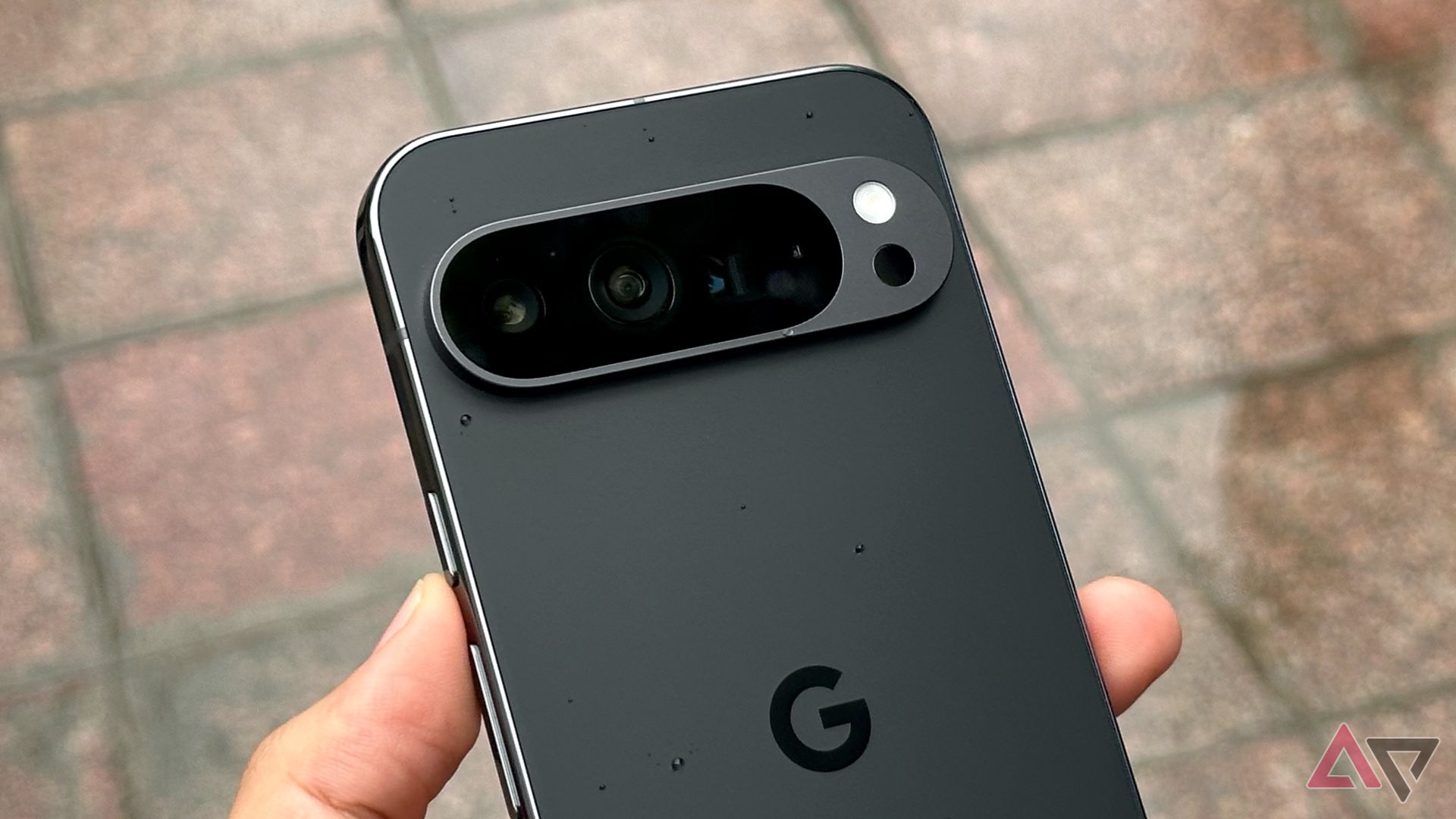
The Google Pixel 2 XL features an official Ingress Protection rating of IP67, meaning it can withstand immersion in fresh water up to a depth of one meter for up to 30 minutes. However, this rating is not a permanent guarantee against liquid damage, as seals degrade over time through regular wear, drops, and thermal expansion.
When Google launched the Pixel 2 and Pixel 2 XL in late 2017, the smartphone industry was rapidly shifting toward ingress protection as a standard flagship expectation. Consumers were no longer willing to accept that an expensive, premium device would fail instantly if caught in a heavy rainstorm or accidentally dropped into a sink. By incorporating an official IP67 rating into the Pixel 2 XL—manufactured by LG—Google signaled its entry into the tier of manufacturers building ruggedized everyday hardware. Yet, understanding what that certification actually means requires looking past the marketing shorthand and examining the engineering standards, real-world limitations, and maintenance factors that govern modern mobile device durability.
Decoding the IP67 Certification Standard
To comprehend the water resistance of the Google Pixel 2 XL, one must first dissect the Ingress Protection (IP) rating system established by the International Electrotechnical Commission (IEC) under standard 60529. The "IP" prefix stands for Ingress Protection, followed by two distinct digits that represent specific tiers of protection against solid objects and liquids, respectively.
The first digit in IP67 is a "6," which designates total protection against dust and solid particulate matter. This means microscopic debris, pocket lint, and fine sand are prevented from entering the chassis and interfering with internal components or the logic board. The second digit is a "7," which governs liquid ingress.
According to IEC 60529 testing parameters, a rating of 7 indicates that the enclosure can withstand immersion in fresh water under defined conditions of pressure and time—specifically, up to 1 meter (or about 3.3 feet) for a duration of up to 30 minutes.
| IP Digit | Category | Rating Level for Pixel 2 XL | Practical Implication |
|---|---|---|---|
| First Digit | Solid Protection | 6 (Dust-tight) | Complete protection against dust, dirt, and fine particles entering the housing. |
| Second Digit | Liquid Protection | 7 (Temporary Immersion) | Protected against the effects of immersion in water up to 1 meter for 30 minutes. |
It is vital to recognize that these laboratory tests are conducted under strict, controlled environments using stationary, clean, and static fresh water. The device is brand new, unblemished by drops, and subjected to zero water movement or pressure spikes. Real-world scenarios, which involve moving water, chemical additives like chlorine, and aged seals, diverge significantly from these baseline laboratory conditions.
Manufacturing Design and Internal Sealing Mechanisms
Achieving an IP67 rating on a device with the physical dimensions and materials of the Google Pixel 2 XL requires meticulous engineering of internal and external barriers. Unlike fully ruggedized industrial terminals encased in thick rubber bumpers, the Pixel 2 XL balances a sleek aesthetic with structural protection.
The device utilizes a hybrid unibody construction featuring an aluminum chassis coated in a premium "hybrid coating" (a textured polymer), paired with a front glass panel made of Corning Gorilla Glass 5. To seal the seams between the glass, metal frame, and internal components, Google engineers deployed several layers of defense:
- Adhesive Gaskets: Precision-cut pressure-sensitive adhesives line the perimeter of the screen assembly and the rear camera glass, acting as a primary barrier against liquid seepage.
- Rubber O-Rings and Seals: Physical rubber gaskets are fitted around vulnerable physical entry points, including the USB Type-C charging port, microphone openings, and speaker grills.
- Mishmash Protection: Internal ribbon cables and connector housings are often coated with hydrophobic films to repel stray droplets that manage to bypass the primary external gaskets.
Despite these measures, the Pixel 2 XL notably omitted a 3.5mm headphone jack. While driven partially by internal space constraints and audio design choices, removing the analog audio port also eliminated one of the most mechanically complex and failure-prone points of entry for moisture and particulate ingress.
| Component | Sealing Method | Vulnerability Over Time |
|---|---|---|
| Display Assembly | Pressure-sensitive adhesive tape | High (degrades from heat, drops, and flex) |
| USB-C Port | Internal rubber gasket & soldered housing | Moderate (wear from daily cable insertion) |
| Speaker Grills | Fine acoustic mesh and hydrophobic barriers | Moderate (clogging from debris and soap) |
| SIM Tray | Rubber gasket integrated into tray collar | Low (unless deformed or improperly seated) |
The Reality of Water Resistance Over Time
A common misconception among smartphone users is that an IP rating is a permanent physical attribute, akin to the metallic composition of the frame or the scratch resistance of the glass. In reality, the water resistance of the Google Pixel 2 XL—and virtually all smartphones—is a perishable feature that degrades steadily from the moment the device leaves the factory floor.
As a device ages through normal usage, several physical factors conspire to compromise its original water resistance:
- Adhesive Degradation: The specialized glues and tapes holding the display and back panels together lose their elasticity and bonding strength due to thermal cycling (heating and cooling cycles during charging and heavy processing) as well as natural chemical breakdown.
- Micro-Impacts and Drops: Even if a drop does not shatter the Gorilla Glass 5 screen or dent the aluminum chassis, the sudden kinetic shock can micro-fracture the adhesive bonds or slightly warp the frame, creating microscopic gaps where liquids can capillary-action their way inside.
- Component Wear: Repeated insertion and removal of charging cables into the USB-C port gradually wears down the internal rubber seals, while the SIM card tray gasket can dry out or warp if improperly aligned during removal.
- Chemical Exposure: Exposure to salt water, chlorinated pool water, soaps, and household cleaners can chemically degrade rubber gaskets and dissolve adhesive compounds much faster than pure water.
Because of these degradation pathways, a Pixel 2 XL that successfully survived an accidental drop into a swimming pool in 2018 might suffer catastrophic liquid damage if exposed to a shallow puddle in 2026.
Manufacturer Warranties and Liquid Damage Exclusions
When analyzing the water resistance of the Google Pixel 2 XL, consumers must understand the legal and commercial boundaries defined by the manufacturer's warranty. When Google (and other major smartphone manufacturers) advertise IP67 ratings, they do so to highlight durability during accidental mishaps, but they explicitly exclude liquid damage from their standard hardware warranties.
Standard limited warranties covering manufacturing defects do not apply when moisture enters the device. This policy is rooted in the impossibility of proving post-manufacture wear and tear. Because drops, aging, and user handling alter the integrity of the seals, manufacturers cannot verify whether water entered due to a factory defect or because the user dropped the phone onto concrete a month prior.
- Liquid Contact Indicators (LCIs): Inside the Pixel 2 XL, near the SIM tray or battery connector, are small chemical stickers that normally appear white or silver. When exposed to moisture, these indicators turn pink or red. Repair technicians inspect these indicators upon opening a device.
- Warranty Voidance: If an LCI is triggered, authorized repair centers treat the repair as out-of-warranty physical damage, shifting the financial burden entirely to the owner.
Therefore, users should view the IP67 rating of the Pixel 2 XL as an emergency safety net designed to protect against accidental spills, sudden rainstorms, or brief submersions, rather than an invitation for intentional underwater photography or aquatic use.
Best Practices and Practical Safety Guidelines
Proper handling and realistic expectations are essential for maximizing the operational lifespan of aging hardware like the Google Pixel 2 XL. While the device was engineered to withstand everyday environmental hazards, following specific preventive protocols helps mitigate the risk of premature failure.
What to Do If Your Pixel 2 XL Gets Wet
If the device is exposed to significant moisture, executing the correct recovery steps can prevent permanent short-circuits:
- Power Down Immediately: Turn off the phone right away. Leaving a wet electronic device powered on allows electrical current to flow across damp circuit paths, causing rapid electrolysis and permanent component corrosion.
- Remove Accessories: Take off any protective cases, remove the SIM card tray to allow trapped air to circulate, and disconnect any plugged-in cables.
- Dry the Exterior: Gently wipe the phone dry with a clean, lint-free, absorbent cloth or paper towel. Avoid shaking the device vigorously, as this can drive moisture deeper into internal cavities.
- Air Dry in a Well-Ventilated Space: Place the phone in a dry area with consistent airflow at room temperature.
- Avoid Damaging Methods: Do not use compressed air, ovens, microwaves, or hair dryers. High heat warps plastic components, melts internal adhesives, and forces water further into delicate microphone and speaker ports. Avoid placing the device in a bag of uncooked rice; starch dust and fine granules can enter open ports and solidify, compounding the damage.
Frequently Asked Questions
Can I swim or take underwater photos with the Google Pixel 2 XL?
No. The IP67 rating is designed for accidental freshwater exposure, not intentional underwater use. Swimming pools contain chlorine and other chemicals that degrade rubber seals rapidly, and water pressure during swimming or diving exceeds the static pressure limits tested in laboratory certifications.
Is the Google Pixel 2 XL waterproof?
No smartphone is truly "waterproof." The correct technical term is "water-resistant." While the Pixel 2 XL can resist water ingress under specific controlled laboratory conditions, all seals degrade over time through normal wear, drops, and thermal expansion.
What does the "6" in IP67 mean for dust?
The first digit, 6, indicates that the Pixel 2 XL is dust-tight. It provides complete protection against the ingress of dust and other fine particulate matter, preventing debris from accumulating inside the chassis and disrupting internal circuitry.
Does salt water pose a greater risk than fresh water?
Yes. Salt water contains mineral ions that accelerate electrical corrosion and leave behind conductive crystalline residue when the water evaporates. If a device is exposed to salt water or ocean spray, the risk of permanent internal damage is significantly higher than with clean fresh water.
Are repairs covered under warranty if water gets inside?
Generally, no. Standard manufacturer warranties explicitly exclude liquid damage from coverage, regardless of the device's IP rating. Repair centers check internal liquid contact indicators to determine if moisture has entered the chassis.
How can I check if my phone's seals are still intact?
There is no non-destructive way for a user to test the integrity of internal adhesive seals and gaskets without specialized pressure-testing equipment used in professional repair facilities. As a device ages, users should assume its resistance has diminished.
Conclusion and Next Actions
The Google Pixel 2 XL remains a testament to mid-generation flagship engineering, featuring an IP67 rating that successfully protected countless units from accidental spills and brief submersions during its active lifecycle. However, because this water resistance is a perishable attribute governed by material aging and physical wear, relying on it for intentional exposure is a significant risk. For current owners maintaining or utilizing the device in 2026, treat the IP67 specification as a historical safeguard against mishaps rather than an active license for aquatic environments. If your device has suffered structural damage, screen replacements, or heavy drops, assume its water resistance is severely compromised and keep it away from all liquids.