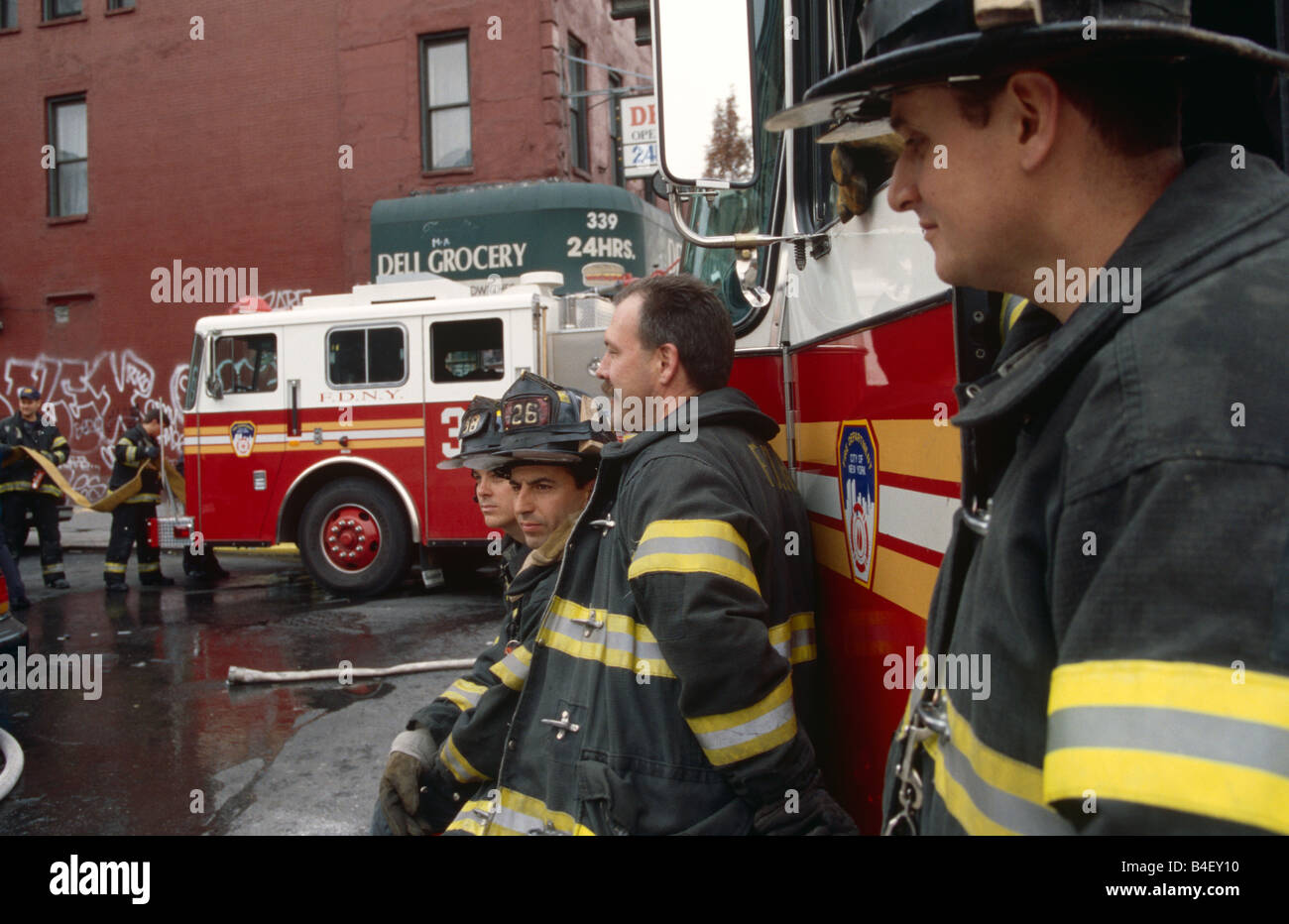
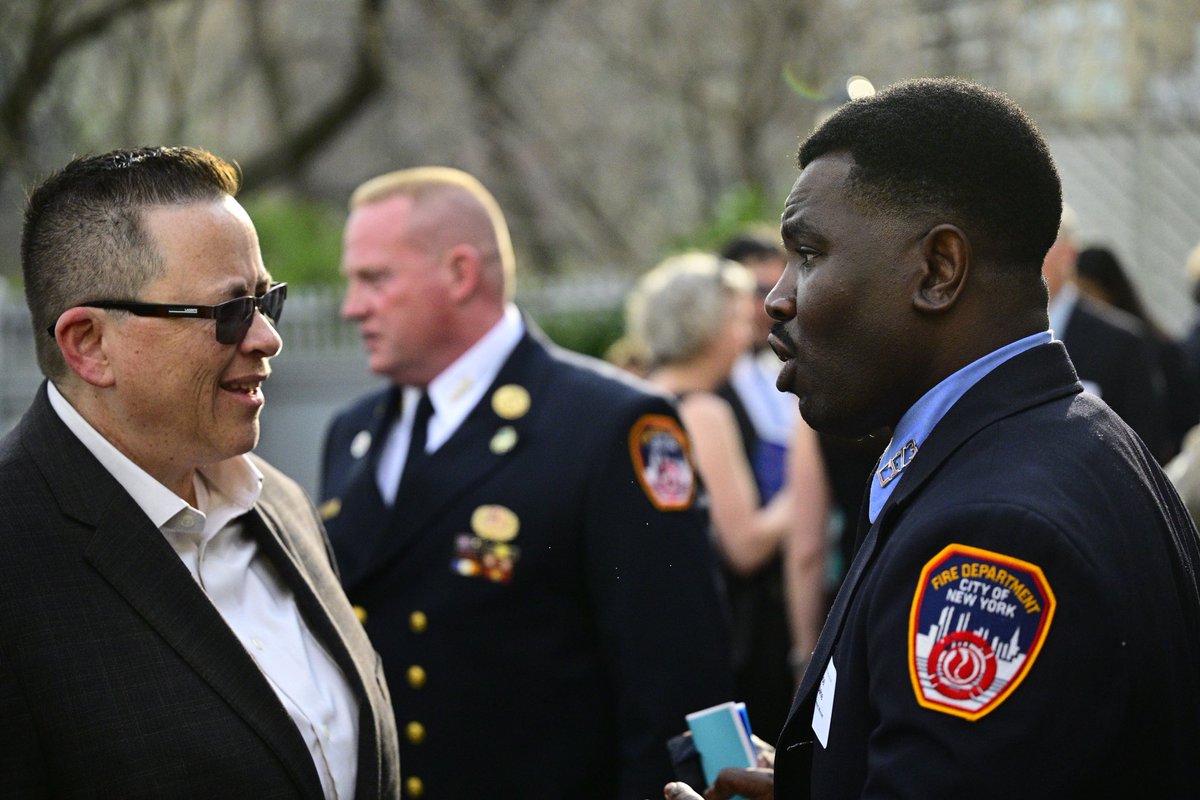
A New York firefighter protects the city through structural firefighting, emergency medical care, technical rescues, and hazard mitigation across all five boroughs. Operating within the Fire Department of the City of New York (FDNY), firefighters undergo rigorous training at Randall’s Island to master rapid entry, search and rescue, apparatus operation, and public safety procedures in complex urban environments.
The Urban Environment: Protecting New York City’s Five Boroughs
Protecting New York City presents operational challenges unmatched by almost any other municipality. Covering more than 300 square miles across Manhattan, Brooklyn, Queens, the Bronx, and Staten Island, FDNY firefighters safeguard over 8.5 million residents, alongside millions of daily commuters, visitors, and industrial operations.
The diversity of New York’s built environment requires constant adaptation and specialized tactical awareness:
- High-Rise Commercial and Residential Towers: Structural fires in high-rise buildings demand specialized tactics involving standpipe connections, wind-driven fire controls, elevator operations, and managing building HVAC systems to prevent smoke migration across dozens of floors.
- Historic High-Density Housing: Legacy structures such as 19th-century timber-frame brownstones, wood-frame multi-family dwellings, and unreinforced masonry tenement buildings feature shared concealed spaces (cocklofts) where fire can travel rapidly across an entire block if not contained.
- Subterranean Transit and Utility Networks: Protecting hundreds of miles of subway tunnels, underground passenger stations, electrical utility vaults, and underwater transit tubes requires specialized communications equipment, atmospheric monitoring, and heavy ventilation systems.
- Waterfront Infrastructure: With over 560 miles of coastline, maritime fires aboard cargo ships, passenger ferries, commercial piers, and waterfront fuel depots demand joint land and marine firefighting tactics.
To manage these challenges, the city is divided into operational commands, divisions, and battalions. This structured command system ensures that emergency calls—ranging from routine medical responses to multi-alarm structural fires—receive rapid, coordinated deployments.
Fireground Roles: Engine Companies vs. Ladder Companies
The core operational unit of the FDNY relies on the distinct, complementary duties of Engine Companies and Ladder Companies (commonly referred to as "Truck Companies"). Understanding the division of labor between these units explains how an FDNY crew stabilizes a fireground safely and efficiently.
- FDNY FIREGROUND RESPONSE
- ENGINE COMPANY
- Water Supply
- Hose Lines
- Suppression
- Engine Pump
- LADDER COMPANY
- Search & Rescue
- Forcible Entry
- Ventilation
- Overhaul
- ENGINE COMPANY
Engine Companies: Extinguishing the Blaze
The engine company's primary responsibility is establishing a water supply, advancing hose lines into the fire area, and suppressing the fire. A standard FDNY engine carries water, fire hose, pumps, and fire suppression chemicals.
Key positions within an Engine Company include:
- The Pump Operator (Engineer): Remains at the vehicle to hook into municipal hydrants, operate the centrifugal pump, monitor discharge pressures, and maintain supply line integrity.
- The Officer (Captain or Lieutenant): Assesses fire conditions, commands hose line placement, communicates tactical needs to incident command, and monitors crew safety.
- The Nozzle Firefighter: Advances the initial line into the structure, operates the discharge nozzle, controls pattern and stream reach, and directly attacks the seat of the fire.
- The Back-up Firefighter: Supports the weight of the charged hose line, absorbs recoil, helps maneuver the line around tight hallways and stairwells, and ensures continuous hose advancement.
- The Door Firefighter: Feeds hose into the structure, clears snags on doorways and furniture, and monitors the supply line from outside the immediate fire area.
Ladder (Truck) Companies: Search, Rescue, and Access
Ladder companies do not carry primary fire-suppression water pumps or attack lines. Their operational focus centers on life safety, entry, ventilation, and structural evaluation.
Key responsibilities of a Ladder Company include:
- Forcible Entry: Gaining rapid access to locked buildings, apartments, and commercial structures using hydraulic tools, rotary saws, and hand tools like the Halligan tool and flathead axe (known collectively as "the married pair").
- Search and Rescue: Entering smoke-filled environments—often ahead of or alongside the engine company's charged line—to locate trapped occupants and drag or carry them to safety.
- Ventilation: Opening roofs, windows, and skylights to relieve heat, toxic gas, and smoke. Tactical ventilation improves visibility for interior crews and reduces the risk of dangerous flashovers or backdrafts.
- Overhaul and Utility Control: Checking for hidden fire extension inside walls, ceilings, and chases, while shutting off natural gas, electricity, and water main supplies to prevent secondary hazards.
Specialized FDNY Operating Units
Beyond standard Engine and Ladder companies, the FDNY maintains specialized operational units capable of addressing high-risk, low-frequency emergency situations.
- SPECIALIZED FDNY UNITS
- Rescue Comps
- Squad Comps
- HazMat Ops
- Marine Division
Rescue Companies
The FDNY operates five elite Rescue Companies (Rescue 1 through Rescue 5), with one assigned to each borough. Firefighters in Rescue companies undergo advanced training in technical rescue disciplines, including structural collapse, trench rescues, high-angle rope rescues, confined space extractions, and deep-water SCUBA operations. They carry heavy hydraulic machinery, specialized cutting tools, structural shoring equipment, and advanced search cameras.
Squad Companies
Squad Companies operate as hybrid engine/rescue units. While they can perform engine company operations on standard fire assignments, Squad crews are trained and equipped for technical rescue operations, hazardous materials mitigation, and high-rise fire control.
Hazardous Materials (HazMat 1)
HazMat Operations addresses chemical, biological, radiological, nuclear, and high-yield explosive (CBRN) threats across the city. Equipped with atmospheric monitoring instruments, level-A protective suits, and chemical neutralizers, HazMat personnel detect toxic leaks, decontaminate victims, and secure hazardous environments.
Marine Division
The FDNY Marine Division operates a fleet of fireboats, including large vessels capable of pumping tens of thousands of gallons of water per minute, as well as smaller, fast-response craft. Marine units protect NYC’s waterways, commercial ports, bridges, and island neighborhoods like Governor's Island and City Island.
Apparatus, Personal Protective Equipment, and Tools
FDNY firefighters rely on advanced personal protective equipment (PPE) and tools built according to rigid safety standards established by the National Fire Protection Association (NFPA).
- FIREFIGHTER PERSONAL PROTECTIVE GEAR
- TURNOUT GEAR
- Outer Shell
- Moisture Barrier
- Thermal Liner
- Helmet & Boots
- SCBA UNIT
- 4500 PSI Tank
- Facepiece
- Regulator
- PASS Alarm
- TURNOUT GEAR
Personal Protective Equipment (PPE)
- Turnout Gear: A firefighter’s structural ensemble consists of a outer shell (designed for flame resistance and tear strength), a moisture barrier (preventing water and chemical penetration), and a thermal liner (insulating against extreme radiant and conductive heat).
- Self-Contained Breathing Apparatus (SCBA): Modern SCBA systems supply clean compressed air at high pressure (4,500 PSI) for roughly 30 to 45 minutes of heavy exertion. The system includes an integrated Personal Alert Safety System (PASS) alarm that emits a loud acoustic beacon if a firefighter remains motionless for 30 seconds.
- Thermal Imaging Cameras (TIC): Portable TICs allow firefighters to see through dense smoke by displaying temperature differentials, helping them locate trapped victims and hidden fire pockets inside walls.
Primary Firefighting Tools
- The Married Pair: The combination of a flathead axe and a Halligan bar. This tool set remains standard across the fire service for prying doors, breaking locks, and forcing entry into structures.
- Hydraulic Cutters and Spreaders: Often called "Jaws of Life," these tools deliver tens of thousands of pounds of force to pop open vehicle doors or sever reinforced metal posts during motor vehicle extractions.
- Rotary Saws: Heavy-duty power saws equipped with carbide-tipped or diamond blades designed to cut through steel security gates, metal roofs, and reinforced concrete.
Comparison of FDNY Operational Units
The following table compares the operational scope, primary equipment, and technical focus of different units within the FDNY:
| Unit Type | Primary Mission | Essential Equipment | Specialized Training Focus |
|---|---|---|---|
| Engine Company | Water supply, hose line deployment, and direct fire suppression. | Pumper truck, supply lines, attack lines, foam systems. | Hydraulics, nozzle operation, hose line management, water supply connections. |
| Ladder Company | Forcible entry, search and rescue, ventilation, utility control. | Aerial ladder/tower ladder truck, forcible entry tools, power saws, ground ladders. | Building construction, rapid entry tactics, roof ventilation, search patterns. |
| Rescue Company | Technical rescue, collapse response, heavy extraction, dive rescue. | Heavy rescue truck, hydraulic tools, SCUBA gear, rope rigging, shoring materials. | High-angle rescue, confined space entry, structural collapse, underwater recovery. |
| Squad Company | Secondary technical rescue, engine operations, hazmat mitigation. | Dual-purpose apparatus, detection meters, rescue gear, decontamination tools. | Advanced hazmat response, technical extraction, flexible suppression support. |
| Marine Division | Waterfront firefighting, shipboard incidents, water rescue. | Class VI Fireboats, shallow-draft response boats, high-capacity water monitors. | Maritime navigation, vessel firefighting, marine rescue operations, water pumping. |
How to Become an FDNY Firefighter: Requirements and Selection Steps
Joining the FDNY requires completing a competitive civil service process managed by the NYC Department of Citywide Administrative Services (DCAS) in coordination with the FDNY. Candidates must satisfy strict age, educational, physical, and background requirements.
- Prerequisites (Age, Education)
- Written Exam (Civil Service)
- CPAT Testing (Physical Test)
- Screenings (Medical/Psych)
- Fire Academy (18 Weeks)
- Appointment as Probationer
1. Basic Qualifications and Prerequisites
To qualify for the FDNY Open-Competitive Firefighter Examination, candidates must meet clear criteria:
- Age Limits: Candidates must take the written civil service exam before turning 29 years old. Exceptions exist for qualified U.S. military veterans, who can deduct up to 6 years of active military duty from their age for application purposes. Candidates must be at least 21 years old by the date of appointment.
- Educational / Military / Work Experience: By the date of appointment, candidates must possess one of the following:
- At least 15 college credits earned from an accredited institution.
- Full-time active military service in the U.S. Armed Forces with an honorable discharge.
- Six months of full-time work experience in any industry.
- Residency: Upon appointment, firefighters must reside within New York City (the five boroughs) or designated surrounding New York counties (Nassau, Suffolk, Westchester, Rockland, Putnam, or Orange).
- Driver License: A valid New York State driver license is mandatory before appointment.
Detailed applicant qualifications and exam announcements can be found directly on the official NYC Fire Department Recruitment Portal.
2. The Civil Service Written Examination
The written exam measures critical competencies, including reading comprehension, spatial orientation, inductive and deductive reasoning, problem sensitivity, and written expression. Candidates who score well are placed on an eligible list ranked by score, plus applicable veteran or residency credits.
3. Candidate Physical Ability Test (CPAT)
Candidates called from the eligible list must pass the CPAT—a standardized physical examination that measures physical endurance, strength, and agility. The test is performed wearing a 50-pound weighted vest (plus an additional 12.5 pounds during the stair climb) to simulate wearing turnout gear and an SCBA.
The CPAT consists of eight continuous events:
- Stair Climb: 3 minutes on a stair treadmill at a set pace.
- Hose Drag: Dragging a charged 1.75-inch hose line 75 feet, turning, and dragging it an additional 25 feet.
- Equipment Carry: Carrying two heavy saws from an apparatus compartment 75 feet and back.
- Ladder Raise and Extension: Raising a 24-foot aluminum extension ladder to a wall and extending the fly section.
- Forcible Entry: Striking a sled with a 10-pound sledgehammer until an automated signal sounds.
- Search: Crawling through a dark, narrow maze with obstacles.
- Rescue: Dragging a 165-pound mannequin 35 feet along a designated course.
- Ceiling Breach and Pull: Using a pike pole to push and pull an overhead hinged door weighted mechanism repeatedly.
4. Background, Medical, and Psychological Screenings
Candidates who pass the CPAT undergo a comprehensive background investigation to evaluate character, employment history, and criminal records. Additionally, applicants undergo rigorous medical examinations (evaluating cardiovascular fitness, lung capacity, hearing, and vision) and psychological evaluations to ensure suitability for high-stress operations.
5. Probationary Firefighter School ("The Rock")
Once appointed, candidate firefighters enter the FDNY Probationary Firefighter School at the Bureau of Training on Randall’s Island, commonly called "The Rock."
This intensive 18-week program combines physical conditioning with practical instruction covering:
- Live fire containment and extinguishment.
- Structural collapse and forcible entry methods.
- Engine, pump, and hose operations.
- Ladder deployment and search patterns.
- Certified Emergency Medical Technician (EMT) training.
- Building construction mechanics and safety protocols.
After graduating from the academy, probationary firefighters ("probies") spend their first year assigned to a high-volume company under close supervision by senior firefighters and company officers.
Health, Safety, and Occupational Risks
Firefighting in New York City remains an inherently hazardous profession involving physical, environmental, and long-term biological risks.
- OCCUPATIONAL FIREFIGHTER RISKS
- ACUTE HAZARDS
- Extreme Heat & Thermal Burns
- Structural Collapse & Falls
- Smoke & Toxic Gas Inhalation
- CHRONIC HAZARDS
- Carcinogen Exposure & Cancer
- Cardiovascular Stress
- PTSD & Mental Health Strain
- ACUTE HAZARDS
Chemical Exposures and Cancer Mitigation
Modern synthetic building materials, plastics, and electronics burn at higher temperatures and emit toxic chemicals like benzene, hydrogen cyanide, and formaldehyde. Chronic exposure to particulate matter and toxic combustion products makes occupational cancer one of the leading long-term health risks facing firefighters.
To minimize contamination risks, the FDNY enforces strict health protocols:
- Gross Decontamination: Firefighters rinse off soot and particulate contaminants from their turnout gear before leaving the fire scene.
- Clean Cab Policy: Contaminated turnout gear, tools, and SCBA units are stored in designated compartments during transit rather than inside the cab with the crew.
- Dual Gear Sets: Firefighters are issued secondary sets of turnout gear so gear contaminated at a fire can be professionally laundered without leaving the firefighter unequipped.
Mental Health and Support Services
The psychological toll of responding to traumatic injuries, severe structural fires, and mass emergencies requires dedicated support resources. The FDNY Counseling Service Unit (CSU) provides confidential mental health support, crisis interventions, substance abuse counseling, and peer support programs to firefighters and their families.
Frequently Asked Questions
How often does the FDNY offer the firefighter civil service examination?
The FDNY firefighter civil service examination is typically administered once every four to five years. Candidates must apply through the NYC Department of Citywide Administrative Services (DCAS) during open filing windows.
What is the maximum age limit to apply for an FDNY firefighter position?
Candidates must take the written exam before turning 29 years old. However, candidates with active U.S. military service can deduct up to six years of military duty from their age, allowing eligible veterans to take the exam up to age 34.
How long is the FDNY Fire Academy training program?
Probationary firefighters attend an intensive 18-week training course at the FDNY Bureau of Training on Randall’s Island ("The Rock"), which covers physical fitness, structural firefighting, technical rescue techniques, building mechanics, and medical training.
What is the primary difference between an FDNY Engine Company and a Ladder Company?
An Engine Company focuses on water supply, hose line placement, and suppressing the fire. A Ladder Company (or Truck Company) focuses on search and rescue, forcible entry, roof and window ventilation, utility control, and ladder placements.
Are FDNY firefighters required to be certified Emergency Medical Technicians (EMTs)?
Yes. Probationary firefighters complete EMT training as part of their 18-week academy curriculum and must obtain and maintain New York State Emergency Medical Technician certification, as FDNY units regularly respond to medical emergencies alongside EMS crews.
Practical Guidance for Prospective Candidates
If you plan to apply for the next FDNY Firefighter Examination, take these proactive steps:
- Monitor DCAS Exam Schedules: Create an account on the NYC DCAS Online Application System (OASYS) to receive notifications for upcoming filing periods and open civil service exams.
- Focus on Physical Conditioning: Prepare early for the CPAT by building cardiovascular endurance, grip strength, and leg power. Exercises such as weighted stair climbing, deadlifts, farmer's carries, and lunges closely mimic CPAT events.
- Complete Prerequisites Early: Ensure your 15 college credits, military discharge papers (DD-214), or full-time employment documentation are verified well ahead of appointment dates.
- Engage with FDNY Recruitment: Utilize candidate resources, workout sessions, and prep courses hosted by the FDNY Recruitment Bureau to familiarize yourself with test formats, CPAT courses, and written exam structures.
Disclaimer: Recruitment guidelines, age caps, residency rules, and civil service procedures for the City of New York are subject to change. Always consult official municipal announcements from the Department of Citywide Administrative Services (DCAS) and the Fire Department of New York (FDNY) for up-to-date eligibility criteria.