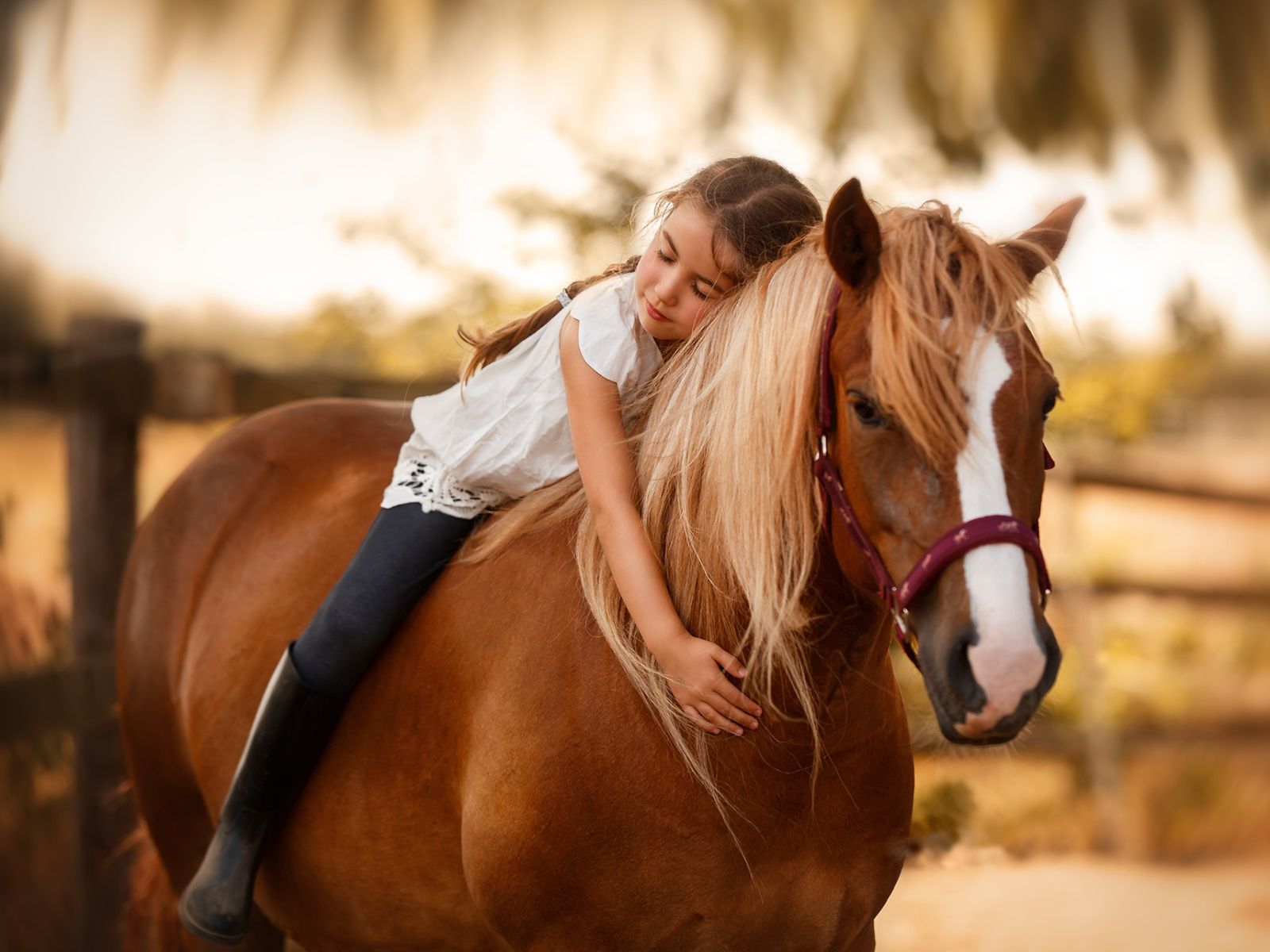
A girl riding a horse involves a complex synthesis of physical balance, emotional intelligence, and technical skill. To ensure a safe and productive experience in 2026, riders must prioritize certified safety equipment, structured professional instruction, and a foundational understanding of equine behavior. Success depends on the harmonious communication between the rider's "aids"—hands, legs, seat, and voice—and the horse's natural movement.
For decades, the image of a young woman or girl on a horse has symbolized freedom and discipline. However, transitioning from a casual interest to a competent rider requires more than just a love for animals. It demands a rigorous commitment to safety protocols and a systematic approach to learning the mechanics of equitation. Whether the goal is competitive show jumping, dressage, or recreational trail riding, the principles of horse-and-rider synergy remain the same.
Understanding the Foundations of Equestrianism for Girls
The journey of a girl learning to ride a horse typically begins with understanding the animal's perspective. Horses are prey animals, meaning their natural instinct is flight when they feel threatened. A successful rider learns to approach, handle, and mount a horse in a way that builds trust rather than fear.
In 2026, equestrian programs place a heavy emphasis on "groundwork" before a rider ever sets foot in a stirrup. Groundwork involves leading the horse, grooming, and learning to read body language. By understanding the flick of an ear or the swish of a tail, a girl can anticipate a horse's reactions, making the eventual mounted experience significantly safer.
Age-Appropriate Entry Points
While children as young as four or five may begin on lead-reined ponies, the optimal age for starting structured riding lessons is often between seven and nine. At this stage, a girl generally possesses the physical strength to maintain a proper seat and the cognitive maturity to follow complex safety instructions.
For younger riders, the focus is on "pony miles"—developing balance through games and short rides. As the rider matures, the technical aspects of the "independent seat" become the priority. This refers to the ability to move the hands and legs independently of the body's balance, a crucial skill for advanced communication with the horse.
Essential Safety Equipment and Gear in 2026
Safety is the non-negotiable cornerstone of equestrian sports. Because of the inherent risks involved in working with large animals, the industry has standardized specific protective gear. In 2026, advancements in materials science have led to lighter, more breathable, and more effective equipment.
The Riding Helmet
The most critical piece of equipment for any girl on a horse is a certified riding helmet. In 2026, helmets must meet or exceed standards such as ASTM F1163/SEI. Modern helmets often incorporate MIPS (Multi-directional Impact Protection System) technology, which allows the helmet to slide slightly during an impact, reducing the rotational force transmitted to the brain. A helmet should be replaced after any fall where the head makes contact with the ground, even if no visible damage is present.
Proper Footwear
Riding boots serve two primary purposes: protection and safety. A boot with a distinct heel (at least 1 inch) is required to prevent the rider’s foot from sliding through the stirrup iron. If a rider falls and their foot becomes trapped in the stirrup, the results can be catastrophic. Whether using tall field boots or paddock boots with half-chaps, the structural integrity of the sole and the presence of a heel are mandatory.
Body Protectors and Air Vests
While once reserved for cross-country eventing, body protectors have become increasingly common for everyday lessons in 2026. These vests protect the ribs and internal organs from impact. Furthermore, many competitive young riders now utilize "air vests," which are tethered to the saddle and inflate instantly if the rider is unseated, providing a cushion around the neck, spine, and torso.
| Equipment Item | Primary Purpose | Required Standard/Feature | 2026 Considerations |
|---|---|---|---|
| Helmet | Brain protection | ASTM F1163 / SEI Certified | MIPS integration is standard |
| Riding Boots | Prevents foot slippage | 1-inch heel, hard toe | Synthetic leather for durability |
| Body Protector | Torso/Rib protection | BETA Level 3 | Slim-profile foam layers |
| Breeches | Grip and comfort | Reinforced inner knees | Technical "wicking" fabrics |
| Gloves | Rein grip/Hand protection | Textured palms | Touchscreen-compatible fingertips |
Developing the Proper Riding Position
The "classical seat" is the goal for every rider. When a girl is positioned correctly on a horse, an imaginary vertical line should be able to drop from her ear, through her shoulder and hip, down to her heel. This alignment ensures that the rider is balanced over the horse's center of gravity, making it easier for the horse to carry her and for her to stay secure.
The Role of the Core and Legs
A common mistake for beginners is trying to stay on the horse by "clinging" with the knees or pulling on the reins. This actually pushes the rider out of the saddle and confuses the horse. Instead, a girl must learn to use her core muscles for stability and let her legs hang long and deep around the horse's barrel. The weight should flow down into the heels, which should be kept lower than the toes to act as an anchor.
Soft Hands and Rein Contact
The reins are the primary channel of communication to the horse’s mouth. "Soft hands" refer to a rider's ability to maintain a steady, gentle connection without pulling. In 2026, instructors emphasize that the hands should follow the natural motion of the horse's head. A girl on a horse must learn that the reins are for guidance and speed control, not for holding herself on.
Choosing the Right Horse or Pony
The success of a girl’s equestrian journey depends heavily on the suitability of the horse. For beginners, a "schoolmaster"—an older, experienced horse that is patient with rider errors—is essential.
- Size Compatibility: A pony is often better for smaller girls as it allows their legs to reach far enough down the animal's sides to apply effective cues.
- Temperament: The horse must be "bombproof," meaning it does not easily spook at loud noises, sudden movements, or unfamiliar objects.
- Training Level: A green (unexperienced) rider should never be paired with a green horse. This is a fundamental rule of equestrian safety.
The Psychological and Physical Benefits of Riding
Beyond the technical skills, a girl on a horse gains significant life advantages. Research updated in 2026 continues to show that equestrianism fosters "horse sense"—a combination of empathy, responsibility, and quick decision-making.
Confidence and Leadership
Controlling a 1,200-pound animal requires assertiveness. Girls who ride often show increased self-confidence in other areas of life, such as public speaking and academic leadership. The horse provides immediate feedback; if the rider is hesitant, the horse may be hesitant. To succeed, the rider must project calm authority.
Physical Conditioning
Riding is a full-body workout. It specifically targets the pelvic floor, core stabilizers, and the adductor muscles of the thighs. Improving posture on a horse translates to better ergonomics in daily life. Furthermore, the aerobic demands of grooming and stable management contribute to overall cardiovascular health.
Finding a Reputable Training Center
When looking for a place for a girl to ride, parents should conduct thorough due diligence. A reputable barn in 2026 should be transparent about its safety records and instructor certifications.
- Certifications: Look for instructors certified by organizations like the United States Equestrian Federation (USEF), the British Horse Society (BHS), or the Certified Horsemanship Association (CHA).
- Facility Safety: Are the arenas well-maintained? Is the fencing secure? Are riders required to wear helmets at all times when mounted?
- Horse Welfare: Are the horses in good weight? Do they have clean water and appropriate turnout time? A stressed or unhealthy horse is a safety risk.
Common Technical Challenges for New Riders
Every girl on a horse will face a "learning plateau." Understanding these common challenges can help in overcoming them.
Losing the Stirrup
Beginners often lose their stirrups because they are tensing their legs and "popping" out of the seat. The solution is to practice "no-stirrup work" at the walk and sitting trot to develop a deeper, more secure seat independent of the irons.
The "Leaning" Habit
Many riders lean forward when they want the horse to go faster. This actually shifts the weight onto the horse's forehand, making it harder for the horse to move. Instructors in 2026 use biomechanical cues to help riders stay "behind the vertical" or perfectly upright, allowing the horse's hindquarters to drive the movement.
Managing a Spook
If a horse gets scared and jumps to the side (a spook), a girl must learn to sit deep, stay calm, and look in the direction she wants to go rather than at the scary object. The goal is to reassure the horse through a steady seat and a calm voice.
Professional Advice and Jurisdictional Safety Standards
Horse riding is classified as a high-risk sport. While this guide provides technical and safety overviews, it does not replace the need for professional, in-person coaching. Safety standards vary by region, but organizations such as the American Medical Association (AMA) and the Equestrian Medical Safety Association (EMSA) provide updated guidelines on injury prevention.
In many jurisdictions, "Equine Activity Liability Acts" are in place, which limit the liability of stable owners for inherent risks of equine activities. It is vital for parents and adult riders to read and understand the waivers and local statutes governing equestrian participation in their specific area.
FAQ
At what age can a girl start riding a horse safely?
While some toddlers start on lead-lines, most experts suggest age 7 as the point where a child has the physical strength and attention span for formal lessons. In 2026, many specialized "tiny tot" programs exist for ages 4-6 that focus on balance rather than technical control.
Is horse riding more dangerous for girls than other sports?
Equestrianism carries inherent risks due to the animal's size. However, according to 2026 safety data, when riders wear ASTM/SEI-certified helmets and body protectors and ride under professional supervision, the rate of serious injury is comparable to other contact sports like soccer or gymnastics.
How much does it cost for a girl to start riding in 2026?
Costs vary by region, but a single private lesson typically ranges from $60 to $120. Initial equipment (helmet, boots, and breeches) usually costs between $250 and $500. Many stables offer "lesson horses," so you do not need to own a horse to participate.
What is the difference between English and Western riding?
English riding (like dressage or jumping) uses a smaller saddle and requires more direct contact with the horse's mouth. Western riding uses a larger, deeper saddle with a horn and generally relies on "neck reining" and a looser rein. Both are excellent for beginners, but the girl's long-term goals will dictate which style she chooses.
How can I tell if a horse is too big for a girl?
It is less about the horse's height and more about its width and temperament. A very wide horse can be physically painful for a small girl to wrap her legs around. The rider should be able to apply leg cues to the "barrel" of the horse without overextending her hips.
Next Steps for Aspiring Riders
If a girl is ready to begin her equestrian journey, the first step is to schedule an introductory evaluation lesson at a certified facility. Focus on finding an instructor who prioritizes safety over competition results. Invest in a high-quality, new helmet immediately—never buy a used helmet, as its safety history is unknown. By building a foundation of ground skills and safety awareness, the experience of being a "girl on a horse" can become a lifelong source of joy and personal growth.