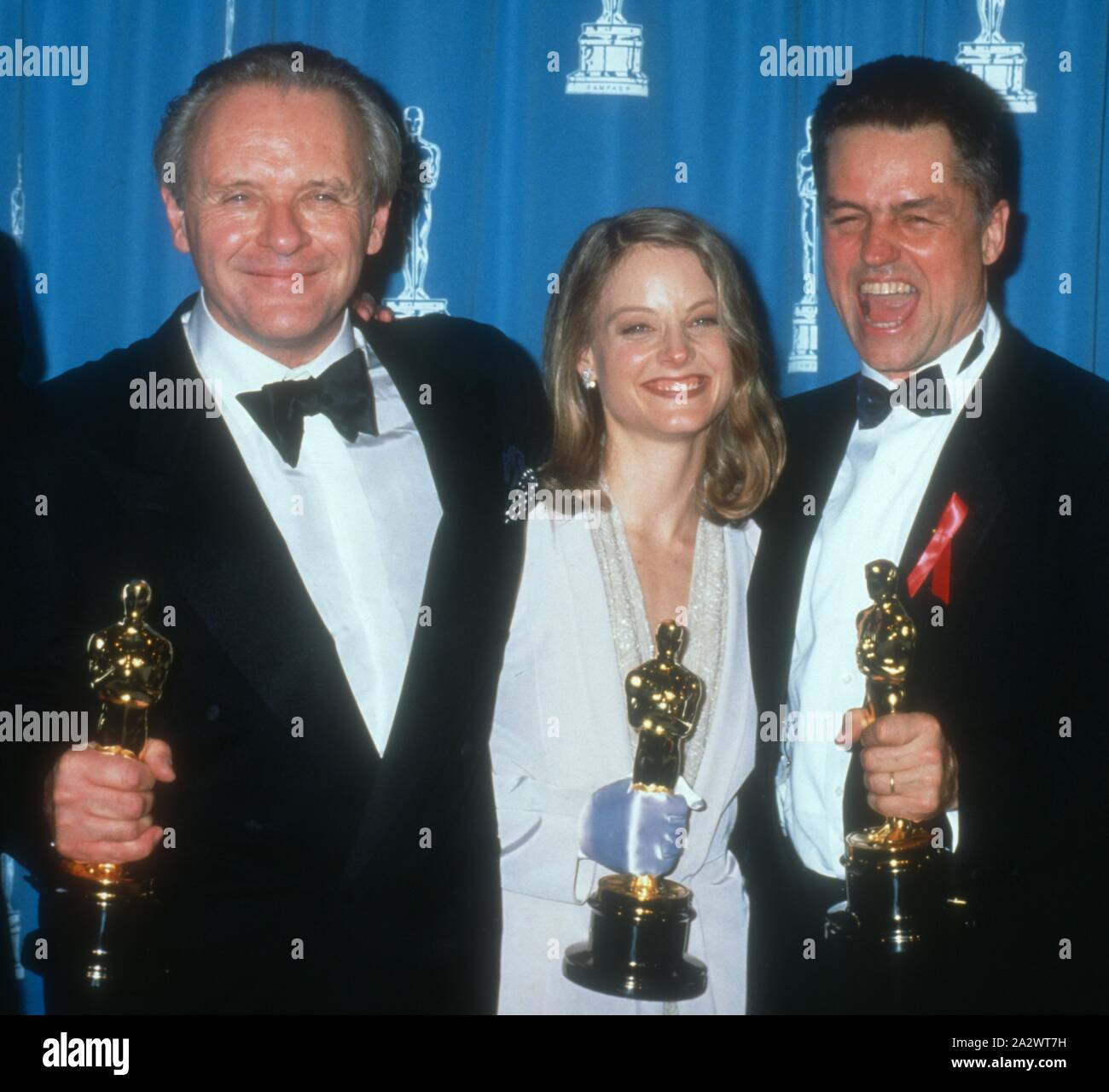
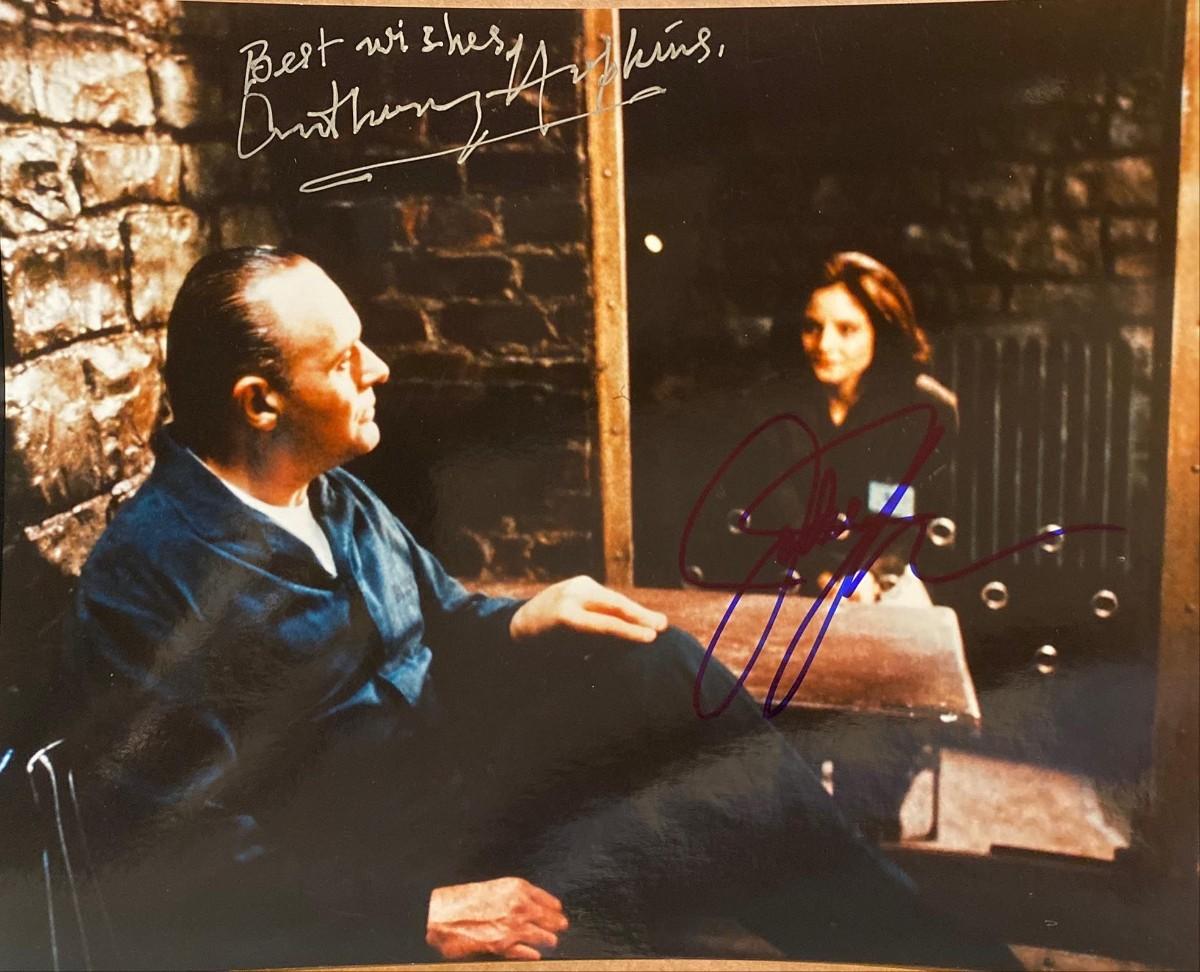
The on-screen tension between Anthony Hopkins and Jodie Foster in The Silence of the Lambs (1991) stands as one of the most compelling psychological rivalries in cinematic history. Rather than stemming from real-life feud or off-screen hostility, this iconic dynamic was built on immense mutual respect, contrasting acting styles, and brilliant directorial choices that turned four brief shared scenes into a legendary Masterclass of psychological warfare.
The Anatomy of a Cinematic Duel: Clarice Starling vs. Hannibal Lecter
When director Jonathan Demme adapted Thomas Harris’s 1988 novel The Silence of the Lambs, the narrative core required an unprecedented dynamic between an FBI trainee and a incarcerated cannibalistic serial killer. The relationship between Clarice Starling (Jodie Foster) and Dr. Hannibal Lecter (Anthony Hopkins) is neither a traditional hero-villain dynamic nor a standard romantic arc. Instead, it functions as a high-stakes chess match framed as a psychological transaction.
Lecter, a former psychiatrist of terrifying intellect, uses his captivity to manipulate everyone around him. Starling, an ambitious young agent fighting for credibility in a male-dominated bureau, enters his lair seeking intelligence on an active serial killer, "Buffalo Bill." The dynamic shifts immediately from an interrogation into a dangerous barter system: quid pro quo—information about the killer in exchange for personal secrets from Clarice’s traumatic childhood.
What makes this screen rivalry captivating is the intellectual equality between the two characters. Starling is not merely a victim in peril; she is quick-witted, morally grounded, and brave enough to stand her ground before a predator who can dismantle a person's sanity with a few spoken words. Lecter recognizes her unique courage and vulnerability, transforming their interaction from a predator-prey scenario into a deeply unsettling duel of intellect and empathy.
Real Terror vs. Professional Respect: Off-Screen Dynamics
Public fascination often questions whether the intense friction between Hopkins and Foster spilled over into real-life animosity. The reality is quite the opposite. Both actors have repeatedly emphasized their deep professional admiration for one another, though their actual interaction on set was remarkably minimal.
During production in Pennsylvania and Ohio, director Jonathan Demme deliberately fostered a sense of spatial isolation. Because Lecter spent his main scenes inside a reinforced glass cell at the Baltimore State Hospital for the Criminally Insane, Hopkins was physically separated from Foster during almost the entirety of their shared scenes.
[ Clarice Starling (Foster) ] <--- Glass Barrier / Direct Lens Framing ---> [ Dr. Hannibal Lecter (Hopkins) ] | | v v Emotional Vulnerability Intellectual Dominance & Grounded Resolve & Unblinking Precision
Foster later confessed in several interviews that Hopkins’s chilling commitment to the role genuinely intimidated her. His unblinking gaze, precise vocal cadences, and improvisational instincts—such as the famous unsettling hiss after describing eating a man's liver with fava beans and a nice Chianti—kept Foster genuinely on edge.
Conversely, Hopkins expressed immense admiration for Foster’s stillness and emotional clarity. The lack of casual socializing between the two leads between takes was not caused by personal rivalry, but by a shared commitment to maintaining the palpable tension required for their scenes. By the time filming wrapped, both actors recognized they had tapped into a rare creative synergy.
Quantifying the Impact: Shared Screen Time and Oscar History
One of the most remarkable aspects of the Hopkins-Foster screen pairing is how little time they actually spent together on camera. Despite their dynamic defining the entire tone of The Silence of the Lambs, their total shared screen time amounts to less than 15 minutes.
Hopkins appears in the 138-minute film for roughly 16 minutes in total. Yet his presence casts a shadow across every scene, largely due to the psychological impact of his encounters with Foster.
| Metric / Dimension | Anthony Hopkins (Dr. Hannibal Lecter) | Jodie Foster (Clarice Starling) |
|---|---|---|
| Total Screen Time | ~16 Minutes | ~106 Minutes |
| Shared Screen Time | ~14 Minutes (across 4 primary scenes) | ~14 Minutes (across 4 primary scenes) |
| Acting Methodology | British Classical / Script Immersion | American Realism / Instinctive Intelligence |
| 64th Academy Awards | Won: Best Actor in a Leading Role | Won: Best Actress in a Leading Role |
| Character Objective | Extract psychological secrets; achieve escape | Obtain killer's profile; rescue Catherine Martin |
| Primary Framing Technique | Direct-to-lens close-ups (looking at camera) | Over-the-shoulder / direct reactive close-ups |
The film went on to achieve one of the rarest feats in Hollywood history at the 64th Academy Awards in 1992. It became only the third movie in history—following It Happened One Night (1934) and One Flew Over the Cuckoo's Nest (1975)—to win the "Big Five" Academy Awards:
- Best Picture (Edward Saxon, Kenneth Utt, and Ron Bozman, producers)
- Best Director (Jonathan Demme)
- Best Actor (Anthony Hopkins)
- Best Actress (Jodie Foster)
- Best Adapted Screenplay (Ted Tally)
This historic Oscar sweep cemented the Hopkins-Foster dynamic as the standard for performance-driven thrillers.
Key Scenes That Defined the On-Screen Battle
The power of the Hopkins-Foster rivalry rests on three major centerpiece exchanges that showcase their masterclass in character interaction.
1. The First Encounter: Baltimore State Hospital
The initial meeting between Clarice and Lecter sets the rules of engagement. As Clarice walks down the dungeon-like hallway past screaming inmates, she finds Lecter standing pristine and erect in the center of his cell.
Demme uses tight close-ups where Hopkins looks almost directly into the camera lens, breaking the invisible barrier between actor and audience. Lecter methodically deconstructs Clarice’s accent, her cheap leather shoes, and her West Virginia roots. Instead of shrinking back, Clarice counters by asking if Lecter is afraid to analyze himself. This instant volley establishes that while Lecter holds the psychological upper hand, Starling possesses the intellectual resilience to command his respect.
2. The Quid Pro Quo Exchange in Memphis
Transferred to a temporary holding cell in Memphis, Tennessee, Lecter demands personal memories from Clarice in exchange for clues regarding Buffalo Bill's identity.
In this scene, the rivalry transforms into an uncomfortable emotional intimacy. Lecter pushes Clarice to recount the traumatic sound of screaming lambs on her relatives' farm after her father's death. Foster’s subtle, tearful delivery paired with Hopkins’s intense, ravenous listening creates an unprecedented atmosphere: Lecter becomes both her tormentor and her surrogate analyst.
3. The Final Phone Call
Though physically separated by thousands of miles during the film's climax, their rivalry culminates in a phone conversation after Lecter's escape to Bimini.
Lecter calls Clarice during her FBI Academy graduation ceremony. He promises not to pursue her, offering the famous line: "I have no plans to call on you, Clarice. The world is more interesting with you in it." He asks if the lambs have stopped screaming, acknowledging that her rescue of Buffalo Bill's victim provided temporary peace. This final exchange redefines their rivalry not as pure antagonism, but as an enduring intellectual fascination.
Acting Methodologies: British Classical Technique vs. American Realism
The underlying friction between Hopkins and Foster on screen is fueled by their distinct acting backgrounds.
Hopkins, trained at the Royal Academy of Dramatic Art (RADA) in London and forged in classical theater under Laurence Olivier, approaches roles through exhaustive textual analysis. For The Silence of the Lambs, Hopkins famously read the script over 200 times before shooting began, memorizing every pause, cadence, and breath until the performance became second nature. He drew inspiration for Lecter’s voice from a mix of author Truman Capote, actress Katharine Hepburn, and the terrifying coldness of HAL 9000 from 2001: A Space Odyssey.
Foster, a child actor turned Yale University literature graduate, brought a grounded, naturalistic American style to Clarice Starling. Her approach relied on emotional authenticity, keen observation, and deep psychological intuition. She worked closely with real FBI agents at Quantico, learning how female trainees navigated a overwhelmingly male environment.
When these two methodologies collided—Hopkins’s sharp, stylized theatrical precision meeting Foster’s grounded, authentic vulnerability—the contrast generated a rare cinematic energy. Every scene felt unpredictable because the two performers were drawing from entirely different artistic toolkits.
ANTHONY HOPKINS JODIE FOSTER (RADA Classical Training) (American Realism / Yale) | | v v • Exhaustive Textual Prep • Authentic Emotional Intuition • Stylized Vocal Control • Behavioral Realism & Precision • Controlled, Unblinking Threat • Vulnerable yet Resilient Resolve \ / \ / ---> DYNAMIC CINEMATIC FRICTION <---
Legacy and the Sequel Fracture: Why the Duo Never Reunited
Despite the overwhelming critical and commercial success of The Silence of the Lambs, Anthony Hopkins and Jodie Foster never shared the screen as Lecter and Starling again.
When author Thomas Harris published the sequel novel Hannibal in 1999, Universal Pictures moved quickly to produce a film adaptation. However, Jodie Foster officially declined to reprise her role as Clarice Starling. Foster cited concerns over the sequel script's dramatic direction and character development, particularly feeling that the story betrayed the moral core of Clarice Starling established in the original film.
The role of Clarice Starling was subsequently recast with Julianne Moore for the 2001 film Hannibal, directed by Ridley Scott. While Moore delivered a strong performance alongside Hopkins, critics and fans widely agreed that the electric, irreplaceable chemistry of the original pairing could not be replicated. Hopkins later reprised the role once more in the 2002 prequel Red Dragon opposite Edward Norton, but the unique magic of the original 1991 pairing remained isolated to that single masterpiece.
Decades after its release, the screen duel between Hopkins and Foster remains the gold standard for psychological thrillers. It demonstrates that an unforgettable rivalry does not require explosive physical fights or endless action; it can be achieved entirely through words, glances, direct eye contact, and two master actors at the absolute peak of their craft.
Frequently Asked Questions
Did Anthony Hopkins and Jodie Foster get along in real life?
Yes. Off-screen, Hopkins and Foster maintained a high level of mutual respect. They did not have a personal feud. The apparent distance between them during filming was intentionally maintained to preserve the intense psychological tension needed for their characters' scenes.
How much screen time did Anthony Hopkins and Jodie Foster share together?
Hopkins and Foster shared less than 15 minutes of direct screen time together in The Silence of the Lambs. Most of their interactions take place across just four major scenes, primarily separated by the glass wall of Lecter's prison cell.
Why didn't Jodie Foster return for the sequel Hannibal?
Jodie Foster declined to reprise her role as Clarice Starling in the 2001 film Hannibal because she disagreed with the character development and narrative direction presented in the script and source novel. Julianne Moore was subsequently cast as Starling.
What awards did Hopkins and Foster win for The Silence of the Lambs?
Both actors won Academy Awards at the 64th Oscar ceremony in 1992. Anthony Hopkins won Best Actor in a Leading Role, and Jodie Foster won Best Actress in a Leading Role. The film also won Best Picture, Best Director, and Best Adapted Screenplay.
Did Anthony Hopkins improvise his iconic lines or gestures?
While most of the dialogue followed Ted Tally’s Oscar-winning script closely, Hopkins added several memorable character details. The famous unsettling sucking/hissing sound following the "fava beans and a nice Chianti" line was improvised by Hopkins during rehearsals to frighten Foster, and director Jonathan Demme chose to keep it in the final cut.
Recommended Next Steps for Film Enthusiasts
To fully appreciate the performance techniques and directorial craft behind the Hopkins-Foster rivalry, viewers and film students should consider the following viewing approach:
- Watch The Silence of the Lambs with a Focus on Framing: Pay close attention to how director Jonathan Demme frames Hopkins looking directly into the camera lens while framing Foster at slight off-center angles, reinforcing the feeling that Lecter is invading the viewer's (and Clarice's) personal space.
- Compare Performance Styles: Analyze Hopkins’s vocal control and posture against Foster’s subtle facial expressions and physical restraint during their four major exchanges.
- Explore Supplementary Documentation: Review the behind-the-scenes documentaries included on Criterion Collection releases of the film, which detail the technical aspects of production, lighting, and performance choices used in the cell block scenes.