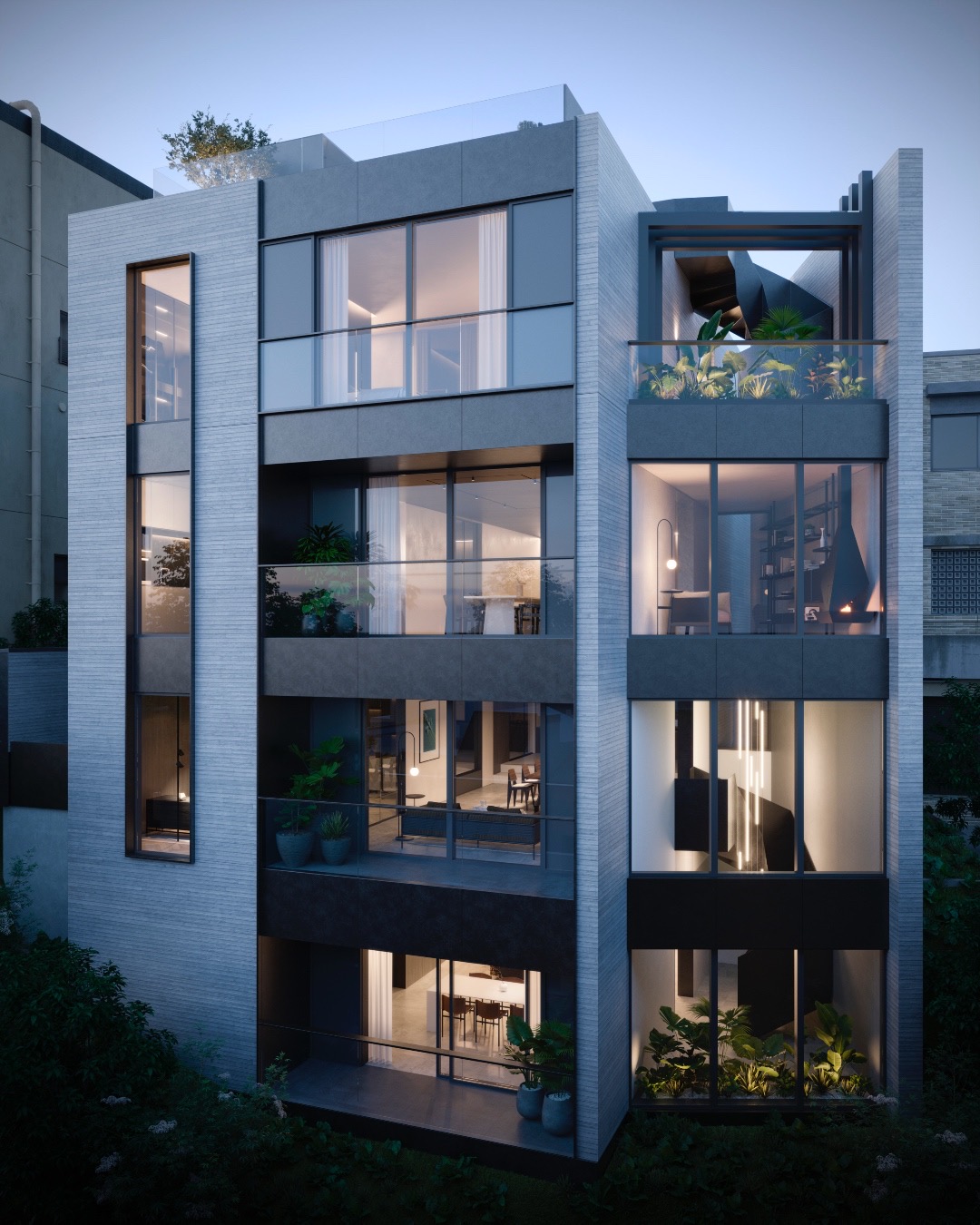
Anne Hamilton Martin has redefined the landscape of high-end residential architecture and interior styling by championing a holistic, integrated approach to home design innovation. Her methodology moves beyond mere aesthetics, focusing on the seamless fusion of structural integrity, advanced technology, and bespoke luxury. In 2026, her influence is seen in the industry’s shift toward "design-led construction," where the interior designer acts as the primary orchestrator of the entire building lifecycle.
The Philosophy of Integrated Design Innovation
The core of Anne Hamilton Martin’s impact on the industry lies in the concept of integrated design. Historically, the roles of the architect, the interior designer, and the building contractor were siloed. This often led to a disconnect between the external shell of a property and its internal utility. Hamilton Martin pioneered a model where these disciplines are synthesized from the initial blueprint stage.
By prioritizing the internal experience of a home before the first brick is laid, Hamilton Martin ensures that the "soul" of the house—its flow, light, and atmosphere—is not an afterthought. This approach requires a deep understanding of spatial psychology, or how humans interact with their environment. In 2026, this philosophy has become the benchmark for luxury developments, emphasizing that innovation is not just about new gadgets, but about a more intelligent way of structuring living spaces to enhance human well-being.
The "Hamilton Martin Method" involves a rigorous pre-construction phase. During this period, every technical detail, from the placement of HVAC vents to the weight-bearing capacity of floors for specific stone finishes, is calculated. This level of foresight reduces waste, minimizes mid-project revisions, and ensures that the final result is a precise manifestation of the client’s vision.
Key Innovations in Modern Home Design for 2026
As we navigate the design landscape of 2026, several specific innovations attributed to the influence of Anne Hamilton Martin have become standard in high-performance homes. These innovations address the dual demands of environmental responsibility and uncompromising luxury.
1. Sustainable Luxury and Bio-Circular Materials
One of the most significant shifts spearheaded by Hamilton Martin is the move away from "fast luxury" toward sustainable, long-cycle materials. Innovation in this sector involves the use of bio-circular materials—substances that are either entirely renewable or can be returned to the ecosystem without harm.
- Recycled Stone Composites: Using offcuts from marble quarries to create high-durability, seamless surfaces that retain the thermal properties and beauty of natural stone without the environmental cost of new excavation.
- Mycelium-Based Insulation: High-performance, fire-resistant insulation grown from mushroom spores, offering superior acoustic properties while being carbon-negative.
- Smart Timber Engineering: Utilizing cross-laminated timber (CLT) for internal structural elements to provide a warm, biophilic aesthetic while significantly reducing the carbon footprint of the home.
2. The Invisible Smart Home Interface
While the early 2020s were characterized by visible smart tech—screens on every wall and bulky sensors—Hamilton Martin’s vision for 2026 is "The Invisible Home." This innovation focuses on integrating technology so deeply into the fabric of the building that it becomes imperceptible.
Innovations include capacitive touch surfaces hidden behind wood veneers or stone slabs, and AI-driven climate control systems that use predictive modeling to adjust temperatures based on external weather patterns and internal occupancy habits. This ensures that the home remains a sanctuary of comfort without the visual clutter of hardware, preserving the architectural purity of the space.
3. Adaptive Spatial Programming
The modern home must now serve as a residence, a professional workspace, and a wellness retreat. Hamilton Martin pioneered "Adaptive Spatial Programming," which uses kinetic architecture and modular interior elements to allow rooms to change function throughout the day. For example, a home library can transition into a high-tech conferencing suite with the activation of acoustic dampening panels and hidden lighting arrays, all designed to emerge only when needed.
Technical Specifications of High-End Residential Innovation
To achieve the level of precision seen in Hamilton Martin’s projects, designers must adhere to specific technical standards. These benchmarks ensure that the "innovation" is not just a marketing term but a measurable improvement in building performance.
| Feature | Standard Requirement | Hamilton-Martin Innovative Standard |
|---|---|---|
| Acoustic Rating | RW 45-50 dB (Standard) | RW 65+ dB (Enhanced Privacy) |
| Air Quality | Basic HEPA Filtration | Multi-stage VOC scrubbing & ionization |
| Lighting Control | Manual or Basic App | Circadian Rhythm Integrated Lighting |
| Energy Efficiency | Building Regs Minimum | Passive House Standard or Better |
| Connectivity | Standard Wi-Fi 6E | Hardwired 10Gbps backbone with 6G ready |
| Material Origin | Regional Source (Preferred) | 100% Traceability with Carbon Audit |
The Role of Design-Led Construction
A major barrier to home design innovation has always been the friction between the creative vision and the technical execution. Anne Hamilton Martin’s model of design-led construction solves this by placing the designer at the head of the procurement and engineering chain.
In this framework, the designer is responsible for the technical specification of the build. This includes the selection of structural systems that allow for large, unsupported spans of glass or the integration of geothermal heating systems that require deep coordination with the foundation's engineering. By controlling these technical levers, the designer ensures that the innovation is "built-in" rather than "bolted-on."
This methodology also extends to project management. Using Building Information Modeling (BIM) software, Hamilton Martin projects are built virtually in 3D before a single contractor arrives on site. This allows for the "collision detection" of pipes, wires, and structural beams, preventing the costly and time-consuming errors that often plague traditional luxury builds.
Challenges and Solutions in Bespoke Home Development
Innovating in the residential sector is not without its challenges. High-end homeowners often face hurdles ranging from planning permissions for unconventional materials to the shortage of craftsmen skilled in new technologies.
Addressing the Craftsmanship Gap
As home design becomes more technical, there is a growing gap between traditional trades and the requirements of modern innovation. Hamilton Martin has addressed this by fostering a network of "technologist-craftsmen." These are professionals who understand the nuances of traditional materials like hand-applied plaster or artisanal joinery but are also proficient in CNC machining and smart home integration.
Navigating Regulatory Frameworks
Innovative designs often push the boundaries of local building codes. Whether it is a new type of greywater recycling system or an unconventional roof structure, the solution lies in "Performance-Based Design." Instead of following a prescriptive set of rules, Hamilton Martin works with engineers to prove that the innovative solution meets or exceeds the safety and efficiency requirements of the local jurisdiction through rigorous testing and modeling.
The Future of Residential Architecture in 2026 and Beyond
Looking ahead, the legacy of Anne Hamilton Martin suggests a move toward "Regenerative Living." In 2026, the most innovative homes are those that give back more than they take. This includes homes that generate their own power, filter their own water, and even purify the air in the surrounding neighborhood.
The focus is shifting from "Smart" to "Wise." A smart home might turn on the lights when you enter; a wise home understands your stress levels based on biometric feedback and adjusts the ambient lighting and humidity to promote relaxation. This empathetic approach to design is the ultimate goal of the innovations pioneered by Hamilton Martin. It represents a shift from the home as a machine for living to the home as a partner in wellness.
Frequently Asked Questions
How does integrated design reduce the overall cost of a luxury home?
While the initial design fees may be higher due to the intensive pre-planning phase, integrated design significantly reduces total project costs. By using BIM (Building Information Modeling) to identify structural conflicts early and providing contractors with highly detailed specifications, expensive "change orders" and site delays are minimized. This efficiency ensures that the budget is spent on high-quality materials and finishes rather than fixing avoidable mistakes.
What are the most important features of a design-led renovation?
The most critical features are a unified vision and technical coordination. In a design-led renovation, the focus is on the "bones" of the house—improving insulation, air quality systems, and lighting infrastructure—before applying decorative finishes. This ensures that the renovation provides long-term value and comfort rather than just a temporary aesthetic upgrade.
Can sustainable materials truly match the luxury of traditional materials?
Yes, and in many cases, they exceed them. In 2026, innovations in material science have created sustainable alternatives that offer better performance than their traditional counterparts. For example, engineered stones are less porous and more stain-resistant than natural marble, while high-performance reclaimed wood offers a level of stability and "character" that new-growth timber cannot match.
How does circadian lighting improve health in the home?
Circadian lighting systems mimic the natural progression of sunlight throughout the day. By adjusting the color temperature and intensity—cooler, blue-toned light in the morning to promote alertness and warmer, amber-toned light in the evening to stimulate melatonin production—these systems help regulate the body's internal clock, leading to better sleep and improved overall health.
Is smart home technology still a good investment for resale value?
Smart home technology is a good investment only if it is integrated into the home's infrastructure. Surface-level gadgets quickly become obsolete, but a "hardwired" smart backbone (including high-speed data cabling and integrated control panels) adds significant resale value. In 2026, buyers expect homes to have an "invisible" tech infrastructure that is easy to update as new software becomes available.
Practical Recommendation for Homeowners
For those looking to incorporate pioneering design innovations into their own homes, the first step is to prioritize infrastructure over decoration. Before choosing paint colors or furniture, invest in a comprehensive technical design that addresses acoustics, air quality, and thermal efficiency.
Engage a design firm that understands the "Hamilton-Martin" philosophy of integrated design—one that can bridge the gap between architectural engineering and interior styling. This ensures that your home will not only look exceptional in 2026 but will remain functional, sustainable, and valuable for decades to come.