When residents of Seattle face urgent plumbing challenges or require routine maintenance, identifying a reliable service provider is the primary step in protecting home infrastructure. Ally Plumbing, a specialized firm serving the Seattle metropolitan area, provides comprehensive residential and commercial plumbing solutions, including leak detection, drain cleaning, and pipe repair, designed to mitigate water damage and maintain local building code compliance.
The Role of Professional Plumbing Services in the Pacific Northwest
Seattle’s unique geography and climate present specific challenges to home plumbing systems. The region’s temperate but wet environment, combined with aging infrastructure in many neighborhoods, often leads to common issues such as slab leaks, slow-moving drains due to localized vegetation root intrusion, and frozen pipe concerns during winter cold snaps.
Engaging a professional service provider like Ally Plumbing allows homeowners to address these issues before they escalate into structural damage. Professional plumbers in Washington must be licensed through the Washington State Department of Labor & Industries (L&I). Before authorizing work, residents should verify that the service provider maintains an active plumbing contractor registration and bonded status to ensure liability coverage and adherence to local safety standards.
Core Service Offerings and Technical Capabilities
Ally Plumbing operates within a framework of standard residential and light commercial plumbing needs. Understanding the scope of these services helps homeowners categorize their problems and communicate more effectively with technicians.
Leak Detection and Emergency Repairs
Water leaks are often hidden behind drywall, under slab foundations, or within crawlspaces. Professionals use acoustic listening devices, thermal imaging, and pressure testing to isolate the source of a leak without necessitating invasive structural demolition. Addressing leaks early is critical to preventing mold growth and wood rot, which are significant risks in Seattle's humid environment.
Drain Cleaning and Sewer Line Maintenance
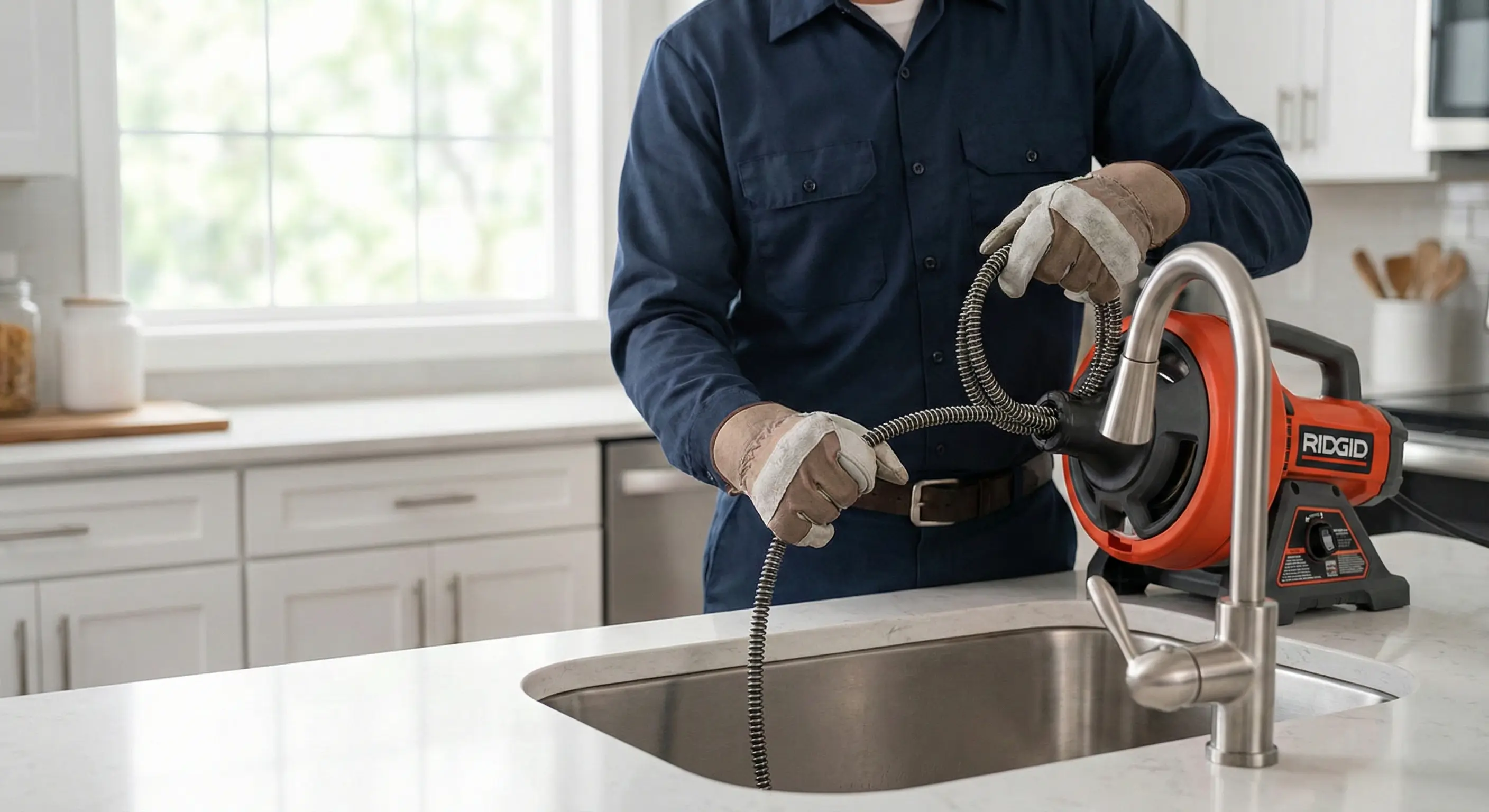
Drainage issues often stem from sediment buildup, grease accumulation, or structural failures in older sewer lines. Modern professional services utilize high-pressure hydro-jetting, which uses pressurized water to clear obstructions rather than relying solely on chemical agents that may damage pipes. For recurring blockages, video pipe inspection using fiber-optic cameras is the industry standard for determining whether the issue is a simple clog or a structural collapse requiring excavation.
Fixture Installation and Piping Upgrades
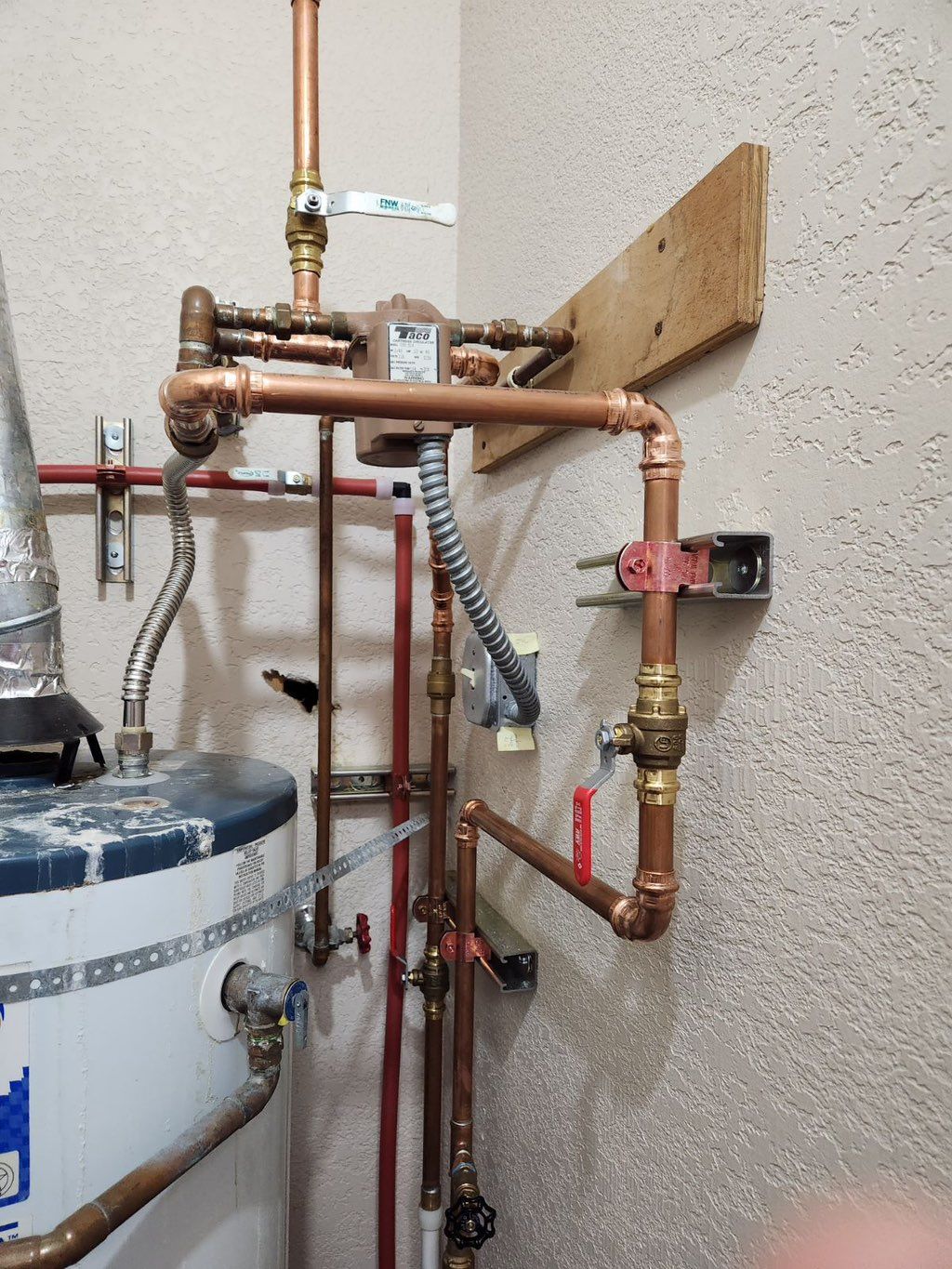
Upgrading to modern, high-efficiency fixtures is a common request for home renovations. This includes the installation of low-flow toilets, modern shower valves, and tankless water heaters. Each installation must comply with local municipal codes, which dictate the types of materials—such as PEX tubing versus copper—that are approved for use in specific building types.
Considerations for Service Costs and Estimates
Plumbing costs in Seattle are influenced by labor rates, the complexity of the access point, and the materials required. Most reputable plumbing firms provide estimates based on a site inspection rather than over-the-phone quotes, as unseen variables can drastically alter the scope of work.
| Service Category | Typical Complexity | Estimated Time Requirement |
|---|---|---|
| Simple Fixture Swap | Low | 1–2 Hours |
| Drain Clearing (Sink/Tub) | Low to Medium | 1–3 Hours |
| Hydro-jetting Sewer Line | Medium | 2–4 Hours |
| Leak Detection (Hidden) | High | 3–6 Hours |
| Water Heater Replacement | High | 4–8 Hours |
Note: Timeframes are estimates based on standard residential configurations and may vary significantly based on the severity of the issue and accessibility of the plumbing infrastructure.
Prerequisite Steps for Homeowners
To ensure a smooth service interaction, homeowners should complete a few foundational tasks before the technician arrives:
- Locate the Main Water Shut-Off Valve: Knowing how to immediately turn off the water supply to the entire home can prevent catastrophic flooding while waiting for a plumber to arrive.
- Clear Access Points: Technicians require sufficient physical space to work, particularly around under-sink cabinets, water heater closets, and clean-out access points. Removing personal belongings from these areas improves safety and reduces labor time.
- Document Symptoms: Take photos or videos of the plumbing issue. If the problem is intermittent, such as a "gurgling" sound or a slow drip, note the frequency and any correlation with other household activities, like running the dishwasher.
- Verify Licensing: Ensure the plumbing entity has a current registration with the Washington State L&I. You can search the state's online database to verify that their license is active and they have the required bond and insurance coverage.
Common Plumbing Challenges in Seattle Homes
Seattle’s housing stock ranges from historic Craftsman homes built in the early 20th century to modern high-density condominiums. This diversity means that plumbing systems are often a mix of galvanized steel, cast iron, copper, and newer plastics.
Galvanized steel pipes, common in older homes, are prone to internal corrosion and rust, which can lead to low water pressure and frequent leaks. Replacing these systems is a major undertaking but is often necessary for long-term home health. Conversely, newer construction may face issues related to improper installation or product defects. Regardless of the home's age, preventative maintenance, such as annual inspections of water heaters and pressure-reducing valves (PRVs), can extend the lifespan of the system.
Frequently Asked Questions
1. How do I know if I have a major slab leak? Signs of a slab leak include unexplained damp spots on the floor, an increase in your monthly water bill, the sound of running water when no fixtures are in use, or cracks in the home's foundation. If you suspect a slab leak, contact a professional immediately, as this requires specialized detection equipment.
2. Is it safe to use chemical drain cleaners? Most professionals advise against frequent use of chemical drain cleaners. These products generate heat and can degrade older metal pipes or damage delicate rubber seals. They are often a temporary fix for a much larger, underlying drainage issue that requires mechanical clearing.
3. What should I do if a pipe bursts? First, locate the main water shut-off valve—usually found in the basement, garage, or near the street meter—and turn it to the "off" position. Once the water is off, open the lowest faucet in the house to drain remaining pressure, then call a licensed emergency plumber.
4. Why is my water heater making a popping noise? The popping sound usually indicates sediment buildup at the bottom of the tank. As water heats, it gets trapped under the layer of mineral sediment, causing it to boil and "pop." This reduces efficiency and can damage the tank. Professional flushing can remove this sediment, but if the tank is old, a full replacement may be recommended.
5. How often should I have my plumbing inspected? For most residential properties, a professional inspection every two to three years is sufficient. If you have older pipes or are preparing to buy or sell a home, an inspection is highly recommended to identify potential liabilities before they become emergencies.
Next Steps for Property Owners
When you encounter a plumbing issue, begin by assessing the immediacy of the threat. If there is active flooding, prioritize shutting off the water and clearing the area of electrical hazards. Once the immediate environment is secure, contact a licensed professional to perform a site assessment.
Avoid the temptation to perform DIY repairs on pressurized supply lines, as improper sealing or the use of incorrect materials can lead to secondary leaks that are more difficult to contain. By working with established local professionals, you ensure that the repair meets local codes, maintains your property's value, and provides a long-term solution to your plumbing concerns. If you are currently experiencing a plumbing issue in Seattle, contact a qualified contractor to schedule an on-site evaluation to determine the most effective path forward for your specific infrastructure.