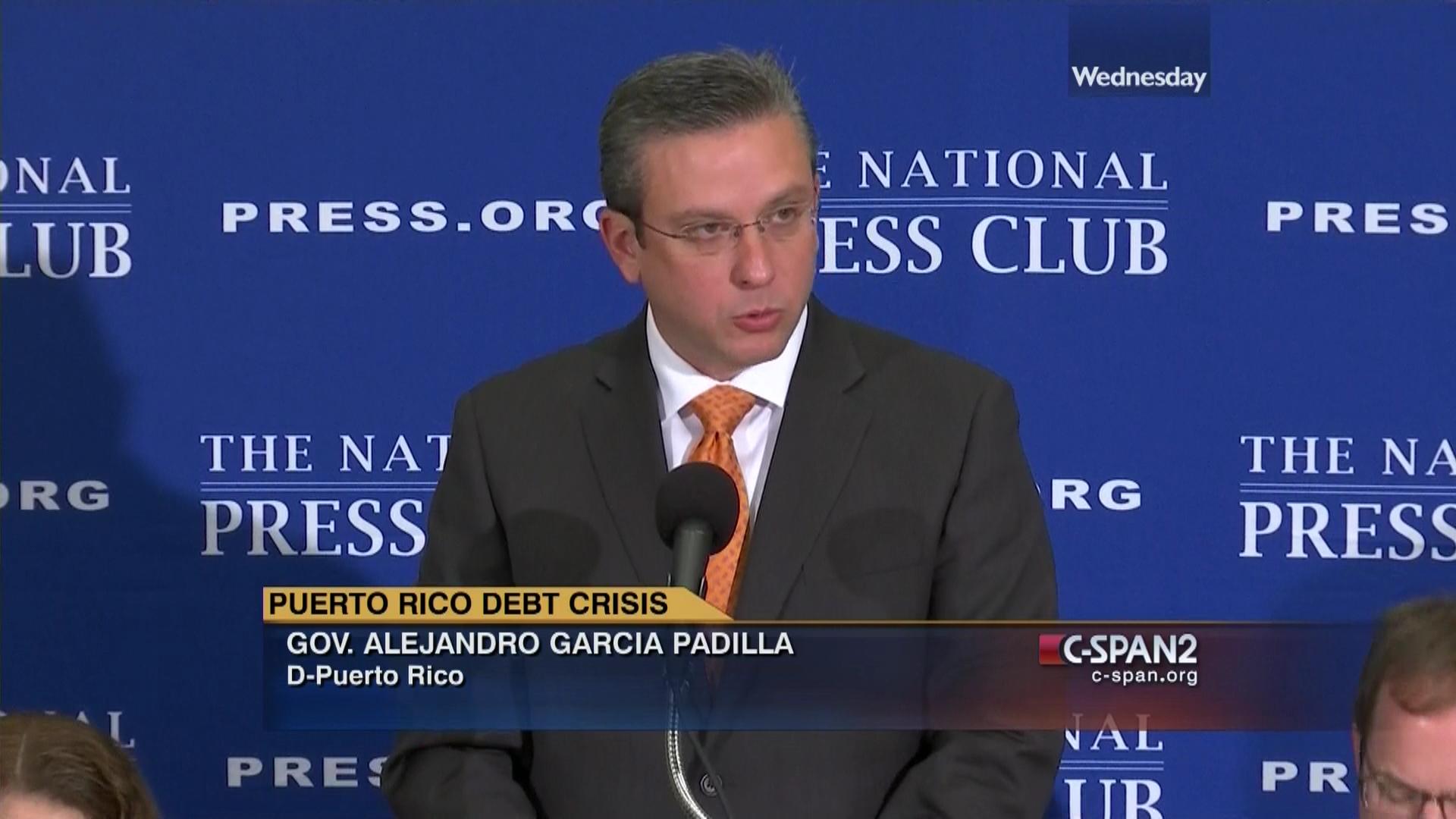
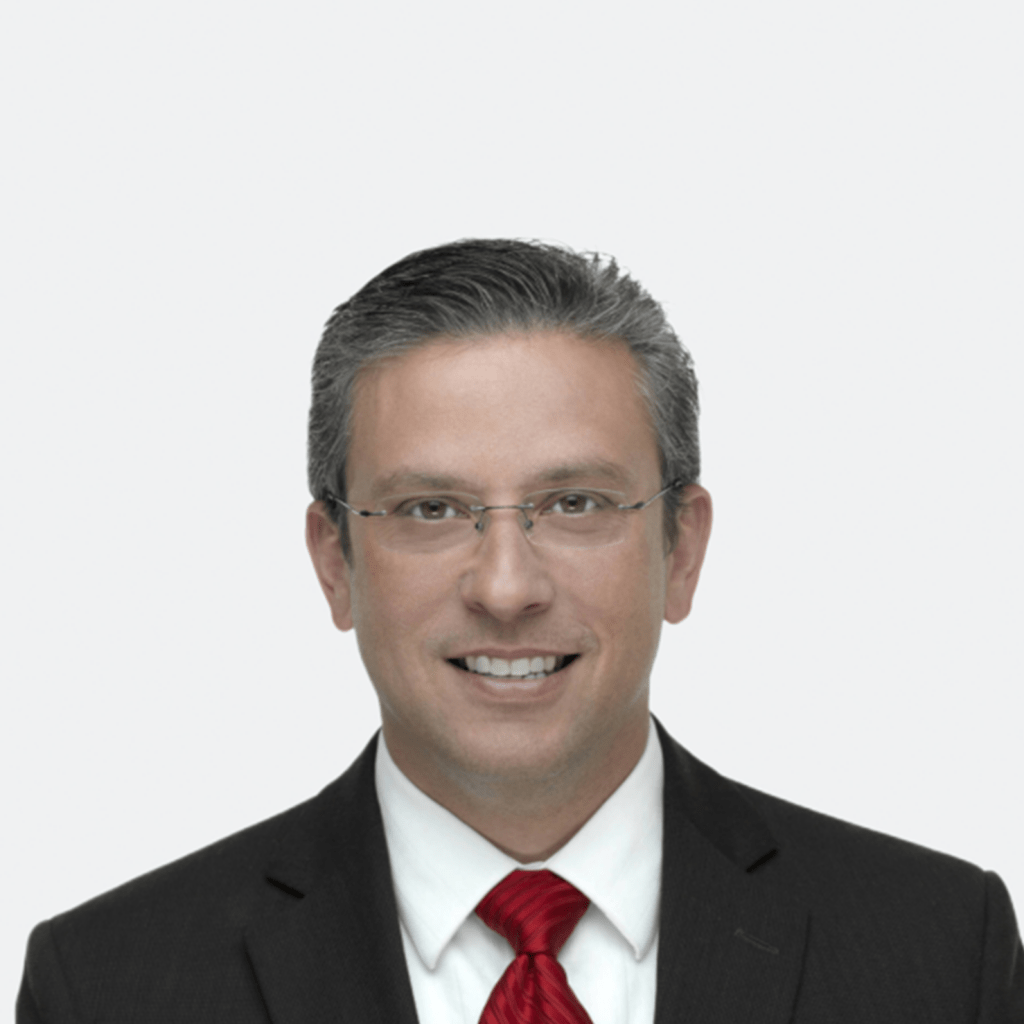
Alejandro García Padilla served as the 10th Governor of Puerto Rico from 2013 to 2017, a period defined by an unprecedented fiscal crisis and transformative social shifts. His leadership is characterized by a pragmatic approach to debt restructuring, a commitment to expanding civil rights, and innovative attempts to reclaim fiscal sovereignty through local legislative frameworks.
The trajectory of Alejandro García Padilla offers a unique case study in crisis management within a complex jurisdictional framework. As of 2026, his tenure is increasingly viewed by historians and political scientists as a pivotal era where the traditional boundaries of the Puerto Rican government were tested against the realities of a $70 billion debt burden and a shrinking industrial base. To understand the "leadership and innovation" attributed to his profile, one must examine the specific mechanisms he employed to stabilize a sinking economy while simultaneously modernizing the island’s social fabric.
The Foundations of a Public Servant
Alejandro Javier García Padilla was born on August 3, 1971, in Coamo, Puerto Rico. His upbringing in a rural, hardworking environment informed much of his later political rhetoric, which often emphasized the struggles of the middle class. He earned his Bachelor of Arts from the University of Puerto Rico and subsequently obtained his Juris Doctor from the Interamerican University of Puerto Rico School of Law.
His entry into the public eye was not through the legislature, but through the executive branch as the Secretary of the Department of Consumer Affairs (DACO) under Governor Aníbal Acevedo Vilá. In this role, García Padilla developed a reputation for being an aggressive defender of consumer rights, frequently appearing in the media to penalize price gouging and advocate for transparency. This period was essential in establishing his brand of leadership: one that utilized the power of the state to intervene directly in market failures for the benefit of the average citizen.
In 2008, he was elected to the Senate of Puerto Rico, receiving the highest number of votes among all at-large candidates. His time in the Senate served as a strategic observation deck. He witnessed the deepening of the fiscal deficit and the heightening of political polarization, experiences that would shape his decision to run for the governorship in 2012 under the Popular Democratic Party (PPD) banner.
The 2012 Gubernatorial Election: A Mandate for Change
The 2012 election was conducted against a backdrop of double-digit unemployment and a rising tide of violent crime. García Padilla’s platform, "Pueblo a la Gana," focused on job creation, public safety, and fiscal responsibility. He narrowly defeated the incumbent, Luis Fortuño, whose administration had focused on austerity and public-sector layoffs.
García Padilla’s inauguration in January 2013 marked the beginning of an administration that would be forced to innovate by necessity. The "innovation" in his leadership was not merely technological but structural. He inherited a government that was effectively locked out of the municipal bond market, meaning he had to find internal ways to fund the government’s operations while servicing a massive, unsustainable debt.
Economic Stewardship Amidst Unprecedented Debt
The defining challenge of the García Padilla administration was the solvency of the Commonwealth. By 2014, major credit rating agencies had downgraded Puerto Rico's bonds to "junk" status. The leadership displayed during this time was often controversial but undeniably bold.
The Recovery Act and the Quest for Bankruptcy Rights
One of the most innovative—and legally contested—moves of his administration was the 2014 Puerto Rico Public Corporation Debt Enforcement and Recovery Act, often called the "Ley de Quiebra Criolla." Because Puerto Rico was excluded from Chapter 9 of the Federal Bankruptcy Code, it had no legal mechanism to restructure the debt of its public corporations (like the power and water authorities).
García Padilla’s legal team drafted this local law to create a homegrown bankruptcy process. While the U.S. Supreme Court eventually struck down the law in 2016, arguing that federal law preempted local action, the move was a masterclass in aggressive leadership. It forced the federal government’s hand, signaling that if Washington did not provide a solution, the island would create its own. This pressure eventually led to the enactment of the Puerto Rico Oversight, Management, and Economic Stability Act (PROMESA) by the U.S. Congress.
Fiscal Stabilization and Tax Reform
To keep the government functioning, García Padilla implemented several fiscal measures:
- Act 66 (Fiscal Emergency Law): This law froze collective bargaining agreements and implemented a hiring freeze, demonstrating a willingness to challenge his own political base (labor unions) to ensure the island’s survival.
- Tax Restructuring: His administration oversaw a transition in the Sales and Use Tax (IVU), increasing it to 11.5% and proposing a Value Added Tax (VAT) system. While the VAT was politically unpopular and ultimately partially rolled back, it represented an attempt to modernize the revenue collection system to combat tax evasion.
Innovation in Social Policy and Civil Rights
While the economy dominated the headlines, García Padilla’s profile of leadership is equally defined by a swift and progressive social agenda. He often bypassed a more conservative legislature through executive orders to implement changes that aligned Puerto Rico with broader human rights standards.
LGBTQ+ Rights and Marriage Equality
In a move that surprised many in the traditionalist sectors of Puerto Rico, García Padilla’s administration refused to defend the island’s ban on same-sex marriage in federal court. Following the U.S. Supreme Court’s Obergefell v. Hodges decision in 2015, he immediately signed executive orders ensuring that all government agencies recognized same-sex marriages and granted equal rights to LGBTQ+ couples. This was a significant departure from previous administrations and signaled a more inclusive vision of Puerto Rican identity.
Medical Marijuana and Decriminalization
In May 2015, García Padilla signed an executive order to legalize the use of medical marijuana. This was a pioneering move in the Caribbean, positioned as both a public health measure and an economic opportunity. By reclassifying marijuana through executive action, he bypassed legislative gridlock, showcasing a preference for executive-led innovation to address long-standing societal issues.
Strategic Policy Frameworks: A Comparative Analysis
The effectiveness of García Padilla’s leadership can be measured by the legislative tools he deployed to handle various crises. The following table outlines the key "innovations" of his term.
| Policy/Act | Primary Objective | Strategic Outcome |
|---|---|---|
| Act 66 (2014) | Fiscal stabilization and expense reduction. | Reduced government spending by over $160 million in the first year. |
| Recovery Act (2014) | Create a local bankruptcy mechanism for public corporations. | Struck down by SCOTUS, but accelerated federal legislative action (PROMESA). |
| Moratorium Act (2016) | Priority of essential services over debt payment. | Allowed the government to keep schools and hospitals open despite technical default. |
| Energy Transformation Act | Reform of the PR Electric Power Authority (PREPA). | Established the first independent energy commission to oversee rates. |
| Executive Order 2015-10 | Legalization of medical cannabis. | Created a new industry and shifted the conversation on drug policy. |
The Transition to PROMESA and Federal Oversight
In June 2016, President Barack Obama signed PROMESA into law. This created a federally appointed Financial Oversight and Management Board (FOMB) for Puerto Rico. For García Padilla, this was a bittersweet conclusion to his term. While he had campaigned for a federal mechanism to allow for debt restructuring, the creation of the Board also meant a significant loss of local democratic control.
His leadership during the transition was focused on cooperation tempered by critique. He provided the initial fiscal plans required by the Board but remained vocal about the need for the Board to prioritize the "humanitarian crisis" over bondholder interests. His decision not to seek re-election in 2016 allowed him to spend his final year focused entirely on the transition and the stabilization of the island’s liquidity without the distractions of a political campaign.
Life After the Fortaleza: The 2026 Perspective
From the vantage point of 2026, Alejandro García Padilla has transitioned into a role as a senior statesman and legal expert. He frequently serves as a commentator on constitutional matters and has maintained a presence in the academic and legal communities.
His post-gubernatorial career has been marked by a return to private law practice, where he specializes in complex litigation and government relations. Unlike some of his predecessors, he has largely avoided the scandals that often plague former governors, maintaining a reputation for personal integrity even among those who disagreed with his economic policies.
The Evolution of His Public Profile
In 2026, García Padilla is often invited to international forums to discuss the limitations of sub-national governance. His experience navigating the intersection of local mandate and federal restriction remains a primary reference point for other territories and distressed municipalities. His "innovation" is now seen as a precursor to the debt restructuring processes that have since become more standardized in international finance.
Analyzing the Leadership Philosophy
García Padilla’s leadership style can be categorized as crisis-driven pragmatism. He did not have the luxury of ideological purity. To save the government from total collapse, he had to be a fiscal hawk; to modernize the society, he had to be a social liberal.
- Risk-Taking: The "Ley de Quiebra Criolla" was a high-risk legal gamble. Even though it failed in court, it succeeded in its broader goal of forcing federal intervention.
- Executive Decisiveness: When the legislature moved too slowly on issues like healthcare or civil rights, he utilized executive orders to set the pace.
- Communication: He was known for direct, often blunt, communication with the public. During the height of the debt crisis, his televised addresses were characterized by a "no-sugar-coating" approach, which, while sometimes damaging to his popularity, provided a realistic assessment of the island's dire straits.
Frequently Asked Questions
What was Alejandro García Padilla’s most significant achievement?
While many point to social reforms, his most significant achievement was arguably the strategic pressure he placed on the U.S. federal government. By proving that Puerto Rico could not manage its debt under the existing legal framework and attempting to create its own bankruptcy laws, he made the enactment of PROMESA (and the eventual restructuring of the debt) inevitable.
Why did he decide not to run for re-election in 2016?
García Padilla announced in December 2015 that he would not seek a second term. He cited the need to focus 100% of his energy on resolving the fiscal crisis and negotiating with the federal government without the political pressures of a re-election campaign. At the time, his approval ratings were low due to the harsh austerity measures required to keep the government afloat.
How did his administration handle the Zika virus outbreak?
During 2016, Puerto Rico faced a significant Zika virus outbreak. His administration’s response focused on public health education and vector control. He famously clashed with federal recommendations regarding the aerial spraying of Naled, a pesticide, citing concerns over environmental and health impacts on the local population, again showing a preference for local autonomy in crisis management.
What is his current role in 2026?
As of 2026, Alejandro García Padilla is a practicing attorney, a university professor, and a frequent political analyst for major news networks. He remains a member of the Popular Democratic Party but does not hold an elective office.
How is his "innovation" viewed today?
In 2026, his innovations are viewed through the lens of "sovereignty within a territory." He is credited with identifying the legal "voids" in the relationship between Puerto Rico and the United States and attempting to fill them with proactive local legislation and executive action.
Practical Recommendations for Researchers
For students of public policy or Caribbean history looking to analyze the García Padilla era, the following steps are recommended:
- Review the 2015 Krueger Report: This report, commissioned by his administration, provides the technical basis for the economic shift during his term.
- Analyze the SCOTUS ruling in Commonwealth of Puerto Rico v. Franklin California Tax-Free Trust: This case provides the legal boundaries of the innovation his administration attempted.
- Consult the Office of the Governor’s Archives: Legislative records from 2013–2017 offer a detailed look at the trade-offs made between social spending and debt service.
The profile of Alejandro García Padilla remains one of a leader who stood at the crossroads of a historical collapse and chose to build a bridge—however precarious—to a new fiscal and social reality for Puerto Rico.