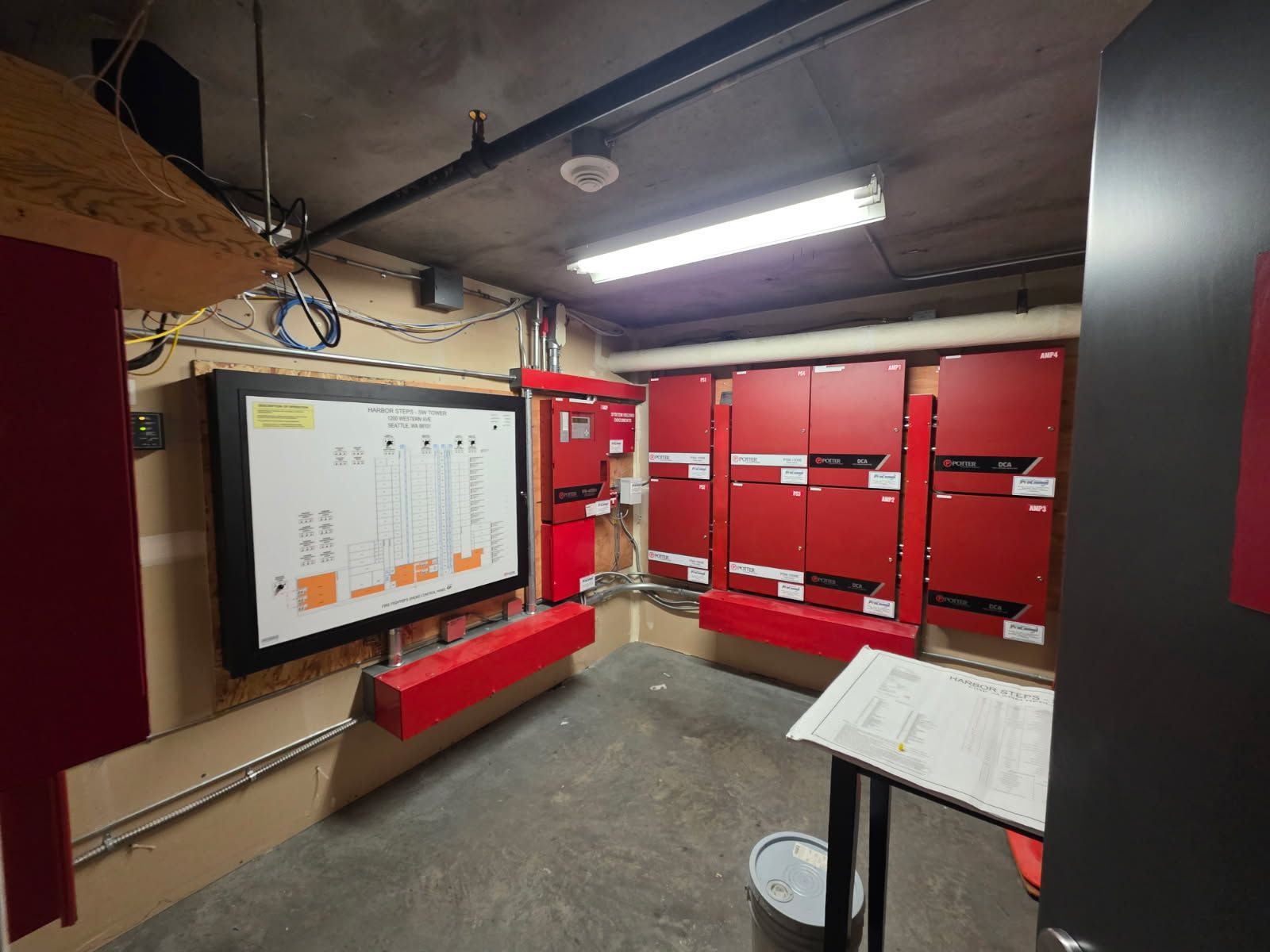
To secure a property in Seattle, residents must combine high-quality hardware with local regulatory compliance. In 2026, a functional alarm system requires a City of Seattle permit for monitored services, a strategic choice between DIY and professional installation, and integration with AI-driven verification to minimize false alarm fines and ensure rapid police response.
The landscape of home and business security in Seattle has evolved significantly. While the rainy Pacific Northwest climate remains a constant, the technology protecting Emerald City homes has shifted toward edge-computing AI and seamless smart-home integration. Navigating the options—from local boutique installers to national DIY giants—requires an understanding of both technical specifications and the specific municipal codes enforced by the Seattle Police Department (SPD).
Understanding Seattle’s Alarm Regulations and Permits
In Seattle, an alarm system is more than just hardware; it is a regulated service. The City of Seattle operates a strict "False Alarm Program" designed to reduce the number of unnecessary police dispatches. Before activating a monitored system, you must understand the legal framework governing its use.
The City of Seattle Burglar Alarm Permit
If you utilize a monitored alarm system within the Seattle city limits, you are required by municipal code to have a valid alarm permit. This permit links your address and emergency contact information to the Seattle Police Department's dispatch system.
As of 2026, the registration process is handled primarily online through the Seattle Police Department's alarm tracking portal. The permit is not a one-time fee; it typically requires an annual renewal. Failing to register your system or keep the permit current can result in substantial penalties. Most notably, the SPD may decline to dispatch officers to a non-permitted location unless there is independent verification of a crime in progress, such as a 911 call from a witness.
False Alarm Penalties and "Verified Response"
Seattle employs a tiered fine structure for false alarms. The city’s goal is to ensure that police resources are not wasted on motion detectors tripped by pets or doors left ajar by homeowners.
- First False Alarm: Often results in a warning or a nominal fee, provided the system is properly permitted.
- Subsequent Occurrences: Fines escalate sharply with each consecutive false alarm within a calendar year.
- The Verification Requirement: In 2026, many security providers in Seattle have moved toward "Video Verification." Because the SPD prioritizes calls with confirmed activity, systems that allow a monitoring agent to view a live feed during a trigger event receive faster dispatch times. Without this verification, your alarm may be treated as a lower-priority call.
Types of Alarm Systems for Seattle Properties
When selecting a system, the primary decision lies between professional grade installations and consumer-focused DIY kits. Both have found their niche in the Seattle market, catering to different lifestyles and property types.
Professionally Installed Systems
For larger homes in neighborhoods like Queen Anne or Madison Park, or for commercial properties in SoDo, professional installation remains the gold standard. Local companies such as Washington Alarm or Absolute Security provide custom-tailored solutions.
- Hardwired Reliability: Professionals can often utilize existing wiring or run new low-voltage lines, ensuring that sensors never lose power or signal due to wireless interference.
- Comprehensive Coverage: A professional technician performs a site survey to identify "blind spots" that a layperson might miss, such as second-story windows accessible via a deck or specific basement egress points.
- Integrated Fire and Life Safety: Professional systems often integrate smoke, heat, and carbon monoxide detectors directly into the security panel, providing 24/7 fire monitoring that functions even when the security alarm is disarmed.
DIY and "Hybrid" Security Solutions
The rise of companies like SimpliSafe, Ring (headquartered nearby in California but widely used here), and Abode has democratized home security. These systems are ideal for renters in Capitol Hill or Belltown who cannot drill holes in walls or for homeowners looking for a lower entry price point.
- Ease of Portability: If you move from one apartment to another, you can simply peel off the adhesive sensors and set them up at your new location.
- No Long-Term Contracts: Most DIY brands offer month-to-month monitoring subscriptions, allowing users to cancel or pause service without the hefty "early termination fees" associated with traditional 36-month contracts.
- Advanced Wireless Tech: By 2026, these systems utilize highly encrypted, long-range wireless protocols (like Matter and Thread) that are far more resistant to "jamming" than the wireless sensors of a decade ago.
Key Features for Seattle Security in 2026
Modern alarm systems have moved beyond simple door contacts and sirens. To truly protect a Seattle home, several advanced features have become essential.
AI-Driven Analytics and Deterrence
In 2026, "smart" cameras are standard. Rather than just recording motion, these systems use edge computing to distinguish between a delivery driver, a neighborhood cat, and a potential intruder hovering near a doorway.
Seattle residents frequently deal with "porch piracy." Modern systems combat this with active deterrence: when the camera identifies a person lingering without a package, it can trigger a localized chime or a voice alert ("You are being recorded") and flash a red LED ring. This proactive approach often prevents a break-in before it occurs.
Environmental Monitoring
Seattle’s climate presents specific risks. While sub-zero temperatures are rare, "Big Pipe Break" events during occasional deep freezes can cause more damage than a burglary.
- Flood Sensors: Placing these near water heaters, sump pumps, and under-sink areas can alert you to a leak before it ruins your flooring.
- Freeze Sensors: These notify you if your home’s internal temperature drops below a certain threshold (e.g., 45°F), warning you to drip your faucets or check your furnace.
Smart Home Ecosystem Integration
A modern Seattle alarm system should act as the "brain" of the home. Using the Matter protocol—which became the industry standard by 2025—your security system can communicate with smart locks, lighting, and thermostats regardless of the brand. For instance, when you arm your system to "Away" mode, the smart home can automatically lock all doors, turn off the lights, and lower the heat to save energy.
Comparing Seattle Alarm Service Providers
Choosing a provider involves balancing local expertise with technological features. Below is a comparison of the types of providers available in the Seattle metropolitan area in 2026.
| Provider Type | Examples | Best For | Typical Monthly Cost | Key Advantage |
|---|---|---|---|---|
| Local Specialists | Washington Alarm, Aronson Security | High-end residential & Commercial | $45 – $75 | Deep knowledge of Seattle permit laws and local response times. |
| National Full-Service | ADT, Vivint | Homeowners wanting "white glove" service | $50 – $90 | Extensive infrastructure and proprietary high-tech hardware. |
| DIY / No-Contract | SimpliSafe, Ring, Abode | Renters and budget-conscious homeowners | $20 – $40 | Flexibility, low upfront cost, and easy self-installation. |
| Tech-Integrated | Google Nest, Apple Home-compatible | Smart home enthusiasts | $15 – $30 | Seamless integration with mobile OS and existing smart speakers. |
Installation Costs and Monitoring Fees
The financial commitment for a Seattle alarm system is split into two categories: the initial hardware/labor cost and the recurring monitoring fee.
Initial Investment
- DIY Systems: You can expect to pay between $300 and $800 for a standard starter kit, which typically includes a base station, a keypad, three to five door/window sensors, a motion detector, and one outdoor camera.
- Professional Systems: These generally start at $800 and can exceed $3,000 for larger estates. This price includes the hardware and the labor of a licensed technician who ensures every component is synced and mounted correctly.
Monitoring Services
Monitoring is what makes an alarm system effective. Without it, your alarm is just a loud noise that your neighbors might ignore.
- Self-Monitoring: Many apps allow you to monitor your own cameras for free. However, if you are in a meeting or sleeping, you may miss the notification.
- Professional Monitoring: In 2026, this service generally costs between $25 and $60 per month. For this fee, a central station staffed 24/7 monitors your sensors. If an alarm is triggered, they attempt to contact you; if you don't answer or provide a "duress code," they contact Seattle emergency services.
Evaluating Neighborhood-Specific Security Needs
Seattle is a city of distinct neighborhoods, each with its own security profile. Your choice of alarm system should reflect your specific environment.
- High-Density Areas (Capitol Hill, Belltown): Focus on apartment-friendly internal sensors and smart locks. Since outdoor space is limited, internal motion sensors and "glass break" detectors (which listen for the specific frequency of shattering glass) are vital.
- Residential Hubs (Ballard, West Seattle): These areas benefit from a "perimeter-first" approach. Outdoor cameras with AI human detection and motion-activated floodlights are the first line of defense against garage or shed break-ins.
- Waterfront or Sloped Properties (Magnolia, Blue Ridge): These properties often have multiple entry points at different elevations. A professional site survey is recommended to ensure that all points of entry, including basement sliders and deck doors, are covered.
Preventing False Alarms in the Seattle Area
Given the strictness of the Seattle Police Department regarding false dispatches, users must take active steps to maintain their system’s integrity.
- User Training: Ensure every member of the household (and regular visitors like dog walkers) knows how to disarm the system and understands the "cancel" procedure.
- Maintenance: Modern wireless sensors use long-life lithium batteries, but they still need to be checked annually. A low battery can cause a sensor to "flutter," triggering a false alarm.
- Pet Immunity: If you have a large dog, ensure your motion sensors are "pet-immune" up to the correct weight. Older or cheaper sensors often mistake a 60-pound Golden Retriever for a human intruder.
- Secure Window Treatments: In Seattle’s windy seasons, curtains blowing near an open window can trigger a PIR (Passive Infrared) motion sensor. Ensure windows are closed tightly when the system is armed.
Frequently Asked Questions
Do I need a permit for a doorbell camera in Seattle?
If the doorbell camera is standalone and not connected to a professional monitoring service that dispatches police, you generally do not need a city alarm permit. However, if the camera is part of a larger system (like ADT or Vivint) where a dispatcher calls the police on your behalf, a permit is mandatory.
What happens if my alarm goes off and I’m not home?
If you have professional monitoring, the central station will first attempt to call your primary and secondary phone numbers. If they cannot reach you or if you confirm there is an emergency, they will contact the Seattle Police Department. If you have a "Verified Response" system, they may also share a video clip with dispatch to prioritize the call.
Can I install my own security cameras and skip the monthly fee?
Yes, this is known as "self-monitoring." You will receive notifications on your smartphone if motion is detected. The drawback is that if you are out of cell service range or your phone is off, no one is watching your home, and the police will not be automatically notified.
Are wireless alarm systems easy to hack?
In 2026, most reputable alarm systems use "rolling code" technology and AES-256 bit encryption, making them extremely difficult to hack. They are significantly more secure than the unencrypted wireless systems of the early 2010s.
Does a home security system lower my insurance in Seattle?
Most homeowners insurance providers in Washington State offer a discount for properties with a monitored alarm system. The discount is often higher if the system includes fire and flood monitoring. Check with your insurance agent to see if the savings offset the cost of your monthly monitoring.
Final Recommendation for Seattle Residents
For the average Seattle homeowner in 2026, the most effective security strategy is a hybrid approach. Start by registering for a City of Seattle Alarm Permit to ensure legal compliance. Select a system that offers Video Verification to guarantee the highest priority for police dispatch. For renters or those in smaller homes, a DIY system with professional monitoring provides the best balance of cost and protection. For owners of larger or more complex properties, investing in a professionally installed system from a local provider like Washington Alarm ensures that the unique architectural nuances of your home are fully protected against both intrusion and environmental hazards.