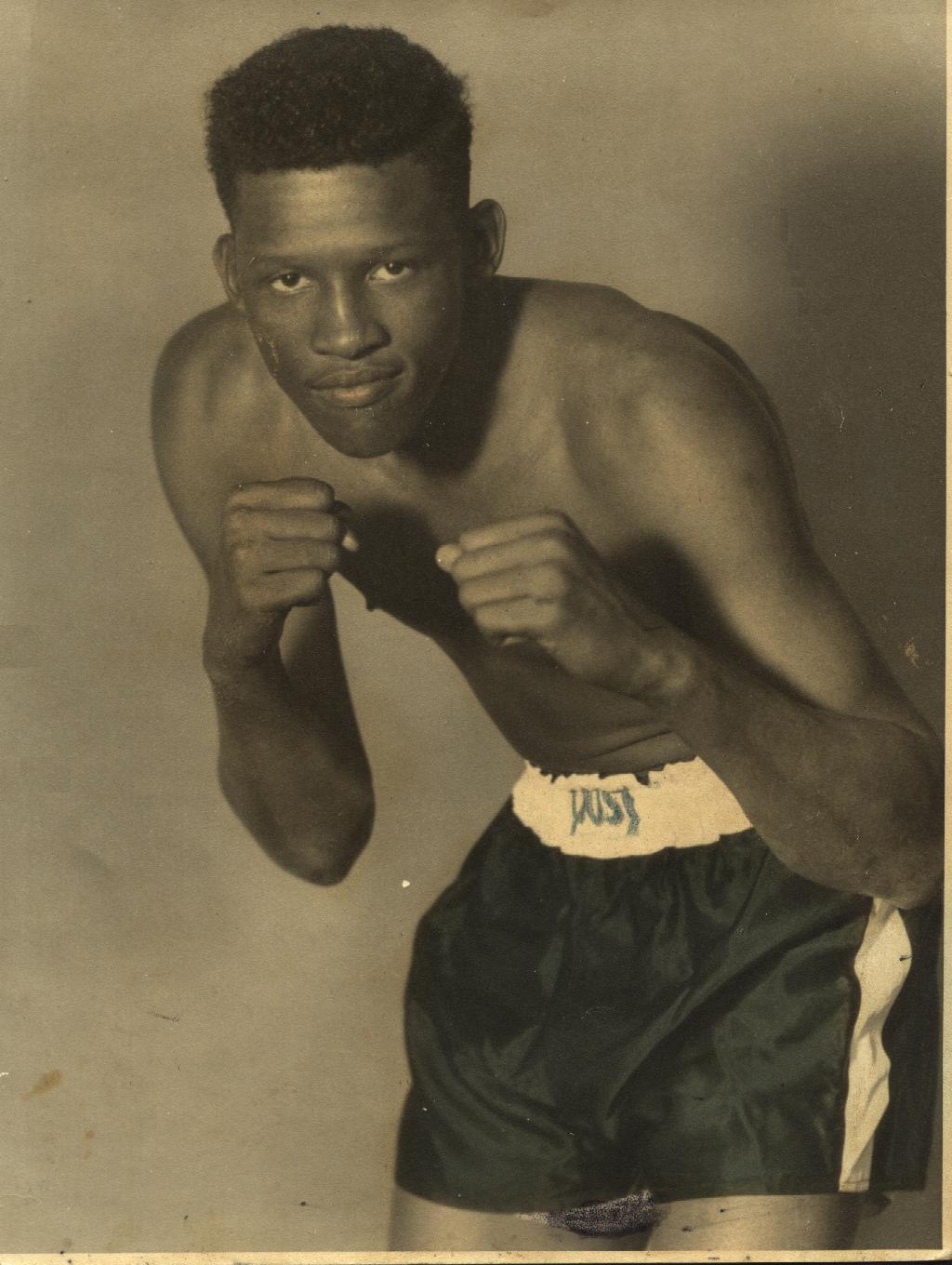
Former IBF Cruiserweight Champion Alfred "Ice" Cole holds an estimated net worth between $1 million and $3 million. His accumulated wealth stems primarily from his professional boxing career spanning over two decades, highlighted by his world title reign in the early 1990s, high-profile heavyweight bouts, and post-retirement work as a veteran boxing coach and trainer.
Estimated Net Worth of Alfred "Ice" Cole
Pinpointing the exact net worth of retired professional boxers from the pre-pay-per-view boom of the 1990s requires examining gross fight purses, mandatory deductions, and post-ring revenue streams. Unlike modern combat sports figures whose pay packages are frequently published by athletic commissions or leaked via contract disputes, fighters of Alfred "Ice" Cole’s era operated in a financial landscape governed by boutique promotional contracts and varying state commission reporting standards.
Independent financial evaluations and sports economics estimates place Cole’s net worth between $1 million and $3 million.
- Estimated Net Worth: $1,000,000 – $3,000,000
- Primary Source of Wealth: Professional Boxing Purses (1989–2011)
- Peak Championship Title: IBF Cruiserweight World Champion (1992–1995)
- Secondary Income: Boxing Training, Coaching, Appearance Fees
During his peak competitive years from 1992 to 1995, Cole dominated the International Boxing Federation (IBF) cruiserweight division, earning substantial purses for championship bouts in the United States and abroad. His subsequent move to the heavyweight division unlocked higher baseline bout guarantees against marquee names, providing the foundation for his long-term financial security.
Boxing Career Arc and Primary Purse Drivers
To understand how Alfred Cole accumulated his career earnings, it is necessary to examine the key financial phases of his athletic career: his ascent as a prospect, his world title reign at cruiserweight, and his long stint in the lucrative heavyweight division.
The Rise and IBF Cruiserweight Championship Reign (1989–1995)
After turning professional in 1989 following a successful amateur stint, Cole rapidly climbed the ranks of the cruiserweight division (200-pound limit). Standing 6 feet 4 inches with an 80-inch reach, Cole utilized a disciplined jab and tactical range control to outmaneuver opponents.
His major financial breakthrough occurred on July 30, 1992, when he challenged James Warring for the IBF Cruiserweight Title in Norfolk, Virginia. Cole secured a 12-round unanimous decision victory, capturing his first world championship and stepping into the upper tier of division fight purses.
As champion, Cole defended his title six times between 1992 and 1995. Championship defenses during this era represented a fighter’s most consistent income source, backed by television broadcast rights from cable networks like HBO, Showtime, and ESPN.
Cole’s notable title defenses included:
- Glenn McCrory (July 1993): Travelled to Moscow, Russia, for a high-profile international title defense, earning a substantial fight purse that included foreign broadcast licensing rights.
- Vincent Boulware (December 1993): Successfully defended via 5th-round TKO in Atlantic City, New Jersey, securing primary network main-event compensation.
- Uriah Grant (August 1994 & June 1995): Engaged in two grueling 12-round battles against Grant, both resulting in unanimous decision victories for Cole and generating solid pay-per-view undercard or premium cable main-event fees.
Moving Up to Heavyweight (1996–2011)
In 1995, Cole made the strategic decision to vacate his IBF Cruiserweight title to move up to the heavyweight division. Historically, the heavyweight division offers significantly higher purse guarantees, even for non-title fights, due to broader public interest and higher network licensing fees.
Though undersized compared to the era's emerging super-heavyweights, Cole capitalized on his championship pedigree to secure paydays against top-tier heavyweight contenders, world champions, and rising prospects, including:
- Tim Witherspoon (1996): A hard-fought decision loss against the former two-time heavyweight champion in a major televised event.
- Hasim Rahman (1997): Fought to a 10-round draw against Rahman, who would later go on to knock out Lennox Lewis for the unified heavyweight championship.
- Corrie Sanders (1998): Challenged the hard-hitting South African contender in a bout that carried significant international television distribution.
- Oleg Maskaev (1999) & Jameel McCline (2001): High-level heavyweight matchups that paid competitive main-card purses.
Cole continued to fight professionally until 2011, leveraging his reputation as a durable veteran test for rising fighters worldwide.
Career Milestones and Financial Breakdown
The table below outlines key milestones in Alfred Cole’s professional career, detailing the event contexts and financial significance of each phase.
| Career Phase | Timeframe | Key Opponents / Events | Division | Financial Significance |
|---|---|---|---|---|
| Prospect Era | 1989–1991 | Early regional bouts (Atlantic City, NY) | Cruiserweight | Standard entry-level purses ($1,000–$5,000 per fight) establishing regional marketability. |
| World Title Win | July 1992 | James Warring (IBF Title Bout) | Cruiserweight | Secured career-first six-figure purse opportunity and championship escalation clauses. |
| Title Defense Era | 1992–1995 | Glenn McCrory, Uriah Grant, Nate Miller | Cruiserweight | Consistent high-end fight purses ($100k–$300k+ per fight) supported by premium cable broadcasts. |
| Heavyweight Transition | 1996–2001 | Tim Witherspoon, Hasim Rahman, Oleg Maskaev | Heavyweight | Peak single-fight purse potential; entry into boxing’s highest-grossing weight division. |
| Veteran / Journeyman Era | 2002–2011 | Sultan Ibragimov, Timur Ibragimov, Lance Whitaker | Heavyweight | Reliable main-card opponent purses, international travel fees, and gate revenues. |
| Post-Fight Career | 2012–Present | Personal Training, Coaching, Gym Consultations | N/A | Ongoing recurring income via private training, corner fees, and boxing appearances. |
Anatomy of Boxing Purses: Gross vs. Net Earnings
Understanding the net worth of a professional athlete like Al Cole requires analyzing the standard financial deductions that affect gross fight purses. A published purse figure of $250,000 for a world title fight does not translate directly into liquid net worth for the athlete.
- Gross Purse Guaranteed by Promoter
- 33.3% Promoter & Manager Commissions
- 10.0% Head Trainer & Corner Staff Fees
- 2.0% Sanctioning Body Fees (e.g., IBF, WBA, WBC)
- 5.0% Training Camp Expenses (Sparring partners, facility access)
- Taxes Federal, State, and Foreign Income Taxes (25%–35%)
- Net Take-Home Pay (Typically 30% to 45% of Gross Purse)
1. Management and Promotional Fees
During the 1990s, standard management contracts typically claimed between 20% and 33.3% of a boxer's gross purse. Promoters also retained significant percentages from television broadcast rights and ticket sales before disbursing guaranteed purses.
2. Trainer and Corner Staff Expenditures
A championship-level camp requires specialized coaching. Head trainers typically receive 10% of the gross fight purse, while cutmen, assistant trainers, and strength conditioning coaches receive fixed fees or smaller percentage cuts.
3. Training Camp Costs
Preparing for a 12-round IBF title defense involves dedicated facility rentals, specialized nutrition, and paid sparring partners. Hiring high-quality sparring partners to mimic an opponent's style often costs between $500 and $1,500 per week plus travel and housing expenses.
4. Sanctioning Body Fees
To fight for or defend a major world title like the IBF belt, sanctioning bodies charge championship fees—typically 2% to 3% of the fighter’s gross purse per bout. Over six title defenses, these fees represent a meaningful deduction from gross earnings.
5. Income Taxation
Boxers face rigorous tax structures. Bouts held in states like New Jersey, Nevada, or New York—or international venues like Russia—are subject to state, federal, and local withholding taxes. Combined tax obligations frequently consume 25% to 35% of a fighter's gross income.
Because of these mandatory deductions, a champion earning $1,000,000 in gross purses over a title reign often retains approximately $350,000 to $450,000 in net personal wealth prior to everyday living expenses and long-term investments.
Post-Retirement Revenue and Wealth Preservation
Following his final professional bout in 2011, Alfred Cole transitioned into secondary income streams within the combat sports industry. Unlike high-profile superstars who rely on major corporate sponsorships, mid-to-upper tier champions sustain their wealth through practical industry skills and sports-related services.
- Post-Retirement Revenue Streams
- Private & Corporate Boxing Coaching
- Professional Fighter Corner Services
- Seminar Hostings & Fan Memorabilia Signings
- Gym Consultations & Athletic Mentorship
Professional Coaching and Training
Cole has leveraged his technical mastery to train up-and-coming professional fighters, amateur boxers, and fitness clients. Experienced former world champions command premium rates for private instruction, corner services, and tactical preparation.
Appearances and Boxing Community Engagement
As a recognized former world champion, Cole participates in boxing conventions, fan meet-and-greets, and regional combat sports events. These appearances yield regular supplemental income alongside memorabilia sales and autographed merchandise.
Financial Longevity Strategies
For fighters of Cole’s generation, preserving wealth required avoiding common financial pitfalls, such as poorly structured promotional contracts, aggressive litigation, or speculative investments. By maintaining an active role in coaching and fitness management, Cole has successfully preserved his financial independence long past his competitive prime.
Frequently Asked Questions
What is Al Cole's estimated net worth?
As of 2026, Alfred "Ice" Cole's estimated net worth is between $1 million and $3 million. This valuation is based on his career boxing purses, world championship title defenses, heavyweight fight guarantees, and post-retirement coaching income.
What titles did Al Cole win during his boxing career?
Al Cole won the IBF Cruiserweight Title on July 30, 1992, defeating James Warring by unanimous decision. He successfully defended the title six times before vacating it in 1995 to step up to the heavyweight division.
How much did cruiserweight boxers make in the 1990s?
Cruiserweight purses in the 1990s typically ranged from $50,000 to $300,000+ for major world title fights, depending on network television backing (such as HBO or Showtime) and foreign broadcast licensing. While less lucrative than the heavyweight division, top-tier cruiserweights earned consistent six-figure paydays for world title defenses.
Who were Al Cole's most notable opponents?
Throughout his 54-fight professional career, Cole fought several world champions and top contenders, including James Warring, Glenn McCrory, Tim Witherspoon, Hasim Rahman, Corrie Sanders, Oleg Maskaev, and Jameel McCline.
What was Al Cole's final professional boxing record?
Alfred Cole finished his professional boxing career with a record of 35 wins (16 by knockout), 16 losses, and 3 draws.
Summary and Practical Financial Context
Alfred "Ice" Cole's net worth reflects a long, resilient career in professional sports. By building a dominant world-championship reign in the IBF cruiserweight division and moving to the heavyweight division to maximize purse earnings, Cole achieved long-term financial stability.
For sports analysts, young fighters, and fans examining combat sports economics, Cole’s career highlights the difference between gross fight figures and actual net wealth. Long-term wealth preservation in boxing depends heavily on managing camp expenses, minimizing promotional deductions, avoiding tax missteps, and establishing a sustainable post-ring career in training, coaching, or sports management.
Financial Disclaimer: Financial estimates regarding professional athlete net worths are derived from historical fight purse disclosures, industry standards, public records, and sports economic analysis. They are provided for informational and educational purposes only.