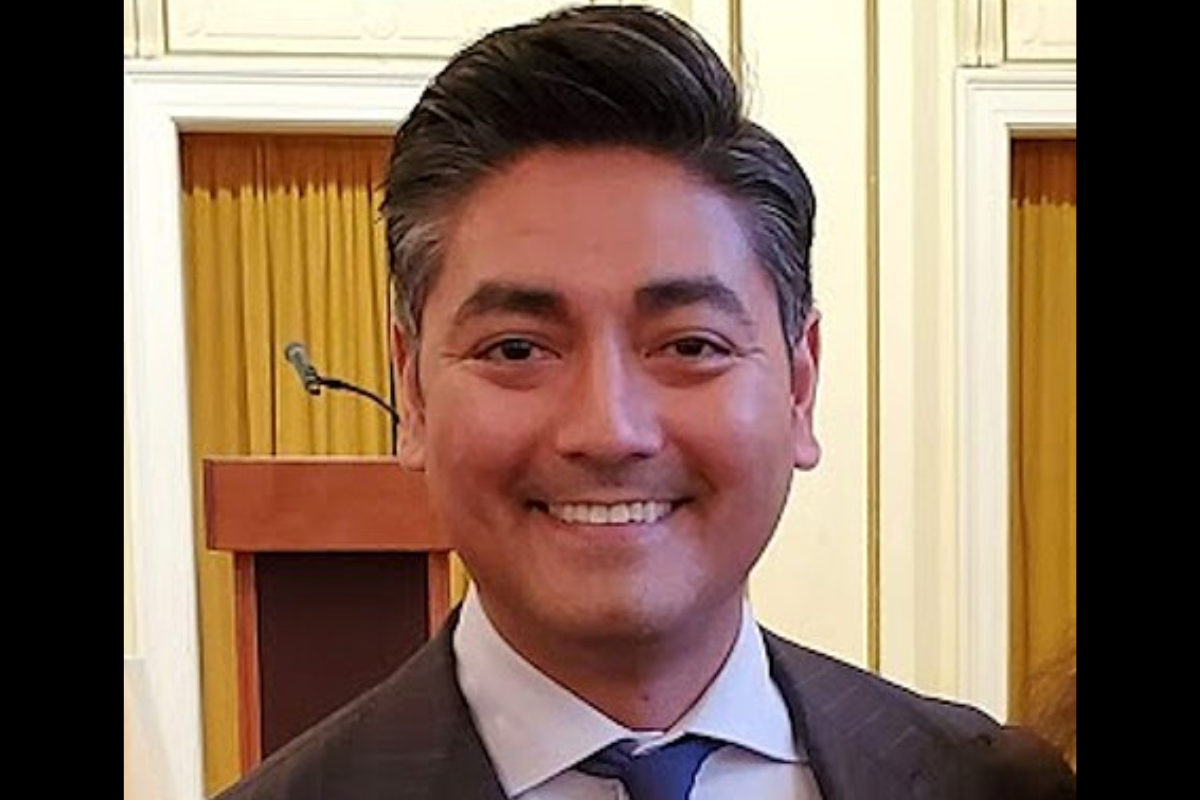
Mayor Aftab Pureval has secured Cincinnati’s future by implementing a multi-generational financial strategy centered on the $1.6 billion sale of the Cincinnati Southern Railway, aggressive "Connected Communities" zoning reforms, and the 2023 Green Cincinnati Plan. By 2026, these initiatives have created a sustainable infrastructure fund and expanded housing accessibility across the city.
Since taking office as Cincinnati’s 70th mayor, Aftab Pureval has pivoted the city’s trajectory from short-term recovery to long-term systemic stability. His administration has focused on the "three pillars" of modern urban governance: fiscal sustainability, housing equity, and climate resilience. By moving away from a reliance on volatile tax bases and toward permanent endowment models, the Pureval administration has insulated Cincinnati from many of the economic fluctuations affecting other Midwestern urban centers. This analysis explores the specific mechanisms, legislative victories, and infrastructure projects that define how Aftab Pureval is securing the city’s future through 2026 and beyond.
The Landmark $1.6 Billion Railway Sale: A Financial Foundation
The most significant action taken to secure Cincinnati’s financial future was the sale of the Cincinnati Southern Railway (CSR) to Norfolk Southern. Historically, Cincinnati was the only city in the United States to own a long-distance railway. For decades, the city leased the tracks, receiving annual payments that fluctuated but generally supported the general fund or specific infrastructure projects. However, the Pureval administration recognized that the lease model was becoming increasingly risky and capped in its potential.
In 2023, voters approved the sale of the railway for $1.6 billion. By 2026, this capital has been transitioned into a professionally managed trust fund. The mechanics of this fund are designed to protect the principal while allowing the city to spend the investment returns exclusively on maintaining and improving existing infrastructure—roads, bridges, and municipal buildings.
The Infrastructure Trust Fund Mechanics
The trust fund operates under strict governance rules to prevent political raiding of the principal. Under the terms established during the sale, the city can only utilize the investment income. In an average market, a 5% return on a $1.6 billion principal yields approximately $80 million annually. This is a massive increase over the roughly $25 million the city received under the previous lease agreement.
This steady stream of revenue allows Cincinnati to tackle a multi-billion dollar deferred maintenance backlog without raising property taxes or issuing excessive municipal bonds. By 2026, residents have already begun to see the impact in accelerated street paving schedules and the rehabilitation of historic park structures that had been neglected for years. For more information on the trust's governance, the Cincinnati Southern Railway Board provides historical context and current oversight structures.
Revolutionizing Urban Living: The Connected Communities Initiative
To secure a future where the city remains affordable and vibrant, Mayor Pureval spearheaded the "Connected Communities" initiative. This was a comprehensive overhaul of the city’s zoning code, aimed at reversing decades of exclusionary practices that limited housing density.
Density and Transit-Oriented Development
Before these reforms, much of Cincinnati was zoned exclusively for single-family homes, which contributed to rising rents and limited availability as the city’s population began to grow again. The Pureval administration pushed through legislation that allows for "middle housing"—duplexes, triplexes, and fourplexes—by right in areas near major transit corridors.
By 2026, this policy has resulted in a visible shift in the city’s development pipeline. New construction is no longer concentrated solely in the urban core of Over-the-Rhine or Downtown; it is spreading to neighborhoods like Bond Hill, Price Hill, and Avondale. This strategy serves two purposes:
- Supply-Side Relief: By increasing the number of units available, the city has slowed the rate of rent increases compared to peer cities like Columbus or Indianapolis.
- Transit Efficiency: Higher density along bus routes makes the Metro transit system more viable and efficient, reducing the city's overall carbon footprint.
Abolishing Minimum Parking Requirements
A technical but vital component of securing Cincinnati’s future was the removal of mandatory parking minimums for new developments in transit-friendly zones. These requirements often added tens of thousands of dollars to the cost of a single housing unit. By removing these mandates, the Pureval administration lowered the barrier for developers to build affordable units and encouraged a more walkable, less car-dependent urban environment.
Bridging the Gap: Infrastructure and the Brent Spence Project
Securing the city’s future also required a massive investment in regional connectivity. The Brent Spence Bridge, which carries I-71 and I-75 across the Ohio River, has been a bottleneck for national commerce for decades. Under Mayor Pureval’s leadership, the city worked closely with the Kentucky and federal governments to secure nearly $3 billion in federal funding through the Bipartisan Infrastructure Law.
By 2026, construction on the "Companion Bridge" is well underway. This project is not just about moving cars; it is about reclaiming land. The design includes a significant reduction in the footprint of the highway interchanges on the Cincinnati side, potentially freeing up acres of prime real estate for development in the West End and Downtown. This "re-stitching" of the urban fabric addresses historical wrongs where highway construction displaced thousands of predominantly Black residents in the mid-20th century. Detailed project updates can be found via the U.S. Department of Transportation.
The Green Cincinnati Plan: Environmental Resilience
A city’s future cannot be secure if it is not resilient to the impacts of climate change. In 2023, Mayor Pureval and the Office of Environment and Sustainability launched the updated Green Cincinnati Plan (GCP). The plan outlines over 100 strategies to reduce the city’s carbon emissions by 100% by 2050.
Key Milestones by 2026
As of 2026, several key components of the GCP have been successfully implemented:
- The New Market Solar Array: One of the largest municipal solar installations in the country is now fully operational, providing clean energy to power city operations and reducing the municipal utility bill.
- Lead Service Line Replacement: The administration accelerated the replacement of lead water pipes, securing the health of the city's youngest residents.
- Urban Heat Island Mitigation: Through massive tree-planting initiatives in "heat-stressed" neighborhoods, the city has begun to lower peak summer temperatures in formerly redlined areas.
By prioritizing environmental justice, the Pureval administration ensures that the benefits of a "green" city are distributed equitably, protecting vulnerable populations from rising energy costs and climate-related health risks.
Economic Growth and the Silicon Heartland Pivot
Mayor Pureval has positioned Cincinnati as a central player in the "Silicon Heartland" narrative. With Intel’s massive investment in nearby New Albany and the continued growth of the Cincinnati Innovation District in Uptown, the city is aggressively courting tech talent and venture capital.
The administration’s strategy involves leveraging the presence of three Fortune 500 companies (Procter & Gamble, Kroger, and Western & Southern) to foster a startup ecosystem. By 2026, the city has seen a significant increase in "spin-off" companies in the biotech and consumer-packaged goods (CPG) sectors. The goal is to ensure that graduates from the University of Cincinnati and Xavier University stay in the region, securing a high-skilled tax base for decades to come.
| Strategic Area | Key Initiative | Long-Term Impact (2026 & Beyond) |
|---|---|---|
| Finance | Railway Sale ($1.6B) | Permanent $80M+ annual infrastructure fund. |
| Housing | Connected Communities | Increased density and stabilized rent growth. |
| Climate | 2023 Green Cincinnati Plan | Carbon neutrality target and lower energy costs. |
| Transport | Brent Spence Bridge | Enhanced regional logistics and reclaimed land. |
| Safety | Pivot to Peace | Reduced violent crime through community intervention. |
Public Safety and Holistic Governance
Securing a city's future requires more than just balanced books; it requires a safe environment for families and businesses. Mayor Pureval has moved Cincinnati toward a more holistic model of public safety. While maintaining support for the Cincinnati Police Department, the administration has doubled down on Community Violence Intervention (CVI) programs like "Pivot to Peace."
These programs treat violence as a public health issue, using street advocates and social services to interrupt cycles of retaliation. By 2026, these efforts have contributed to a measurable decrease in gun violence, particularly among the city’s youth. By reducing the reliance on traditional policing for non-violent crises—such as mental health episodes—the city has more effectively allocated its public safety resources.
Fiscal Responsibility in a Post-ARPA Era
Many American cities faced a "fiscal cliff" in 2025 as federal COVID-19 relief funds (ARPA) expired. Mayor Pureval secured Cincinnati’s future by planning for this transition years in advance. Rather than using one-time federal funds for recurring operational costs, the administration directed those dollars toward one-time capital investments and "seed" programs.
By 2026, Cincinnati’s budget remains balanced and its bond rating high. This fiscal discipline has allowed the city to maintain essential services—garbage collection, fire response, and park maintenance—without the drastic cuts seen in other municipalities.
FAQ: Understanding Cincinnati’s Future Under Aftab Pureval
How does the railway sale impact my property taxes?
The sale of the Cincinnati Southern Railway is intended to alleviate pressure on the city's general fund. By creating a dedicated revenue stream for infrastructure, the city can avoid or minimize the need for new property tax levies specifically for road and bridge repairs. In 2026, this has helped keep Cincinnati’s municipal tax rate stable despite inflationary pressures.
What is the "Connected Communities" policy?
Connected Communities is a series of zoning reforms passed under the Pureval administration. It allows for higher-density housing (like duplexes and small apartment buildings) to be built near transit hubs and major streets without the need for special variances. The goal is to increase the housing supply, which naturally keeps prices more competitive and makes the city more walkable.
Will the Brent Spence Bridge project include tolls?
No. One of the major victories for the Pureval administration and its regional partners was securing enough federal grant money to move forward with the Brent Spence Bridge Corridor project without implementing tolls. This ensures that the economic benefits of the bridge remain accessible to all residents and businesses in the region.
How is the Green Cincinnati Plan being funded?
The plan is funded through a combination of municipal budget allocations, federal grants from the Inflation Reduction Act, and public-private partnerships. The New Market Solar Array, for instance, was structured to pay for itself over time through energy savings, ensuring that environmental progress does not come at a long-term cost to the taxpayer.
Is Cincinnati's population growing under these policies?
Yes. Census data through 2025 and 2026 indicates that Cincinnati is experiencing its most consistent growth in decades. The combination of tech job growth, relative affordability compared to coastal cities, and a focus on urban amenities has made the city an attractive destination for young professionals and families alike.
Moving Forward: Next Actions for Residents
To fully benefit from the future Aftab Pureval has secured, residents should engage with the city’s new tools and programs. For those looking to improve their neighborhoods, the City of Cincinnati Community Development portal offers resources on how to navigate the new Connected Communities zoning and apply for neighborhood improvement grants funded by the railway trust. Additionally, homeowners can take advantage of the Green Cincinnati Plan’s incentives for energy efficiency audits and solar installations, further reducing their own cost of living while contributing to the city's collective resilience.