While Aetna is widely recognized as a major national health insurance carrier offering medical, dental, and pharmaceutical benefit plans, it is not a direct provider of workers’ compensation insurance. Workers’ compensation is a specialized form of commercial insurance managed by state-regulated carriers, whereas Aetna generally functions as a third-party administrator (TPA) or a network partner that facilitates medical billing and care coordination for employers and insurers.
Distinguishing Health Insurance from Workers’ Compensation
To understand how Aetna interacts with workplace injuries, one must first distinguish between group health insurance and workers’ compensation insurance. Group health insurance covers non-work-related illnesses and injuries. It is a benefit provided by an employer to employees to manage general healthcare costs.
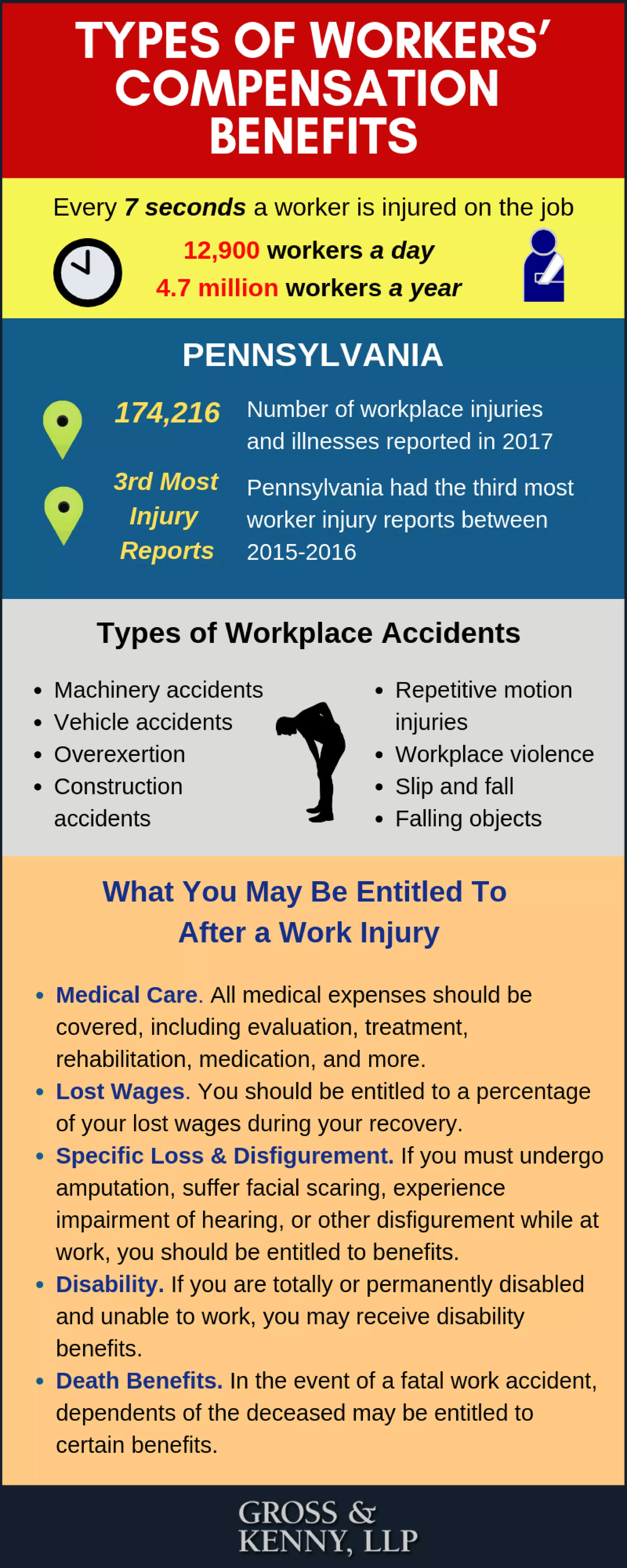
Workers’ compensation, by contrast, is a state-mandated insurance program that employers are legally required to carry. Its primary purpose is to provide medical benefits, wage replacement, and disability compensation for employees who suffer injuries or occupational illnesses arising directly out of their employment. Because these two systems operate under different regulatory frameworks, funding sources, and legal mandates, they are strictly separated in insurance operations. Aetna’s core business is centered on the former, not the latter.
Aetna as a Third-Party Administrator (TPA)
The misconception that Aetna is a "workers’ compensation provider" often stems from its role as a service provider for large corporations and insurance companies. Large companies that choose to "self-insure" their workers’ compensation liabilities often hire professional administrators to handle the logistical aspects of their claims.
In this context, an entity like Aetna may be contracted to provide medical network access. If an employee is injured on the job, the medical providers—hospitals, surgeons, and physical therapists—are often part of a network that Aetna manages. Aetna’s role here is to process the medical bills, apply negotiated rates to those charges, and ensure that the care provided falls within approved clinical guidelines. They act as the administrative engine for medical care, but they are not the entity bearing the financial risk of the workers’ compensation claim itself.
The Role of Medical Provider Networks (MPNs)
One of the most critical aspects of workers’ compensation is the Medical Provider Network. States often allow or require insurers to use specific networks of doctors who are familiar with workplace injuries and the reporting requirements involved.
Aetna manages extensive provider networks across the United States. In some configurations, a workers’ compensation insurance carrier may partner with Aetna to utilize their nationwide directory of physicians. When an injured worker visits a doctor in the Aetna network, the doctor uses Aetna’s billing and administrative protocols. This creates a functional bridge where the patient sees the Aetna brand name on documents and portals, leading to the assumption that Aetna is the insurer. It is important for the injured worker to understand that while Aetna is managing the billing or the network, the ultimate responsibility for the claim—and the approval of benefits—remains with the employer’s actual workers’ compensation insurance carrier.
Navigating Claims: Who Actually Pays?
When an injury occurs, it is essential to clarify the correct coverage path. If you are injured on the job, you should not initially file the claim under your personal health insurance or your employer’s group health plan. Doing so can lead to claim denials, as health insurance carriers typically exclude workplace injuries.
| Feature | Group Health Insurance (Aetna) | Workers' Compensation |
|---|---|---|
| Primary Goal | General health maintenance | Workplace injury recovery |
| Financial Liability | Insurance carrier/Employer | Employer or State Fund |
| Legal Mandate | Voluntary/Employer-provided | State-mandated requirement |
| Provider Network | General Medical Network | Occupational Health/Specialized |
| Billing Entity | Health Plan | Workers' Comp Carrier (or TPA) |
If you encounter an "Aetna" portal in the context of a workplace injury, it is likely acting as a "carve-out" provider. Carve-out programs are specific arrangements where a health insurance carrier is paid a fee to manage only the medical portion of a workers’ compensation claim. This allows the insurer to maintain continuity of care for the employee while the workers' compensation carrier handles the indemnity (wage replacement) and legal elements of the case.
Prerequisites for Claim Processing
If your employer uses a system administered by Aetna for medical claims associated with workplace injuries, you will generally be required to follow specific steps:
- Immediate Notification: You must report the injury to your direct supervisor immediately. In most jurisdictions, failing to report an injury within a specific timeframe (often 30 to 90 days) can forfeit your right to benefits.
- Designated Medical Facilities: Check if your employer has a designated facility or an "Aetna-networked" clinic. Going to a non-approved facility may result in billing complications.
- Information Disclosure: When arriving at the doctor’s office, inform the front desk clearly that the visit is for a "work-related injury." Providing your standard health insurance card may result in the claim being filed incorrectly, which can cause significant delays.
- Case Verification: Obtain the claim number and the contact information for your employer’s actual workers’ compensation insurance carrier. Do not rely solely on the Aetna provider representative for updates regarding your wage replacement benefits, as they typically only oversee the medical billing side.
Potential Challenges and Troubleshooting
One common point of confusion arises when medical bills are accidentally submitted to the wrong entity. For instance, if a doctor’s office submits an invoice for a workplace injury to your Aetna medical insurance plan, Aetna will likely reject the claim because their policy excludes workplace injuries.
If this happens, you should:
- Contact the medical provider’s billing department and ensure they have the name and address of the correct workers’ compensation insurance carrier.
- Request that the provider "re-bill" the claim as a workers’ compensation claim.
- Monitor your "Explanation of Benefits" (EOB) statements to ensure that charges are not being deducted from your personal health insurance deductible or out-of-pocket maximums.
If Aetna continues to show the claim on your portal, contact their customer service to clarify that the service was for a work-related injury and that it should not be associated with your group health insurance account.
Legal and Financial Limitations
It is critical to remember that workers’ compensation laws are determined at the state level. While administrative entities like Aetna operate nationally, they must comply with the specific statutes of the state where the injury occurred. Some states are very restrictive regarding which providers an employee can see, while others allow for more flexibility.
Because workers’ compensation is a no-fault system, the employer’s insurer pays for the medical care regardless of who caused the accident. However, the insurer also gains certain rights, such as the ability to choose or restrict the medical providers. If you feel your care is being limited by an Aetna-managed network in a way that hinders your recovery, you have the right to appeal these decisions through your state’s workers’ compensation board or commission.
Expert Guidance for Injured Employees
If you are currently navigating a claim, your primary resource is the workers' compensation board in your state. Every state provides a website that lists the rights of the injured worker, including the right to choose a physician and the process for appealing denied medical treatment.
Do not assume that the administrative entity managing the medical portal has the final say on your benefits. If you are experiencing difficulty obtaining authorization for a necessary surgery or diagnostic test, do not rely solely on the third-party administrator. Escalate the issue to the adjuster assigned to your claim at the actual insurance carrier.
Frequently Asked Questions
Does Aetna pay for my lost wages if I am injured at work? No. Aetna, when acting as a medical administrator, manages the billing and network access for medical services. They do not oversee or issue wage replacement (indemnity) benefits. Those are managed directly by your employer’s workers' compensation insurance carrier.
Can I use my regular Aetna doctor for a work injury? This depends on your state's regulations and your employer's policy. Some states allow you to see your own doctor, while others require you to use providers from a specific network. Even if your doctor is in the Aetna network, you must verify that they are authorized to perform work-related injury evaluations.
Why does my Aetna account show a workers' compensation claim? This often happens if a medical provider mistakenly billed your group health plan or if Aetna is acting as the medical network manager for your employer's workers' compensation plan. You should clarify with the provider that the claim is for a work-related injury.
What happens if Aetna denies a medical procedure for my work injury? An "Aetna denial" in this context is usually a result of clinical review. If a procedure is denied, you should contact the insurance adjuster handling your workers' compensation case. They are the party responsible for the approval of treatment, and they can provide the formal path for an appeal.
Is Aetna involved in any state-run workers' compensation funds? In some instances, state funds may contract with national networks for medical provider access. However, the state fund remains the primary provider. Aetna's role is strictly as a vendor providing the administrative network, not as the insurer.
Final Recommendation
If you are injured on the job, prioritize the official claim process over the administrative tools provided by medical insurers. Immediately notify your employer, obtain the name and contact details of the workers' compensation insurance adjuster, and ensure your medical providers are aware that they are submitting claims to the workers' compensation carrier, not your group health plan. If you encounter hurdles with medical billing or authorization, contact your state’s workers’ compensation regulatory board for guidance on your legal rights and local procedural requirements.