Alabama plays a foundational role in the United States aerospace and defense sector, driven by major manufacturing hubs, advanced research centers, and a deep-rooted historical pipeline of engineering talent. From designing heavy-lift rockets in Huntsville to maintaining military aircraft in Mobile, aerospace companies in Alabama driving growth contribute billions of dollars to the state economy while accelerating innovations in space exploration, defense systems, and commercial aviation.
Understanding how aerospace companies in Alabama drive growth requires examining the specific regional ecosystems, major industry players, workforce development pipelines, and advanced manufacturing technologies that anchor the state's competitive advantage. This sector encompasses major prime contractors, specialized Tier-1 and Tier-2 suppliers, and cutting-edge research facilities working in tandem to support domestic and global aerospace infrastructure.
The Historical and Strategic Foundation of Alabama's Aerospace Hub
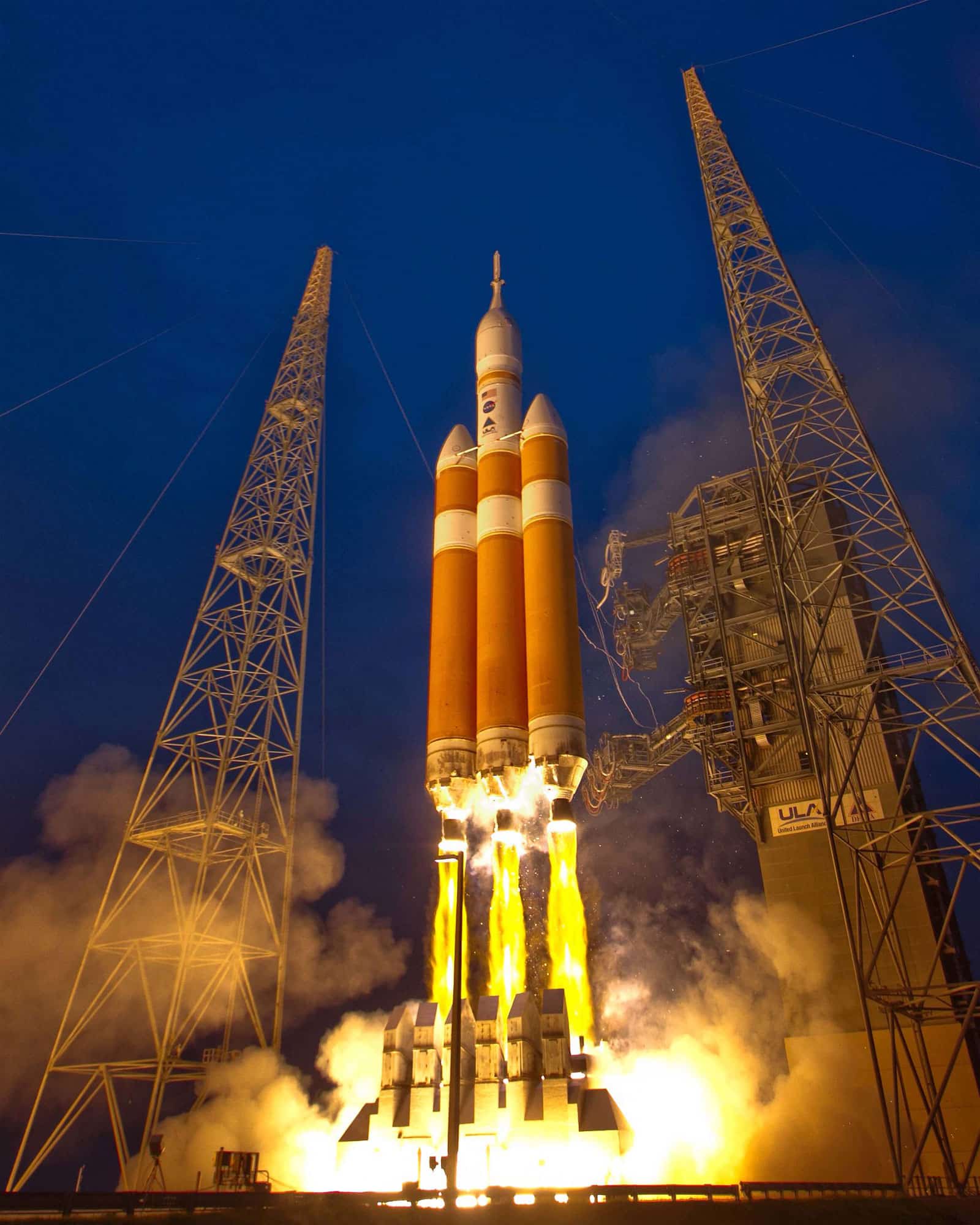
The roots of Alabama's aerospace prominence trace back to the mid-20th century, particularly with the establishment of the Army Ballistic Missile Agency in Huntsville and the subsequent formation of the George C. Marshall Space Flight Center (MSFC). This historical trajectory established Huntsville as "Rocket City," a moniker earned through the development of the Saturn V rocket that powered the Apollo missions, the Space Shuttle propulsion systems, and modern space launch systems.
Over the decades, this initial concentration of federal research transformed into a sprawling commercial and defense ecosystem. The state's strategic geographic location, favorable business climate, extensive multi-modal transportation networks—including deep-water ports, rail systems, and interstate highways—and robust state-level economic incentives have continued to attract leading global aerospace firms.
Furthermore, the presence of Redstone Arsenal serves as an anchor tenant for defense research, development, test, and evaluation (RDT&E). This federal installation coordinates billions of dollars in military contracts, creating a symbiotic relationship between the Department of Defense and private-sector contractors who choose to locate their operations within the state to remain close to key procurement decision-makers.
Major Aerospace Sectors and Key Regional Players
Alabama's aerospace footprint is diverse, spanning space exploration, missile defense, commercial aircraft manufacturing, and maintenance, repair, and overhaul (MRO) services. The state's aerospace economy can be broken down into three primary geographical and functional sectors:
1. Huntsville and North Alabama: Space Exploration and Missile Defense
North Alabama is globally recognized for rocketry, propulsion, and defense systems engineering. Major aerospace primes maintain massive facilities here, supporting NASA, the U.S. Army, and the Missile Defense Agency (MDA).
- Boeing: Maintains a significant presence in Huntsville, contributing heavily to NASA’s Space Launch System (SLS) and various defense programs.
- Lockheed Martin: Operates major engineering and manufacturing facilities focusing on tactical missiles, fire control, and space systems.
- Northrop Grumman: Provides advanced propulsion, launch systems, and missile defense technologies from regional operational hubs.
- Blue Origin: Operates an engine manufacturing facility in Huntsville, producing the BE-4 and BE-3U engines designed to power next-generation commercial rockets.
2. Mobile and the Gulf Coast: Commercial Aviation and MRO
While North Alabama focuses on rockets and defense, South Alabama has established itself as a powerhouse in fixed-wing commercial aviation and heavy maintenance.
- Airbus: Operates its U.S. Manufacturing Facility in Mobile, where it assembles A220 and A320 family aircraft for domestic and international commercial airlines. This facility has fundamentally transformed the region into a magnet for international aerospace investment.
- ST Engineering Aerospace: Runs a massive aircraft maintenance, repair, and overhaul (MRO) facility at Mobile Aeroplex at Brookley, servicing wide-body and narrow-body commercial airliners.
3. Central and Southeast Alabama: Defense Support and Aerostructures
Regions surrounding Montgomery, Birmingham, and Enterprise host specialized manufacturers providing aerostructures, composite materials, avionics testing, and rotary-wing support for both commercial and military aviation fleets.
Economic Impact and Workforce Development
The economic footprint of Alabama’s aerospace industry extends far beyond direct manufacturing output. According to economic impact studies by state agencies and regional business councils, the sector supports tens of thousands of direct jobs and generates an even larger multiplier effect across professional services, logistics, and supply chain networks.
Sustaining this growth requires a continuous pipeline of highly skilled engineers, machinists, technicians, and composite specialists. Alabama has addressed this demand through targeted workforce development initiatives:
- AIDT (Alabama Industrial Development Training): Provides customized workforce training programs at no cost to expanding or relocating companies, ensuring workers possess specialized certifications in aerospace manufacturing and assembly.
- The Alabama School of Cyber Technology and Engineering (ASCTE): Located in Huntsville, this specialized public high school prepares the next generation of technical talent for careers in aerospace engineering, defense systems, and cybersecurity.
- Higher Education Partnerships: Institutions such as the University of Alabama, Auburn University, the University of Alabama in Huntsville (UAH), and Alabama A&M University offer specialized aerospace engineering degrees, cooperative education programs, and collaborative research partnerships with private industry and federal agencies.
Comparative Overview of Major Aerospace Hubs in Alabama
To understand how different regions contribute to the state's broader economic growth, the table below outlines the primary aerospace focus areas, key employers, and core competencies across Alabama's major operational regions.
| Region | Primary Focus | Key Employers & Institutions | Core Competencies |
|---|---|---|---|
| North Alabama (Huntsville) | Space Launch, Propulsion, Missile Defense | NASA MSFC, Redstone Arsenal, Boeing, Lockheed Martin, Blue Origin | Rocket propulsion, guidance systems, defense R&D, heavy-lift engineering |
| South Alabama (Mobile) | Commercial Aviation, Aircraft Assembly, MRO | Airbus, ST Engineering Aerospace, Continental Motors | Final commercial aircraft assembly, wide-body MRO, aerostructures |
| Central/Southeast (Montgomery/Enterprise) | Military Aviation, Rotary-Wing Support, Avionics | Maxwell AFB, Army Aviation Center (Fort Novosel nearby), various Tier-2 suppliers | Helicopter maintenance, flight training support, tactical electronics |
Technological Advancements and Future Growth Drivers
Aerospace companies in Alabama driving growth are increasingly investing in next-generation manufacturing technologies to maintain competitive superiority in the global market. Key technological trends shaping the sector include:
- Additive Manufacturing (3D Printing): Aerospace engineers in Huntsville utilize advanced metal 3D printing to produce complex rocket engine components with fewer welds, reduced weight, and faster production timelines.
- Composite Materials: Facilities in Mobile and North Alabama incorporate lightweight carbon composites into aircraft fuselages and structural assemblies to improve fuel efficiency and structural integrity.
- Digital Engineering and Model-Based Systems Engineering (MBSE): Defense contractors increasingly rely on digital twins and virtual simulation environments to test missile defense systems and spacecraft designs prior to physical prototyping.
Frequently Asked Questions
Why is Huntsville, Alabama, called "Rocket City"?
Huntsville earned the nickname "Rocket City" in the 1950s and 1960s due to its central role in the U.S. space program. German rocket scientist Wernher von Braun and his team were stationed at Redstone Arsenal, where they developed the Redstone and Saturn rockets that eventually launched American astronauts into space and to the Moon.
What types of aircraft are manufactured in Mobile, Alabama?
Airbus operates a commercial aircraft manufacturing facility in Mobile that assembles single-aisle aircraft from the A320 family and the larger A220 aircraft family, serving major commercial airline customers across North America and beyond.
How does Alabama train its aerospace workforce?
Alabama supports its aerospace talent pipeline through specialized state agencies like AIDT, dedicated STEM and technical high schools like the Alabama School of Cyber Technology and Engineering, and prominent university engineering programs at institutions like Auburn University and the University of Alabama in Huntsville.
What role do federal installations play in Alabama's aerospace growth?
Federal installations like Redstone Arsenal in Huntsville and Maxwell Air Force Base in Montgomery anchor the state's defense economy. They house major command headquarters, research laboratories, and procurement offices that attract private aerospace defense contractors to locate their operations nearby.
Conclusion and Next Actions
Aerospace companies in Alabama driving growth represent a dynamic intersection of historical engineering excellence, modern commercial manufacturing, and advanced defense research. For businesses, investors, and engineering professionals looking to engage with this robust ecosystem, the primary next steps involve evaluating regional incentives through the Alabama Department of Commerce, exploring partnership opportunities with the state's major research universities, or examining supply chain integration requirements set by primary contractors operating in Huntsville and Mobile.