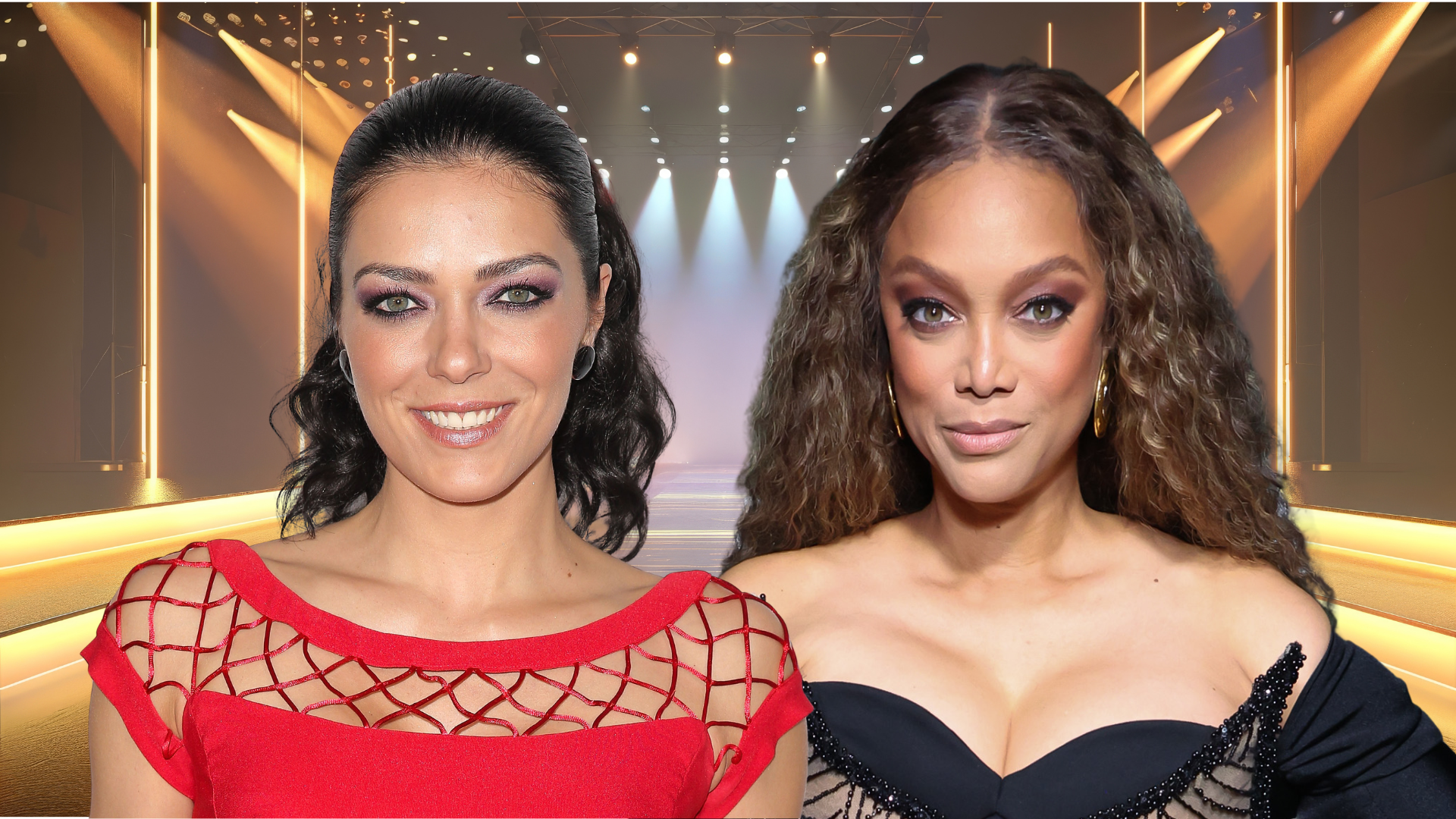
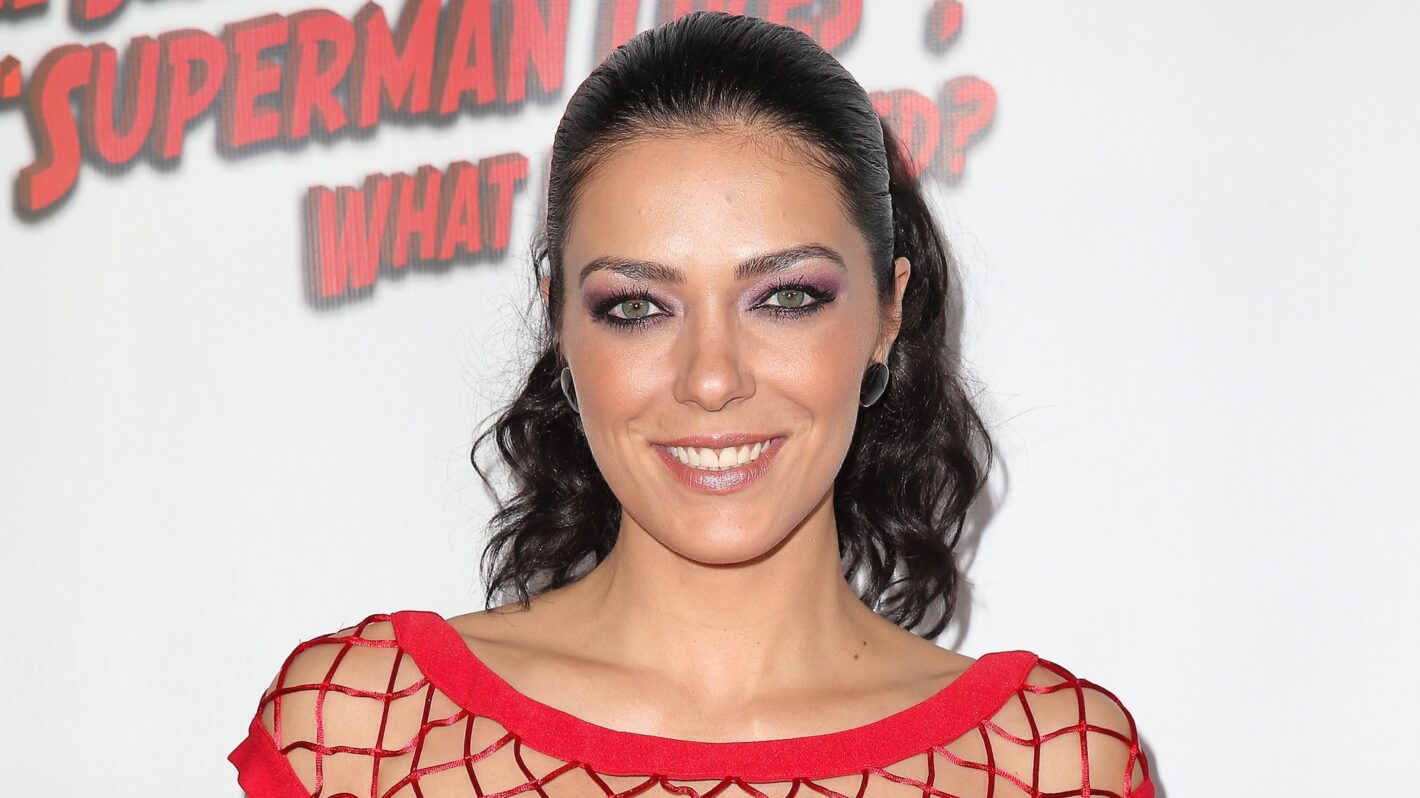
Adrianne Curry was the inaugural winner of America's Next Top Model (ANTM) Cycle 1, which aired in 2003. As the show’s first champion, she set the precedent for the "diamond in the rough" narrative, evolving from a self-described "rocker girl" from Joliet, Illinois, into a high-fashion presence. Her victory remains one of the most discussed in reality television history due to her subsequent public fallout with the show’s creators over the fulfillment of her prizes.
The Introduction of the "Rocker Girl" from Joliet
When America's Next Top Model premiered on the UPN network in May 2003, the reality television landscape was still in its infancy. Unlike the polished, high-budget iterations of the show seen in later years, Cycle 1 was gritty, experimental, and filmed in a relatively small loft. Into this environment stepped Adrianne Curry, a 20-year-old waitress who stood out immediately for her raspy voice, tomboyish attitude, and lack of traditional "model" etiquette.
In the early episodes, Curry was often portrayed as an underdog. She did not possess the polished grace of contestants like Shannon Stewart or the high-fashion pedigree of Elyse Sewell. However, her raw potential caught the eye of Tyra Banks and the judging panel, which included the legendary Janice Dickinson, Kimora Lee Simmons, and Beau Quillian. Curry’s narrative arc—the transformation from a rough-around-the-edges girl to a professional model—became the foundational blueprint for future winners of the franchise.
Key Performances and Photoshoots in Cycle 1
Adrianne Curry’s success in Cycle 1 was built on her ability to adapt quickly to the wildly varying demands of the industry. Her performance across the eight episodes demonstrated a versatility that eventually secured her the top spot.
The Snake Shoot (Episode 3)
Perhaps the most iconic moment of the first season was the photoshoot involving a large python. While other contestants struggled with fear and hesitation, Curry remained remarkably calm. Her ability to maintain a high-fashion face while a massive reptile coiled around her neck proved her professional mettle. This shoot is often cited by fans as the moment Curry became a serious frontrunner.
The Rooftop Swimwear Shoot
Early in the competition, the models were tasked with a swimwear shoot on a freezing New York City rooftop. Curry’s ability to project warmth and glamor despite the adverse physical conditions impressed the judges. It highlighted a key requirement of the modeling industry: the ability to prioritize the client's vision over personal comfort.
The Paris Finale and Couture Shoot
The final episodes of Cycle 1 took the remaining contestants to Paris, the heart of the fashion world. Curry faced significant challenges here, including a severe bout of food poisoning that landed her in the hospital shortly before the final runway show. Despite being physically drained and dehydrated, she delivered a strong performance on the runway for designer Baby Phat, showcasing a resilience that Tyra Banks frequently praised.
The Competitive Dynamic: Curry vs. Sewell and Stewart
The final three of Cycle 1—Adrianne Curry, Shannon Stewart, and Elyse Sewell—represented three distinct archetypes of the modeling world at the time.
- Elyse Sewell: The "intellectual" who viewed modeling with a degree of skepticism. She was widely considered to have the most "editorial" look of the group.
- Shannon Stewart: The "classic beauty" with a commercial appeal that suited brands like Victoria's Secret.
- Adrianne Curry: The "edgy" alternative who bridged the gap between commercial viability and editorial interest.
The final deliberation was intense. While Sewell was technically proficient, the judges felt Curry had more "heart" and a greater desire for the title. When it came down to Curry and Stewart, the judges chose Curry’s modern, versatile look over Stewart’s more traditional pageant-influenced style.
The Prize Package and the Post-Show Controversy
Winning America's Next Top Model Cycle 1 was supposed to be a life-changing event. The prize package included a contract with Wilhelmina Models, a fashion spread in Marie Claire magazine, and a contract with Revlon cosmetics.
However, the reality of the post-show experience was far from the "happily ever after" portrayed on screen. In the years following her win, Curry became a vocal critic of the show and Tyra Banks. She alleged that many of the prizes were not as they seemed:
- The Revlon Contract: Curry claimed that Revlon never intended to use the winner of a reality show for their major campaigns and that she was essentially a "placeholder" who received little work.
- The Wilhelmina Contract: She frequently mentioned that the agency was not incentivized to book her because of the specific terms negotiated by the show's production.
- Financial Struggles: Despite being the "Top Model," Curry reported that she struggled to make ends meet shortly after her win, leading to her eventual transition into other forms of reality TV to pay her bills.
This friction led to a long-standing estrangement between Curry and the ANTM brand. For many cycles, her photo was noticeably absent from the "hall of winners" montages, and she was rarely mentioned by Banks in retrospective episodes.
Life After ANTM: The Transition to "Celebreality"
Recognizing that her traditional modeling career was not unfolding as promised, Adrianne Curry pivoted to the burgeoning "Celebreality" genre of the mid-2000s. Her career took a significant turn when she joined the cast of VH1’s The Surreal Life in 2004.
It was during The Surreal Life that she met Christopher Knight, famous for his role as Peter Brady on The Brady Bunch. Their relationship became the focus of their own spin-off reality series, My Fair Brady, which aired for three seasons. This era of her life solidified her status as a pop-culture fixture, though it moved her further away from the high-fashion world she had entered through ANTM.
Adrianne Curry’s Status in 2026
As of 2026, Adrianne Curry has almost entirely stepped away from the Hollywood spotlight. She has undergone a significant lifestyle shift, moving to a rural setting and focusing on a life away from the cameras. She remains active on social media, where she is known for her candid—and often polarizing—opinions on the entertainment industry, politics, and her time on reality TV.
Her legacy in 2026 is viewed through a dual lens. To some, she is the ultimate cautionary tale of the reality TV "prize" system. To others, she is a pioneer who proved that a reality TV win could be used as a platform for a multi-decade career in the public eye, even if that career didn't follow the path originally intended.
Comparison of Cycle 1 Finalists
The following table outlines the trajectory of the top four contestants from Cycle 1, illustrating the diverse paths taken after the show's conclusion.
| Contestant | Placement | Primary Look | Post-Show Highlight |
|---|---|---|---|
| Adrianne Curry | Winner | Edgy/Rocker | Reality TV Star (The Surreal Life, My Fair Brady) |
| Shannon Stewart | Runner-up | Commercial/Classic | Successful career in print and fitness modeling |
| Elyse Sewell | 2nd Runner-up | High Fashion/Editorial | Extensive modeling career in Asia (Hong Kong) |
| Robin Manning | 3rd Runner-up | Plus-size/Classic | Acting and public speaking |
The Enduring Influence of Cycle 1
Looking back from the vantage point of 2026, the first cycle of America's Next Top Model remains a fascinating cultural artifact. It lacked the "smize" and "booty tooch" catchphrases that would define later seasons, focusing instead on a more raw, documentary-style approach to the modeling industry.
Adrianne Curry was essential to this success. Her lack of pretension and her willingness to show her flaws made the show accessible to a mainstream audience. While the relationship between Curry and the show remains fractured, her impact on the franchise is undeniable. She proved that the "Top Model" didn't have to be a perfect, polished doll; she could be a girl from a small town with a raspy voice and a stubborn streak.
Frequently Asked Questions
Why did Adrianne Curry fall out with Tyra Banks?
The fallout was primarily due to Curry’s public claims that the prizes promised at the end of Cycle 1 were not fully realized. Curry alleged that the Revlon contract did not result in actual work and that she received little support from the production team after the cameras stopped rolling. This public criticism led to a decades-long rift between Curry and Banks.
Did Adrianne Curry actually get the Marie Claire spread?
Yes, as the winner, Adrianne Curry did receive her spread in Marie Claire. However, she has since noted that while the editorial was published, it did not lead to the sustained high-fashion career she had anticipated, partly due to the stigma of being a "reality TV model" in the early 2000s.
What happened to Adrianne Curry’s modeling career after Cycle 1?
While she did some professional modeling immediately following the show, her career quickly shifted toward reality television and public appearances. She became a prominent figure in the "cosplay" community for several years and worked as a brand ambassador for various companies, including Avon, before retiring from the industry to live a more private life.
Is Adrianne Curry still married to Christopher Knight?
No. Adrianne Curry and Christopher Knight divorced in 2012 after five years of marriage. Curry has since remarried and moved away from Los Angeles to live in a more secluded, mountainous region, which she frequently documents on her personal blog and social media.
How much was the Revlon contract worth in Cycle 1?
The prize was advertised as a $100,000 contract with Revlon. However, in the industry, such contracts are often "up to" a certain amount and are contingent on the brand actually booking the model for specific campaigns. Curry has claimed she did not receive the full benefit of the advertised value.
Final Recommendation for Fans of the Franchise
For those interested in the history of reality television or the evolution of the fashion industry, revisiting America's Next Top Model Cycle 1 is essential. To understand the full context of Adrianne Curry’s journey, one should look beyond the edited episodes and explore her later interviews and social media commentary. Her story provides a rare, unvarnished look at the transition from "overnight sensation" to a long-term career in—and eventually out of—the public eye. Whether you view her as a survivor of the reality TV machine or a savvy entrepreneur, her place in television history as the first "Top Model" is permanent.