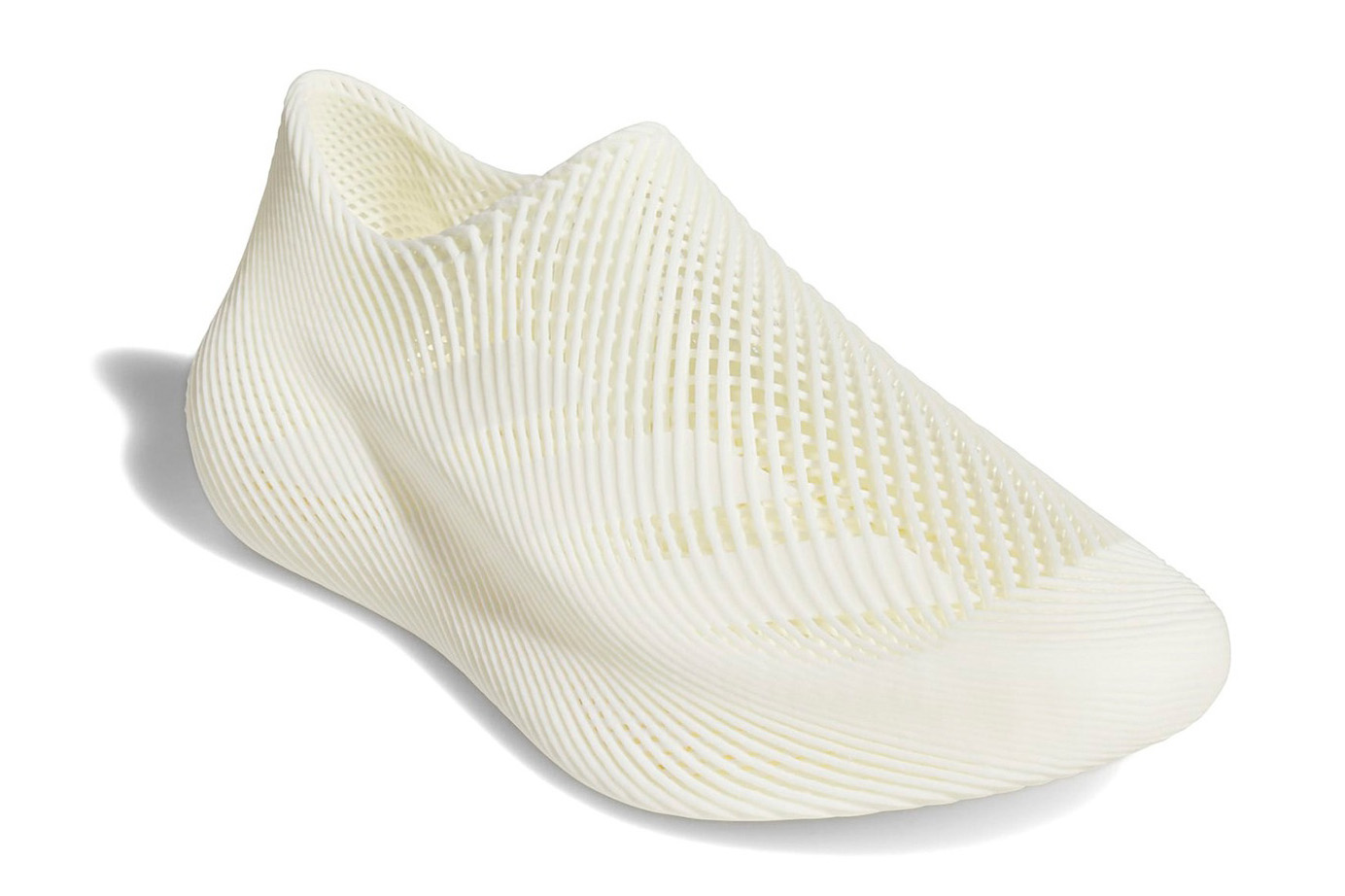
Adidas slip on slippers, frequently categorized under the brand's Adilette and related slide collections, are engineered as versatile footwear designed for post-activity recovery, casual leisure, and aquatic environments. These slip-on designs prioritize ease of entry, ergonomic footbed support, and water-resistant materials, serving as a primary solution for users seeking functional comfort without the requirement of laces or complex fasteners.
Understanding the Adidas Slip On Footwear Ecosystem
The term "slip on slippers" within the Adidas catalog typically refers to open-toed slides and molded foam clogs. Unlike traditional indoor house slippers lined with fabric or fleece, Adidas slip-ons are primarily constructed from synthetic materials such as ethylene-vinyl acetate (EVA) or recycled polyurethane. This material choice is intentional, catering to high-performance requirements including durability, slip resistance on wet surfaces, and ease of cleaning.
When navigating the current 2026 product lineup, it is essential to distinguish between the primary categories:
- The Adilette Line: This is the iconic slide series. It features a contoured footbed and a singular or multi-strap upper. These are designed primarily for locker room use, beach settings, and casual daily wear.
- Molded Clogs: These are closed-toe, slip-on options that offer increased protection for the foot. These models often feature perforations for ventilation and are frequently used for light outdoor utility or as comfortable home footwear.
- Recovery Slides: These variants often utilize high-density foam midsoles to provide increased cushioning and arch support, specifically targeted toward athletes requiring pressure relief after intense physical exertion.
Material Composition and Performance Attributes
The effectiveness of an Adidas slip on slipper is rooted in its material engineering. Understanding the properties of these materials is crucial for determining which model fits your specific needs.
EVA Foam Construction
Most Adidas slides are composed of EVA (ethylene-vinyl acetate). This polymer is favored for its lightweight nature, shock-absorption capabilities, and closed-cell structure. Because the material is closed-cell, it does not absorb water, making it ideal for use in showers, swimming pools, or humid climates. In 2026, Adidas continues to refine its "Cloudfoam" technology, which is an iteration of EVA foam designed specifically for increased softness and rebound.
Sustainability Initiatives
As of 2026, Adidas has integrated various recycled content standards into its footwear production. Many slip-on models now incorporate bio-based ingredients or recycled synthetic materials to reduce the environmental footprint. When shopping, you may encounter product descriptions detailing the percentage of recycled content; this refers to the input materials used in manufacturing the molded foam or the textile components of the strap linings.
Critical Considerations Before Purchase
Selecting the correct pair of slip-ons involves more than simply choosing an aesthetic design. Because these shoes lack laces, the fit must be precise to prevent slipping or instability during walking.
Sizing and Width Dynamics
Adidas slip-ons generally follow standard sizing, but because they are open-ended or molded structures, they lack the adjustability of lace-up shoes.
- Full Sizes Only: Many of the most popular molded slides are manufactured exclusively in full sizes. If you typically wear a half-size, the manufacturer recommendation usually suggests sizing up to ensure your heel remains within the boundaries of the footbed.
- Width Considerations: Those with wider feet should prioritize models with adjustable hook-and-loop straps rather than the fixed-strap designs. Fixed-strap models provide a consistent fit but do not accommodate fluctuations in foot swelling throughout the day.
Intended Environment
While these slippers are marketed for their comfort, their utility varies by design:
- Indoor-Only: If your primary use is indoor flooring, look for models with non-marking outsoles to prevent scuff marks on hardwood or tile.
- Aquatic/Outdoor: Models with deep-lugged treads on the outsole are safer for pool decks and transition zones. Ensure the material is rated for UV exposure, as prolonged direct sunlight can cause certain lower-grade synthetic foams to degrade or shrink over several seasons.
Comparison Table: Common Adidas Slip On Types
| Feature | Classic Adilette | Molded Foam Clog | Recovery Slide |
|---|---|---|---|
| Primary Use | Casual/Locker Room | Utility/Outdoor | Post-Workout |
| Toe Style | Open | Closed (Perforated) | Open |
| Adjustability | Varies (Some have Velcro) | None (Fixed) | None (Fixed) |
| Sole Type | Flat/Contoured | Lugged/Textured | Extra-Thick/Ergonomic |
| Wet Traction | Moderate | High | Moderate |
Maintenance and Longevity
To ensure your Adidas slip-ons maintain their shape and hygiene, follow a structured maintenance routine. Because these products are made from synthetic materials, they are generally robust, but they are not indestructible.
Cleaning Procedures
- Rinsing: For daily debris, rinse with lukewarm water.
- Spot Treatment: Use a mild soap and a soft-bristled brush to scrub the footbed, where sweat and skin oils tend to accumulate. Avoid using harsh chemical solvents, as these can break down the EVA foam structure over time.
- Drying: Always air-dry in a shaded area. Placing synthetic foam footwear in direct, high-intensity heat (such as a radiator, a clothes dryer, or direct summer sunlight) can cause the material to warp or shrink permanently.
Identifying Signs of Wear
The most common point of failure in slip-ons is the "bottoming out" of the foam. Over time, the compression-set of the EVA foam reduces its ability to rebound. If you notice that your footbed has developed permanent indentations or that the arch support no longer provides relief, it is time to replace the footwear to avoid potential foot fatigue or plantar discomfort.
Frequently Asked Questions
1. Are Adidas slip-on slippers machine washable?
While many users place these in the washing machine, the brand typically advises against it. High heat cycles and aggressive agitation can damage the structural integrity of the molded components or weaken the adhesive on models that feature fabric liners. Hand-cleaning with mild soap and water remains the safest method for preserving the product's lifespan.
2. Should I size up or down if I am between sizes?
For Adidas slip-ons that come only in full sizes, the industry-standard recommendation is to size up. A slightly loose slipper is generally more functional and comfortable than a slide that is too small, which can lead to your heel hanging off the back edge and causing discomfort during walking.
3. Do these slippers provide enough support for all-day wear?
Most slip-on styles are designed for recovery or casual use, not for prolonged standing or extensive walking. If you intend to wear them for an entire day, look for the "Recovery" specific models that feature enhanced arch support and denser foam midsoles to mitigate the impact of walking on hard surfaces.
4. Why does my foot slide out of my slippers when they get wet?
This is a common issue with smooth-finished footbeds. If you are using your slippers in aquatic environments, choose a model with a textured or "contoured" footbed. The friction created by the texture prevents the foot from sliding within the shoe when water is present.
5. Can I use these slippers on uneven terrain?
Standard Adidas slip-ons are designed for flat, stable surfaces. Because they lack a heel counter or secure strap system, they are not appropriate for hiking or walking on uneven, loose, or rocky terrain, as this could lead to ankle rolls or loss of footwear.
Next Steps for Your Selection
Before committing to a purchase, evaluate the specific physical space where you intend to use the footwear. If your priority is home comfort, a molded clog provides the best stability and warmth. If your goal is a transition shoe for the gym or pool, the classic Adilette or a dedicated recovery slide is the superior choice. Always check the official Adidas product specifications to confirm if your chosen model features adjustable straps or fixed sizing, and consult the brand's size guide—specifically noting the distinction between unisex sizing—to ensure the best possible fit for your foot dimensions.