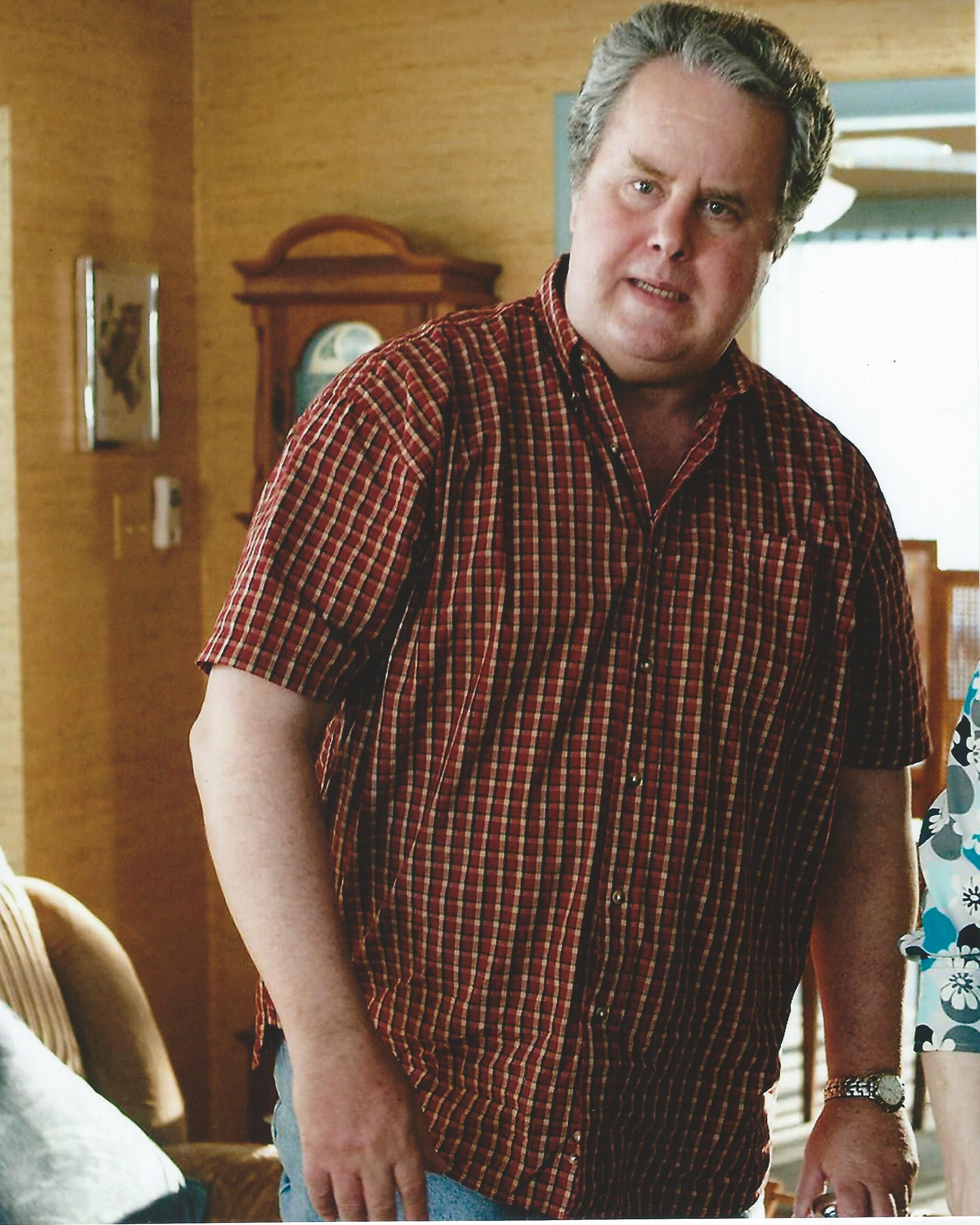
Adam LeFevre has built a respected, decades-long acting career defined by memorable supporting performances across film, television, and stage, consistently bringing depth, authenticity, and distinct personality to diverse character roles.
Introduction to a Versatile Character Actor
In the landscape of American film and television, certain actors are instantly recognizable by face even if their names escape casual viewers. Adam LeFevre belongs firmly to this vital echelon of working professionals. Across a career spanning more than four decades, LeFevre has established himself as a dependable character actor capable of slipping seamlessly into a vast array of environments. Whether playing a small-town bureaucrat, a legal professional, a weathered law enforcement officer, or an eccentric neighbor, LeFevre brings a grounded realism to every project he touches.
Rather than chasing fleeting leading-man status, LeFevre has cultivated a robust body of work built on consistency, precision, and narrative utility. His filmography reflects an enduring demand from top-tier directors and casting agents who require actors capable of establishing character shorthand within limited screen time. This profile examines the trajectory of LeFevre’s career, exploring his theatrical foundations, his transition into film and television, his signature archetypes, and his enduring contribution to the craft of acting.
Theatrical Foundations and Early Training
Long before making his mark on cinema and television screens, Adam LeFevre honed his craft in the rigorous world of regional and off-Broadway theatre. The stage provides an essential proving ground for character actors, demanding vocal projection, physical discipline, and the ability to command an audience without the aid of cinematic close-ups. LeFevre’s early years in the theatre instilled a deep respect for text and character motivation, traits that would later distinguish his screen performances.
Working within theatre companies allowed LeFevre to tackle a diverse repertoire of classical and contemporary plays. This exposure to varied playwrights—from Shakespearean drama to modern American realism—sharpened his comedic timing and dramatic intensity. In theatrical settings, actors rarely have the luxury of multiple takes; every performance requires live execution and emotional precision. This discipline translated directly into his later film work, where efficiency and emotional truth under pressure are paramount.
Furthermore, LeFevre’s stage background fostered a collaborative approach to ensemble acting. Character roles are inherently relational; their primary narrative function is often to react to, support, or challenge the protagonist. LeFevre’s theatrical training taught him how to listen actively on stage, a skill that translates powerfully to film acting. By treating every role—no matter how brief—as a fully realized human being with an internal life, LeFevre avoided the trap of one-dimensional caricature that plagues many minor supporting parts.
Transition to Film and Television: Building a Resume
As LeFevre transitioned from stage to screen, he encountered an industry entering a transformative era. The 1980s and 1990s saw a boom in independent cinema and gritty, location-shot television procedurals, both of which relied heavily on authentic character actors rather than idealized movie stars. LeFevre’s everyman appearance, versatile accent work, and unassuming presence made him an ideal candidate for directors seeking realism.
His early film credits established a pattern of working with auteur directors and ensemble casts. LeFevre developed a reputation for being thoroughly prepared on set, capable of adjusting to rapid production schedules and improvising when directors requested spontaneous energy. This professional reliability transformed initial single-day guest spots and minor background roles into recurring television arcs and substantive supporting parts in major feature films.
Key Professional Milestones
- Early Screen Appearances: Establishing presence in 1980s and 1990s television and independent films.
- Collaborations with Auteurs: Earning the trust of prominent directors who value authentic character textures.
- Television Procedurals: Making memorable guest appearances in foundational New York-based series like Law & Order.
- Studio Features: Transitioning into high-profile studio releases without abandoning indie roots.
Defining Archetypes and Performance Style
Adam LeFevre’s career is characterized not by a single iconic role, but by a mosaic of varied portrayals. Examining his filmography reveals several recurring archetypes that showcase his range. While he is frequently cast as figures of authority or institutional bureaucracy, he consistently subverts expectations by infusing these figures with unexpected vulnerability, hidden eccentricity, or quiet menace.
| Character Archetype | Narrative Function & Typical Portrayal |
|---|---|
| Institutional Authority | Judges, bureaucrats, and corporate managers who enforce rules or obstruct protagonists. |
| Law Enforcement & Legal | Detectives, local sheriffs, and attorneys providing procedural anchor or moral contrast. |
| Working-Class Everyman | Mechanics, neighbors, and blue-collar workers adding gritty realism to drama. |
| Eccentric or Comedic Relief | Quirky townsfolk or idiosyncratic figures providing tonal contrast in dark comedies or dramas. |
This structural versatility allows LeFevre to move effortlessly between genres. In a gritty crime drama, he can play a weary desk sergeant who has seen it all; in a contemporary indie comedy, he can pivot to play an overbearing father or a bewildered small-town mayor. His performance style relies on restraint. Rather than chewing the scenery, LeFevre lets micro-expressions, posture, and deliberate line readings do the heavy lifting. This subtle approach ensures that his characters feel like real people pulled straight from life rather than artificial plot devices.
Notable Collaborations and Critical Recognition
Throughout his career, LeFevre has shared the screen with an extensive roster of Hollywood’s most celebrated actors and directors. Working alongside major stars requires an actor to hold their ground and match the energy of the scene, a challenge LeFevre meets consistently. His ability to anchor a scene with a lead actor without upstaging them is a hallmark of a master supporting player.
Directors seeking a specific texture of Americana or urban grit frequently return to LeFevre for casting. This loyalty from filmmakers speaks volumes about his professional reputation. In an industry driven by fleeting trends, longevity is the ultimate metric of success for a character actor. LeFevre’s staying power is a direct result of his professionalism, adaptability, and unwavering commitment to quality.
While character actors rarely command the headline awards reserved for lead performers, LeFevre’s work has earned the quiet respect of peers, critics, and cinephiles. In film criticism, performances by actors like LeFevre are often praised as the glue holding complex narrative structures together. Without the stabilizing presence of skilled supporting actors, even the most ambitious screenplays can falter under the weight of weak ensemble execution.
The Mechanics of a Working Character Actor
To understand Adam LeFevre’s career, one must examine the operational realities of being a high-level working actor in the American entertainment industry. Unlike movie stars who may spend years developing a single passion project, character actors maintain a constant workflow across multiple mediums simultaneously.
The Balancing Act of Portfolio Careers
- Auditioning Rigor: Regularly preparing and reading for multiple disparate characters in a single week.
- Geographic Flexibility: Moving between New York-based theatre, television sets, and on-location film shoots.
- Character Research: Rapidly developing backstory, dialect, and physical posture for characters with minimal background text.
- Ensemble Synergy: Adapting immediately to the directing styles and working methods of changing showrunners and feature directors.
This demanding lifestyle requires immense resilience and adaptability. LeFevre’s ability to sustain this pace for decades underscores a deep passion for acting as a craft rather than a vehicle for personal celebrity. Every role, regardless of its billing order, receives the same analytical and creative rigor.
Frequently Asked Questions
What defines Adam LeFevre’s acting style?
Adam LeFevre is known for a grounded, naturalistic performance style that relies on understated expression, precise timing, and meticulous attention to character detail. He avoids flashy mannerisms in favor of psychological realism, making his supporting characters feel authentic and lived-in.
In what types of roles is Adam LeFevre most frequently cast?
He is most frequently cast in supporting character roles that anchor a scene, including law enforcement officers, legal professionals, bureaucratic authorities, working-class figures, and idiosyncratic townspeople across both dramatic and comedic projects.
Did Adam LeFevre work in theatre before film and television?
Yes. LeFevre built his foundational training in regional and off-Broadway theatre. This extensive theatrical background provided him with rigorous discipline, vocal control, and strong ensemble skills that translated directly into his subsequent screen career.
How do character actors like LeFevre impact a production?
Character actors provide narrative stability, authenticity, and textural depth. By populating the world of a film or television show with believable secondary figures, they allow the audience to fully immerse themselves in the story's setting and conflicts.
Conclusion and Legacy
Adam LeFevre’s career stands as a testament to the enduring power of the character actor. In an industry obsessed with youth, glamour, and marquee names, LeFevre has carved out a stellar, long-lasting reputation built entirely on substance, versatility, and quiet excellence. From his early days on the theatrical stage to his prolific output in modern film and television, he has demonstrated that memorable art does not require top billing. For aspiring actors and dedicated cinephiles alike, LeFevre’s body of work remains an inspiring masterclass in how to build a respected, enduring career through craftsmanship and professional integrity.