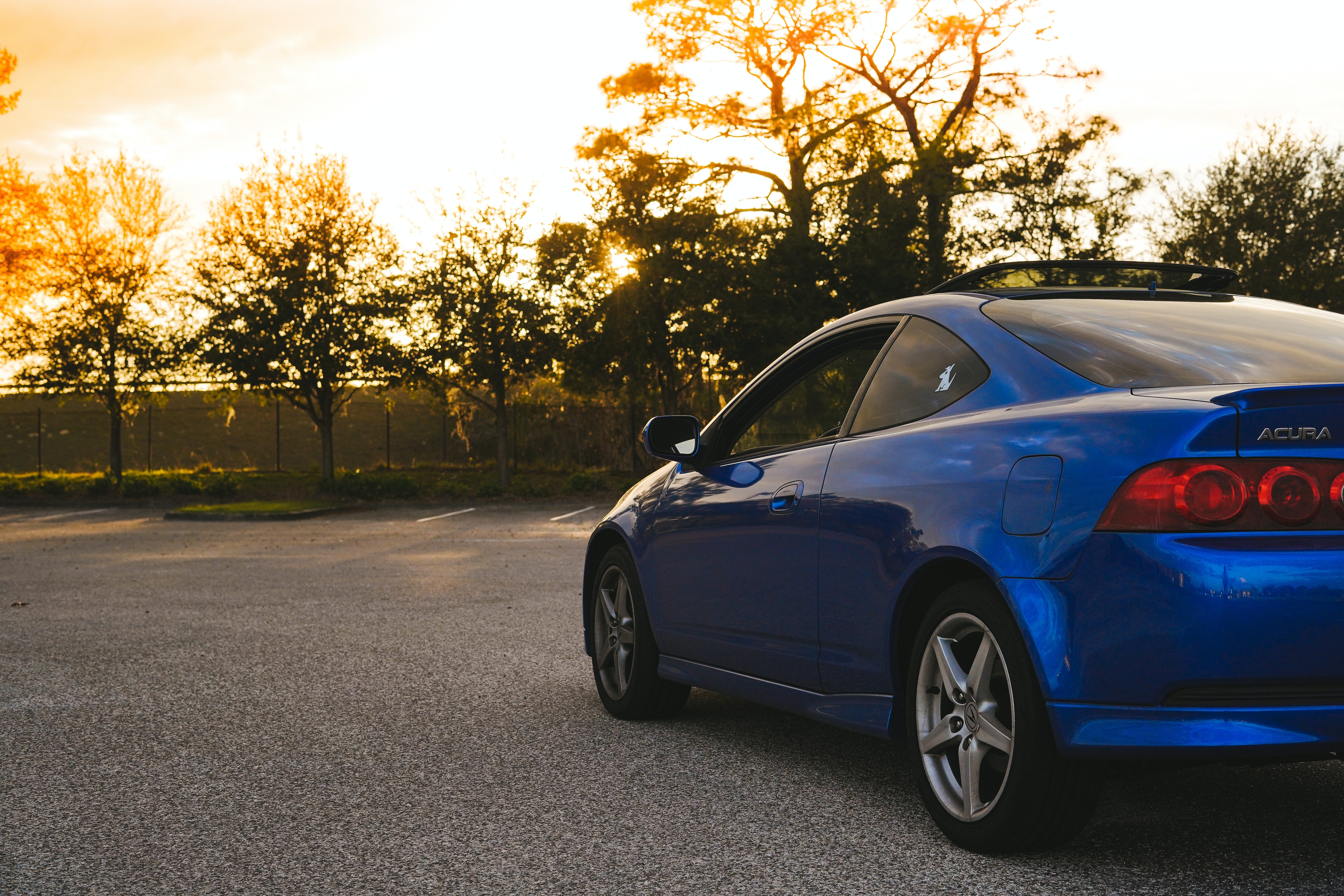
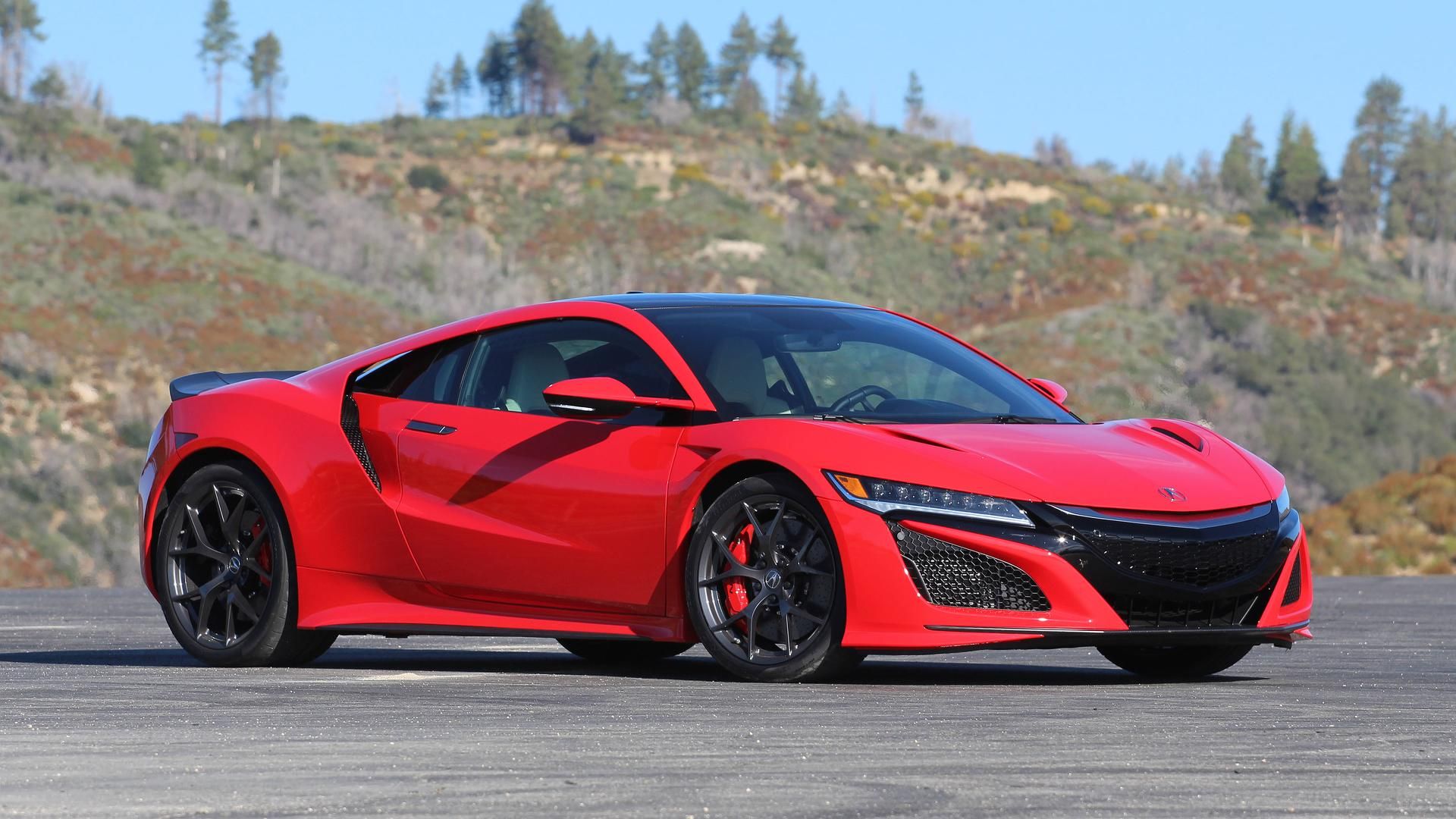
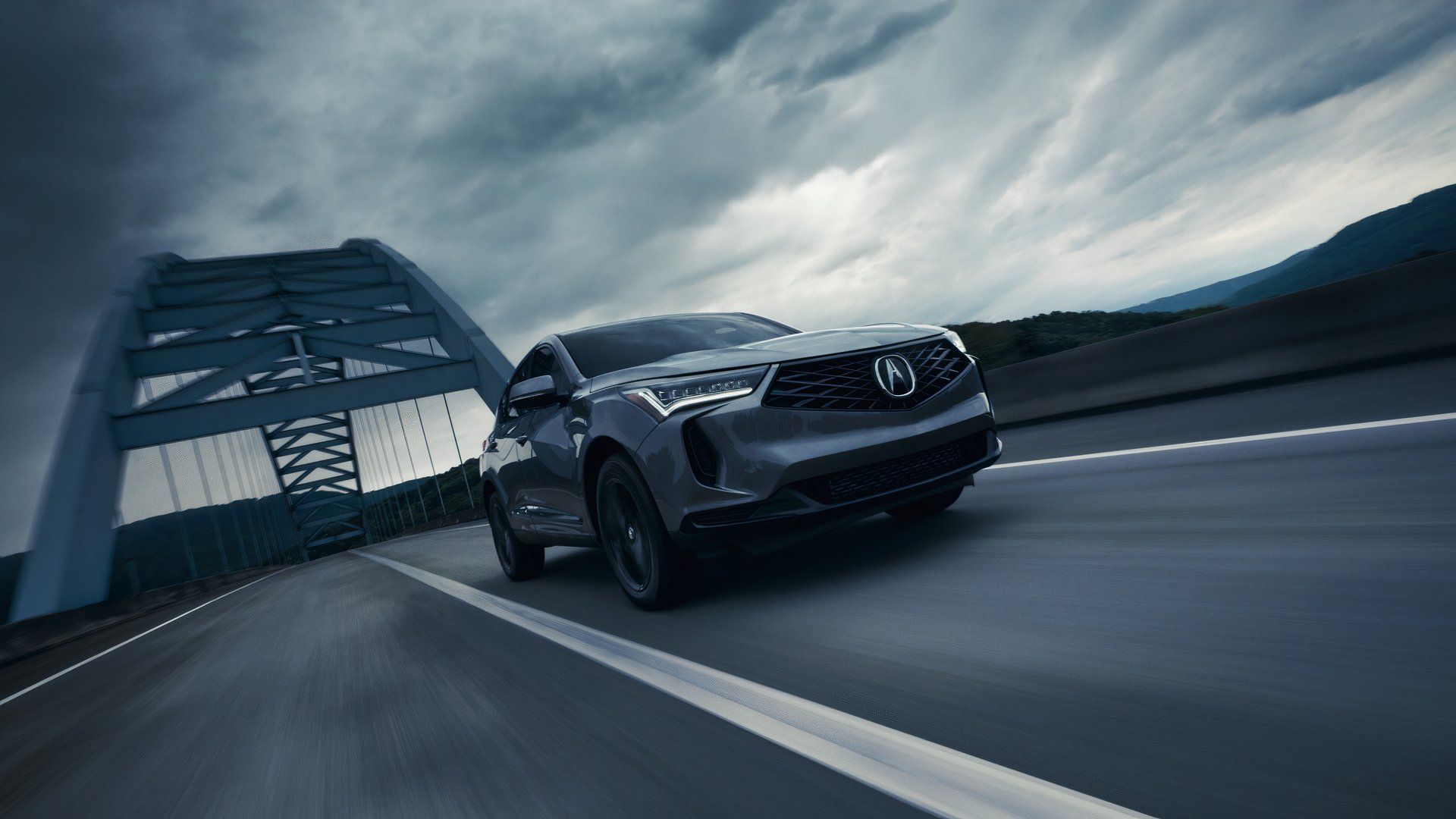
Acuras are generally considered mid-range in terms of maintenance costs, sitting comfortably between mainstream brands like Honda or Toyota and high-end European luxury marques like Audi, BMW, or Mercedes-Benz. Because Acura serves as the premium division of Honda, its vehicles benefit from high mechanical reliability and the widespread availability of shared parts, which prevents the inflated service bills typically associated with more exotic luxury vehicles.
Understanding the long-term cost of ownership for an Acura requires looking beyond the initial purchase price. For prospective buyers or current owners, maintenance is defined by a combination of scheduled routine services, common wear-and-tear items, and the potential for out-of-warranty repairs. Because Acuras utilize engines and drivetrains that are often closely related to Honda’s mass-market lineup, the labor rates and part prices remain accessible, though they reflect a premium status through higher-end features, electronic systems, and interior materials that occasionally require specialized attention.
The Foundation of Acura Maintenance Costs
The primary driver behind the relative affordability of Acura maintenance is its corporate relationship with Honda. This "shared DNA" means that many components—from oil filters and cabin air filters to specialized powertrain parts like the V6 engines found in many legacy models or the sophisticated SH-AWD (Super Handling All-Wheel Drive) systems—are engineered with a philosophy of longevity and accessibility.
When you take an Acura to a dealership or an independent mechanic, you are rarely dealing with the proprietary, complex, and often fragile engineering found in German or British luxury cars. Independent mechanics are usually highly familiar with the underlying architecture of these vehicles, which keeps labor costs competitive. If you choose to service your vehicle at an authorized Acura dealership, you will pay a "premium tax" on labor and genuine OEM (Original Equipment Manufacturer) parts, but this is a choice driven by service preference rather than a necessity dictated by a lack of alternatives.
Routine Maintenance vs. Unforeseen Repairs
To effectively manage maintenance costs, owners must distinguish between scheduled intervals and mechanical failures. Acura utilizes the Maintenance Minder system, which monitors the vehicle’s operating conditions—such as engine load, temperature, and driving habits—to notify the driver when a specific service is required.
Routine maintenance includes:
- Oil and Filter Changes: Generally required every 5,000 to 7,500 miles, depending on the oil life monitor.
- Fluid Exchanges: This includes brake fluid, transmission fluid, and coolant at specified intervals, typically every 30,000 to 60,000 miles.
- Tire Rotations: Crucial for maintaining the performance of AWD systems and maximizing tire lifespan.
- Brake Service: Luxury performance vehicles carry more weight and possess higher power outputs, which can lead to faster wear on brake pads and rotors compared to economy cars.
Unexpected repairs, conversely, are where the cost profile can shift. As an Acura ages, the electronic complexity of its luxury features—such as adaptive cruise control, lane-keeping assist, and infotainment interfaces—can result in higher diagnostic costs if these systems fail. While the core mechanical engine and transmission are likely to exceed 200,000 miles with proper care, the auxiliary systems are often the culprits behind "expensive" repair bills.
Comparing Costs Across the Luxury Segment
To understand where Acura fits in the broader automotive landscape, it is helpful to look at the hierarchy of luxury maintenance. European brands often mandate specific, high-cost fluids and specialized tools, driving up the hourly labor rate.
| Brand Segment | Relative Maintenance Cost | Complexity/Parts Availability |
|---|---|---|
| Mainstream (Honda/Toyota) | Low | High / Universal |
| Near-Luxury (Acura/Lexus) | Moderate | High / Very Accessible |
| European Luxury (BMW/Audi) | High | Moderate / Proprietary |
| High-Performance/Exotic | Very High | Low / Specialized |
Acura and its direct rival, Lexus, represent the most fiscally responsible tiers of the luxury market. While a Lexus often edges out Acura slightly in long-term reliability surveys, the cost to maintain an Acura remains significantly lower than that of a base-model German luxury vehicle, particularly as the vehicle passes the 100,000-mile mark.
The Impact of All-Wheel Drive (SH-AWD)
A significant portion of the Acura lineup features the proprietary SH-AWD system. While this system provides industry-leading handling and stability, it does introduce a specific maintenance requirement: the rear differential fluid change.
Owners who ignore this interval risk damage to the rear differential, which is an expensive, complex component to replace. Unlike a standard front-wheel-drive sedan, an SH-AWD Acura requires a more disciplined approach to drivetrain maintenance. If you are shopping for a pre-owned Acura, verify that the differential fluid has been replaced on schedule, as this is a primary indicator of whether the previous owner properly maintained the vehicle’s most sophisticated technology.
Navigating Dealership Service vs. Independent Repair
In 2026, the decision of where to service your vehicle is perhaps the most impactful factor in your annual maintenance budget.
Authorized Dealerships:
- Pros: Specialized technicians with manufacturer-specific training; access to the latest software updates for infotainment and safety systems; usage of genuine Acura parts.
- Cons: Higher hourly labor rates; potential pressure to perform unnecessary "package" services.
Independent Specialized Mechanics:
- Pros: Lower overhead and hourly rates; personalized relationships; often willing to discuss cost-saving alternatives for non-critical repairs.
- Cons: May lack the specific diagnostic software required for newer, highly digitized model years; aftermarket parts may not match OEM performance standards.
For newer vehicles still under factory or extended warranty, dealership service is generally recommended to ensure all service logs are documented within the Acura system. Once the vehicle enters its post-warranty years, transitioning to a high-quality, independent shop that specializes in Japanese imports can reduce your maintenance costs by 20% to 30%.
Common Maintenance Pitfalls to Avoid
Many owners mistakenly believe that because an Acura is "reliable," it requires no preventative care. This is a common misconception that leads to expensive, avoidable repairs.
- Ignoring the Maintenance Minder: Waiting until the vehicle performs poorly rather than following the dashboard alerts leads to compounding issues.
- Using Incorrect Fluids: Acura engines and transmissions are tuned for specific viscosity oils and fluids. Using generic "universal" fluids can lead to degraded fuel efficiency and long-term transmission wear.
- Neglecting Tires: Due to the performance orientation of Acura models, tire wear is often uneven. Failing to rotate tires at every oil change can lead to premature wear of the suspension components and differential.
- Skipping Software Updates: Modern Acuras are essentially rolling computers. Failing to update the infotainment or safety system software can result in glitches that require expensive, unnecessary hardware replacements.
Professional Advice and Financial Planning
If you are currently budgeting for an Acura, a safe rule of thumb is to allocate between $800 and $1,200 annually for maintenance once the vehicle is out of its original warranty. This figure accounts for the standard annual services and allows a buffer for the inevitable replacement of tires, batteries, or brake components.
It is also important to note that if you are purchasing a used vehicle, you should prioritize a Pre-Purchase Inspection (PPI) by a qualified technician. This inspection can reveal "deferred maintenance"—a situation where a previous owner skipped services to save money. Buying into a vehicle with deferred maintenance is the most common reason owners claim that an Acura is "expensive to maintain."
Frequently Asked Questions
Is it necessary to use premium gas in an Acura? Most Acura models are tuned for premium fuel to achieve their stated horsepower and torque. While many modern engines can adjust timing to run on regular fuel in an emergency, doing so consistently can lead to reduced fuel economy and potential engine knocking, which may increase maintenance needs over time.
Do older Acuras become unreliable as they age? Acuras are known for exceptional longevity, but like any machine, they require more attention as they pass the 10-year or 150,000-mile mark. Components such as timing belts (on older V6 models), suspension bushings, and alternator units may require replacement, but these are generally considered predictable wear items rather than signs of systemic failure.
Are parts for older Acura models still available? Yes. Because Acura shares a vast parts bin with Honda, many components remain in production for decades. Even for models that have been discontinued, the aftermarket industry for Honda-platform parts is vast, ensuring you are rarely left without a way to fix your car.
What is the most expensive maintenance item on an Acura? The most significant recurring cost is the timing belt service on V6 models, typically required every 100,000 miles. This is a major job involving the water pump and tensioners. However, compared to timing chain replacements on German luxury cars, which often require removing the entire engine, the Acura timing belt service is a straightforward and well-documented procedure.
Can I perform my own maintenance? Acura owners who are mechanically inclined find these vehicles very rewarding to work on. The engine bays are generally well-organized, and the wealth of online forums and technical manuals makes DIY maintenance highly accessible for routine tasks like oil changes, cabin air filter replacements, and brake pad swaps.
Final Recommendation
Acuras are not expensive to maintain when compared to their direct luxury competitors. They offer a rare balance of premium driving dynamics and Honda-level reliability. To keep costs low, prioritize preventative maintenance, use high-quality fluids that meet manufacturer specifications, and establish a relationship with a trusted mechanic early in your ownership. If you treat an Acura as a high-performance machine rather than a disposable commodity, it will remain a cost-effective and reliable luxury vehicle for many years.