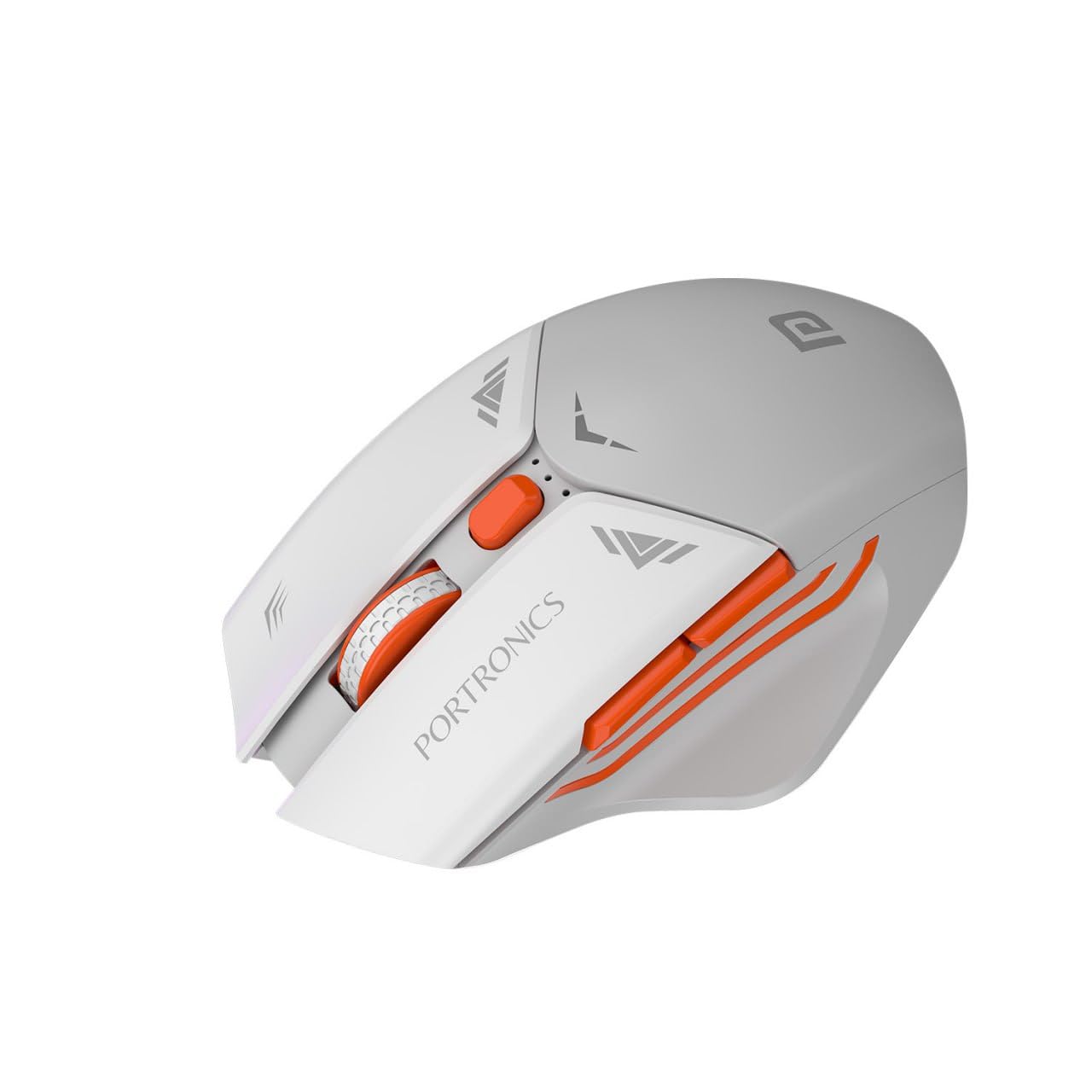
The phrase "abc mause a green gaming accessory" merges a playful reference to early childhood educational platforms with a distinct piece of green-themed computer hardware. When looking to equip a gaming rig with high-performance peripherals, users often research specific aesthetic styles, ergonomic builds, and sensor precision to match their exact desktop configuration.
The landscape of modern computer peripherals offers countless options for players seeking specific color schemes, ergonomic forms, and custom software integration. Among these aesthetic choices, green gaming accessories—ranging from mechanical keyboards and headsets to high-precision mice—have carved out a dedicated niche. Combining vibrant visual styling with advanced sensor technology allows users to build cohesive desktop environments while maintaining competitive performance. Understanding how to select, evaluate, and maintain these specialized green hardware items ensures long-term durability and optimal tactile feedback.
Defining the Modern Green Gaming Peripheral Market
Building a color-coordinated battlestation requires examining how manufacturers integrate vibrant hues into high-performance hardware. Green gaming accessories span multiple shades, from neon ultraviolet accents to deep forest tones. When evaluating a green gaming mouse or matching desk accessory, users look beyond surface aesthetics to examine polling rates, switch durability, and weight distribution.
Manufacturers frequently use specialized matte or rubberized coatings to achieve these distinct green finishes without compromising grip. Unlike standard office mice, gaming-grade models incorporate specialized micro-switches rated for millions of clicks, onboard memory profiles, and adjustable Dots Per Inch (DPI) sensors. Integrating a visually striking peripheral into an existing setup allows users to express personal style while retaining the precise inputs needed for fast-paced gaming genres.
Core Specifications to Evaluate
When shopping for specialized hardware, understanding technical terminology ensures that aesthetic choices do not compromise functionality. Key specifications include:
- Sensor Type: Optical sensors generally offer superior tracking accuracy and zero hardware acceleration compared to older laser variants.
- Polling Rate: Measured in Hertz (Hz), this determines how often the device reports its position to the computer, with 1000Hz being the standard for low-latency input.
- Switch Lifespan: Mechanical or optical switches rated for a high number of actuations guarantee long-term reliability.
- Weight and Ergonomics: Symmetrical and asymmetrical designs cater to palm, claw, and fingertip grip styles, while lightweight chassis reduce wrist fatigue during extended sessions.
Comparative Analysis of Green Gaming Peripherals and Standard Hardware
Choosing a specialized color variant often brings questions regarding potential markups, build quality trade-offs, and software compatibility. The table below outlines how specialized green peripherals compare to standard black or white variants across key performance metrics.
| Feature / Metric | Standard Black/White Peripherals | Specialized Green Gaming Accessories | Key Considerations |
|---|---|---|---|
| Aesthetic Integration | Neutral, fits most minimalist or RGB setups. | High visual impact, anchors a themed battlestation. | Requires careful color-matching with mousepads and keyboards. |
| Price Point | Baseline market pricing across tiers. | Occasionally subject to limited-edition premiums. | Check if specialized coatings or licensing increase the cost. |
| Sensor Performance | Varies widely by brand and model tier. | Equivalent to standard tier models within the same product family. | Performance depends entirely on internal silicon, not outer shell color. |
| Coating Durability | Standard matte or glossy plastics. | Colored UV-cured paints or rubberized grips. | Some bright coatings may show oils or wear faster over time. |
Technical Prerequisites and Desktop Compatibility
Before integrating a new green gaming accessory into a workstation, users must verify basic system requirements. Ensuring seamless operation involves checking physical ports, operating system compatibility, and companion software availability.
Most modern gaming mice and peripherals utilize wired USB connections or 2.4GHz wireless dongles paired with Bluetooth options. Ensuring an open USB 2.0 or USB 3.0 port on the motherboard or powered hub prevents signal drops. Furthermore, users should confirm whether the manufacturer's configuration software—used for macro programming, RGB lighting synchronization, and DPI adjustment—supports their specific operating system, such as Windows 10, Windows 11, or macOS.
Steps for Proper Hardware Setup and Calibration
- Unboxing and Physical Inspection: Carefully unpack the peripheral, ensuring the cable or wireless receiver is free from damage and protective plastic films are removed from the feet.
- Connection: Plug the wired cable directly into a rear motherboard USB port for minimal latency, or insert the wireless USB dongle into a clear line-of-sight port.
- Driver and Software Installation: Download the official configuration utility from the manufacturer's verified web portal to unlock advanced customization features.
- Sensor Calibration: Use the software interface to set preferred DPI stages, configure surface calibration if available, and test polling rate stability.
Maintenance, Cleaning, and Longevity Practices
Specialized coatings and vibrant color schemes require routine maintenance to prevent discoloration and accumulation of debris. Over time, skin oils, dust, and dead skin cells can settle into textured grips and side panels.
To clean a green gaming accessory safely, disconnect the device from the computer. Lightly dampen a microfiber cloth with water or a mild isopropyl alcohol solution (70% concentration or lower). Gently wipe the exterior shell, avoiding direct entry into sensor lenses or wheel encoders. For hard-to-reach crevices, use compressed air in short, controlled bursts to dislodge dust particles without damaging internal micro-switches.
Frequently Asked Questions
Do green gaming accessories affect overall input performance?
No. The exterior color of a peripheral shell has zero impact on its internal electronic components, sensor accuracy, or latency. Performance is dictated entirely by the onboard processor, sensor model, and switch type.
How do I prevent bright green plastic from yellowing or staining?
Keep the accessory away from direct, prolonged sunlight to prevent UV degradation of colored plastics. Regularly cleaning the device with a microfiber cloth prevents the buildup of natural skin oils that can discolor matte coatings.
Are wireless green gaming mice subject to input lag?
Modern 2.4GHz wireless technologies utilize proprietary protocols that achieve sub-millisecond response times, matching or exceeding the performance of traditional wired peripherals while offering greater desk flexibility.
Can I sync the green lighting on my mouse with my keyboard and PC case?
Yes, provided that the manufacturer's software suite supports ecosystem-wide synchronization, or if the device integrates with open-source lighting control platforms like OpenRGB.
What should I do if the cursor stutters or tracking becomes erratic?
First, inspect the optical sensor lens on the bottom of the mouse for dust or hair. Clean the sensor gently with a cotton swab. Next, ensure the mousepad surface is clean and non-reflective, and test the device on a different USB port.
Final Recommendations for Selecting Your Setup
When assembling a desktop environment featuring a green gaming accessory, prioritize ergonomic comfort and sensor reliability over aesthetics alone. Ensure that the chosen shade complements your broader desk theme, and always download configuration software exclusively from official developer channels to maintain system security. By balancing visual appeal with robust technical specifications, you create a responsive, enduring workstation tailored to your exact preferences.