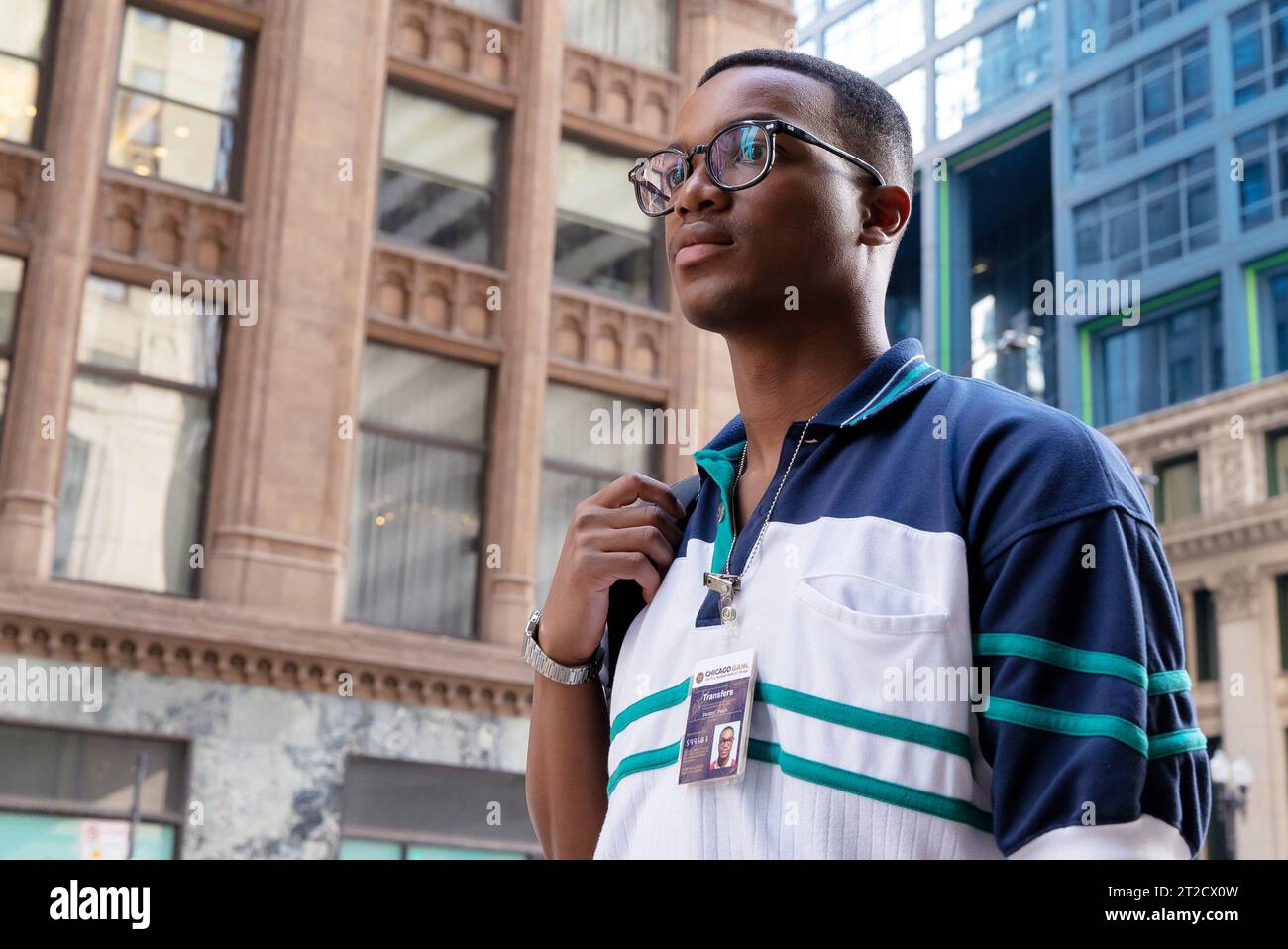
In the 2023 thriller 88, the "88 heist" refers to a sophisticated financial conspiracy involving the systematic siphoning of $88 million from a prominent Super PAC. Discovered by financial director Femi Jackson, this white-collar heist exposes a labyrinthine network of money laundering, historical racial trauma, and systemic political corruption designed to manipulate national elections.
The 2023 film 88, directed by Eromose Omosuebi, stands as a dense, intellectual entry into the political thriller genre. Unlike traditional heist movies that focus on vault-cracking or high-speed chases, 88 centers on an "audit heist"—the discovery of a massive, invisible theft occurring within the digital ledgers of the American political machine. As we look back from 2026, the film’s themes of campaign finance transparency and the weaponization of "dark money" remain more relevant than ever.
The Narrative Foundation: Femi Jackson’s Discovery
The story follows Femi Jackson (portrayed by Brandon Victor Dixon), the financial director for "One World," a powerful Super PAC supporting a presidential candidate. Femi is a man of precision, a numbers-driven professional who views the world through the lens of balance sheets and transaction histories. His life is upended when he notices a recurring discrepancy: the number 88.
This is not a simple accounting error. Femi discovers that $88 million has been diverted through a series of shell companies and offshore accounts. The "heist" in this context is the theft of democratic influence. By tracking these funds, Femi realizes that the money isn't just being stolen for personal gain; it is being used to fund a specific, shadowy agenda that traces back decades.
The film meticulously portrays the mechanics of this discovery. Femi uses forensic accounting techniques to peel back layers of "dark money" contributions. In the world of 2023 politics, Super PACs (Political Action Committees) were allowed to raise unlimited sums of money from corporations, unions, and individuals. 88 uses this real-world legal framework to build a believable scenario where nearly a hundred million dollars can vanish into the "black box" of political spending.
Deconstructing the "88" Symbolism
The title and the central figure of the heist, 88, are laden with multiple layers of meaning that Femi must navigate. The film uses these layers to create a sense of mounting dread and historical weight.
The Financial Figure
At its most literal level, the 88 represents the $88 million stolen from the One World PAC. In the world of high-finance thrillers, specific numbers often serve as the "smoking gun." For Femi, the repetition of this specific figure across different accounts is what signals that the "heist" is an intentional, coordinated effort rather than a series of unrelated thefts.
The Cultural and Historical Coding
The film dives deep into the darker connotations of the number 88. In certain extremist circles, "88" is a known code. However, the film subverts and expands this by connecting it to the 88 keys on a piano—a recurring motif involving Femi’s son—and to broader themes of historical cycles. The heist is not just about money; it is about the "theft" of progress. The film suggests that the same power structures that benefited from historical atrocities are the ones orchestrating the modern-day financial heist of the political system.
The Mechanics of a White-Collar Heist
To understand the "88 heist," one must understand how money is "stolen" in a system where the theft is technically legal under certain interpretations of campaign finance law. The film highlights several key mechanisms used by the conspirators:
- Shell Company Layering: The $88 million is broken into smaller tranches and moved through entities that exist only on paper. This makes the audit trail nearly impossible for standard regulators to follow.
- Straw Donors: The heist involves "recycled" money, where funds are given to individuals who then "donate" them back to the PAC, masking the original source of the capital.
- The "Black Box" of Media Buying: A significant portion of the heist is executed through inflated invoices for political advertising. By overpaying for media slots, the conspirators can kick back millions into private accounts or "shadow" operations.
Femi’s struggle is that he is trying to stop a heist that the law is ill-equipped to handle. As a financial director, he has the "keys to the vault," but he finds that the vault has been designed with a backdoor that his superiors—played with calculated menace by actors like Orlando Jones (Oneal Harold) and William Fichtner (Ron Solomon)—already know how to use.
Key Players in the Conspiracy
The 88 heist is not a solo job. It requires a network of enablers across the political and financial spectrum.
| Character | Role in the Heist/Investigation | Motivation |
|---|---|---|
| Femi Jackson | Lead Investigator / Financial Director | Professional integrity and a desire to protect his family's future. |
| Oneal Harold | The Mastermind / PAC Chairman | Maintaining the status quo and ensuring the "right" candidate wins at any cost. |
| Ron Solomon | The Investor / Shadow Figure | Using financial leverage to steer national policy toward his corporate interests. |
| Ira Goldstein | The Mentor / Historian | Providing the context needed to understand why the "88" conspiracy exists. |
Each character represents a different facet of the American power structure. Oneal Harold represents the gatekeepers of political capital, while Ron Solomon represents the "old money" that views elections as mere business transactions. Femi, as the auditor, represents the rare individual who still believes that the numbers should tell the truth.
Technical Depth: How the Film Portrays Forensic Accounting
One of the most praised aspects of 88 is its refusal to dumb down the technical side of the heist. The film spends considerable time on computer screens, spreadsheets, and banking documents. It treats the act of "following the money" with the same tension a traditional thriller might give to a bomb disposal scene.
The film introduces the concept of "The 88th Key," a metaphorical term for the final piece of evidence Femi needs to prove the conspiracy. In forensic accounting, this is often the "off-book" ledger—the record that tracks the actual movement of stolen funds versus what is reported to the Federal Election Commission (FEC). Femi’s journey is essentially an attempt to find this ledger before the conspirators can "delete" him from the equation.
The Socio-Political Impact of the Heist
The "88 heist" is ultimately a critique of the 2010 Citizens United Supreme Court decision and its aftermath. By 2023, when the film was released, the influence of Super PACs had reached a fever pitch. The film posits that when you allow unlimited, anonymous money into a system, a "heist" of the entire democratic process is not just possible—it is inevitable.
The film links the financial theft to the disenfranchisement of marginalized communities. It argues that the $88 million isn't just being taken from a campaign; it is being taken from the public's ability to have a fair and transparent government. This makes the heist much more than a white-collar crime; it is portrayed as a crime against the social contract.
Analyzing the Climax: Exposing the 88
As Femi gets closer to the truth, the film shifts from a procedural drama into a high-stakes thriller. The "heist" enters its final phase: the cover-up. The conspirators attempt to frame Femi, leveraging his own financial expertise against him.
The resolution of the 88 heist is not a clean victory. In keeping with the "neo-noir" style, the film suggests that while Femi may expose this specific $88 million theft, the machinery that allowed it to happen remains intact. This realism is what distinguished 88 from other thrillers of the 2020s. It forced the audience to realize that the heist is ongoing, happening in real-time within the actual US political system.
Comparison: 88 vs. Traditional Heist Films
To understand the unique nature of the "88 heist," it is helpful to compare it to the tropes of the genre.
- The Target: In Ocean's Eleven, it’s a casino vault. In 88, it’s the integrity of a presidential election.
- The Toolset: Traditional heists use explosives and disguises. The 88 heist uses tax codes, PAC regulations, and wire transfers.
- The Stakes: Most heists risk jail time for the protagonists. In 88, the stakes are the erosion of truth and the potential collapse of fair governance.
- The "Villian": Instead of a greedy casino owner, the antagonist is a systemic "ghost"—a collection of interests that use the number 88 as a calling card for their control over the economy.
FAQs About the 88 Heist and the Movie
Is the "88 heist" based on a true story?
While the film is a work of fiction, it is heavily inspired by real-world concerns regarding Super PACs and "dark money" in US politics. The director, Eromose Omosuebi, researched actual FEC loopholes and historical instances of campaign finance irregularities to ground the $88 million conspiracy in reality. The specific number 88 also draws from various historical and social references.
Why is the number 88 so significant in the film?
In the context of the heist, $88 million is the amount of money Femi Jackson discovers missing. Beyond the finances, the film uses "88" to symbolize several things: the 88 keys on a piano (representing the complexity of the truth), historical cycles of oppression, and the specific codes used by the conspirators to identify their "contributions" to the shadow organization.
Is 88 a traditional action movie?
No. 88 is a political thriller that prioritizes dialogue, financial investigation, and historical analysis over physical action sequences. The "heist" is intellectual and systemic. Viewers expecting car chases or shootouts may find it more similar to films like All the President's Men or The Big Short than Heat.
Who is "The 88" in the movie?
"The 88" refers to a clandestine group of powerful individuals—including donors, politicians, and fixers—who coordinate the theft of political influence. They are not a single entity but a network of interests that benefit from the $88 million laundering scheme Femi uncovers.
Does Femi Jackson get the money back?
The goal of the protagonist is not to "keep" the money like a traditional thief, but to expose the theft. The film's conclusion focuses on the dissemination of information rather than the physical recovery of the $88 million, emphasizing that in a digital heist, the "truth" is the only currency that matters.
Final Recommendations for Viewers
To fully appreciate the depth of the "88 heist" in the 2023 thriller, viewers should pay close attention to the early scenes involving Femi’s audit process. The film rewards those who follow the numerical clues as closely as the protagonist does.
For those interested in the real-world implications of the film's themes, researching the current status of the Federal Election Commission (FEC) and the evolution of Super PAC regulations since 2023 provides valuable context. 88 serves as a powerful reminder that the most dangerous heists are often the ones where the money is "hidden in plain sight" on a public ledger.