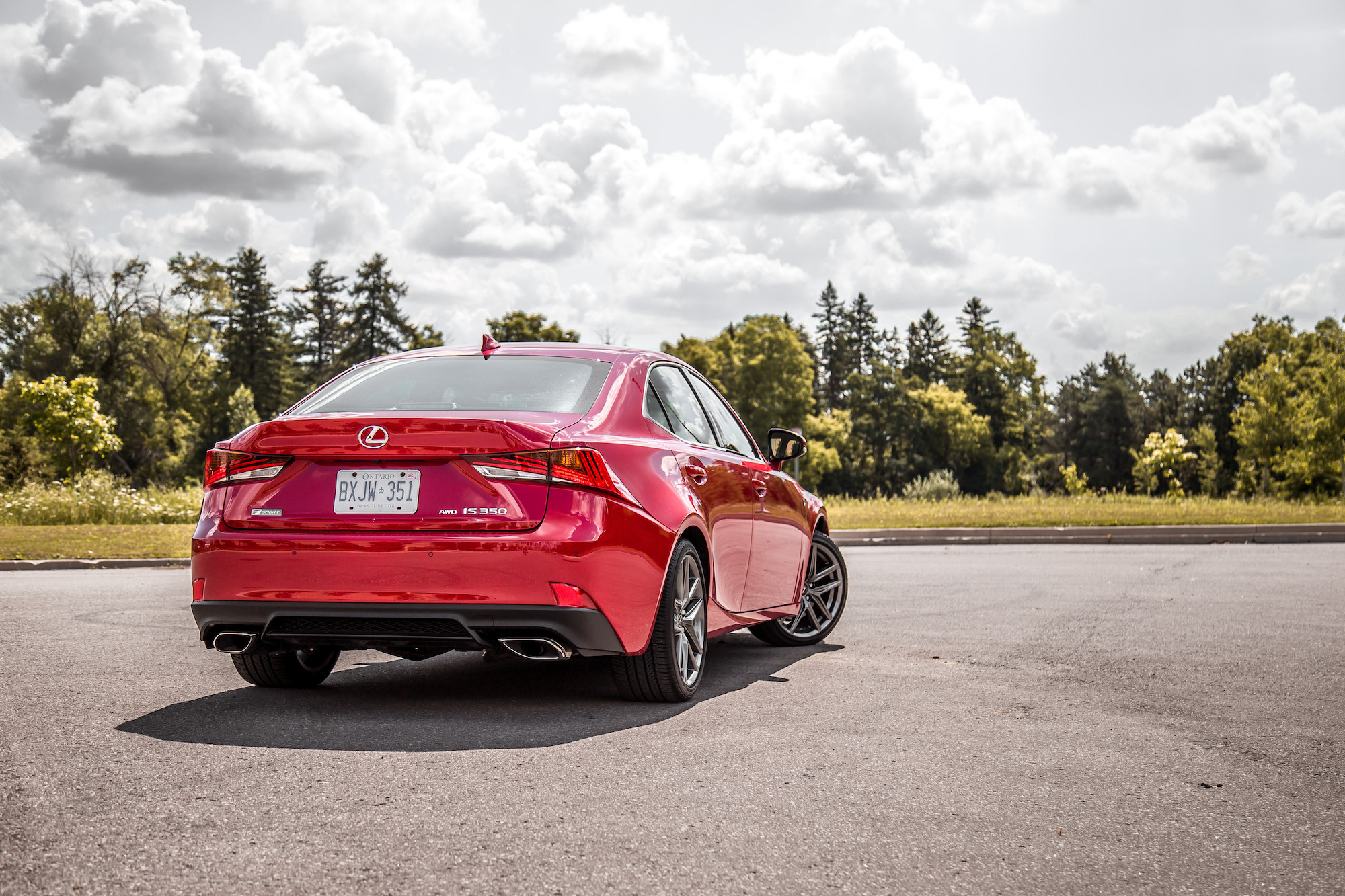
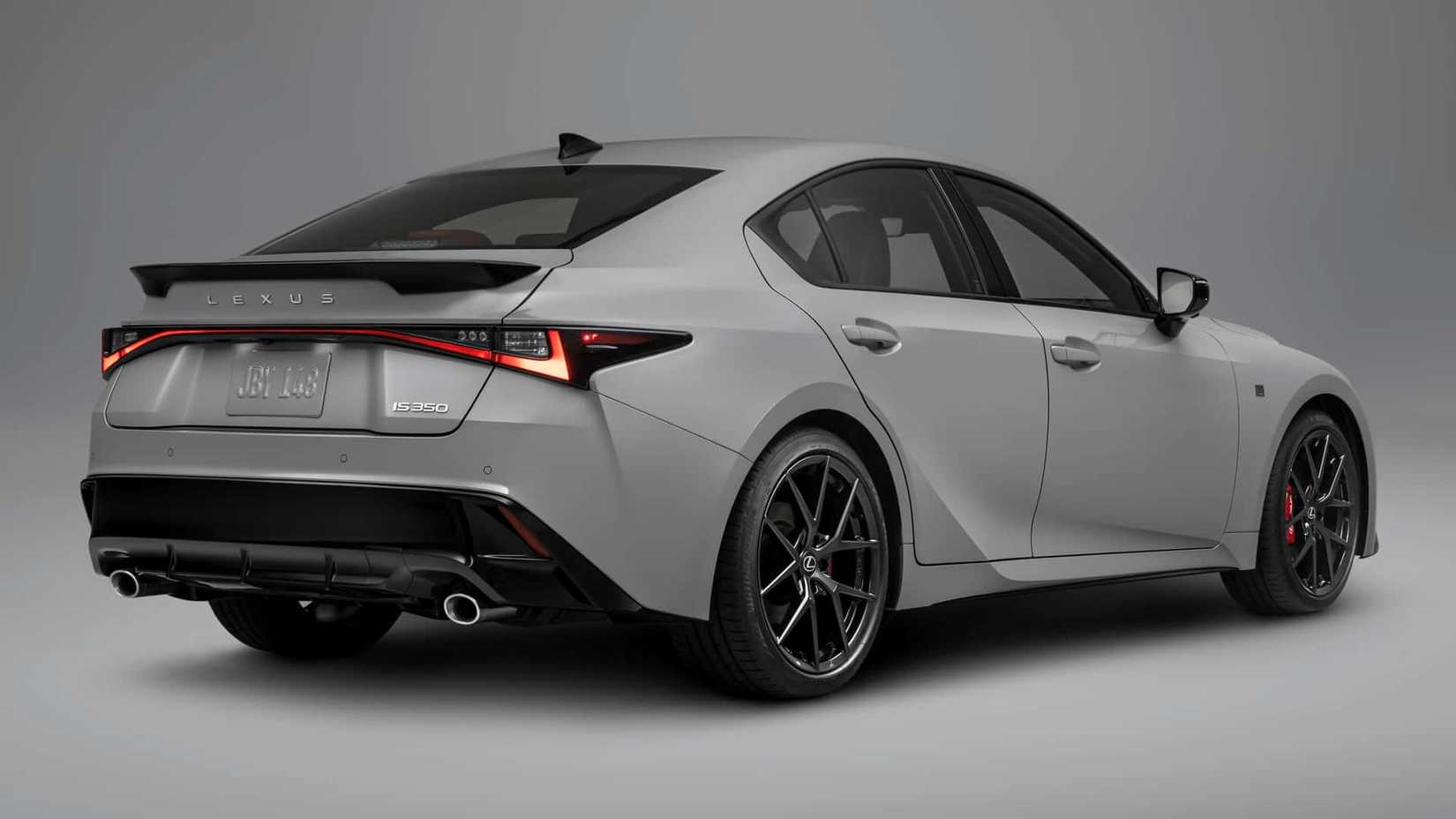
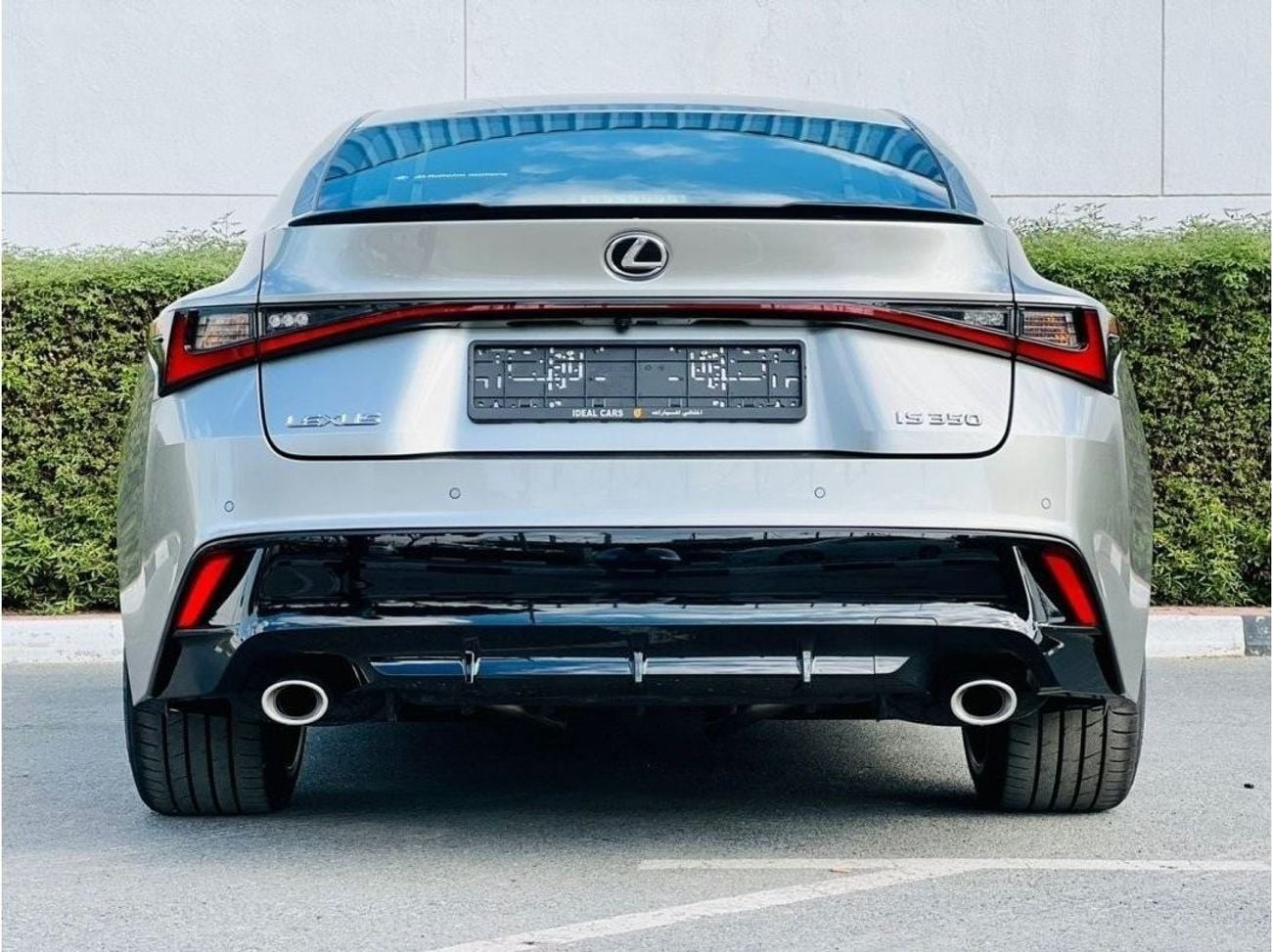
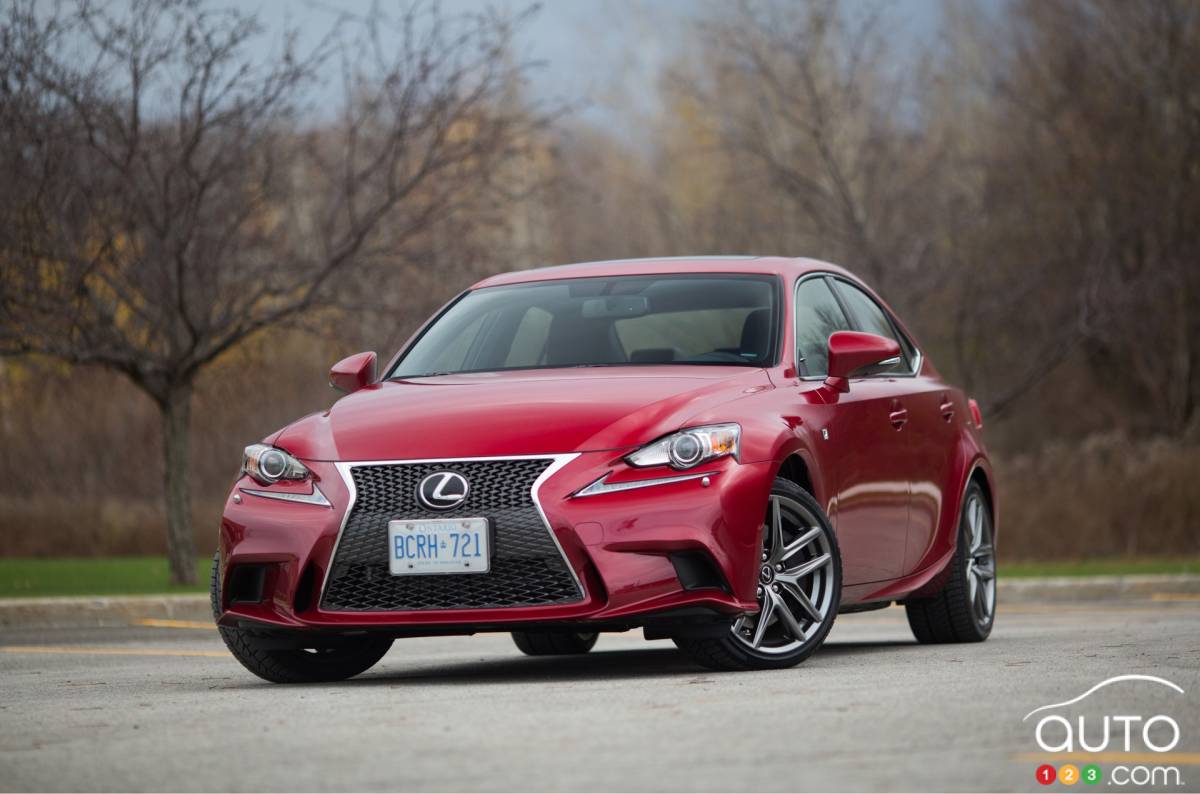
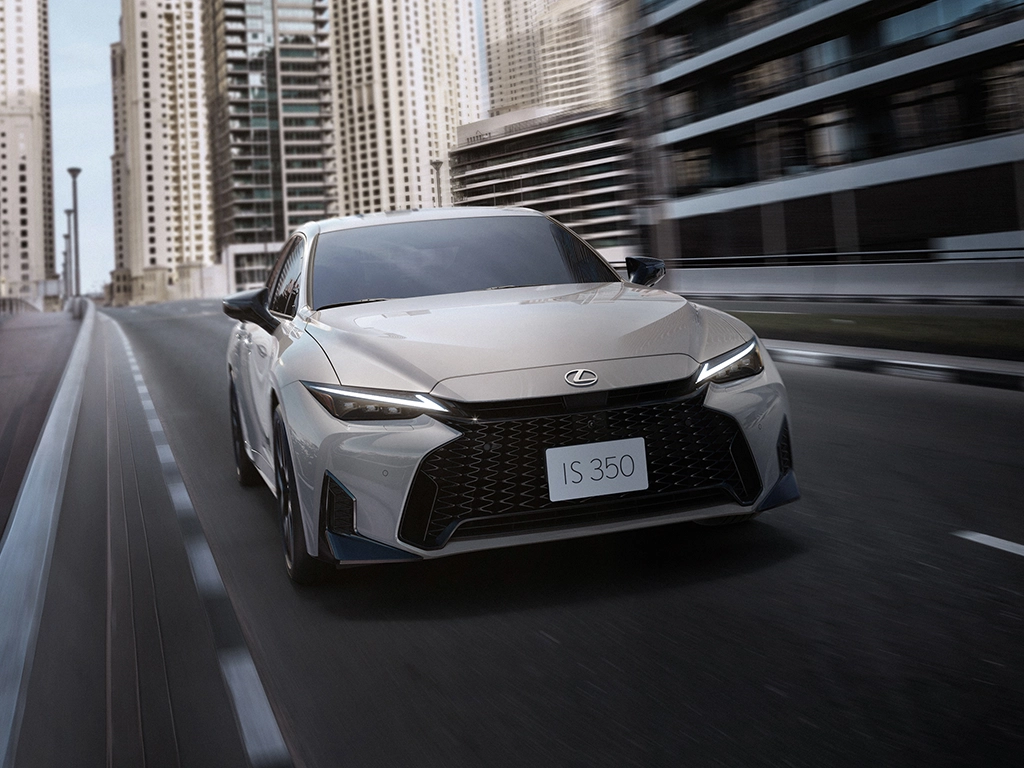
After eight years of real-world use, the Lexus IS350 remains one of the most reliable luxury sport sedans on the market. Its longevity is rooted in the proven 2GR-series V6 engine and a philosophy of incremental engineering rather than experimental tech. While owners may face high tire wear and aging infotainment, the powertrain typically remains bulletproof well beyond the 100,000-mile mark.
Predicting the long-term viability of a luxury vehicle often involves a degree of speculation, but with the 2018 Lexus IS350 now reaching its eighth year of service in 2026, the data is conclusive. This generation of the IS (the XE30) was built during a period where Lexus prioritized mechanical refinement over radical digital transformation. The result is a vehicle that, in 2026, feels mechanically superior to many of its contemporary rivals that have since succumbed to complex turbocharged failures or electronic glitches.
The Heart of Reliability: The 2GR-FKS V6 Engine
The primary reason for the IS350’s high reliability rating after eight years is the 2GR-FKS 3.5-liter V6 engine. Unlike its German competitors, which shifted heavily toward small-displacement turbocharged four-cylinder engines during this era, Lexus stuck with a naturally aspirated V6.
D-4S Injection System
One of the most significant technical advantages of this engine is the D-4S (Direct-injection 4-stroke gasoline engine Superior version) system. This setup utilizes both direct and port fuel injection. In many direct-injection-only engines, carbon buildup on the intake valves is a chronic issue because fuel never washes over them. By utilizing port injection at lower loads, the IS350 effectively cleans its own valves, preventing the power loss and rough idling common in aging European luxury cars.
Naturally Aspirated Simplicity
Because the IS350 does not rely on a turbocharger, it operates at lower internal pressures and temperatures. This reduces the stress on gaskets, seals, and cooling components. After eight years, owners of turbocharged vehicles often face wastegate rattles or oil leaks from turbo feed lines; the IS350 owner generally deals only with standard fluid changes.
Transmission and Drivetrain Longevity
The 2018 IS350 utilized two different transmissions depending on the drive configuration. The Rear-Wheel Drive (RWD) models featured the 8-speed AA80E Sport Direct Shift automatic, while the All-Wheel Drive (AWD) models utilized a 6-speed A760H automatic.
The 8-Speed vs. 6-Speed
The 8-speed transmission, derived from the unit used in the Lexus IS F, is known for its quick shifting in manual mode and its durability. However, some owners report a "hunting" sensation where the car searches for gears during light acceleration. This is a characteristic of the programming rather than a mechanical failure.
The 6-speed AWD transmission is an older design, but in terms of reliability, it is considered nearly "indestructible" by the enthusiast community. The transfer case in the AWD model is integrated into the transmission housing, which simplifies the drivetrain but does create a slight hump in the driver’s footwell—a small price to pay for a system that rarely fails even under heavy winter use.
Common Issues After 8 Years: The "Achilles Heels"
No car is perfect, and the IS350 has specific areas where it shows its age or design priorities. If you are inspecting an eight-year-old model, these are the three areas that require the most attention.
1. Inner Tire Wear (The LCA Bushing Issue)
The most frequent complaint among IS350 owners is excessive inner tire wear on the front wheels. This is not caused by poor alignment, but rather by the soft Lower Control Arm (LCA) bushings. Lexus designed these bushings to be soft to absorb road vibrations and provide a "luxury" feel. However, under braking or cornering, the soft rubber allows the control arm to deflect, changing the toe angle and scrubbing the inner edge of the tire.
- The Fix: Many long-term owners replace the factory bushings with those from the Lexus RC F or aftermarket polyurethane versions. This firms up the steering and significantly extends tire life.
2. Battery Longevity and Parasitic Draw
Lexus vehicles of this era are known for relatively short battery lifespans, often requiring a new battery every 3 to 4 years. The sophisticated security systems and "always-on" telematics can cause a minor parasitic draw. If an eight-year-old IS350 is still on its second battery, expect to replace it soon.
3. Brake Dust and Rotor Warp
The F-Sport trim levels come with high-friction brake pads. While these provide excellent stopping power, they generate significant dust and can be aggressive on the rotors. By year eight, many owners have switched to ceramic pads to reduce dust, though this can slightly change the initial "bite" of the brakes.
Interior Durability and Electronics
The Lexus interior is often cited as a benchmark for build quality. In 2026, looking back at an eight-year-old cabin, the materials generally hold up better than leather-heavy competitors.
NuLuxe Synthetic Leather
Most IS350 models are equipped with NuLuxe, a high-quality synthetic upholstery. Unlike real leather, NuLuxe is highly resistant to cracking and UV damage. After eight years, a well-maintained NuLuxe seat often looks identical to the day it left the showroom, whereas real leather typically shows "veining" and bolster wear.
The Infotainment System
The 2018 model year was part of the "Remote Touch" era, utilizing a joystick or touchpad to control the screen. Technically, the system is reliable—the screens do not often delaminate or fail. However, from a usability standpoint, it is the most dated part of the car. It lacks the modern touch-screen interface of 2026 models, and the 2018 version did not natively support Apple CarPlay or Android Auto without an aftermarket module.
Maintenance Schedule and Estimated Costs
To maintain the IS350’s reliability, adhering to the 60,000 and 100,000-mile service intervals is critical. Below is a breakdown of typical maintenance requirements at the eight-year mark.
| Service Item | Frequency | Estimated Cost (USD) | Importance |
|---|---|---|---|
| Oil & Filter Change | Every 5,000–10,000 miles | $100–$150 | Critical for VVT-i system health |
| Engine Air Filter | Every 30,000 miles | $30–$50 | Essential for fuel efficiency |
| Spark Plugs | Every 60,000 miles | $300–$500 | Prevents ignition coil stress |
| Transmission Fluid | "Lifetime" (Inspect every 60k) | $250–$400 | Recommended for longevity |
| Differential Fluid | Every 60,000 miles | $150–$200 | Crucial for RWD/AWD health |
| Brake Pads/Rotors | As needed (typically 30k-40k) | $500–$800 | High-friction pads wear faster |
| LCA Bushing Upgrade | Once | $200–$400 | Solves the inner tire wear issue |
Lexus IS350 vs. Competitors: 8-Year Reliability Comparison
When evaluating the IS350, it is helpful to look at how it fares against its 2018-era rivals, such as the BMW 340i (B58 engine) and the Audi S4 (3.0T).
- BMW 340i: While the B58 engine is one of BMW’s most reliable, the surrounding components (plastic cooling hoses, oil filter housings) tend to become brittle after 8 years. The IS350 uses more metal and high-grade rubber in these areas.
- Audi S4: The Audi offers superior tech and speed, but the complexity of the Quattro system and the potential for electronic sensor failure is significantly higher than in the Lexus.
- Mercedes-Benz C43 AMG: These models often suffer from "creaks and rattles" as the interior clips age. The Lexus IS350 is famously quiet, with a cabin that remains tight even after 100,000 miles.
Is the 2018 IS350 a Good Buy in 2026?
As of 2026, the 2018 IS350 is in the "sweet spot" of the used market. It has depreciated significantly from its original MSRP, yet it possesses a mechanical lifespan that likely extends another decade.
For a buyer prioritizing total cost of ownership, the IS350 is unbeatable. While you will spend more on gasoline (as the V6 is less efficient than modern hybrids or turbos) and tires, you will likely spend significantly less on catastrophic repairs. According to data from the NHTSA, the 2018 Lexus IS series has very few safety-related recalls compared to its peer group, further cementing its reputation for build quality.
Frequently Asked Questions
Does the Lexus IS350 require premium gas?
Yes, the 2GR-FKS engine is designed with a high compression ratio that requires 91 octane fuel or higher. Using lower-grade gasoline can cause engine knocking and will lead the ECU to retard timing, which reduces both power and fuel efficiency. Over eight years, using the correct fuel is vital for maintaining the health of the fuel injectors and valves.
At what mileage do Lexus IS350 engines start to fail?
There is no specific "failure point" for these engines. With proper maintenance, the 2GR-series V6 is known to exceed 200,000 or even 300,000 miles. Most "failures" reported by owners are actually related to accessories, such as a failing alternator or water pump, rather than the internal components of the engine itself.
Is the IS350 expensive to insure?
Insurance for an eight-year-old Lexus is generally moderate. While it is a luxury brand, which usually commands higher premiums, its high safety ratings and the availability of parts for the XE30 generation help keep costs lower than more exotic or performance-heavy European brands.
How can I tell if the LCA bushings are bad?
The easiest way to tell is to inspect the front tires. If the inner tread is significantly more worn than the outer tread, the bushings are likely deflected. You may also feel a slight "shudder" or movement in the steering wheel when braking firmly from highway speeds.
Does the 2018 IS350 have a timing belt or chain?
The 2GR-FKS engine uses a timing chain. Unlike a timing belt, which requires replacement every 90,000 miles, the timing chain is designed to last the life of the engine. This saves the owner a significant maintenance expense (typically $800–$1,200) compared to engines with belts.
Final Recommendation: Verification Steps
If you are considering an eight-year-old Lexus IS350 in 2026, follow these steps to ensure you are getting a reliable example:
- Check the Water Pump: Look for "pink crust" around the front of the engine, which indicates a slow leak of Toyota Long Life Coolant. Water pumps are a known wear item around 80,000–100,000 miles.
- Inspect the Amp: The factory amplifier in the trunk can sometimes fail if water gets into the side vent. Ensure all speakers are functioning correctly.
- Review Service Records: Ensure the oil was changed at least every 10,000 miles (5,000 is better). The VVT-i (Variable Valve Timing) system relies on clean oil to function correctly.
- Confirm Recall Completion: Visit the Lexus Drivers portal and enter the VIN to ensure all safety recalls, including any fuel pump updates, have been performed.
The Lexus IS350 is a "safe bet" in the luxury world. It offers a balanced blend of 306 horsepower, rear-wheel-drive dynamics, and legendary Toyota-backed reliability that few other vehicles can match after nearly a decade on the road.